-

-
 Whatsapp:+86 17732187393
 -


Comprehensive Guide to 2 Foot High Fencing: Uses, Benefits, and Innovations
Understanding 2 Foot High Fencing: A Practical Guide
Fencing isn’t just about marking boundaries — it’s about safety, organization, and sometimes even peace of mind. Specifically, 2 foot high fencing has a unique niche worldwide, providing a manageable yet effective barrier for countless scenarios. Whether you’re managing construction sites, organizing event perimeters, or enhancing garden aesthetics, understanding the ins and outs of 2 foot fencing brings clear benefits globally. It’s small, but it’s mighty.
Introduction: Why Does 2 Foot High Fencing Matter Globally?
Globally, fencing solutions affect millions of sectors — agriculture, safety regulation, urban planning, and humanitarian efforts, to name a few. The United Nations has highlighted infrastructure barriers as critical in maintaining order and security in complex environments. Oddly enough, while towering fences get headlines (think border walls or high-security nets), the humble 2 foot fencing plays a quieter but essential role, especially when space or visibility matters.
According to ISO standards, fencing less than a meter high (about 3.3 feet) is often intended for containment or demarcation rather than full-on security. In real terms, the 2-foot size hits a sweet spot — enough to deter casual passage, yet low enough to maintain openness or comply with certain zoning laws.
Mini Takeaway: The 2 foot tall fence balances visibility, safety, and flexibility, making it a surprisingly versatile tool worldwide.
What is 2 Foot High Fencing?
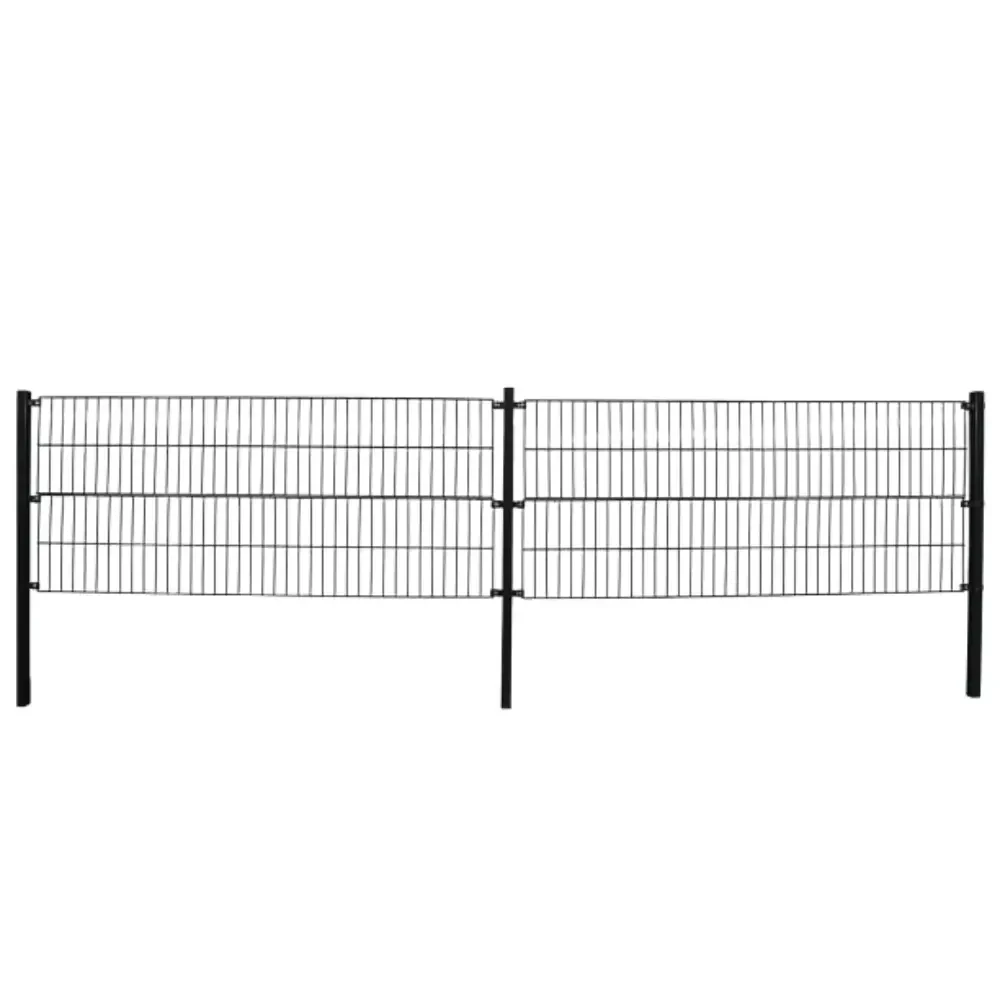
Simply put, 2 foot high fencing refers to a barrier approximately 24 inches tall, typically constructed from metal, wood, plastic, or composite materials. It serves to mark spaces, provide a mild deterrent, or protect small areas where higher fences are unnecessary or impractical.
Think of it as that friendly nudge of separation — for garden beds, playground areas, or light crowd control at events. In humanitarian or industrial contexts, it can provide quick, visually discrete boundaries during emergencies or temporary setups.
Key Factors of 2 Foot High Fencing
Durability
Since these fences can be outdoors and subjected to weather, construction dust, or human contact, materials like galvanized steel or treated wood are favored for lasting power. For example, powder-coating metal frames adds corrosion resistance — handy near coastlines or in moist environments.
Scalability
Modular panels measuring 2 foot high often come in standard widths from 3 to 8 feet, allowing flexible layout expansion or reconfiguration without specialist tools or permissions. This modularity is quite popular in event management and gardening.
Cost Efficiency
The low height means less material, reducing cost while still delivering function. Installation is usually straightforward, lowering labor expenses, especially for temporary uses.
Safety and Visibility
Two feet is short enough to keep line-of-sight clear for supervisors or parents watching children, reducing blind spots that taller fences sometimes create. This ironically enhances safety in places like parks or schools.
Typical Specifications of Common 2 Foot High Fencing
| Feature | Details |
|---|---|
| Height | 24 inches (2 feet) |
| Material | Galvanized steel, wood, vinyl, or composite |
| Panel Width | 3 - 8 feet (custom sizes available) |
| Finish | Powder-coated, painted, or natural |
| Installation | Ground spikes, brackets, or portable bases |
Global Applications and Use Cases
While many imagine fencing as a static infrastructure, 2 foot fencing sees dynamic use globally:
- Urban Gardening: Cities in Europe and Asia use short fencing to section community gardens and public flower beds without hindering pedestrian flow.
- Event Management: Temporarily marking low-risk crowds areas or pathway guidance at concerts in the US and Australia.
- Agriculture: Containment of small livestock or poultry without heavy infrastructure in rural Africa or South America.
- Educational Playground Safety: Low fencing in schools across Canada and Japan to visually separate play areas while allowing supervision.
- Humanitarian Relief: In post-disaster relief operations, 2 foot fencing often delineates shelters, water points, or queuing zones, as noted by several UN initiatives.
Mini Takeaway: 2 foot fencing’s subtlety is a strength. It helps maintain order without imposing a fortress-like atmosphere, encouraging engagement and safety together.
Advantages and Long-Term Value
If you’re wondering why anyone might choose this relatively short fencing over taller options, the benefits are quite tangible:
- Cost and Time Savings: Uses fewer materials and requires less labor.
- Environmental Impact: Lightweight materials mean easier transport and smaller carbon footprint. Some brands offer recyclable or sustainably sourced woods.
- Social Comfort: Unlike imposing fences, low fencing preserves openness — important for community projects or public parks.
- Maintenance: Easier to clean, repaint, or repair without heavy equipment.
- Trust and Safety: Acts as a visible boundary without creating exclusion, fostering respectful coexistence.
Emerging Trends and Future Innovations
The fencing industry, traditional as it may seem, is quietly evolving. Sustainable materials like bamboo composites and recycled plastics are growing in popularity for eco-conscious buyers. There’s also an upswing in “smart fencing” integration — low fences embedded with sensors to monitor movement for safety or wildlife protection.
Digital fabrication methods such as 3D printing allow bespoke panels that fit unique environments, enhancing the aesthetic appeal without sacrificing utility. Some manufacturers experiment with solar-powered lighting along fence lines, enhancing nighttime visibility with minimal energy.
Challenges & Practical Solutions
Of course, low fencing isn’t perfect. Its height obviously won’t stop anyone determined to cross, and it may not provide privacy or full security. Wind load can sometimes destabilize lighter models, and in some legal jurisdictions, permits might be required even for low fences.
Experts often recommend pairing 2 foot fencing with signage, landscaping, or technology like cameras or alarms for sensitive zones. For unstable soils, weighted portable bases or reinforced brackets can prevent tipping.
Vendor Comparison for 2 Foot High Fencing Solutions
| Vendor | Material Options | Price Range | Delivery Time | Customization |
|---|---|---|---|---|
| FenceCo | Steel, Vinyl | $50–$90 per panel | 2–3 weeks | Color and width |
| EcoGuard | Recycled Plastic, Bamboo Composite | $70–$110 per panel | 3–4 weeks | Finish and sensor installation |
| BuildRight | Wood (Treated Pine, Cedar) | $40–$80 per panel | 1–2 weeks | Custom heights & widths |
FAQ: Frequently Asked Questions About 2 Foot High Fencing
1. Is 2 foot high fencing suitable for pet containment?
It depends on the type of pet. For smaller animals like rabbits or small dogs, 2 foot fencing can be adequate when paired with mesh or solid panels. Larger or more agile pets might need higher or reinforced fences.
2. Can I install 2 foot fencing myself?
Yes! Most 2 foot fencing panels are designed for DIY installation with simple tools, especially those with portable bases or ground spikes. However, check local codes and soil conditions for a smooth process.
3. Does 2 foot fencing require a permit?
This varies by locale. Often, fences under 3 feet tall have fewer restrictions, but it’s best to verify local zoning laws before installation to avoid surprises.
4. Are there eco-friendly options for 2 foot fencing?
Absolutely! Many vendors now offer recycled plastic panels or sustainably sourced wood. Brands like EcoGuard specialize in such products, combining durability with environmental consciousness.
5. How long does 2 foot high fencing last?
Lifespan depends on material and maintenance. Galvanized steel or treated wood panels can last 10+ years with proper care, while vinyl or composites may last even longer with minimal upkeep.
Conclusion: Why Consider 2 Foot High Fencing?
In summary, 2 foot high fencing represents a versatile, efficient, and often overlooked option for countless global needs — from community gardens to emergency relief. It strikes a balance between presence and openness, cost and function. So, if you’re looking for a practical way to segment space or add a touch of protection without the imposing feel of tall barriers, it’s worth exploring.
For tailored solutions or to explore our range, visit 2 foot high fencing and start your journey toward smarter boundary management today.
Reflection: It’s funny how something as simple as a 2 foot fence can quietly shape safety, community, and functionality across the world. Small details, big impact.
-
Enhance Your Outdoor Living with Elegant Iron Trellis PanelsNewsJan.27,2026
-
Exploring Diverse Garden Fence Options for Enhanced Outdoor LivingNewsJan.27,2026
-
Wire Mesh Panels for Industrial Use: Durable Solutions from Peiling TechNewsJan.06,2026
-
Durable Mesh Panel Fence for Industrial Security & Safety | Peiling TechNewsJan.06,2026
-
Price on Chicken Wire – Insights from Industry ExperienceNewsJan.06,2026
-
Weldmesh Fence Panels Prices: How to Choose Quality Without OverspendingNewsJan.05,2026