-

-
 Whatsapp:+86 17732187393
 -


Comprehensive Guide to Landscape Fence Edging: Benefits, Applications & Innovations
Understanding Landscape Fence Edging: Why It Matters in Today’s World
When we talk about landscape fence edging, it might seem like just a simple boundary or garden afterthought. But frankly, it’s so much more than that. Around the globe, as urbanization expands and land management becomes an increasingly complex puzzle, landscape fence edging stands as a crucial component in managing, protecting, and beautifying outdoor spaces. Whether it’s safeguarding crops in rural areas, marking property lines, or shaping public parks in megacities, understanding this humble yet impactful tool has benefits that ripple through economic, environmental, and social dimensions worldwide.
Introduction: The Global Scope of Landscape Fence Edging
The global demand for effective fencing solutions is rising sharply—driven by rapid urban growth, the need for safer agricultural practices, and evolving public space management. According to a UN report on urban land use, nearly 68% of the world’s population is expected to live in urban areas by 2050, drastically increasing the need for well-designed landscape boundary systems. Here’s the catch: traditional fencing can be expensive, rigid, and environmentally unfriendly, which is why landscape fence edging is becoming a favored solution. It addresses problems ranging from wildlife intrusion and soil erosion to aesthetic enhancement without requiring heavy investment or damaging surroundings.
What Exactly Is Landscape Fence Edging?
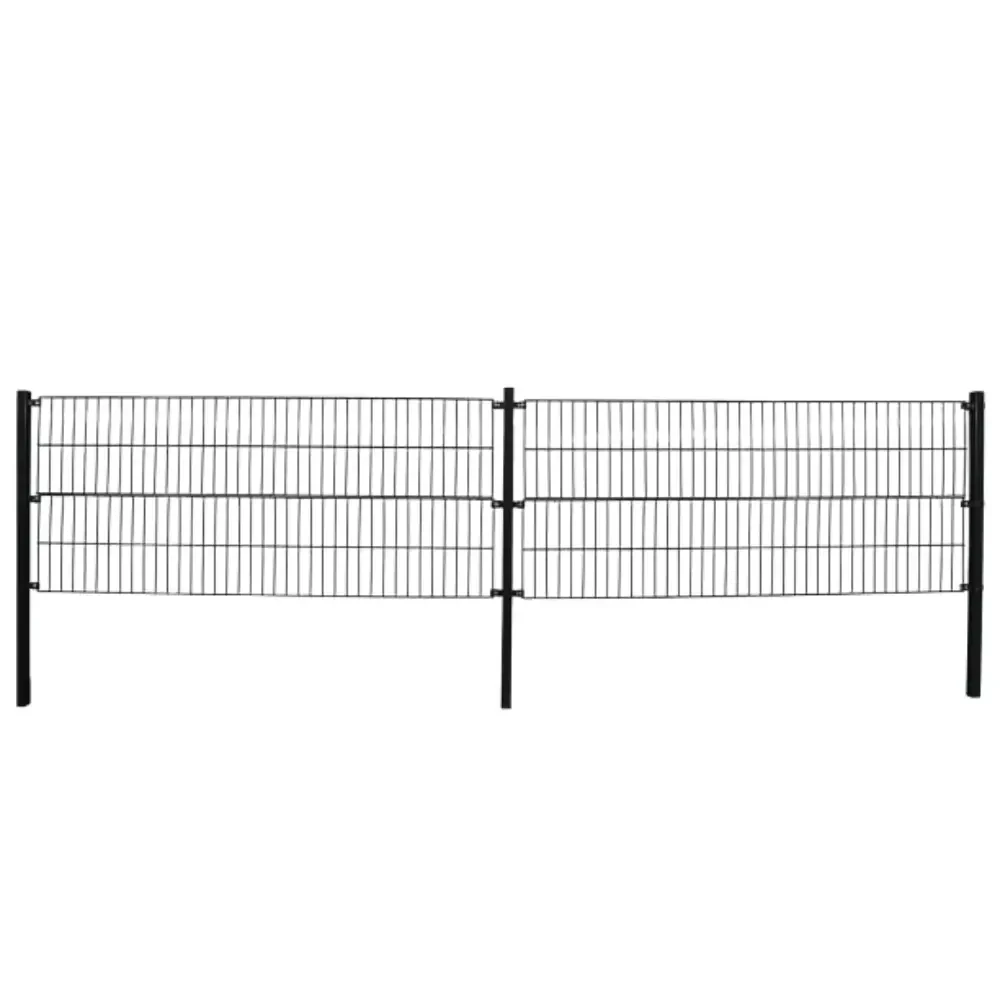
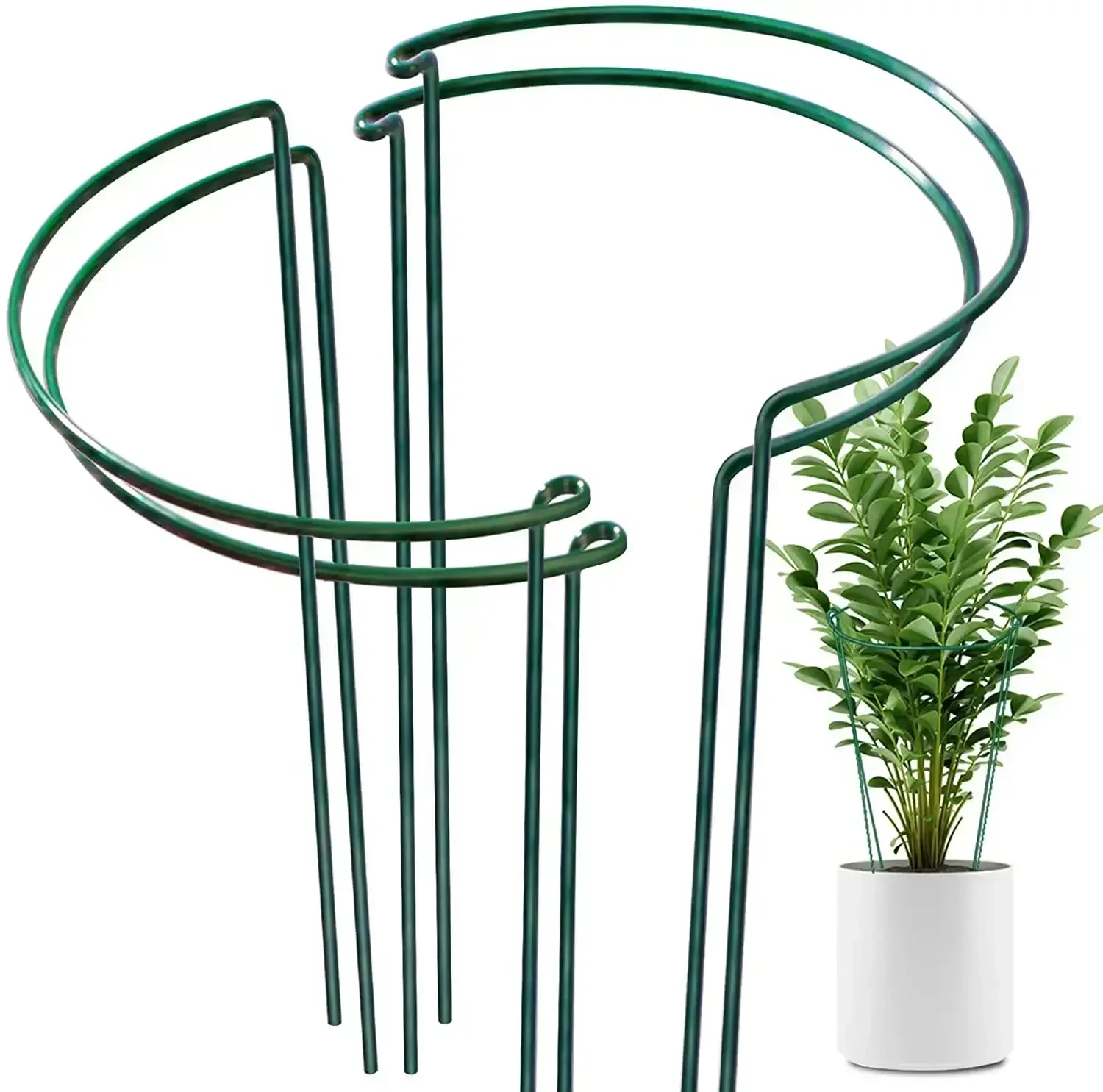
Simply put, landscape fence edging refers to the installation of physical borders—usually low-profile, durable strips—that define and protect the boundaries of a garden, field, or public outdoor area. These aren’t just fences in typical vertical posts and wires; edging includes materials like plastic, metal, stone, or recycled composites laid out to guide or restrict movement, contain mulch, soil, or plants, and provide a neat, intentional finish to landscaped spaces. It’s a key interface between human land use and natural ecosystems, helping maintain order without sacrificing environmental sensitivity.
This is important in both industrial and non-industrial settings: from large-scale farms needing pest control barriers to community parks aiming to reduce maintenance costs and increase safety.
Key Factors Driving Landscape Fence Edging
1. Durability and Material Choice
Good edging has to stand the test of time and elements. Materials range from rust-resistant metals and UV-stabilized plastics to sustainably harvested woods and concrete mixtures. Durability is closely linked to the local climate and the intended lifespan of the fence edging solution.
2. Cost Efficiency
While some materials cost more upfront, many are low-maintenance, offsetting expenses later. Plastic composites, for example, can be installed fast and require less upkeep than timber, which may rot or warp.
3. Environmental Impact
Increasingly, manufacturers offer eco-friendly options like recycled materials or products designed to minimize landscape disruption—aligning with global sustainability goals (ISO 14001).
4. Installation Flexibility
Ease of installation is a practical concern. Modular systems or flexible strips mean installers can contour edging around curves or obstacles with less effort, saving time and labor.
5. Aesthetic Appeal
Since landscape fence edging is often the first thing you see in a garden or park, style and color options add value not just functionally but visually.
Product Specifications: A Quick Overview
| Specification | Typical Range | Notes |
|---|---|---|
| Material Types | Plastic, metal, wood, stone, recycled composite | Material chosen for climate & usage |
| Height | 2 to 8 inches | Low-profile but visible |
| Length per section | 4 to 8 feet | Modular for curves and corners |
| Installation type | In-ground stakes, soil spikes, or adhesive | Depends on terrain and permanence |
| Typical Lifespan | 5 to 20 years | Varies by material and climate |
Global Applications and Practical Uses
Landscape fence edging is everywhere, oddly enough. In regions like Europe and North America, it is widely used to keep tidy public parks looking their best, keeping pathways separate from flowerbeds and lawns. In agricultural zones across Africa and Asia, it functions as a simple, low-cost barrier preventing livestock from trampling crops or stopping small wildlife from intruding on farmland.
In post-disaster contexts—take hurricane-affected areas or flood plains—temporary or semi-permanent edging helps contain debris and soil, controlling erosion and easing later reconstruction work. Large infrastructure projects in remote industrial zones (say, mining operations in Australia or renewable farms in Chile) rely on durable edging to demarcate zones, enhance safety, and reduce maintenance.
Landscape fence edging products are chosen for this mix of flexibility and functional reliability, often recommended by engineers and urban planners.
Vendor Comparison: Top Landscape Fence Edging Providers
| Vendor | Material Focus | Eco-friendliness | Installation Ease | Price Range |
|---|---|---|---|---|
| GreenBorder Co. | Recycled Plastic Composite | Very High | Simple snap-in system | $$ |
| SteelEdge Solutions | Galvanized Steel | Moderate (recyclable steel) | Professional installation recommended | $$$ |
| NaturalStone Borders | Natural Stone | High (natural material) | Requires skilled labor | $$$$ |
Advantages and Long-term Benefits
The advantages of landscape fence edging stretch beyond the obvious line-drawing tool. Cost-wise, it reduces garden and park maintenance labor, prevents soil erosion, and protects plants or crops, which may save thousands in restoration. Emotionally, clean and clear boundaries help people feel a subtle sense of order and safety in outdoor spaces. It encourages social trust, too—no one wants to accidentally trespass or damage a neighbor’s carefully cultivated garden.
On the sustainability front, newer edging materials contribute to reducing plastic waste or environmental degradation; combined with thoughtful design, they can even promote biodiversity by protecting native plantings.
Emerging Trends in Landscape Fence Edging
Innovation buzzes around greener and smarter edging solutions. Imagine landscape fence edging embedded with solar-powered LED strips for nighttime visibility, or sensor-activated edges that alert caretakers if animals breach protected zones. 3D-printed biodegradable edging is also making headway, reducing landfill pressure.
Digital tools now allow planners to map and customize edging layouts virtually—less guesswork, fewer materials wasted. Plus, sustainability certifications and standards like those published by ISO encourage companies to adopt circular economy principles for these products.
Challenges and Expert Solutions
Naturally, not everything is perfect. Installing edging in uneven or rocky terrain can be tricky, and some materials fare poorly under extreme weather, warping or breaking sooner than expected. Cost can be a barrier for small-scale gardeners or developing communities.
Experts recommend flexible modular designs and more widespread adoption of recycled and locally sourced materials to tackle these issues. Also, integrating community education about maintenance extends product life significantly.
FAQ: Common Questions About Landscape Fence Edging
- Q: What materials are best for long-lasting landscape fence edging?
A: Durability depends on use and climate. Recycled plastic composites and galvanized steel tend to offer longer lifespans and better weather resistance, though natural stone excels visually and environmentally but at a higher cost. - Q: How flexible is landscape fence edging for curved garden beds?
A: Many products come in modular sections that easily bend or snap together, allowing installation around curves and irregular shapes without extensive cutting or adjustments. - Q: Can landscape fence edging help with controlling invasive plants?
A: Yes, continuous edging acts as a physical barrier to slow down root spread of invasive species, helping to protect garden health when combined with proper management. - Q: Is professional installation necessary for these products?
A: It depends on material. Plastic and composite edging is usually DIY-friendly, while stone or steel options might require professional skill, especially for larger projects.
Final Thoughts and Next Steps
Landscape fence edging might seem like a small detail, but it packs a punch in long-term landscape management, sustainability, and safety—kind of the silent hero of outdoor design. For anyone interested in optimizing land use, reducing maintenance, or just adding a neat touch to property lines, it’s worth exploring.
Curious to learn more or ready to jump in? Visit our site for comprehensive guidance and products at https://www.peilingtech.com. Because every great landscape needs a defined edge.
Mini takeaway: Thoughtfully chosen and maintained landscape fence edging strengthens environmental stewardship and enhances community spaces — all while quietly doing the heavy lifting.
References
-
Enhance Your Outdoor Living with Elegant Iron Trellis PanelsNewsJan.27,2026
-
Exploring Diverse Garden Fence Options for Enhanced Outdoor LivingNewsJan.27,2026
-
Wire Mesh Panels for Industrial Use: Durable Solutions from Peiling TechNewsJan.06,2026
-
Durable Mesh Panel Fence for Industrial Security & Safety | Peiling TechNewsJan.06,2026
-
Price on Chicken Wire – Insights from Industry ExperienceNewsJan.06,2026
-
Weldmesh Fence Panels Prices: How to Choose Quality Without OverspendingNewsJan.05,2026