-

-
 Whatsapp:+86 17732187393
 -


Comprehensive Guide to Fence Mesh Roll Selection and Effective Boundary Solutions
Fence Mesh Roll: A Comprehensive Guide for Secure Boundaries
When establishing secure perimeters, whether for residential, agricultural, or industrial purposes, fence mesh rolls are an essential component. These rolls provide a cost-effective, durable, and versatile solution for containment and security. This article will explore the benefits, types, applications, and crucial considerations when selecting the right fence mesh roll for your specific needs. Choosing the correct mesh roll can significantly impact the longevity and effectiveness of your fencing project.
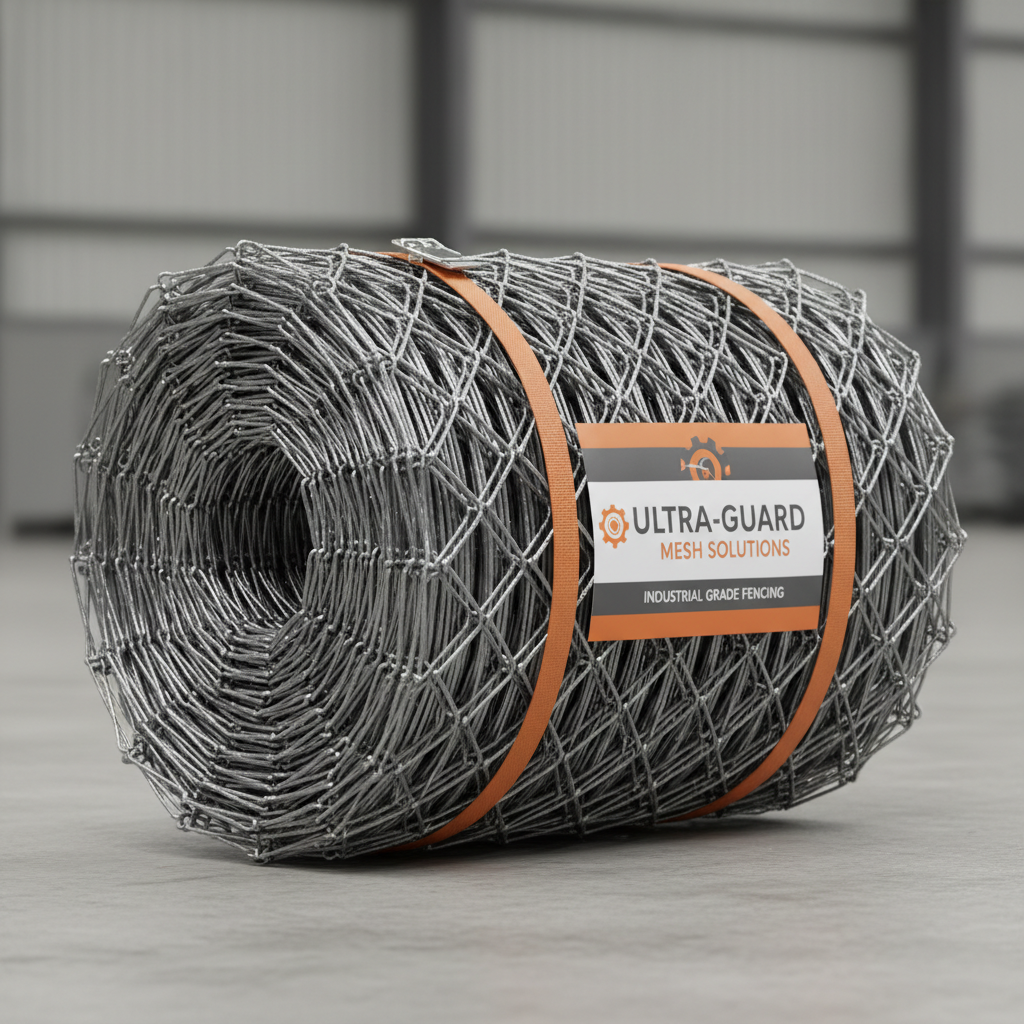
Understanding the Benefits of Fence Mesh Rolls
Fence mesh rolls offer several advantages over traditional fencing materials. They are lightweight, making installation quicker and easier, reducing labor costs. They're also highly adaptable to various terrains and fence configurations. Crucially, they provide excellent visibility, which can be important for security and aesthetic considerations. Unlike solid fences, mesh allows for airflow, reducing wind resistance and potentially mitigating damage during severe weather. Furthermore, modern mesh rolls are often coated with materials that enhance durability and resistance to corrosion, extending their lifespan.
Key Benefits: Lightweight, adaptable, excellent visibility, wind resistance, and corrosion protection.
Types of Fence Mesh Roll Available
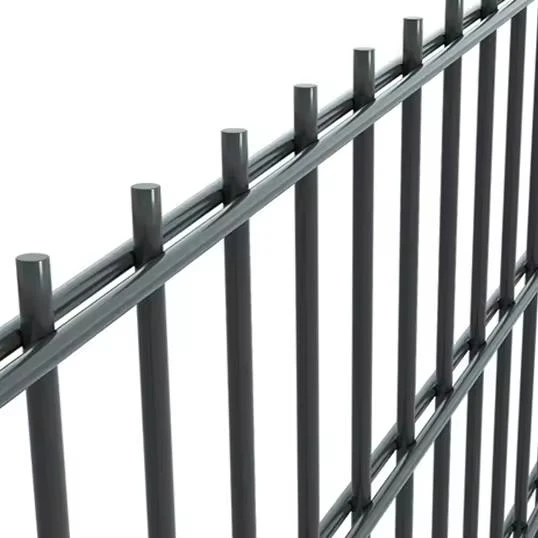
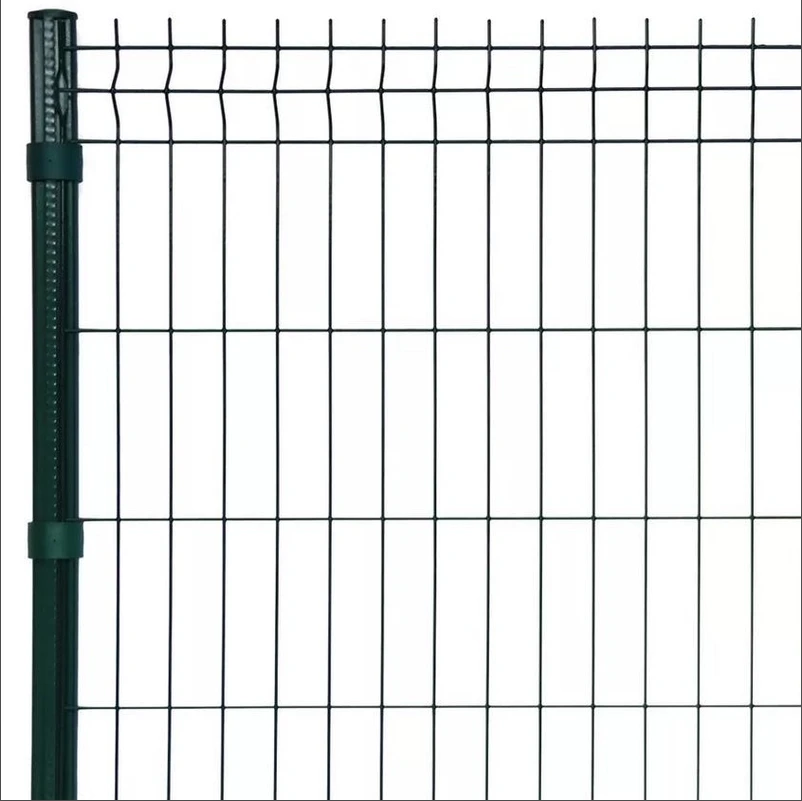
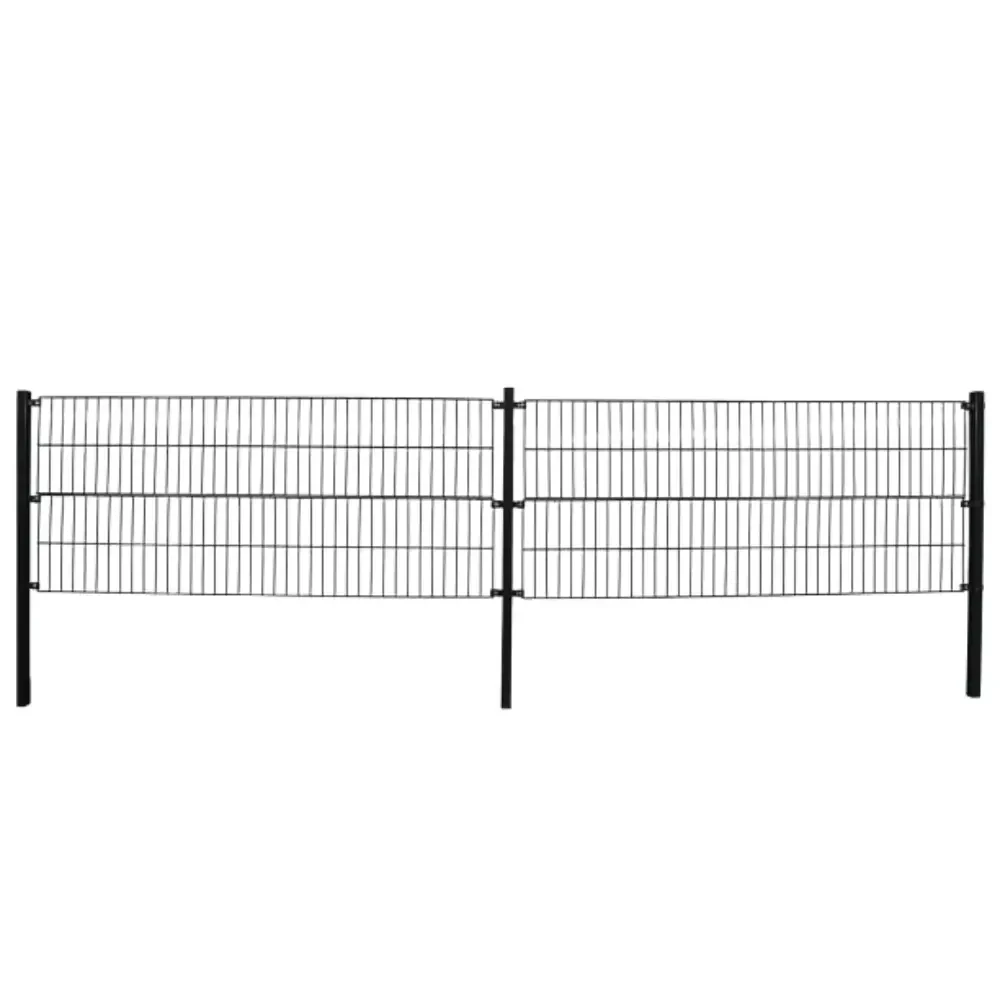
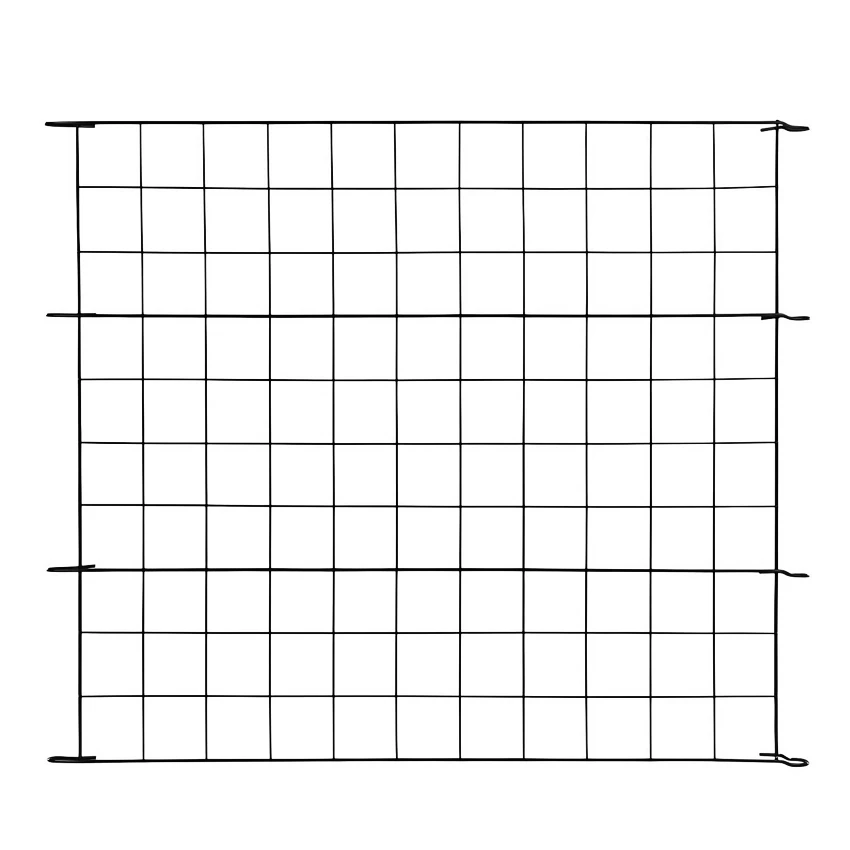
A variety of fence mesh rolls are available, each suited to different applications. Chain link fence mesh is the most common, known for its strength and affordability. Welded wire mesh offers a more rigid structure, ideal for animal containment or security applications. Hexagonal wire mesh (chicken wire) is a lighter-duty option often used for gardening or poultry enclosures. PVC-coated mesh provides enhanced durability and weather resistance. Finally, stainless steel mesh offers superior corrosion resistance, perfect for marine environments. The choice depends on your specific security requirements, the environment, and your budget.
Mesh Roll Types:
• Chain Link Fence Mesh
• Welded Wire Mesh
• Hexagonal Wire Mesh (Chicken Wire)
• PVC-Coated Mesh
• Stainless Steel Mesh
Choosing the Right Fence Mesh Roll: A Comparison
Selecting the appropriate fence mesh roll requires careful consideration of several factors. Strength, durability, aperture size (the size of the openings in the mesh), and coating type all play a crucial role. Here's a comparison to help you decide:
Common Applications of Fence Mesh Roll
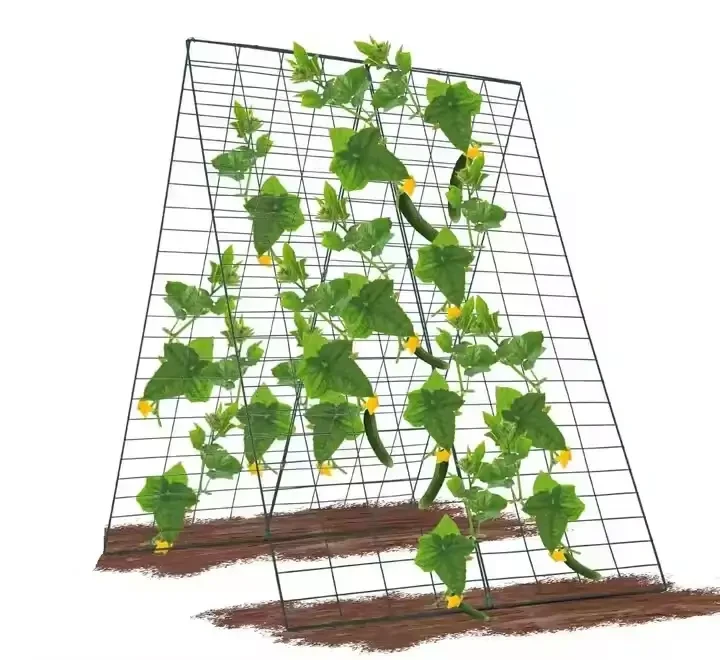
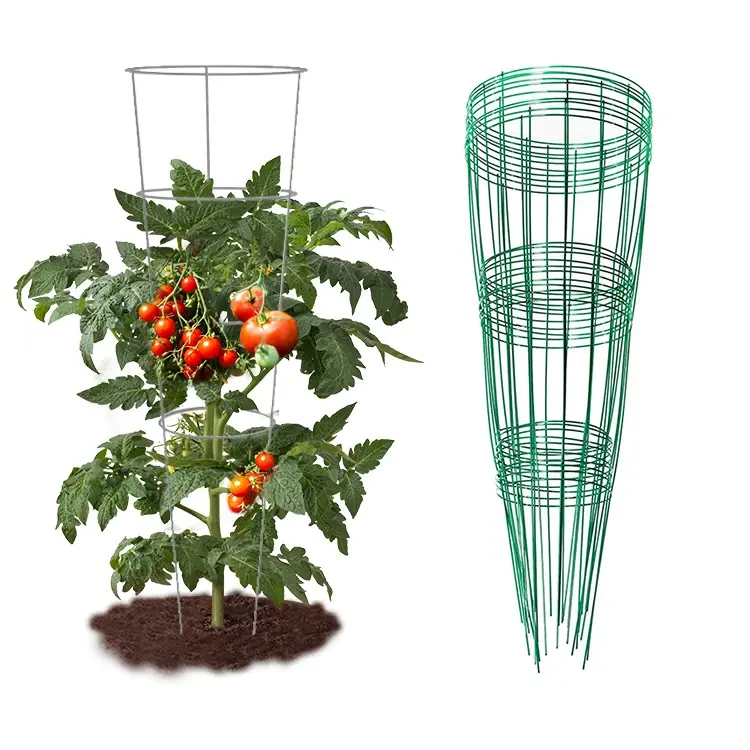
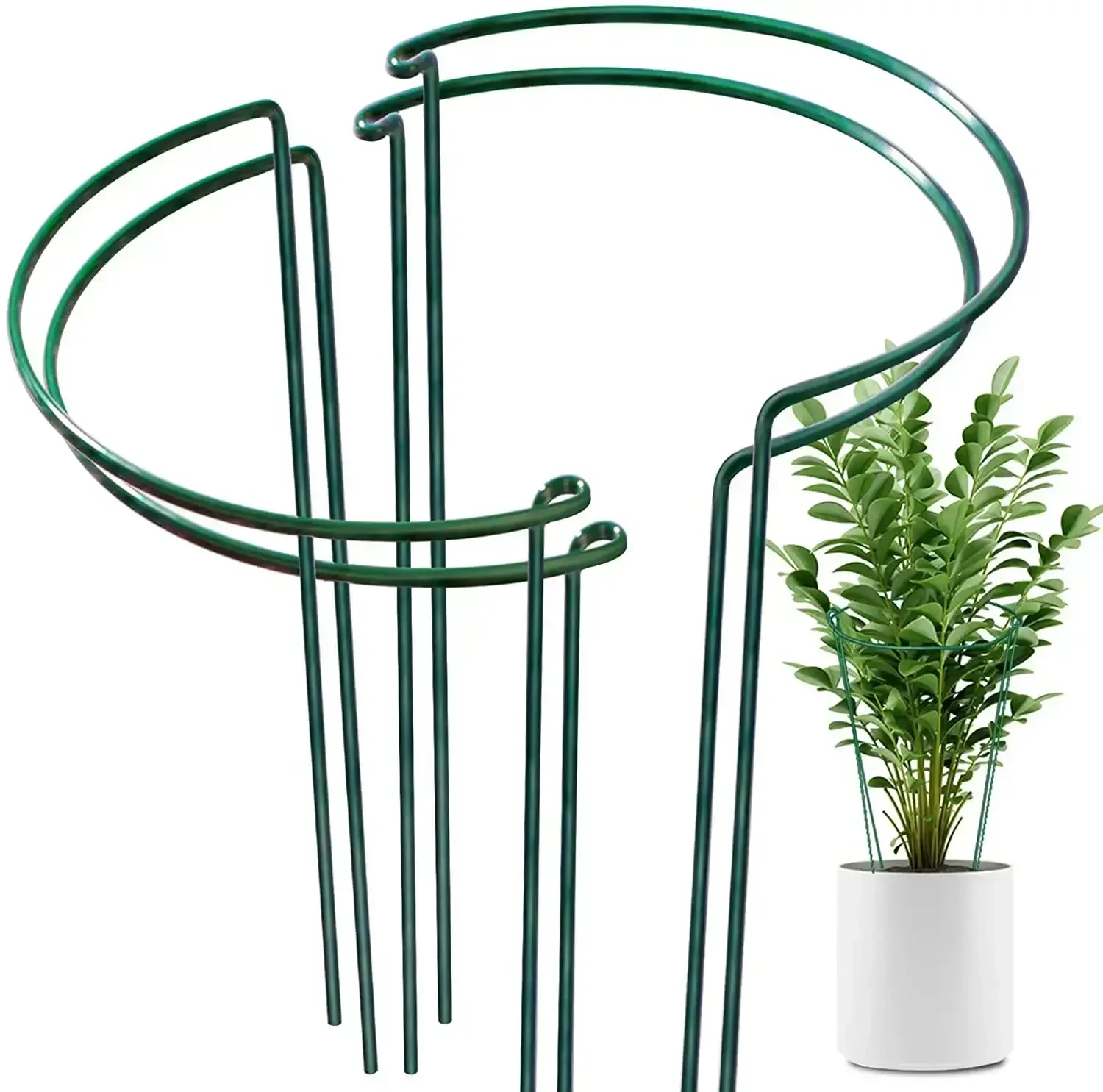
The versatility of fence mesh rolls lends itself to a wide array of applications. These include securing residential properties, containing livestock on farms, creating safe enclosures for pets, defining boundaries in industrial areas, and providing perimeter security for construction sites. They are also frequently used in gardening for plant support and protection. The availability of different mesh sizes and materials allows for customization to meet specific needs, from preventing small animals from entering a garden to creating a high-security barrier.
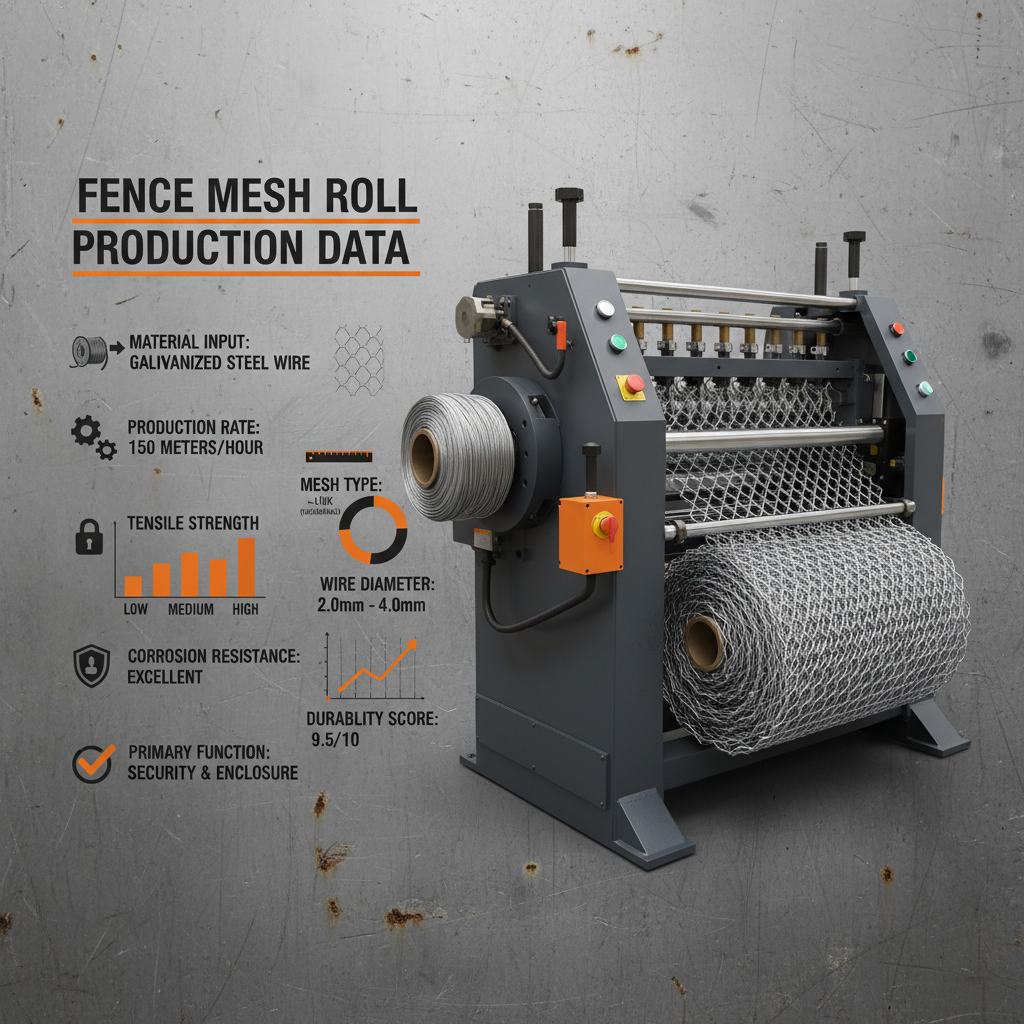
Specifications and Considerations When Purchasing
When selecting a fence mesh roll, consider the following specifications. Mesh gauge (wire thickness), roll height, and roll length are key factors. Pay attention to the coating type, such as galvanized, PVC, or stainless steel, to ensure adequate corrosion resistance for your environment. Also, verify that the mesh meets any relevant industry standards or regulations. Finally, calculate the total amount of mesh needed for your project, accounting for post spacing and any necessary overlaps.
Conclusion: Securing Your Boundaries with Quality Mesh
Choosing the right fence mesh roll is a vital step in creating a secure and functional perimeter. By carefully considering your needs, the available options, and the specifications, you can ensure a long-lasting and effective fencing solution. Peiling Tech offers a comprehensive range of high-quality fence mesh rolls to meet diverse requirements. Don't compromise on security – choose a reliable solution.
Frequently Asked Questions (FAQs)
How do I determine the correct height of the fence mesh roll?
The appropriate height depends on the intended purpose. For general perimeter security, a height of 4-6 feet is typically sufficient. If you're containing larger animals, or require a higher level of security, you may need to consider 8-10 feet. Factor in the terrain; undulating ground might necessitate a slightly taller roll to maintain consistent coverage. Consider any local regulations regarding fence height restrictions before making a purchase. Remember, it's always better to slightly overestimate the height than to underestimate it.
What is the difference between galvanized and PVC-coated mesh?
Galvanized mesh is coated with a layer of zinc to protect against rust and corrosion. This is a cost-effective option for moderate climates. However, the zinc coating can eventually wear away over time. PVC-coated mesh has an additional layer of PVC plastic over the galvanized coating, providing superior protection against the elements and extending the lifespan of the mesh. While more expensive, PVC-coated mesh is ideal for harsh environments, such as coastal areas or industrial settings.
How do I install fence mesh roll?
Installation typically involves stretching the mesh tightly between fence posts, securing it with tension wires, and using appropriate fasteners (hog rings, tie wires, or clips). Proper tensioning is crucial to prevent sagging and ensure the fence remains secure. It's recommended to use a fence stretcher tool for this purpose. Always follow the manufacturer's instructions and wear appropriate safety gear, including gloves and eye protection. For larger projects, consider consulting a professional fence installer.
How can I prevent rust on my fence mesh roll?
Choosing a galvanized or PVC-coated mesh roll is the first step in preventing rust. Regularly inspect the fence for any signs of corrosion. If rust appears, clean the affected area and apply a rust-inhibiting primer and paint. Avoid using harsh chemicals or abrasive cleaners, as these can damage the protective coating. Proper maintenance will significantly extend the lifespan of your fence.
-
Complete Guide to Choosing a Durable 4 foot wire fence rollNewsApr.16,2026
-
Guide to Choosing the Best Square Wire Fencing Roll for SecurityNewsApr.16,2026
-
High Quality Steel Welded Wire Rolled Fencing for Secure BoundariesNewsApr.16,2026
-
High Quality Black Fence Roll for Secure and Discreet PerimeterNewsApr.16,2026
-
Ultimate Guide to Temporary Fence Roll for Site Security and SafetyNewsApr.16,2026
-
High Quality Garden Mesh Roll Guide for Protecting Green SpaceNewsApr.09,2026