-

-
 Whatsapp:+86 17732187393
 -


Comprehensive Guide to Selecting the Right 6 Foot Wire Fence Roll
Choosing the Right 6 Foot Wire Fence Roll for Your Needs
When securing your property or livestock, a reliable fence is paramount. A 6 foot wire fence roll offers a versatile and cost-effective solution. This article will explore the benefits, types, installation considerations, and common applications of 6 foot wire fencing, providing a comprehensive guide for homeowners, farmers, and contractors. Properly selecting and installing your fence can provide years of security and peace of mind. Peiling Tech offers a wide range of high-quality wire fencing options.
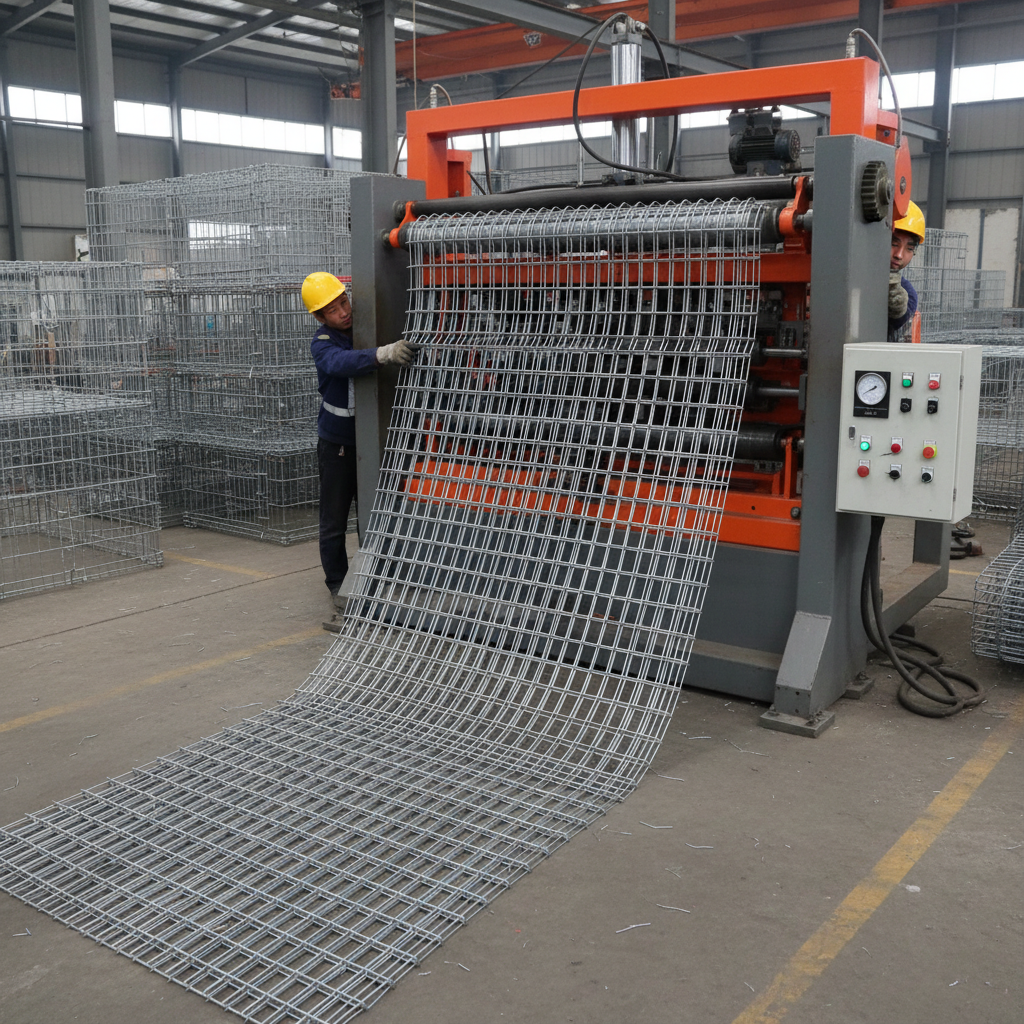
Understanding the Benefits of a 6 Foot Wire Fence Roll
A 6 foot wire fence roll provides several advantages over other fencing materials. Wire fencing is generally more affordable than wood or vinyl, making it a budget-friendly choice for large areas. It's also relatively lightweight and easy to install, saving time and labor costs. Furthermore, wire fencing requires minimal maintenance – it doesn't need painting, staining, or regular repairs like wood fences. The open weave design allows for good visibility and airflow, making it suitable for agricultural applications. And with the right wire gauge and coating, a wire fence can provide lasting protection against animals and intruders.
Types of 6 Foot Wire Fence Rolls Available
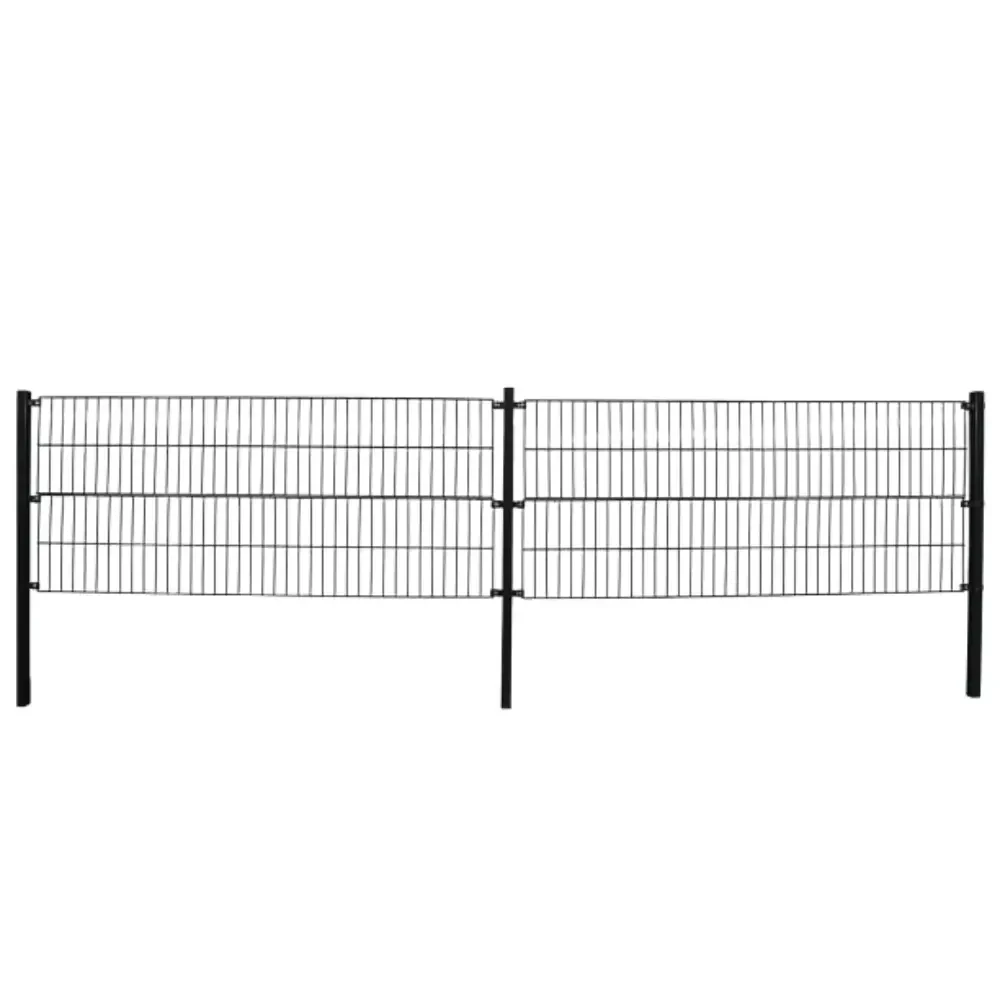
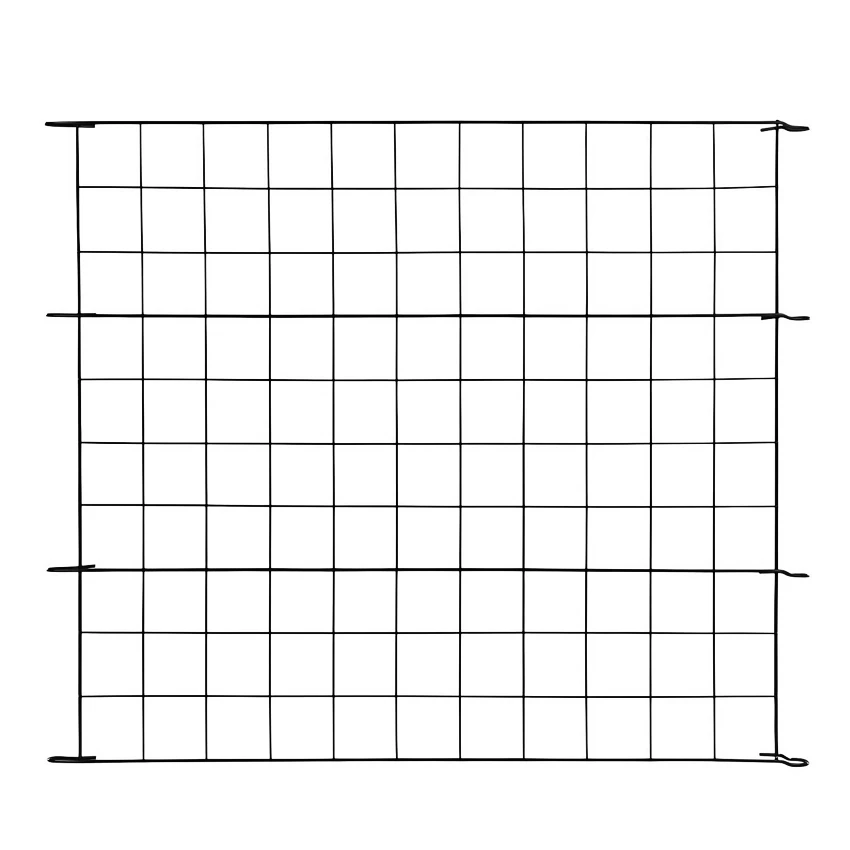
Several types of 6 foot wire fence rolls are available, each suited to different applications. Woven wire fencing, often called field fencing, is a popular choice for containing livestock. It features a series of horizontal and vertical wires woven together, creating a strong and durable barrier. Chain link fencing provides excellent security and is commonly used for residential and commercial properties. Barbed wire fencing offers an added deterrent against intruders and is often used in agricultural settings. Finally, welded wire fencing provides a rigid and uniform structure, ideal for animal enclosures and garden fencing. Selecting the right type depends on your specific needs and budget. Peiling Tech provides all of these options.
Key Highlights: Choosing the correct type of wire fence is vital. Woven wire is strong for livestock, chain link provides security, barbed wire offers a deterrent, and welded wire is rigid and uniform.
Comparing Common 6 Foot Wire Fence Options
Understanding the differences between common 6 foot wire fence options is crucial for making the right decision. Consider the animal you're containing, the level of security needed, and the overall aesthetics. The table below compares the key features of woven wire, chain link, and barbed wire fencing.
Installation Considerations for a 6 Foot Wire Fence Roll
Proper installation is key to a long-lasting and effective fence. Start by carefully planning the fence line and marking the post locations. Use sturdy posts – wood, metal, or fiberglass – spaced appropriately for the type of wire fencing you've chosen. Dig post holes deep enough to provide adequate support and set the posts in concrete for added stability. Use a wire stretcher to ensure the wire is taut and properly tensioned. Secure the wire to the posts with staples, clips, or tie wires. Finally, consider adding a top rail for extra support, especially for heavier wire gauges. Peiling Tech can provide guidance on proper installation techniques.
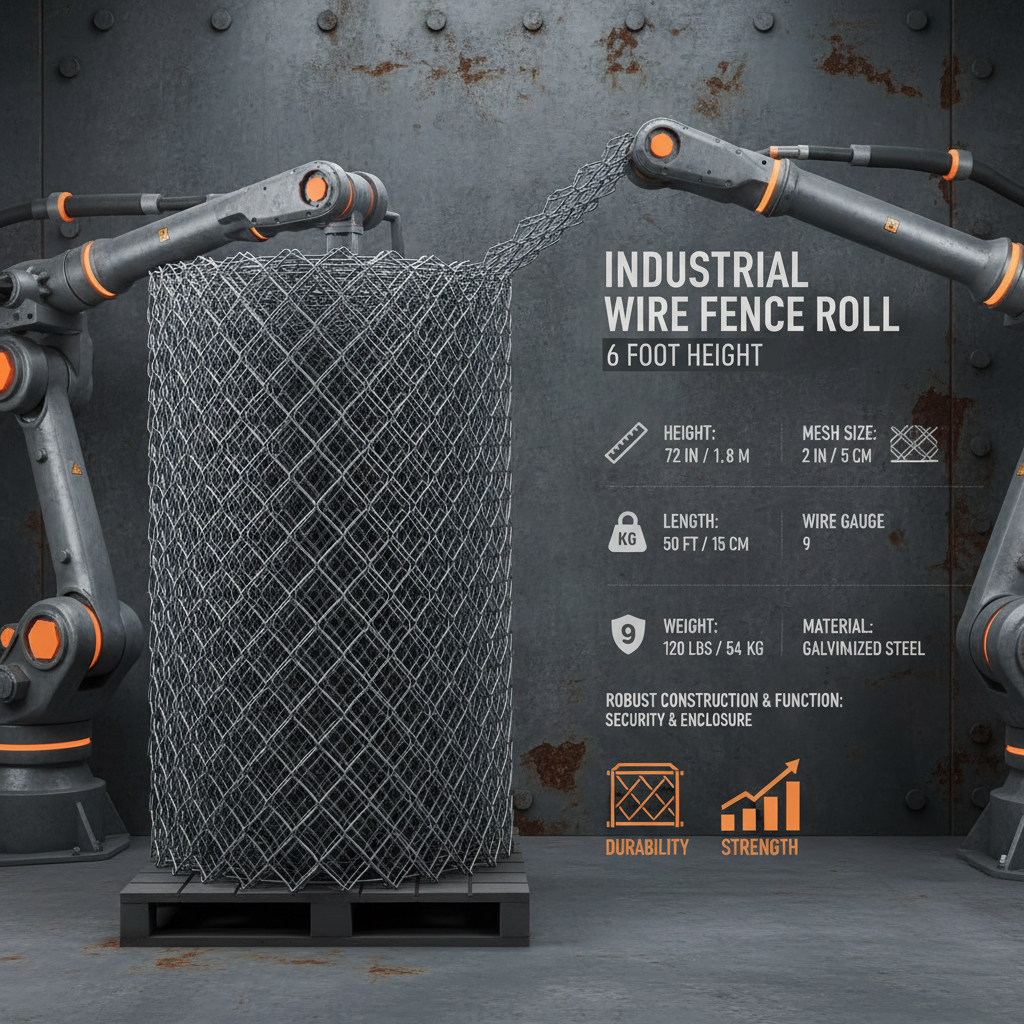
Common Applications of 6 Foot Wire Fencing
6 foot wire fencing is incredibly versatile and has numerous applications. It's commonly used to enclose pastures and farms for livestock containment, creating secure boundaries for horses, cattle, sheep, and goats. Residential homeowners use it for pet enclosures, garden protection, and property boundary definition. Commercial properties utilize it for security perimeters and access control. It's also frequently used in agricultural settings for crop protection and erosion control. The adaptability of a 6 foot wire fence roll makes it a valuable asset for a wide range of needs.
Conclusion: Investing in a Reliable Fence with Peiling Tech
Choosing the right 6 foot wire fence roll is a significant investment in the security and functionality of your property. Peiling Tech offers a wide selection of high-quality wire fencing options, along with expert advice and support. By carefully considering your needs and selecting the appropriate materials, you can enjoy a durable, reliable, and aesthetically pleasing fence for years to come.
Frequently Asked Questions (FAQs)
What wire gauge should I choose for my fence?
The appropriate wire gauge depends on the animals you're containing and the level of security needed. For small animals like chickens or rabbits, a lighter gauge wire (14-16 gauge) is sufficient. For larger livestock like cattle or horses, a heavier gauge wire (12-14 gauge) is recommended. If security is a primary concern, consider using a heavier gauge wire or adding barbed wire. The higher the gauge number, the thinner the wire. Consult with Peiling Tech for specific recommendations based on your application.
How often should I inspect my wire fence?
Regular inspection is crucial for maintaining the integrity of your fence. Inspect your fence at least twice a year, preferably in the spring and fall. Look for broken wires, loose staples, damaged posts, and signs of corrosion. Address any issues promptly to prevent further damage and ensure the fence remains effective. Early detection of problems can save you time and money in the long run.
Can I install a 6 foot wire fence myself?
Yes, many homeowners can install a 6 foot wire fence themselves, but it requires some physical labor and basic fencing skills. However, for larger or more complex projects, it's often best to hire a professional fence installer. They have the experience, tools, and expertise to ensure the fence is installed correctly and securely. Peiling Tech can recommend local installers.
What is the best way to prevent corrosion on my wire fence?
Corrosion can weaken your wire fence over time. Choosing galvanized or vinyl-coated wire can significantly reduce the risk of corrosion. Avoid using dissimilar metals in contact with each other, as this can accelerate corrosion. Regularly inspect the fence for signs of rust and apply a corrosion inhibitor if necessary. Keeping the area around the fence clear of vegetation can also help to reduce moisture and prevent corrosion.
-
Complete Guide to Choosing a Durable 4 foot wire fence rollNewsApr.16,2026
-
Guide to Choosing the Best Square Wire Fencing Roll for SecurityNewsApr.16,2026
-
High Quality Steel Welded Wire Rolled Fencing for Secure BoundariesNewsApr.16,2026
-
High Quality Black Fence Roll for Secure and Discreet PerimeterNewsApr.16,2026
-
Ultimate Guide to Temporary Fence Roll for Site Security and SafetyNewsApr.16,2026
-
High Quality Garden Mesh Roll Guide for Protecting Green SpaceNewsApr.09,2026