-

-
 Whatsapp:+86 17732187393
 -


Comprehensive Guide to Welded Wire Mesh Rolls and Their Diverse Applications
Understanding Welded Wire Mesh Rolls: A Comprehensive Guide
Welded wire mesh rolls are a versatile and cost-effective solution for a wide range of applications, from agricultural fencing to industrial security. Their robust construction and ease of installation make them a popular choice for projects requiring durable and reliable containment. This article delves into the details of welded wire mesh rolls, covering their types, applications, materials, and key considerations when making a purchase. Choosing the right mesh roll is crucial for ensuring your project's success and longevity.
What are Welded Wire Mesh Rolls?
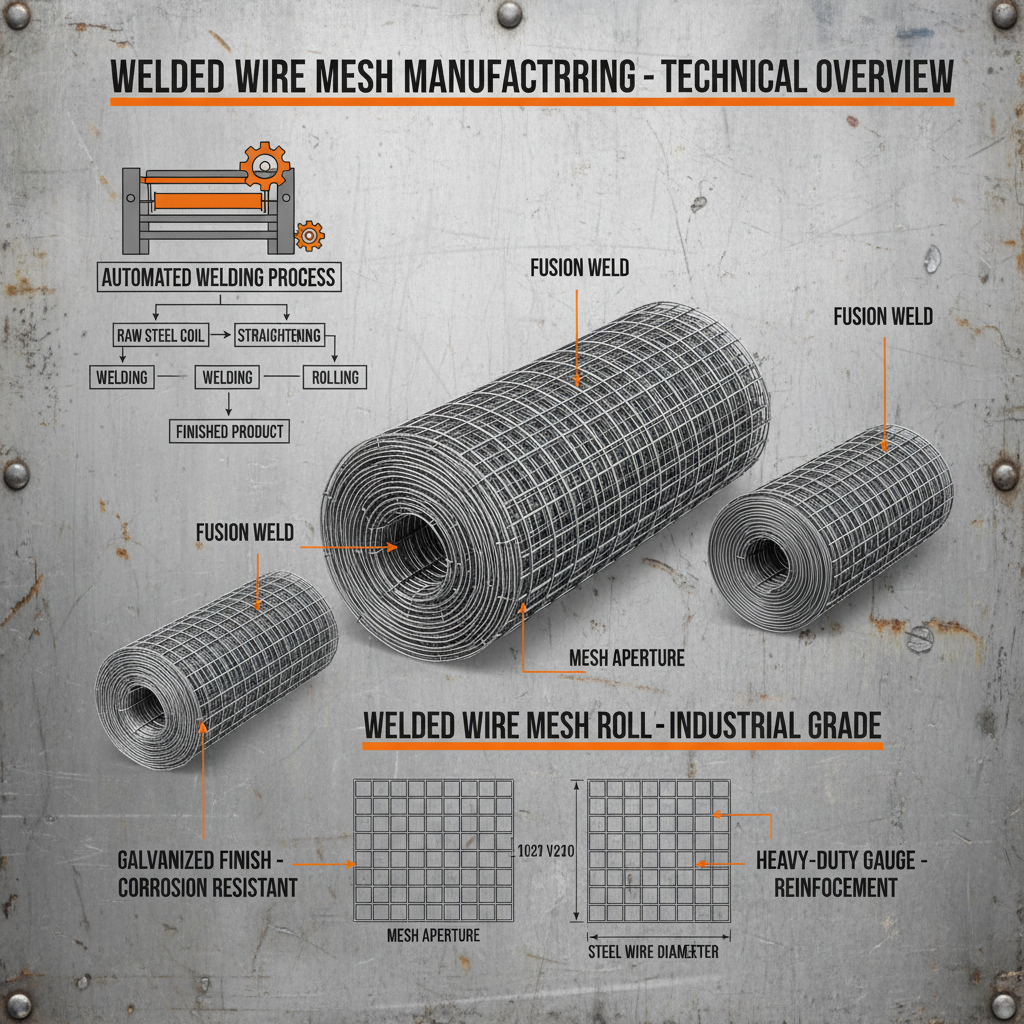
Welded wire mesh rolls are constructed by welding pre-formed wire at each intersection, creating a strong and rigid grid. This process results in a uniform mesh size and a durable product capable of withstanding significant stress. They are typically supplied in rolls for convenient transportation and installation. The rolls can be easily unrolled and cut to the desired length, minimizing waste and simplifying the fencing or enclosure process. Available in varying wire gauges, aperture sizes, and roll heights, there’s a welded wire mesh solution to fit almost any need.
Key Highlights: Constructed with welded intersections for strength and rigidity. Supplied in convenient rolls for easy handling and installation. Available in diverse configurations to match specific project needs.
Common Applications of Welded Wire Mesh Rolls
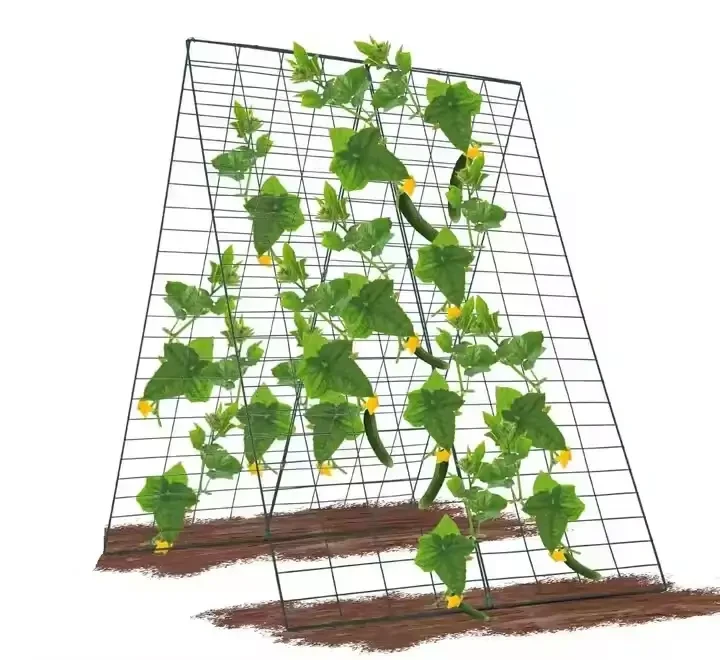
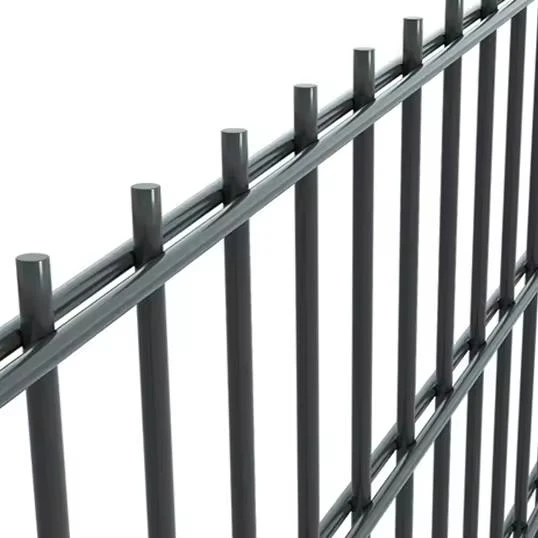
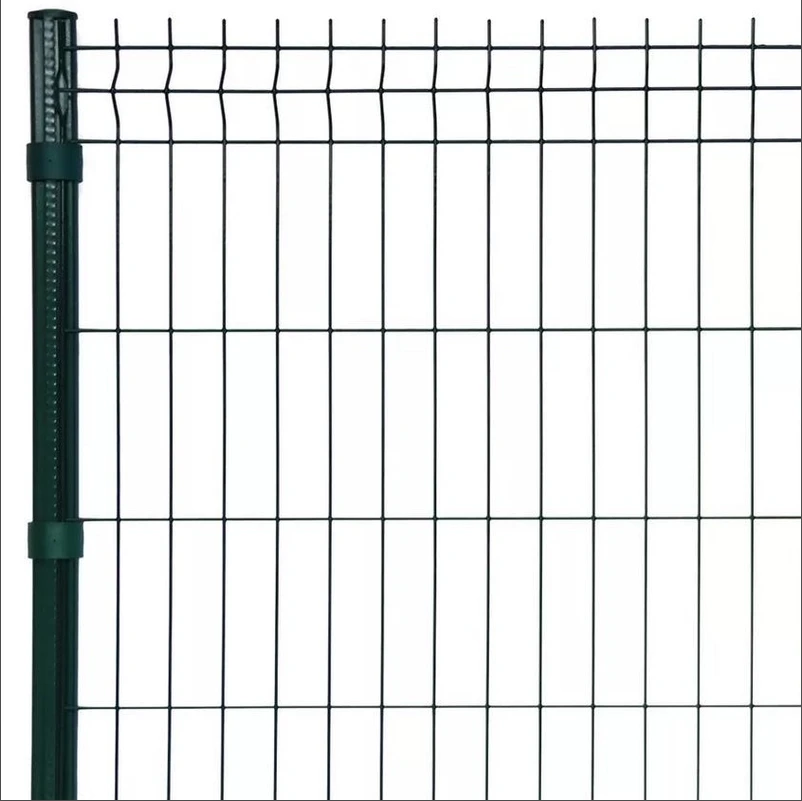
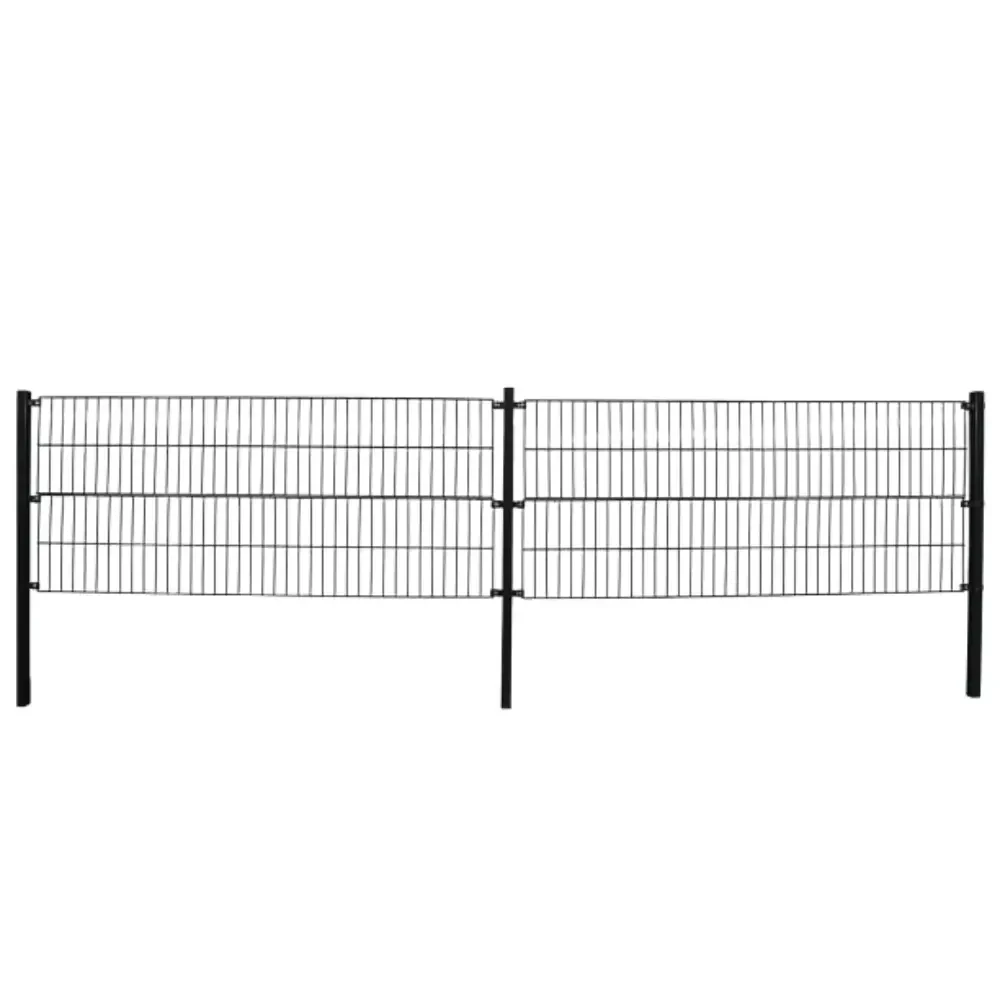
The versatility of welded wire mesh rolls lends itself to a diverse range of applications. In agriculture, they're widely used for livestock fencing, poultry enclosures, and protecting crops from pests. In construction, they serve as reinforcement for concrete, safety netting, and temporary barriers. Industrial applications include machine guarding, security fencing, and warehouse partitions. Furthermore, they are frequently used in residential settings for garden fencing, pet enclosures, and decorative elements.
Application Areas:
• Agriculture: Livestock fencing, poultry cages, crop protection
• Construction: Concrete reinforcement, safety barriers
• Industrial: Machine guards, security enclosures
• Residential: Garden fences, pet containment
Choosing the Right Wire Gauge and Aperture Size
Selecting the appropriate wire gauge (thickness) and aperture size (opening dimensions) is critical for the performance of your welded wire mesh. Heavier gauge wire provides greater strength and durability, making it suitable for applications requiring high tensile strength, such as containing large animals or providing robust security. Smaller aperture sizes offer increased containment, preventing smaller animals from escaping or unauthorized access. Consider the specific requirements of your project to determine the optimal combination. Peilingtech offers a variety of options to meet your needs.
Material Options: Galvanized Steel, Stainless Steel, and PVC Coated
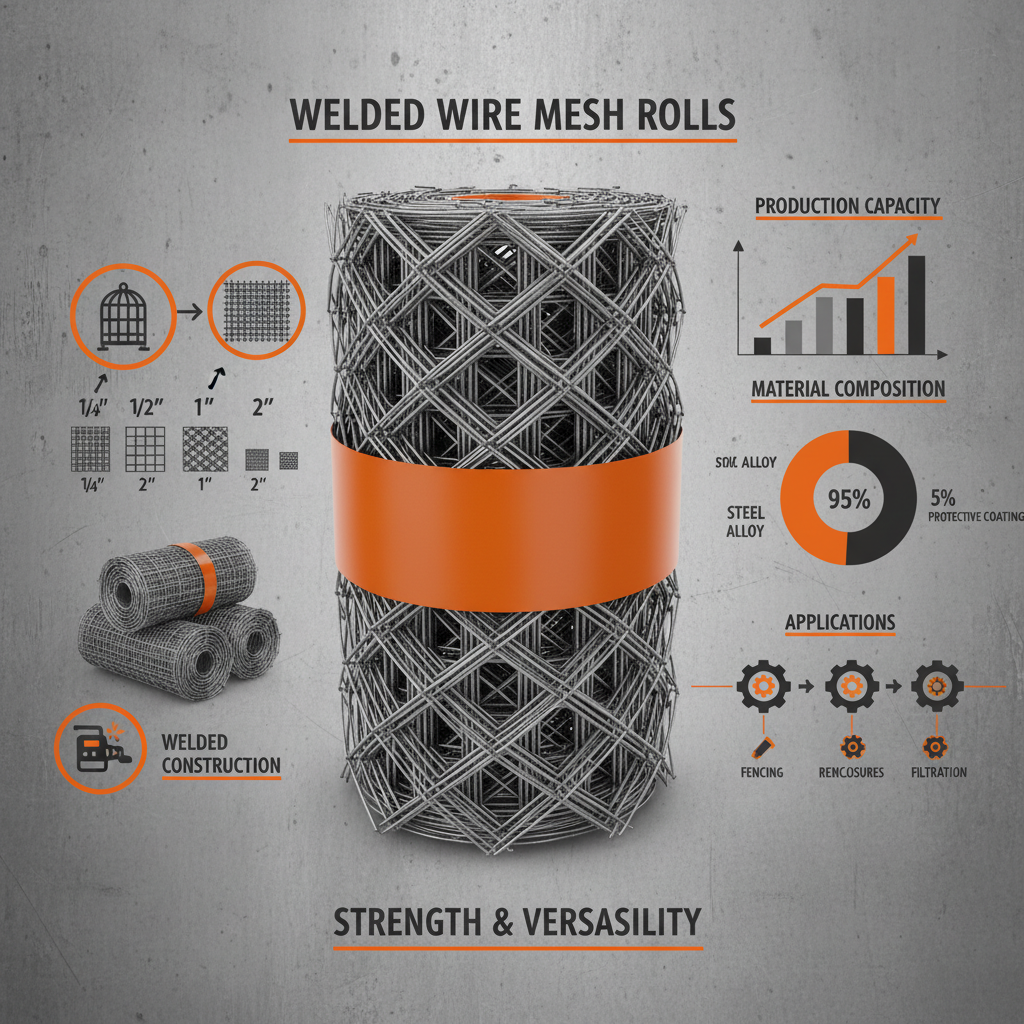
Welded wire mesh rolls are commonly available in three primary materials: galvanized steel, stainless steel, and PVC coated steel. Galvanized steel offers a cost-effective solution with moderate corrosion resistance. Stainless steel provides superior corrosion resistance, making it ideal for harsh environments or applications requiring long-term durability. PVC coated steel combines the strength of steel with the added protection of a PVC coating, offering excellent corrosion resistance and a visually appealing finish. The choice of material depends on the environmental conditions and the desired lifespan of the fencing or enclosure.
Key Considerations When Purchasing
Before purchasing welded wire mesh rolls, consider factors such as the intended application, the required strength and durability, the environmental conditions, and your budget. Ensure the mesh roll meets relevant industry standards and certifications. Check the reputation of the supplier and request samples to assess the quality of the product. Accurate measurement of the area to be enclosed is crucial for determining the necessary roll length and height. For high-quality welded wire mesh rolls, contact Peilingtech today.
Conclusion: Choosing the Right Welded Wire Mesh for Your Project
Selecting the correct welded wire mesh roll is a significant step in ensuring the success and longevity of your project. By carefully considering the application, material, and specifications, you can invest in a solution that provides reliable performance and lasting value. Peilingtech is committed to providing high-quality welded wire mesh products and expert guidance to help you make the best choice for your needs.
Frequently Asked Questions (FAQs)
What is the typical lifespan of welded wire mesh?
The lifespan of welded wire mesh varies greatly depending on the material and environmental conditions. Galvanized steel typically lasts 10-20 years, while stainless steel can last for decades. PVC-coated mesh also offers extended durability. Factors such as exposure to salt water, harsh chemicals, and UV radiation can accelerate corrosion and reduce lifespan. Regular inspection and maintenance, such as cleaning and re-coating, can help extend the life of your mesh. Proper installation and avoiding tension or stress on the mesh also contribute to longevity.
How do I install welded wire mesh rolls?
Installation typically involves stretching the roll taut and securing it to support posts using wire ties, staples, or clips. Ensure posts are properly spaced and securely anchored in the ground. Overlap the ends of the mesh by at least one full mesh square and securely fasten them together. For longer runs, consider using tension wires to maintain consistent tension. Always wear appropriate safety gear, including gloves and eye protection, during installation. Detailed installation guides are often available from the manufacturer or supplier.
Can welded wire mesh be cut to size?
Yes, welded wire mesh can be easily cut to size using wire cutters or bolt cutters. However, it’s important to wear gloves and eye protection during the cutting process. After cutting, the exposed wire ends may be sharp, so consider bending or capping them for safety. Precise measurements are crucial for a clean and professional installation.
Are there different types of mesh patterns available?
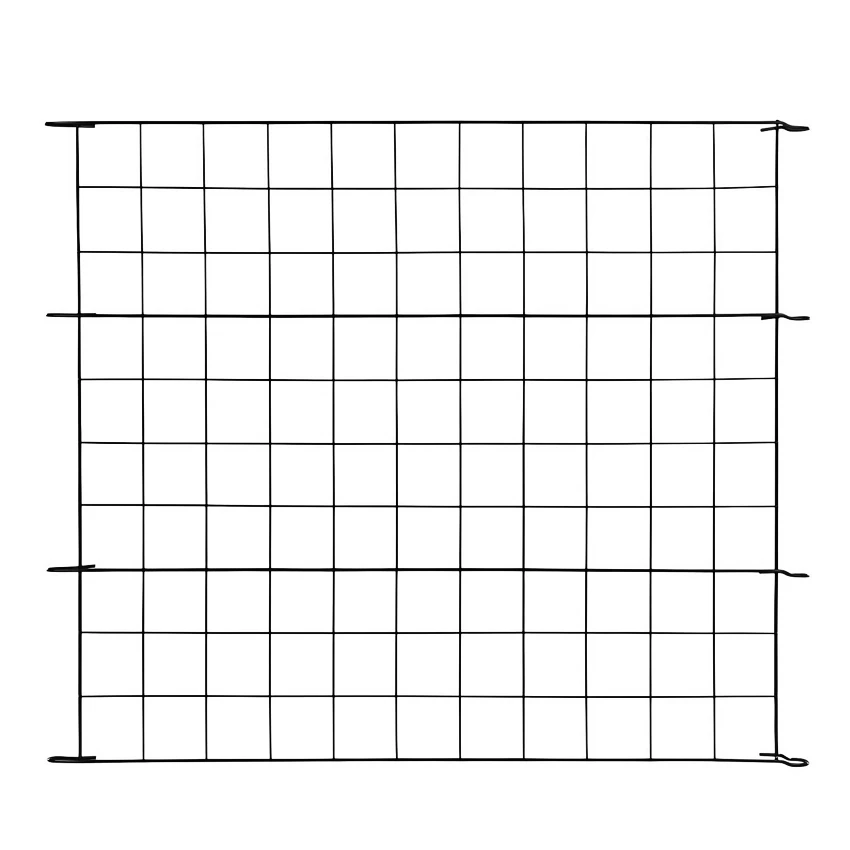
Yes, welded wire mesh comes in various patterns, including square, rectangular, and hexagonal. Square mesh is the most common and versatile, while rectangular mesh is often used for animal containment where flexibility is needed. The choice of pattern depends on the specific application and desired level of containment or support.
-
Complete Guide to Choosing a Durable 4 foot wire fence rollNewsApr.16,2026
-
Guide to Choosing the Best Square Wire Fencing Roll for SecurityNewsApr.16,2026
-
High Quality Steel Welded Wire Rolled Fencing for Secure BoundariesNewsApr.16,2026
-
High Quality Black Fence Roll for Secure and Discreet PerimeterNewsApr.16,2026
-
Ultimate Guide to Temporary Fence Roll for Site Security and SafetyNewsApr.16,2026
-
High Quality Garden Mesh Roll Guide for Protecting Green SpaceNewsApr.09,2026