-

-
 Whatsapp:+86 17732187393
 -


Comprehensive Guide to Wire Fence Roll 5ft for Versatile Fencing Solutions
Choosing the Right Wire Fence Roll 5ft for Your Needs
When undertaking agricultural, livestock, or security fencing projects, selecting the appropriate wire fence roll 5ft is crucial. The right fencing material ensures durability, security, and long-term value. This comprehensive guide explores the various types of wire fence rolls, their applications, key considerations for purchase, and how to choose the best option for your specific requirements. Investing in quality fencing protects your assets and provides peace of mind.
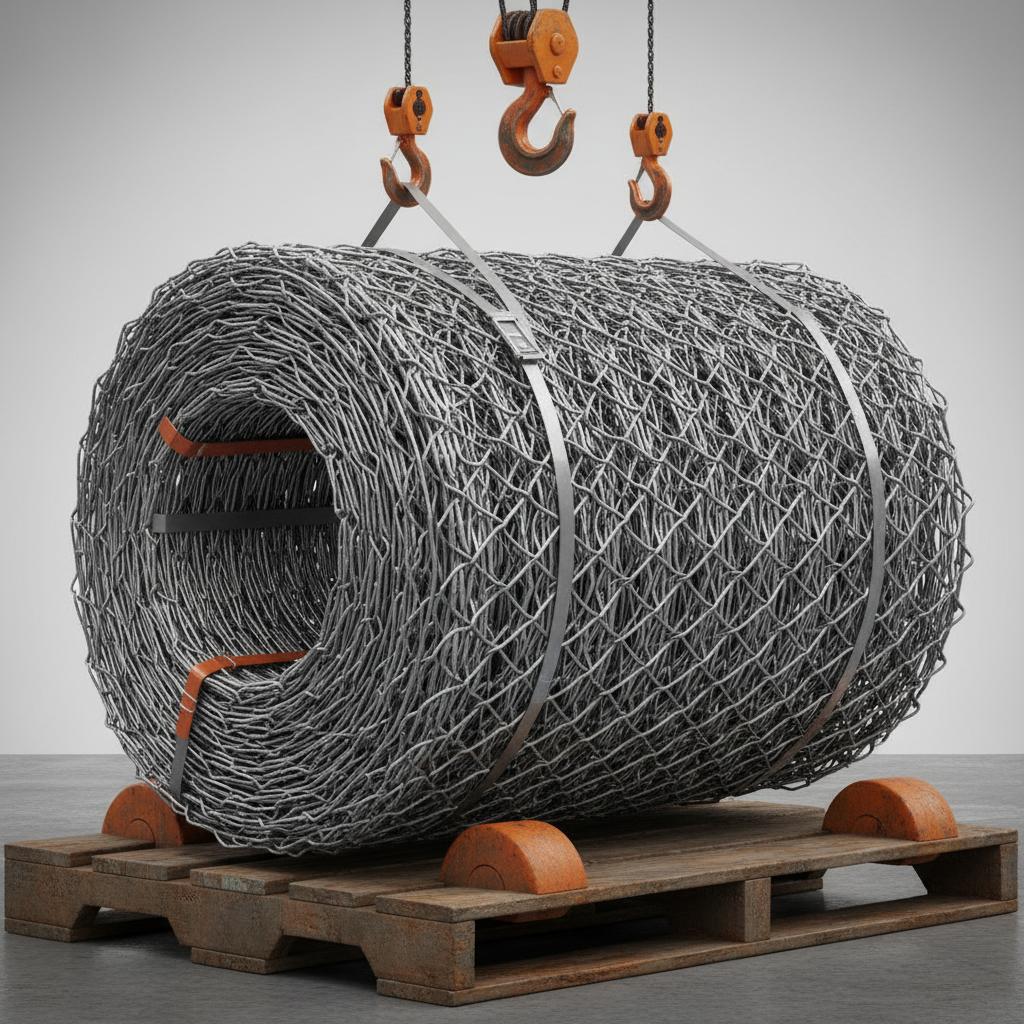
Understanding Different Types of Wire Fence Roll 5ft
There’s a diverse range of wire fence roll 5ft available, each designed for specific applications. These include woven wire fencing, barbed wire, chain link fencing, and field fence. Woven wire fencing, known for its durability, is ideal for containing livestock. Barbed wire offers a strong deterrent for intruders and is commonly used in agricultural settings. Chain link fencing provides robust security and is often used for residential and commercial properties. Field fence is a versatile option suitable for various animal containment needs. Understanding these differences is key to making an informed decision. Selecting the appropriate type will maximize the fence’s effectiveness and longevity.
Key Takeaway: Different wire fence types cater to distinct needs, from livestock containment to security applications. Considering your specific requirements is essential.
Key Considerations When Choosing a Wire Fence Roll 5ft
Several factors influence the optimal choice of a wire fence roll 5ft. The type of animal or security threat you’re addressing is paramount. The terrain and climate also play a role; for example, heavier-gauge wire is needed for areas prone to extreme weather. Consider the height and length of the roll needed to minimize waste and installation time. Furthermore, the wire’s coating (galvanized, PVC-coated, etc.) impacts its resistance to corrosion and longevity. Careful evaluation of these factors will lead to a cost-effective and durable fencing solution. Prioritize quality and long-term performance over the initial cost.
Important Factors to Consider:
• Animal or Security Type
• Terrain and Climate
• Height and Length Requirements
• Wire Coating and Corrosion Resistance
Wire Fence Roll 5ft: A Comparison of Common Types
Understanding the strengths and weaknesses of different fence types can significantly influence your decision. Below is a comparison chart to aid in your selection process. Each option presents a trade-off between cost, durability, and security. Choosing the best fit requires careful consideration of your priorities and the specific demands of your project.
Choosing PeilingTech for Your Wire Fence Roll 5ft Needs
PeilingTech offers a wide selection of high-quality wire fence roll 5ft, catering to various applications. We pride ourselves on providing durable, reliable, and cost-effective fencing solutions. Our expert team can assist you in selecting the right type of wire fence for your specific needs, ensuring optimal performance and longevity. We are committed to exceptional customer service and timely delivery. With PeilingTech, you can rest assured you’re receiving a superior product and dedicated support.
Product Specifications & Available Options
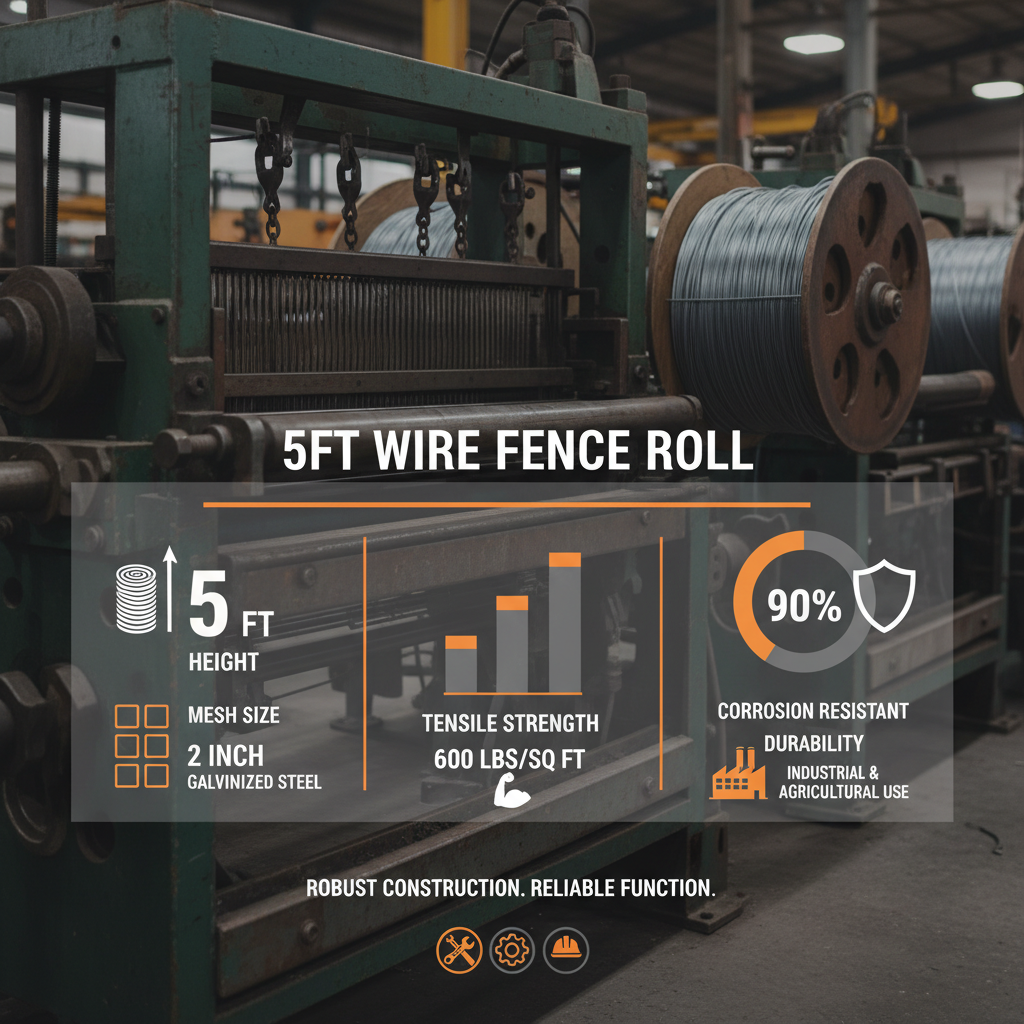
Below are some of the common specifications of our wire fence roll 5ft products. We can also customize to meet your project’s unique requirements.
Conclusion: Invest in Quality Fencing with PeilingTech
Choosing the right wire fence roll 5ft is an investment in security, durability, and peace of mind. PeilingTech provides a comprehensive range of high-quality fencing solutions to meet your specific needs. Contact us today to discuss your project and receive a customized quote. Don't compromise on quality – choose PeilingTech for a lasting fencing solution.
Frequently Asked Questions (FAQs)
What is the recommended post spacing for a 5ft wire fence roll?
Post spacing generally ranges from 8 to 12 feet, depending on the terrain and the type of wire fence used. For uneven ground or heavier-gauge wire, closer spacing is recommended to maintain fence stability. Proper post spacing is critical for preventing sagging and ensuring the fence’s longevity. Consult with a fencing professional or refer to manufacturer guidelines for specific recommendations tailored to your project. Using high-quality posts and proper installation techniques is also vital for overall fence performance.
How do I prevent rust on galvanized wire fencing?
While galvanized wire offers good corrosion resistance, rust can still develop over time, particularly in harsh environments. Regularly inspect the fence for signs of rust and address them promptly. Applying a protective coating, such as zinc-rich paint, can significantly extend the fence’s lifespan. Avoid contact with acidic substances and ensure proper drainage around the fence line. Consider using PVC-coated wire for enhanced rust protection in coastal or highly corrosive environments.
What is the difference between Class 1 and Class 3 barbed wire?
Class 1 barbed wire has two strands of barb, while Class 3 has four strands of barb. Class 3 is more effective as a deterrent and provides a greater level of security, but it's also more expensive. The choice between the two depends on the level of security required and the specific application. Class 1 is often sufficient for general agricultural purposes, while Class 3 is commonly used in high-security applications.
-
Complete Guide to Choosing a Durable 4 foot wire fence rollNewsApr.16,2026
-
Guide to Choosing the Best Square Wire Fencing Roll for SecurityNewsApr.16,2026
-
High Quality Steel Welded Wire Rolled Fencing for Secure BoundariesNewsApr.16,2026
-
High Quality Black Fence Roll for Secure and Discreet PerimeterNewsApr.16,2026
-
Ultimate Guide to Temporary Fence Roll for Site Security and SafetyNewsApr.16,2026
-
High Quality Garden Mesh Roll Guide for Protecting Green SpaceNewsApr.09,2026