-

-
 Whatsapp:+86 17732187393
 -


Guide to Choosing the Best Square Wire Fencing Roll for Security
The Ultimate Guide to Choosing the Right Square Wire Fencing Roll
When it comes to securing boundaries, protecting livestock, or creating organized garden spaces, the choice of fencing material can make or break your project. A high-quality square wire fencing roll provides the perfect balance of structural integrity, visibility, and ease of installation. Whether you are a commercial contractor or a homeowner, understanding the specifications of welded wire mesh is essential for long-term durability. In this guide, we will explore everything from material compositions to practical applications to help you make an informed investment for your perimeter security.
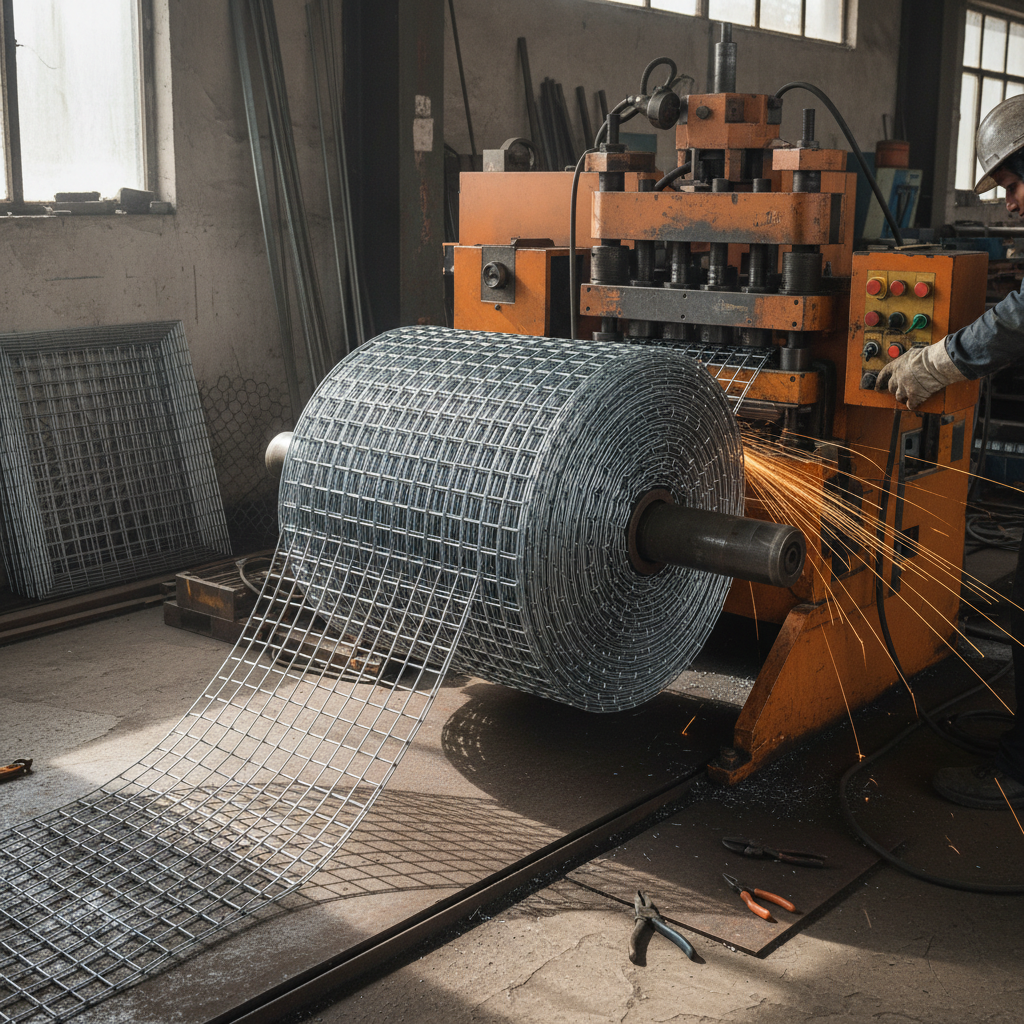
Key Advantages of Using a Square Wire Fencing Roll
The primary appeal of a square wire fencing roll lies in its consistency. Unlike chain-link fences that can sag or woven wires that may shift, the welded joints in a square mesh ensure that the apertures remain uniform across the entire length of the roll. This makes it an ideal choice for containment and exclusion, as there are no gaps for small animals to squeeze through. Additionally, the roll format allows for flexible installation around curved landscapes, reducing waste and labor costs during setup.
Pro Tip: Always check the gauge of the wire. A lower gauge number indicates a thicker wire, which provides higher impact resistance for high-traffic areas.
Comparing Materials for Your Square Wire Fencing Roll
Not all wire is created equal. Depending on your environment—whether it's a salty coastal region or a humid forest—the coating of your square wire fencing roll will determine its lifespan. Galvanized steel is the industry standard for rust prevention, while PVC coating offers an extra layer of protection and a more aesthetic look. Selecting the wrong material can lead to premature corrosion and costly replacements.
Common Applications for Square Wire Fencing Roll
The versatility of the square wire fencing roll allows it to be used across multiple sectors. In agriculture, it is frequently used as poultry fencing or rabbit runs where a small mesh size is critical. In residential landscaping, it serves as an invisible but strong barrier for vegetable gardens to keep out pests. Furthermore, in industrial settings, these rolls are often used as safety guards around machinery or as partitions in warehouses to organize inventory without blocking light or airflow.
Installation Tips for a Long-Lasting Fence
Installing a square wire fencing roll is straightforward, but precision is key. First, ensure your fence posts are securely anchored and spaced according to the roll length to avoid excessive tension. When unrolling, use a tensioner or a fence stretcher to ensure the mesh is taut; a loose fence is not only unsightly but also easier for animals to push through. Finally, avoid over-bending the wire at the corners, as this can stress the weld points and lead to breakage over time.
Technical Specifications of Premium Square Wire Fencing
When sourcing from a professional manufacturer, it is important to look at the technical data sheet. A premium square wire fencing roll is defined by its aperture accuracy and weld strength. Below is a standard specification table for the most commonly requested industrial-grade rolls to help you compare your needs with available products.
Maintaining Your Wire Mesh for Longevity
To ensure your square wire fencing roll remains in peak condition, a simple maintenance routine is recommended. Inspect the fence bi-annually for signs of rust, especially at the weld points. If you find small scratches in the PVC coating, apply a touch-up zinc spray or a matching PVC sealant to prevent oxidation from spreading. Clearing debris and overgrown vegetation from the base of the fence also prevents moisture buildup, which is the leading cause of ground-level corrosion.
Conclusion: Securing Your Future with Quality Fencing
Choosing a professional-grade square wire fencing roll is an investment in safety, organization, and peace of mind. From the precision of the welds to the quality of the protective coating, every detail contributes to the fence's ability to withstand the elements and provide reliable security. By selecting the right material and following proper installation practices, you can ensure a boundary that lasts for decades. Trust in high-quality engineering to protect what matters most.
Frequently Asked Questions (FAQs)
What is the difference between welded and woven square wire fencing?
The main difference lies in the construction of the intersections. In a welded square wire fencing roll, the horizontal and vertical wires are fused together using heat and pressure, creating a rigid structure that maintains its shape. Woven fencing is created by interlacing wires, which allows for more flexibility but can lead to "gapping" or shifting over time. Welded mesh is generally preferred for applications requiring a strict aperture size and higher stability.
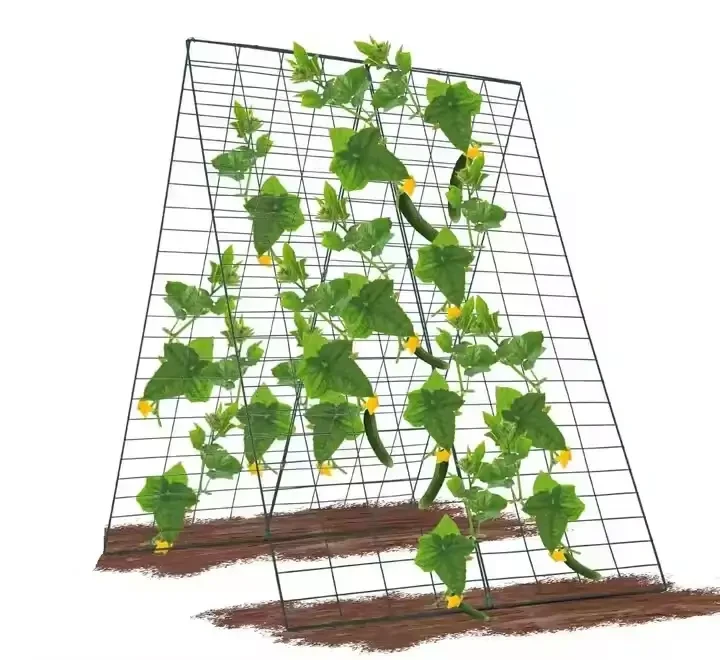
Can a square wire fencing roll be used for climbing plants?
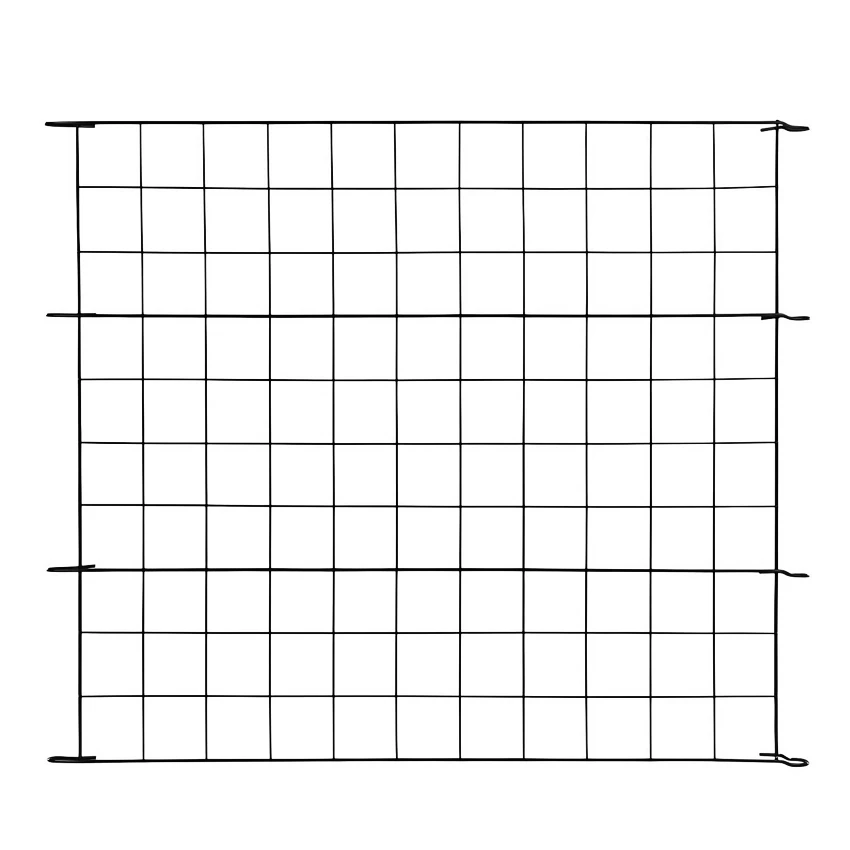
Yes, it is an excellent choice for trellises and plant supports. The square grid provides an ideal structure for vines and climbing vegetables to attach to. When using it for this purpose, we recommend opting for PVC-coated wire, as the plastic layer protects the metal from the moisture and organic acids found in soil and plant life, preventing rust and ensuring the fence lasts throughout many growing seasons.
How do I calculate how many rolls I need for my project?
To calculate the number of rolls, measure the total linear length of the area you wish to fence. Divide the total length by the length of a single roll (e.g., 10 meters or 30 feet). We always recommend adding an additional 5-10% to your total to account for overlapping at the posts and waste during cutting. For a detailed consultation on dimensions and quantities, you can visit the Peiling Tech website.
Is galvanized wire enough for high-humidity environments?
Hot-dipped galvanized wire provides significant protection, but in extreme humidity or salt-air environments (like coastal regions), it may still oxidize over time. For these specific conditions, a PVC-coated square wire fencing roll is highly recommended. The PVC acts as a waterproof barrier that completely seals the steel from oxygen and moisture, exponentially increasing the service life of the fence.
-
Complete Guide to Choosing a Durable 4 foot wire fence rollNewsApr.16,2026
-
High Quality Steel Welded Wire Rolled Fencing for Secure BoundariesNewsApr.16,2026
-
High Quality Black Fence Roll for Secure and Discreet PerimeterNewsApr.16,2026
-
Ultimate Guide to Temporary Fence Roll for Site Security and SafetyNewsApr.16,2026
-
High Quality Garden Mesh Roll Guide for Protecting Green SpaceNewsApr.09,2026