-

-
 Whatsapp:+86 17732187393
 -


Complete Guide to Choosing a Durable 4 foot wire fence roll
The Ultimate Guide to Choosing a 4 Foot Wire Fence Roll
When it comes to securing your perimeter, whether for residential gardens, livestock containment, or industrial boundaries, selecting the right materials is essential. A 4 foot wire fence roll provides the ideal balance between visibility and security, offering a height that is sufficient to deter intruders and animals without obstructing the view of your landscape. In this comprehensive guide, we will explore the different types of wire fencing available, how to choose the right gauge for your needs, and the installation tips that ensure long-term durability. Finding the perfect fencing solution requires understanding the trade-offs between strength, cost, and aesthetics.
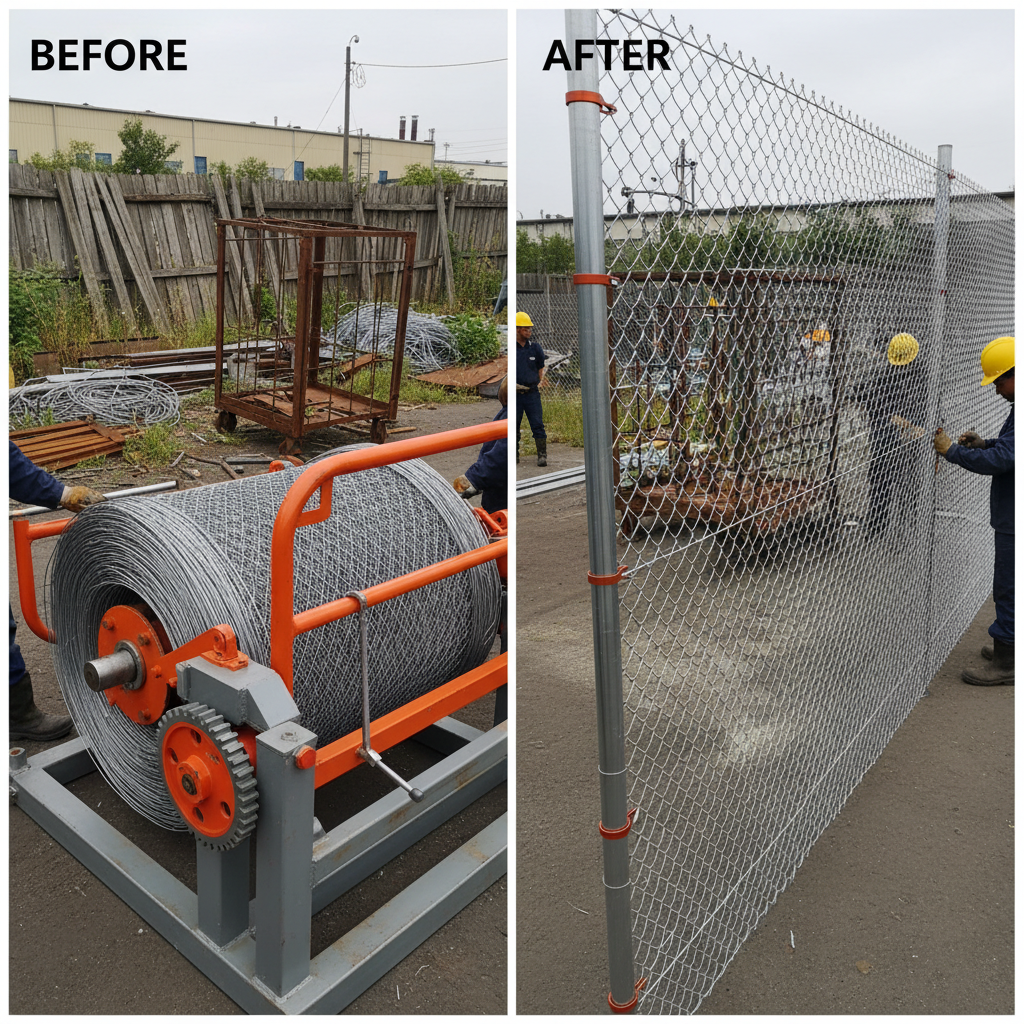
Comparing Different Types of 4 Foot Wire Fence Roll Options
Not all wire fences are created equal. Depending on your specific application, you might choose between chain link, welded wire, or woven wire options. For those seeking high security, chain link is the gold standard due to its flexibility and strength. On the other hand, welded wire is often preferred for garden enclosures because of its rigid structure and neat appearance. When investing in a 4 foot wire fence roll, it is vital to consider the coating—galvanized steel offers excellent rust resistance, while PVC coatings provide an extra layer of protection and a more natural look for residential areas.
Pro Tip: For coastal areas with high salt content in the air, always opt for hot-dipped galvanized or PVC-coated wire to prevent premature corrosion.
Key Technical Specifications for Wire Fencing
Understanding the technical side of your 4 foot wire fence roll ensures that you don't overspend on unnecessary strength or compromise safety by choosing a gauge that is too thin. The "gauge" refers to the thickness of the wire; a lower gauge number indicates a thicker, stronger wire. Most standard perimeter fences use gauges between 9 and 12. Below is a detailed specification table to help you compare the most common industry standards.
Practical Applications of a 4 Foot Wire Fence Roll
The versatility of the 4 foot wire fence roll makes it a staple for various projects. In residential settings, it is frequently used to protect vegetable gardens from deer and rabbits. In agricultural settings, it serves as an effective boundary for medium-sized livestock, preventing them from wandering while maintaining an open feel to the pasture. Additionally, many commercial properties use this height for temporary construction site barriers or as a secondary security layer around storage units. Because it is sold in rolls, it is incredibly easy to transport and can be customized to fit the exact length of your property line.
Installation Tips for Maximum Longevity
Installing a 4 foot wire fence roll is a straightforward process, but skipping a few critical steps can lead to sagging or rust. First, ensure your posts are set deeply enough—typically one-third of the post length should be underground. Second, use a tensioner to pull the wire tight; a loose fence is not only unsightly but also easier for animals to push through. Finally, ensure that the bottom of the roll is securely anchored to the ground or attached to a bottom rail to prevent "dig-under" attempts by pets or pests. Proper tensioning is the secret to a professional-looking installation that lasts for decades.
Environmental Impact and Maintenance of Wire Fencing
Sustainability is becoming an increasingly important factor in construction. Modern wire fencing is often made from recyclable steel, reducing the environmental footprint of your project. To maintain your 4 foot wire fence roll, a simple annual inspection is recommended. Check for any signs of rust or broken wires, especially at the points where the fence is attached to the posts. For galvanized fences, a small amount of cold-galvanizing spray can be applied to scratches to prevent oxidation. Keeping the area around the fence clear of overgrown vegetation also prevents moisture buildup, which is the primary cause of corrosion.
Maintenance Checklist:
• Inspect tension every 6 months to prevent sagging
• Clear vines and shrubs from the wire mesh
• Touch up zinc coatings on damaged galvanized areas
• Verify post stability after heavy winter freezes
Conclusion: Securing Your Space with Confidence
Choosing a 4 foot wire fence roll is a practical and cost-effective decision for anyone needing a reliable boundary. By considering the material, gauge, and proper installation techniques, you can create a barrier that is both functional and aesthetically pleasing. Whether you are protecting a prized garden or securing a commercial lot, the right wire fencing provides peace of mind and long-term value. Invest in quality materials and follow professional installation standards to ensure your property remains secure for years to come.
Frequently Asked Questions (FAQs)
How do I determine how many rolls of 4 foot wire fence I need?
To calculate the number of rolls required, first measure the total linear footage of the area you intend to fence. Divide this total distance by the length of a single roll (which is typically listed on the product packaging, such as 50ft or 100ft). It is always recommended to purchase an extra 5-10% more than your exact measurement to account for overlapping at the posts, mistakes during cutting, and corners. For example, if your perimeter is 450 feet and each roll is 100 feet, you would need 4.5 rolls, meaning you should purchase 5 rolls to ensure complete coverage.
Is a 4 foot wire fence enough to keep out most medium-sized dogs?
For most medium-sized dogs, a 4-foot fence is sufficient, provided the dog is not a frequent jumper. However, if you have a high-energy breed or a dog known for leaping, you may need to consider a taller option or add a "coyote roller" or an extension to the top. Additionally, the most critical part of dog containment is the bottom of the fence; ensuring the 4 foot wire fence roll is pinned tightly to the ground or buried a few inches deep will prevent dogs from digging their way underneath the barrier.
What is the difference between galvanized and PVC-coated wire?
Galvanized wire is steel that has been coated with a layer of zinc to prevent rusting. It is highly durable and offers a classic silver look. PVC-coated wire starts with a galvanized core but is then encased in a layer of polyvinyl chloride (plastic). This provides two main advantages: it offers superior corrosion resistance (making it ideal for salty or humid air) and it allows for different colors, usually green or black, which help the fence blend into the surrounding foliage. While PVC is slightly more expensive, its longevity and aesthetics often make it the preferred choice for residential landscapes.
Can I install a wire fence roll without professional help?
Yes, installing a 4 foot wire fence roll is a very popular DIY project. The process involves marking your corners, installing posts at regular intervals (usually every 8 to 10 feet), and unrolling the wire while securing it with staples or ties. The most challenging part for beginners is usually getting the wire tensioned correctly. Using a simple fence stretcher or a come-along tool can make this process much easier. As long as you have basic tools like a post-hole digger, a level, and pliers, you can achieve a professional result on your own.
-
Guide to Choosing the Best Square Wire Fencing Roll for SecurityNewsApr.16,2026
-
High Quality Steel Welded Wire Rolled Fencing for Secure BoundariesNewsApr.16,2026
-
High Quality Black Fence Roll for Secure and Discreet PerimeterNewsApr.16,2026
-
Ultimate Guide to Temporary Fence Roll for Site Security and SafetyNewsApr.16,2026
-
High Quality Garden Mesh Roll Guide for Protecting Green SpaceNewsApr.09,2026