-

-
 Whatsapp:+86 17732187393
 -


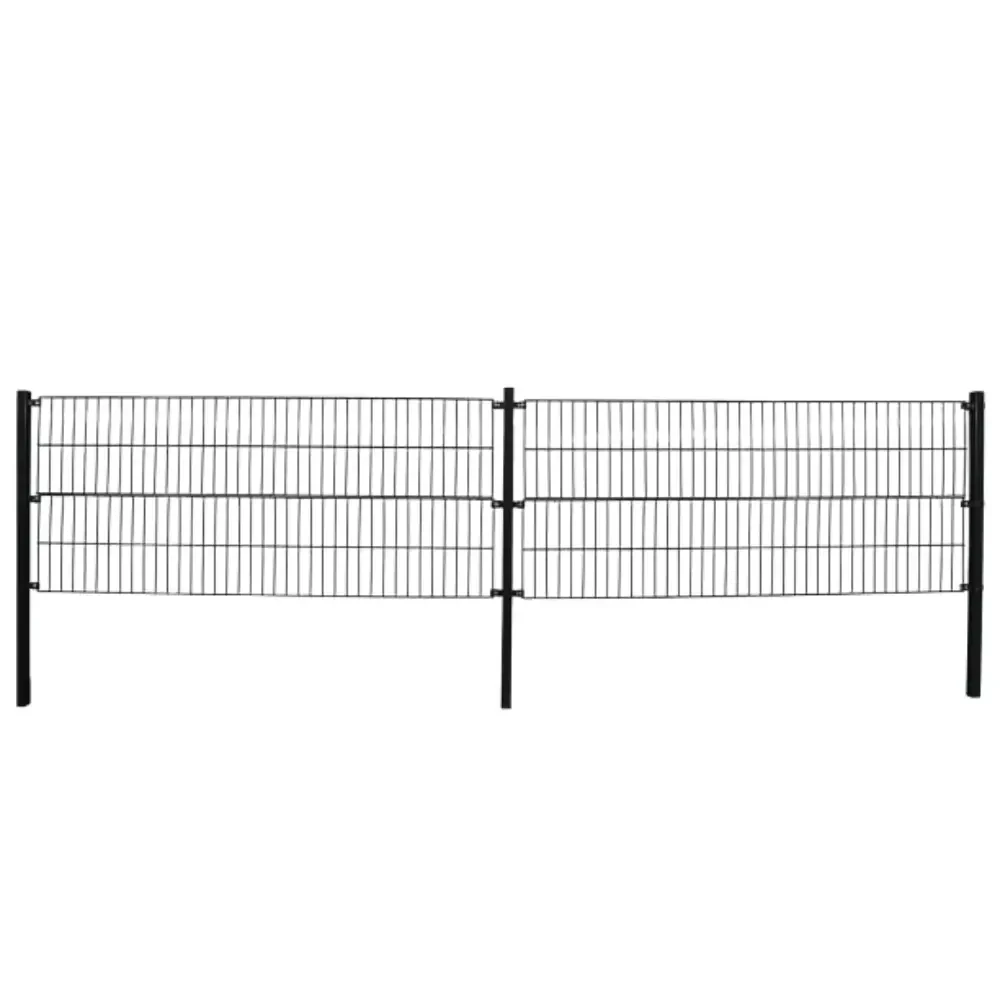
High Quality Black Fence Roll for Secure and Discreet Perimeter
The Ultimate Guide to Choosing a High-Quality Black Fence Roll
When it comes to securing a perimeter, whether for residential gardens, industrial sites, or agricultural land, the choice of materials can make a significant difference in both security and aesthetics. A black fence roll offers a sophisticated, discreet solution that blends seamlessly into most landscapes while providing robust protection. Unlike traditional silver or green fencing, the black finish reduces visual clutter, making the fence "disappear" against foliage and shadows. In this guide, we will explore the technical advantages, installation tips, and the various specifications that make this fencing solution a top choice for modern property owners and contractors worldwide.
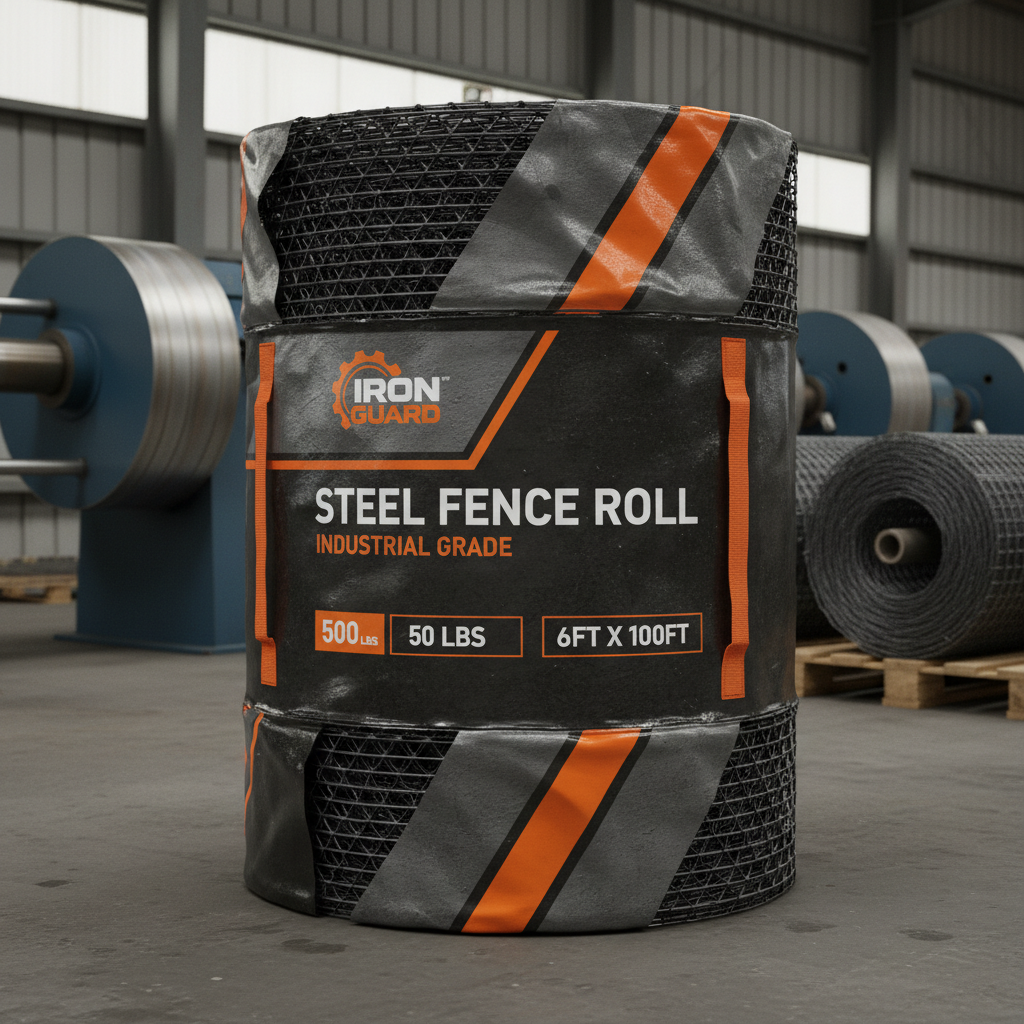
Why Choose a Black Fence Roll for Your Project?
The primary appeal of a black fence roll lies in its visual neutrality. In landscape design, black is often used because it creates a high contrast with green plants but remains virtually invisible from a distance. Beyond aesthetics, these rolls are typically manufactured from heavy-duty galvanized steel coated with a high-quality PVC or powder coating. This dual-layer protection ensures that the fence is resistant to rust, corrosion, and harsh weather conditions. Whether you are enclosing a swimming pool, securing a construction site, or creating a pet enclosure, the structural integrity of a professional-grade roll provides peace of mind and long-term durability.
Key Highlights: High-quality black coating prevents UV degradation, while the rolled format allows for flexible transport and effortless installation across irregular terrains.
Material Comparison: Black Fence Roll vs. Galvanized Steel
Many buyers hesitate between standard galvanized steel and the coated black fence roll. While galvanized steel is highly durable, it has a distinct metallic shine that can be distracting in a residential garden. The black PVC coating adds an extra layer of physical protection, preventing the base metal from coming into contact with moisture and pollutants. This makes the black version more suitable for coastal areas where salt spray can accelerate corrosion. Furthermore, the smooth finish of the coating prevents sharp edges, making it safer for children and animals.
Installation Tips for Black Fence Rolls
Installing a black fence roll is a straightforward process if you have the right tools and a clear plan. First, ensure the perimeter is cleared of debris and the posts are firmly anchored in concrete to prevent leaning over time. When unrolling the mesh, it is critical to maintain consistent tension to avoid sagging. Using heavy-duty tension wires at the top and bottom of the roll can significantly improve the stability of the structure. Finally, secure the mesh to the posts using black coated ties to ensure the hardware remains invisible and doesn't clash with the aesthetic of the fence.
Customization and Specifications of the Black Fence Roll
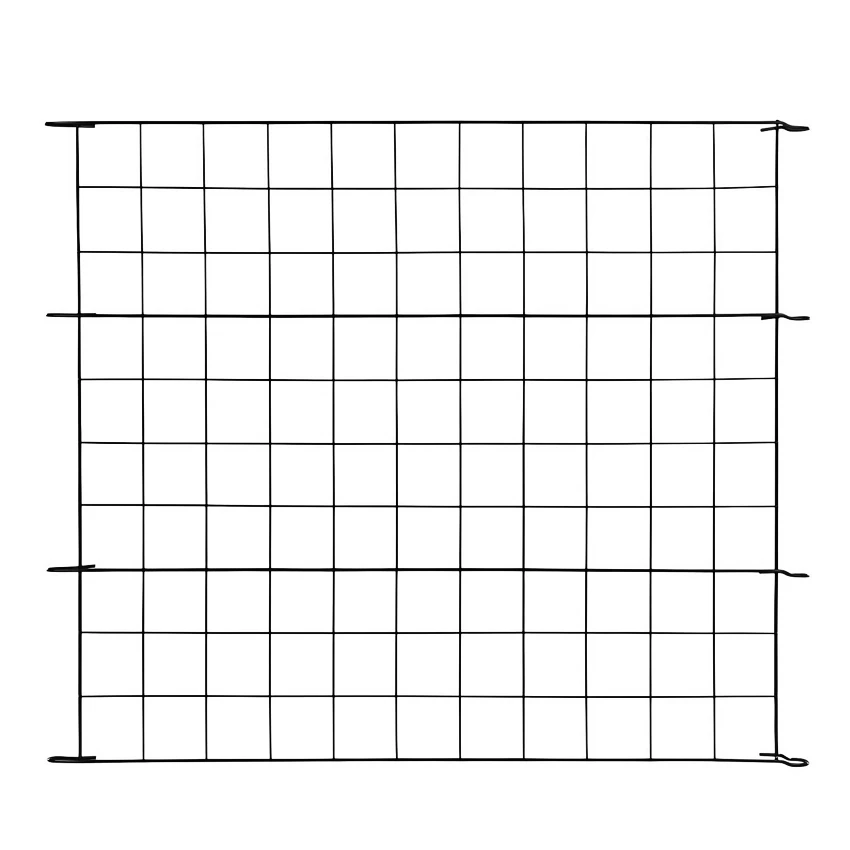
Depending on the application, you will need different specifications. For livestock or animal control, a smaller aperture (mesh size) is necessary to prevent escape. For boundary marking or garden decoration, a larger aperture is often preferred for better airflow and a lighter look. The wire gauge also plays a pivotal role in the strength of the fence; a thicker gauge is essential for high-security areas. At Peiling Tech, we provide a variety of configurations to meet these specific needs.
Environmental Impact and Sustainability
In an era of sustainable building, the black fence roll is a responsible choice. Steel is one of the most recycled materials on the planet. By selecting a high-quality, long-lasting fence, property owners reduce the frequency of replacements, thereby lowering the carbon footprint associated with manufacturing and transport. Moreover, the PVC coatings used in modern fencing are increasingly designed to be non-toxic and UV-stable, ensuring that no harmful chemicals leach into the surrounding soil or water during the product's lifecycle.
Maintaining Your Black Fence for Longevity
While a professional black fence roll is designed for low maintenance, a few simple steps can extend its life by decades. Periodically rinsing the fence with water can remove accumulated salt, dust, and bird droppings that might otherwise degrade the coating over time. If the coating becomes scratched, a small touch-up with weather-resistant black paint can prevent moisture from reaching the inner steel core. Regularly checking the tension of the mesh and tightening the fasteners will ensure the fence remains taut and aesthetically pleasing throughout the seasons.
Conclusion: The Smart Choice for Modern Fencing
Choosing a black fence roll is more than just a design decision; it is an investment in durability, security, and property value. With its superior corrosion resistance, discreet appearance, and ease of installation, it outperforms traditional fencing options in almost every category. Whether you are looking to protect your family, secure your assets, or simply enhance your garden's beauty, a high-quality black roll provides the perfect balance of form and function. Trust in professional-grade materials to ensure your perimeter remains secure for years to come.
Frequently Asked Questions (FAQs)
Does the black color fade over time due to sun exposure?
High-quality black fence rolls are treated with UV-stabilized PVC or powder coatings. This means they are specifically engineered to resist the fading effects of ultraviolet radiation. While any material exposed to the elements for decades may show slight changes, a professional-grade coating ensures that the deep black color remains vibrant and consistent for many years, significantly outperforming cheap, non-UV-rated plastics.
Can I install a black fence roll on a slope?
Yes, one of the biggest advantages of the roll format is its flexibility. Unlike rigid panels, a fence roll can be easily adapted to the contours of the land. You can either "step" the fence (installing it in a series of levels) or "rake" it (following the slope of the ground). To ensure stability on a slope, we recommend using slightly deeper post foundations and ensuring the tension wires are adjusted to maintain a uniform look along the incline.
How do I determine the right wire gauge for my needs?
The wire gauge determines the strength and weight of the fence. For light decorative use or basic garden boundaries, a gauge between 2.5mm and 3.0mm is usually sufficient. However, if you are dealing with large dogs, livestock, or require high security to prevent intruders, you should opt for a heavy-duty gauge of 4.0mm or higher. Heavier gauges provide more resistance to bending and cutting, ensuring a much more secure perimeter. You can find detailed guidance on gauge selection on the Peiling Tech website.
Is PVC coating better than powder coating for black fences?
Both have advantages. PVC coating provides a thicker, "rubbery" layer that is excellent for impact resistance and maximum corrosion protection, making it ideal for wet or coastal environments. Powder coating, on the other hand, is a thinner, harder finish that is often more aesthetically "sleek" and highly resistant to scratching. For most outdoor fencing applications, PVC is preferred due to its superior ability to seal the metal from moisture, though powder coating is a great choice for urban architectural projects.
-
Complete Guide to Choosing a Durable 4 foot wire fence rollNewsApr.16,2026
-
Guide to Choosing the Best Square Wire Fencing Roll for SecurityNewsApr.16,2026
-
High Quality Steel Welded Wire Rolled Fencing for Secure BoundariesNewsApr.16,2026
-
Ultimate Guide to Temporary Fence Roll for Site Security and SafetyNewsApr.16,2026
-
High Quality Garden Mesh Roll Guide for Protecting Green SpaceNewsApr.09,2026