-

-
 Whatsapp:+86 17732187393
 -


Ultimate Guide to Temporary Fence Roll for Site Security and Safety
The Ultimate Guide to Temporary Fence Roll for Site Security
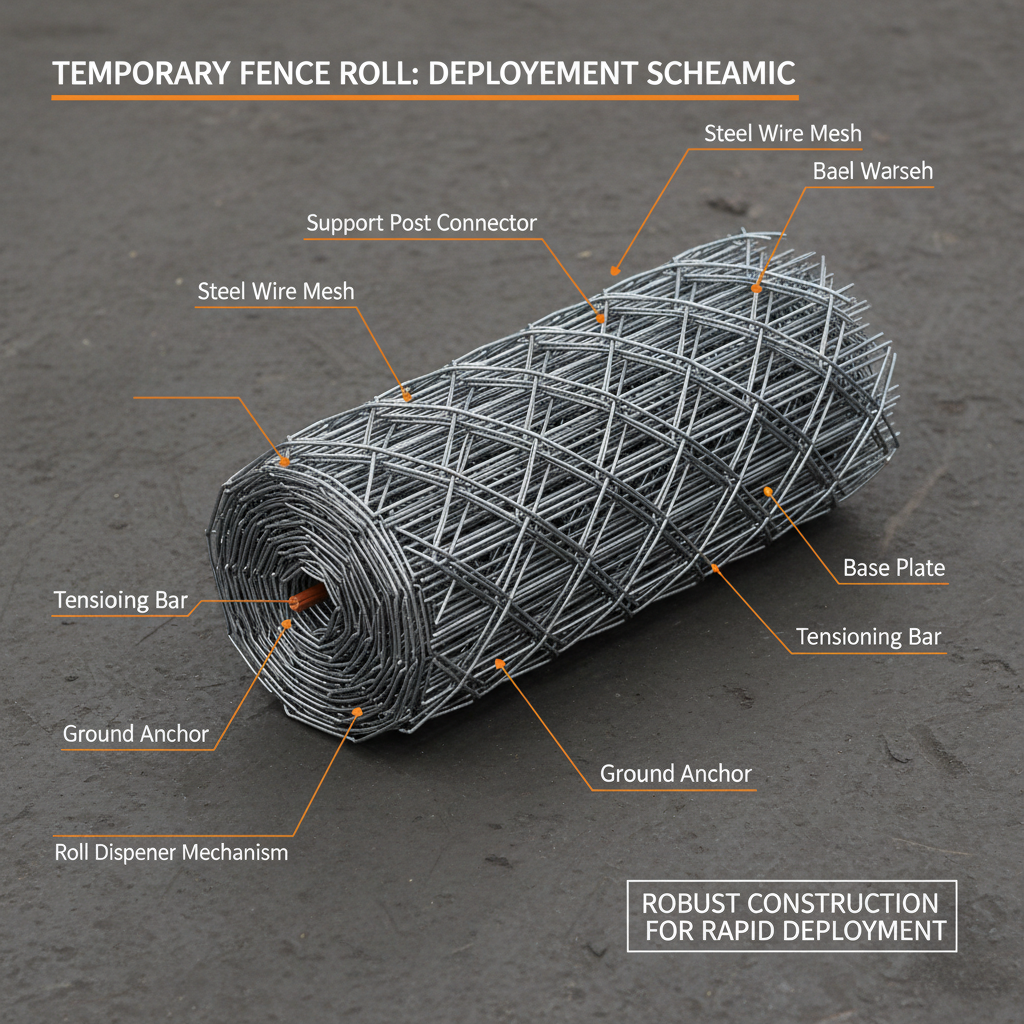
Ensuring the security of a construction site, event venue, or industrial zone requires a solution that is both rapid to deploy and incredibly durable. The temporary fence roll has emerged as the gold standard for professionals who need flexible yet robust perimeter protection. Unlike rigid panels that can be cumbersome to transport and install, rolled fencing offers unmatched versatility and cost-efficiency. In this comprehensive guide, we will explore the technical advantages, material options, and strategic applications of these rolls to help you make an informed decision for your next project.
Why Choose a Temporary Fence Roll Over Rigid Panels?
When comparing site boundary options, the temporary fence roll provides several distinct advantages. First is the ease of logistics; rolls can be transported in significantly less space than pre-assembled panels. Second is the adaptability; rolls can be easily contoured to fit irregular terrain or curved boundaries without the need for expensive custom fabrication. Furthermore, the installation process is streamlined, as the material can be unrolled and secured to posts in a fraction of the time. This makes it an ideal choice for short-term projects where time is of the essence and budget optimization is a priority.
Pro Tip: For maximum stability, always pair your temporary fence roll with heavy-duty steel stakes and high-tensile tension wires to prevent sagging over long distances.
Material Specifications of the Temporary Fence Roll
The performance of a perimeter barrier depends heavily on its metallurgy and coating. Most high-quality rolls utilize galvanized steel or PVC-coated wire to combat oxidation and environmental wear. Depending on the security level required, clients can choose between different mesh apertures and wire gauges. Below is a detailed specification table for the standard temporary fence roll options available for industrial applications.
Key Applications for Temporary Fence Roll Systems
The versatility of the temporary fence roll makes it indispensable across various sectors. In construction, it is used to create safe boundaries and prevent unauthorized access to dangerous zones. In event management, these rolls are perfect for crowd control and directing foot traffic at concerts or festivals. Additionally, the agricultural sector utilizes these rolls for temporary livestock containment. The ability to quickly deploy and remove the fencing ensures that operational flow is not hindered while maintaining a high level of security.
Installation Best Practices for Maximum Durability
To get the most out of your temporary fence roll, proper installation is key. Begin by marking the perimeter and installing support posts at regular intervals (typically every 2.5 to 3 meters). When unrolling the fence, ensure it is pulled taut to avoid dipping, which can compromise the security of the barrier. Using high-quality fasteners and tensioners will prevent the mesh from loosening over time due to wind or physical impact. For sites with high wind exposure, adding a privacy screen or wind-break fabric can further stabilize the structure while providing visual privacy.
Comparing Rolled Fencing with Traditional Boundary Solutions
When evaluating the ROI of site security, it is important to compare the cost and effort of different systems. Traditional permanent fencing is far too expensive for short-term use, while basic caution tape offers zero security. The temporary fence roll strikes the perfect balance. It provides a physical deterrent that is significantly more secure than tape, yet remains far more affordable and flexible than permanent installations. This makes it the most logical choice for dynamic environments where boundary requirements change frequently.
Quick Comparison Summary:
• Installation Speed: Rolled Fencing > Rigid Panels > Permanent Walls
• Transport Cost: Rolled Fencing < Rigid Panels < Permanent Walls
• Versatility: Rolled Fencing (Highest) due to flexible contouring
Maintenance and Storage for Long-Term Reuse
One of the greatest economic benefits of the temporary fence roll is its reusability. To extend the life of your fencing, perform a quick inspection after each project to identify any bent wires or coating chips. Treat any damaged areas with cold-galvanizing spray to prevent rust from spreading. When storing the rolls, keep them in a dry, sheltered area and avoid stacking them too high to prevent the bottom rolls from flattening. Proper maintenance ensures that your investment can be deployed across multiple project sites over several years.
Conclusion: Securing Your Site with Efficiency
The temporary fence roll is more than just a boundary; it is a strategic tool for site management, safety, and cost control. By combining durability with unmatched flexibility, it allows project managers to secure their perimeters rapidly and effectively. Whether you are managing a high-rise construction site or a temporary public event, choosing high-quality rolled fencing ensures peace of mind and professional site organization. Invest in the right materials today to protect your assets tomorrow.
Frequently Asked Questions (FAQs)
How long does a temporary fence roll typically last?
The lifespan of a temporary fence roll depends heavily on the coating. Hot-dip galvanized rolls are highly resistant to corrosion and can last several years if maintained properly. PVC-coated rolls offer an additional layer of protection against harsh weather and chemicals, further extending their life. With basic maintenance—such as checking for rust and storing them in a dry environment—these rolls can be reused across dozens of different projects, making them a sustainable and cost-effective choice for long-term business operations.
Can temporary fence rolls be used on uneven or sloping ground?
Yes, this is one of the primary advantages of rolled fencing. Unlike rigid panels, which require stepping or specialized adapters to handle slopes, a temporary fence roll can be easily contoured to the natural shape of the land. By adjusting the height of the support posts and maintaining consistent tension, you can create a seamless barrier that follows the terrain perfectly, ensuring there are no gaps for unauthorized entry.
What is the best way to transport temporary fence rolls?
Because they are rolled, these fences are incredibly compact. They can be transported on standard flatbed trucks or trailers using simple strapping. To prevent the rolls from shifting during transit, it is recommended to secure them in bundles and use edge protectors to avoid damaging the PVC coating. Their high density-to-volume ratio means you can transport significantly more linear footage of fencing in a single trip compared to traditional panel systems, drastically reducing your logistics and fuel costs.
Are temporary fence rolls secure enough to prevent theft?
While no temporary fence is impenetrable, a high-gauge steel roll provides a significant physical and psychological deterrent. When installed with proper tension and secure posts, it prevents casual trespassing and opportunistic theft. For high-security zones, we recommend adding barbed wire to the top or integrating security sensors. The strength of the mesh makes it difficult to cut quickly, giving security personnel ample time to respond to any breach attempts.
-
Complete Guide to Choosing a Durable 4 foot wire fence rollNewsApr.16,2026
-
Guide to Choosing the Best Square Wire Fencing Roll for SecurityNewsApr.16,2026
-
High Quality Steel Welded Wire Rolled Fencing for Secure BoundariesNewsApr.16,2026
-
High Quality Black Fence Roll for Secure and Discreet PerimeterNewsApr.16,2026
-
High Quality Garden Mesh Roll Guide for Protecting Green SpaceNewsApr.09,2026