-

-
 Whatsapp:+86 17732187393
 -


High Quality Steel Welded Wire Rolled Fencing for Secure Boundaries
The Ultimate Guide to Steel Welded Wire Rolled Fencing
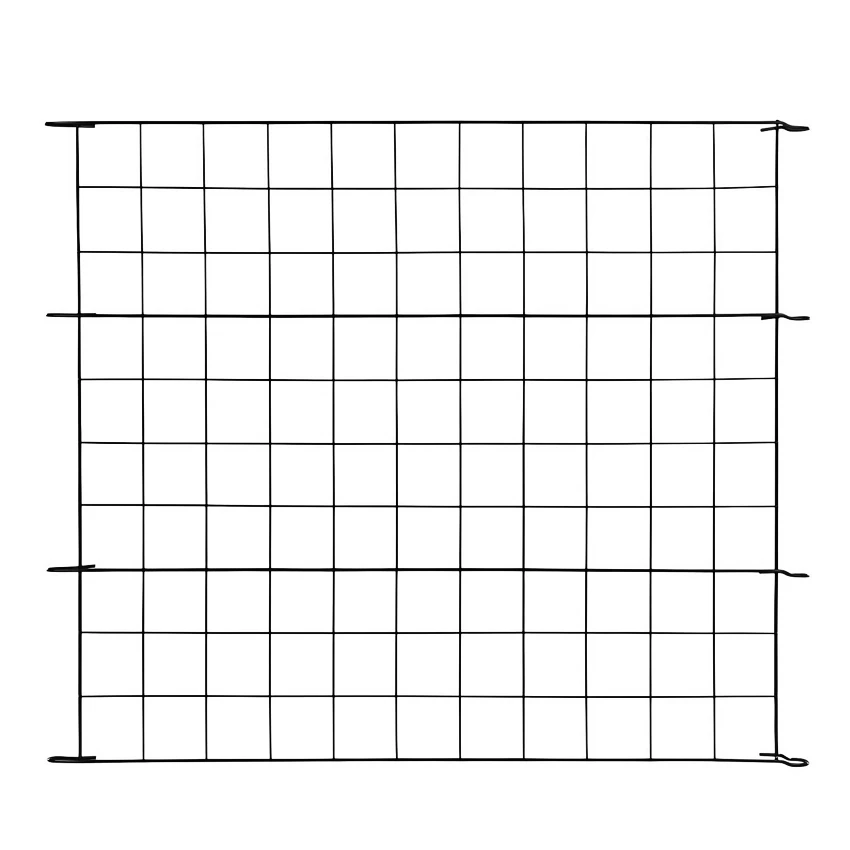
When it comes to securing perimeters, agricultural land, or industrial sites, finding a balance between strength and flexibility is key. Steel welded wire rolled fencing provides an efficient, durable, and cost-effective solution for a variety of containment needs. Unlike traditional woven wire, the welded intersection provides superior stability and a clean, professional appearance. Whether you are looking to protect livestock, create a garden boundary, or secure a commercial warehouse, understanding the specifications and benefits of rolled fencing is essential for making an informed purchase. In this guide, we will explore everything from material compositions to practical installation tips.
Why Choose Steel Welded Wire Rolled Fencing?
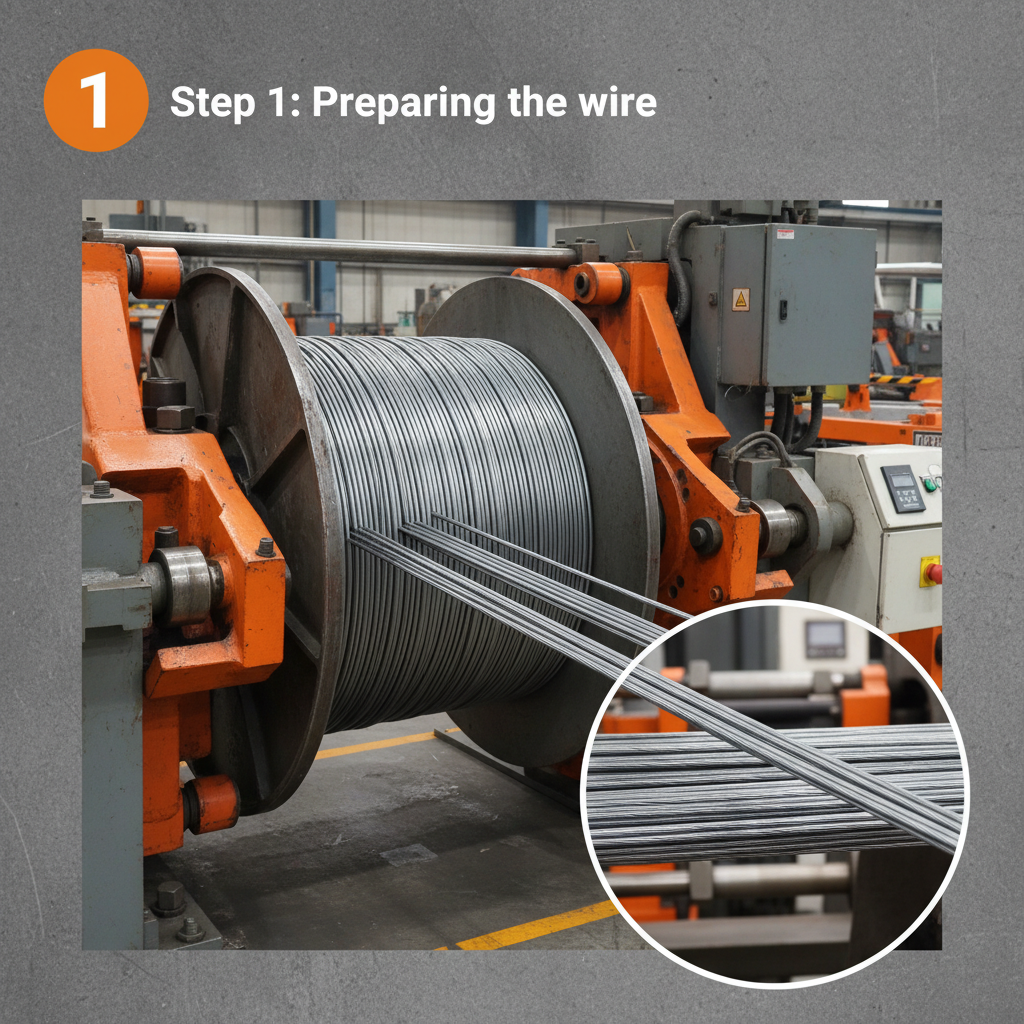
The primary advantage of steel welded wire rolled fencing lies in its structural integrity. Because the wires are welded at every crossing point, the fence maintains its shape and does not sag as easily as knotted or woven alternatives. The "rolled" format makes transportation and handling significantly easier, allowing for rapid deployment over long distances. Furthermore, these fences are typically treated with galvanization or PVC coating to resist corrosion, ensuring that your investment lasts for decades even in harsh weather conditions. This combination of rigidity and ease of installation makes it a top choice for modern contractors.
Core Advantages: High tensile strength, resistance to sagging, ease of transport in rolls, and versatile coating options for extreme environments.
Material Specifications for Steel Welded Wire Rolled Fencing
Selecting the right fence requires a deep dive into the technical specifications. The wire gauge determines the strength, while the mesh size determines what the fence is designed to keep in or out. For instance, a smaller mesh is ideal for small animals or security, whereas a larger mesh is sufficient for boundary marking. High-quality steel welded wire rolled fencing is manufactured using low-carbon steel that is then hot-dipped galvanized to provide a thick layer of zinc protection.
Welded vs. Woven Wire: Which One to Choose?
A common dilemma for buyers is choosing between welded and woven wire. While woven wire is excellent for very high-tension applications like deer fencing, steel welded wire rolled fencing offers a much more consistent grid pattern. This prevents the "shifting" of wires that often occurs in woven fences, ensuring that small animals cannot squeeze through gaps. Additionally, the welded version is generally easier to install for DIY projects because it requires less specialized tensioning equipment to look professional.
Comparison Highlights:
• Stability: Welded wire is far more stable and retains its rectangular shape.
• Installation: Rolled welded wire is faster to deploy for perimeter fencing.
• Aesthetics: Welded wire provides a cleaner, symmetric look.
• Cost: Rolled welded options are often more budget-friendly for mid-range security.
Key Applications of Rolled Steel Fencing
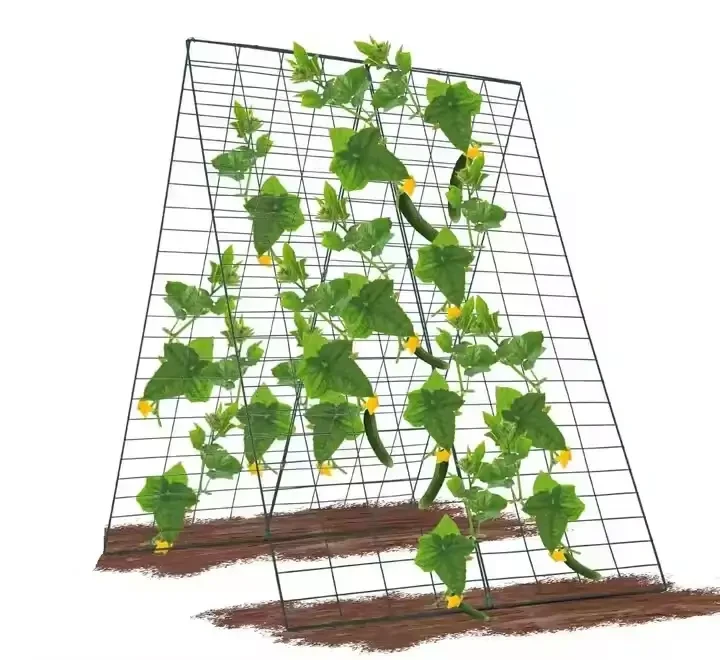
The versatility of steel welded wire rolled fencing makes it applicable across numerous sectors. In agriculture, it is the gold standard for poultry runs, rabbit hutches, and vegetable garden protection. In industrial settings, it is used for safety partitions, cable management trays, and temporary site hoardings. Even in residential landscaping, it serves as a discreet but strong trellis for climbing plants or a secure boundary for pets. Its ability to be cut and shaped easily allows it to fit irregular terrain without losing strength.
Installation Tips for Maximum Durability
To get the most out of your steel welded wire rolled fencing, proper installation is non-negotiable. First, ensure your fence posts are deeply anchored and spaced according to the roll length to prevent excessive tension on the welds. When unrolling the fence, use a fence stretcher or a simple manual tensioning tool to keep the wire taut. It is also highly recommended to use galvanized staples or tie-wires to secure the mesh to the posts, preventing the fence from lifting. For those in coastal areas, choosing a PVC-coated option will prevent salt-air corrosion and extend the fence's life by several years.
Maintenance and Longevity of Steel Fencing
While steel is naturally robust, a little maintenance goes a long way. For galvanized steel welded wire rolled fencing, periodically checking for any scratches in the zinc coating is important. If you find a deep scratch that exposes the raw steel, applying a cold-galvanizing spray can stop rust from spreading. For PVC-coated fences, simply rinsing away accumulated mud or debris can prevent moisture from trapping against the wire. Regular tension checks every spring can ensure the fence remains upright and secure against wind or animal pressure.
Conclusion: Choosing the Right Fencing Solution
Investing in steel welded wire rolled fencing is a strategic decision for anyone needing a reliable, long-term boundary solution. Its unique blend of structural rigidity, ease of installation, and resistance to the elements makes it superior to many traditional alternatives. By selecting the correct gauge and coating for your specific environment, you can ensure a secure perimeter that requires minimal upkeep. Trust in professional-grade steel to protect your assets, livestock, and property.
Frequently Asked Questions (FAQs)
Is rolled welded wire fencing suitable for high-security areas?
Yes, depending on the wire gauge. For high-security applications, we recommend using a thicker wire diameter (4mm or above) and a smaller mesh size. When combined with reinforced steel posts and potentially a top layer of barbed wire or concertina wire, steel welded wire rolled fencing provides a formidable barrier that is difficult to cut or climb, making it ideal for industrial perimeters and restricted zones.
How do I prevent my rolled fence from sagging over time?
Sagging is usually caused by improper tensioning or insufficient post support. To prevent this, ensure your corner posts are heavily braced and that you use a tension wire along the top and bottom of the fence. By properly stretching the steel welded wire rolled fencing during installation and securing it tightly to each intermediate post, you can maintain a taut, professional look for the entire lifespan of the product.
What is the difference between galvanized and PVC coated fencing?
Galvanized fencing is coated in zinc, providing excellent rust protection and a classic metallic look. PVC-coated fencing starts with a galvanized core and is then encased in a layer of polyvinyl chloride. The PVC coating provides an additional barrier against moisture and chemicals, making it superior for coastal or high-humidity environments. Additionally, PVC allows for various colors (like green or black) to help the fence blend into the natural landscape, offering both aesthetic and functional advantages.
Can I customize the roll size and mesh dimensions?
Absolutely. Most professional manufacturers, including those at Peiling Tech, offer customizable options. You can specify the exact wire diameter, the height and width of the mesh openings, and the total length of the roll to fit your project's specific needs. Customization ensures that you don't pay for excess material and that the fence is perfectly tailored to the size of the animals or the security level you require.
-
Complete Guide to Choosing a Durable 4 foot wire fence rollNewsApr.16,2026
-
Guide to Choosing the Best Square Wire Fencing Roll for SecurityNewsApr.16,2026
-
High Quality Black Fence Roll for Secure and Discreet PerimeterNewsApr.16,2026
-
Ultimate Guide to Temporary Fence Roll for Site Security and SafetyNewsApr.16,2026
-
High Quality Garden Mesh Roll Guide for Protecting Green SpaceNewsApr.09,2026