-

-
 Whatsapp:+86 17732187393
 -


Metal Decorative Fencing: Durable, Aesthetic, and Sustainable Solutions for Modern Spaces
Metal Decorative Fencing: An Elegant Solution with Global Impact
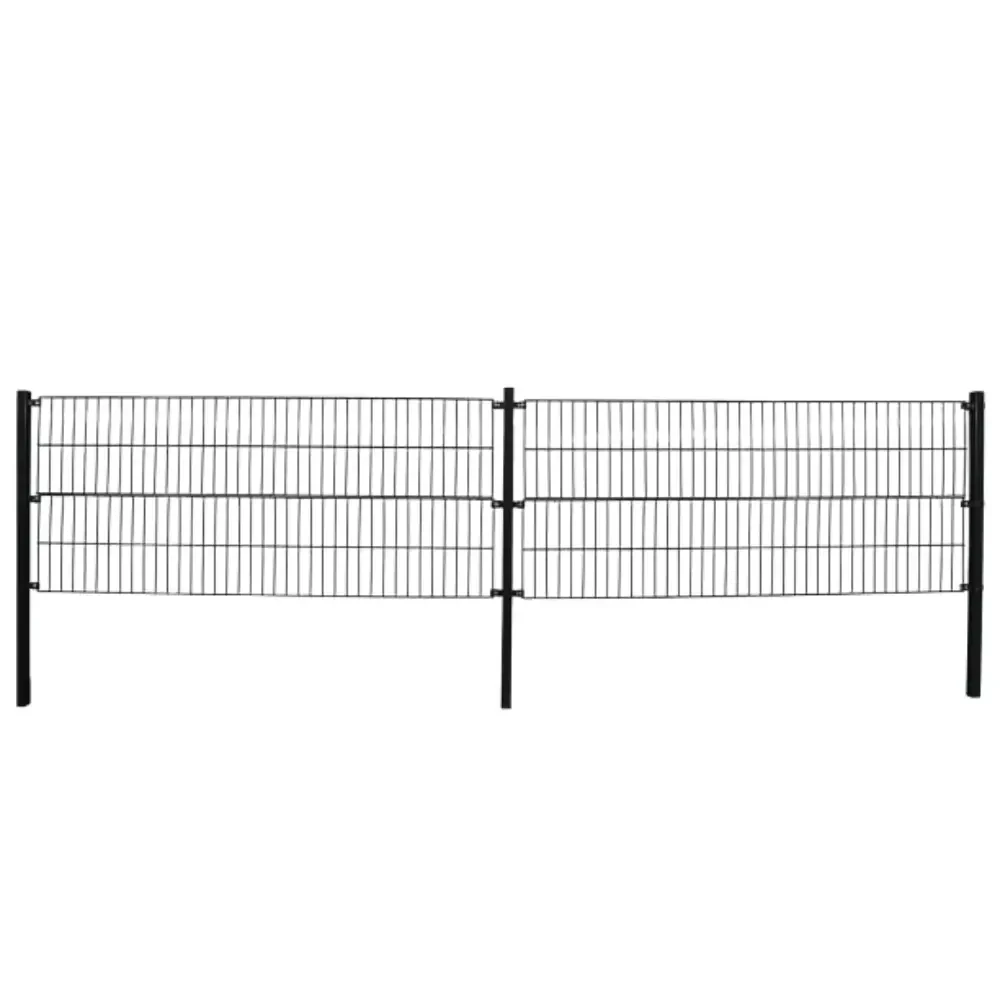
Metal decorative fencing might sound like a simple backyard concern, but its role goes far beyond mere aesthetics. Across continents and industries, understanding metal decorative fencing opens doors to improved security, urban beautification, and sustainable construction practices. This blend of function and design is quietly shaping how cities, communities, and organizations protect and present their spaces.
Introduction: Why Metal Decorative Fencing Matters Globally
According to recent data from the International Organization for Standardization (ISO), urbanization rates have surged, with over 55% of the global population now living in cities as of 2023. This urban rush demands infrastructure that is not only durable and secure but also visually appealing. Metal decorative fencing fits this bill perfectly. It addresses challenges such as perimeter security, property delineation, and environmental impact. Urban planners and developers recognize that fencing can no longer be an afterthought.
Oddly enough, the fencing you choose often reflects a community's values—striking a balance between safety, beauty, and sustainability. The demand for metal decorative fencing spans residential, commercial, and even humanitarian contexts. In fact, this sector is estimated to grow by over 5% globally per year as municipalities seek fencing options that elevate appearance without sacrificing strength.
What is Metal Decorative Fencing?
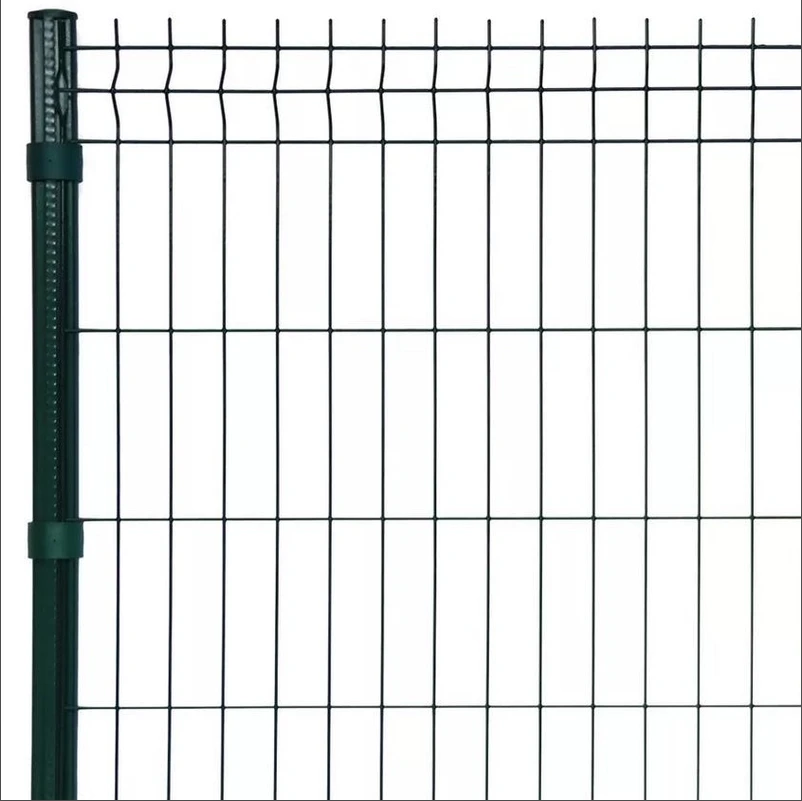
Simply put, metal decorative fencing combines the robustness of metal materials like iron, steel, or aluminum with artistic designs or patterns. These fences serve dual purposes: protection and ornamental appeal. But beyond just being "pretty metal bars," they link to broader industry trends—think energy-efficient manufacturing, modular designs, and corrosion-resistant materials—that echo modern environmental and humanitarian values.
Today, metal decorative fencing is more than a boundary; it's a symbol of trust, permanence, and craftsmanship in rapidly changing environments.
Core Components of Quality Metal Decorative Fencing
Durability
Perhaps the foremost requirement. Metals like galvanized steel or powder-coated aluminum resist rust, weathering, and impacts. This translates to long-term value and less frequent maintenance—crucial in diverse climates from the humid tropics to arid deserts.
aesthetic versatility
From classic Victorian motifs to sleek modern lines, metal decorative fencing offers immense design flexibility. It can complement architectural styles or stand out as a statement, providing communities with a unique identity.
Cost Efficiency
While upfront investment can be higher than plastic or wooden alternatives, metal fencing often pays off with its lifespan and minimal upkeep demands. For budget-conscious projects, this means better resource allocation in the long run.
Security
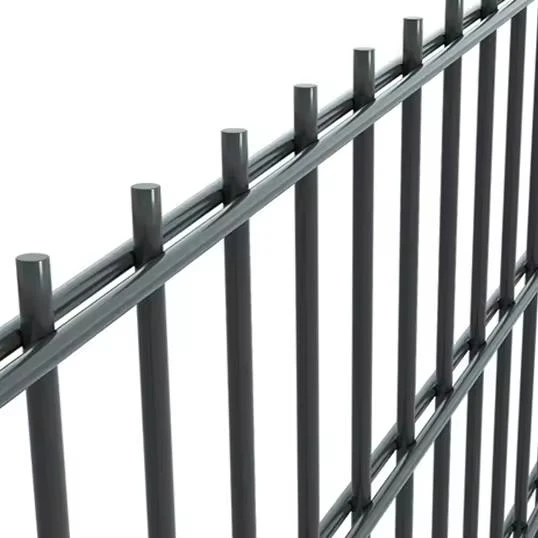
Metal fences can be customized with spikes, pointed tops, or mesh to deter intruders, ensuring peace of mind without looking fortress-like.
Sustainability
Many manufacturers now use recycled metals and eco-friendly finishing methods, reducing environmental footprints. Plus, metal fencing is 100% recyclable at end-of-life, a major bonus amid growing global sustainability goals.
| Specification | Details |
|---|---|
| Material | Galvanized Steel / Aluminum alloy |
| Finish | Powder coating, Electroplating |
| Height Range | 1m – 3m (3.3ft – 9.8ft) |
| Customization | Patterns, color, size, spike options |
| Installation Type | Modular panels with posts or continuous welded sections |
Global Applications and Real-World Use Cases
You see metal decorative fencing in bustling European cities keeping pedestrian zones safe yet inviting. In remote industrial zones of South America, these fences protect costly assets from theft and vandalism without clashing with the landscape.
In post-disaster relief operations — a sector that's rapidly professionalizing — metal fencing helps establish secure perimeters that protect displaced communities [see metal decorative fencing]. The ability to quickly deploy modular fences that also look humane saves lives and preserves dignity, a delicate balance that NGOs increasingly value.
It's honestly fascinating how designs vary to meet local cultural expectations, reflecting different social attitudes toward privacy and security.
Vendor Comparison: Popular Metal Decorative Fencing Providers
| Vendor | Material Quality | Customization Options | Lead Time | Sustainability Practices |
|---|---|---|---|---|
| Peiling Tech | High-grade galvanized steel | Wide range of patterns & colors | 4-6 weeks | Uses recycled materials & eco coatings |
| IronCraft Ltd. | Standard steel with powder coating | Limited color options | 6-8 weeks | Traditional manufacturing, limited green certification |
| EcoFence Co. | Aluminum alloy with eco-friendly finish | Custom designs & rapid prototyping | 3-5 weeks | Certified green manufacturing processes |
Advantages & Long-Term Value
Investing in metal decorative fencing isn’t just about enclosing a space; it’s about enhancing it. The longevity of well-manufactured metal fences means fewer replacements, less waste, and ultimately, a lower total cost of ownership. Pragmatically speaking, this is excellent for budgets.
Emotionally, these fences convey trust and pride. It feels good to see your property protected by something that reflects your taste and values. And from a sustainability angle? Using recyclable materials aligns with global efforts like the UN’s Sustainable Development Goal 11 (Sustainable Cities and Communities).
So you get safety, aesthetic harmony, and ecological mindfulness all wrapped up in one.
Future Trends & Innovations
Looking ahead, expect integration of smart technology: sensors embedded in metal fencing could detect breaches or environmental conditions in real-time. Other innovations include coatings that clean themselves or absorb solar energy, powering nearby lights or cameras.
There’s also a rising trend toward modular fencing systems that are quicker to install and adaptable to changing needs — a bit like metal decorative fencing reinvented for a digital, sustainable age.
Challenges & Solutions
Of course, metal fencing isn't without its hurdles. Corrosion in harsh environments, upfront costs, or design limitations can pose problems. But manufacturers are tackling these through improved galvanization, hybrid materials, and customizable modular designs to reduce installation time and expense.
Many engineers also recommend routine inspections and maintenance to extend service life. Sometimes, a little TLC goes a long way.
FAQ: Common Questions About Metal Decorative Fencing
-
What materials are best for outdoor metal fencing?
Galvanized steel and aluminum alloys are top choices due to durability and corrosion resistance. Aluminum is lighter and easier to customize, while steel offers more security but may need better protective coatings.
-
How customizable is metal decorative fencing?
Extensively customizable. Patterns, colors, height, spike types, and finishes can be tailored to suit almost any design preference or security requirement.
-
Can metal fencing withstand extreme weather?
Yes, provided it is treated with appropriate coatings and finishes. Powder coating or electroplating can protect metal fences from rust in humid or salty conditions.
-
Is metal decorative fencing environmentally friendly?
Increasingly so. Many producers use recycled materials and eco-conscious manufacturing, and metal fencing is fully recyclable at end-of-life, minimizing landfill waste.
Conclusion
Metal decorative fencing stands at the crossroads of security, beauty, and sustainability. It brings tangible, long-lasting benefits to urban planners, businesses, and homeowners worldwide. If you want to explore quality options or find a partner who values innovation and responsible manufacturing, I recommend checking out Peiling Tech. Because fencing isn’t just a barrier—it’s an expression of values and vision.
Mini takeaway: Metal decorative fencing is quietly powering safer, greener, and more beautiful spaces globally—often underappreciated, but always essential.
References
-
Enhance Your Outdoor Living with Elegant Iron Trellis PanelsNewsJan.27,2026
-
Exploring Diverse Garden Fence Options for Enhanced Outdoor LivingNewsJan.27,2026
-
Wire Mesh Panels for Industrial Use: Durable Solutions from Peiling TechNewsJan.06,2026
-
Durable Mesh Panel Fence for Industrial Security & Safety | Peiling TechNewsJan.06,2026
-
Price on Chicken Wire – Insights from Industry ExperienceNewsJan.06,2026
-
Weldmesh Fence Panels Prices: How to Choose Quality Without OverspendingNewsJan.05,2026