-

-
 Whatsapp:+86 17732187393
 -


Short Fencing Panels: Durable, Modular Barriers for Global Use
Understanding Short Fencing Panels: A Practical Guide
Short fencing panels—if you’re not already familiar—are essentially modular, low-height barriers used across many industries and regions worldwide. You’ve likely passed a cluster of these on a construction site or seen them around a public park, though perhaps never considered the full story behind why they’re so central in projects ranging from disaster relief to urban landscaping.
Globally, short fencing panels answer to real challenges: rapid deployment, cost efficiency, and durability among them. In a world where space, security, and speed matter more than ever, understanding how these small but mighty components work offers insights not only into practical infrastructure but also social and environmental impact. Let's explore this pretty fascinating topic together.
Short Fencing Panels in a Global Context
The relevance of short fencing panels has grown alongside urbanization and evolving security needs. The UN estimates that by 2050, nearly 70% of the global population will live in cities.[1] This rapid urban growth demands adaptable solutions for managing pedestrian flow, securing restricted zones, and facilitating efficient land use. From industrial zones in Asia to refugee camps in Africa, short fencing panels are part of the quiet infrastructure helping communities organize and protect their spaces swiftly.
Yet challenges exist. Traditional fencing often requires extensive installation time and permanent fixtures—luxuries in disaster-stricken or temporary environments. Short fencing panels solve this with their quick assembly and modularity, reducing labor costs and environmental disruption.
What Are Short Fencing Panels?
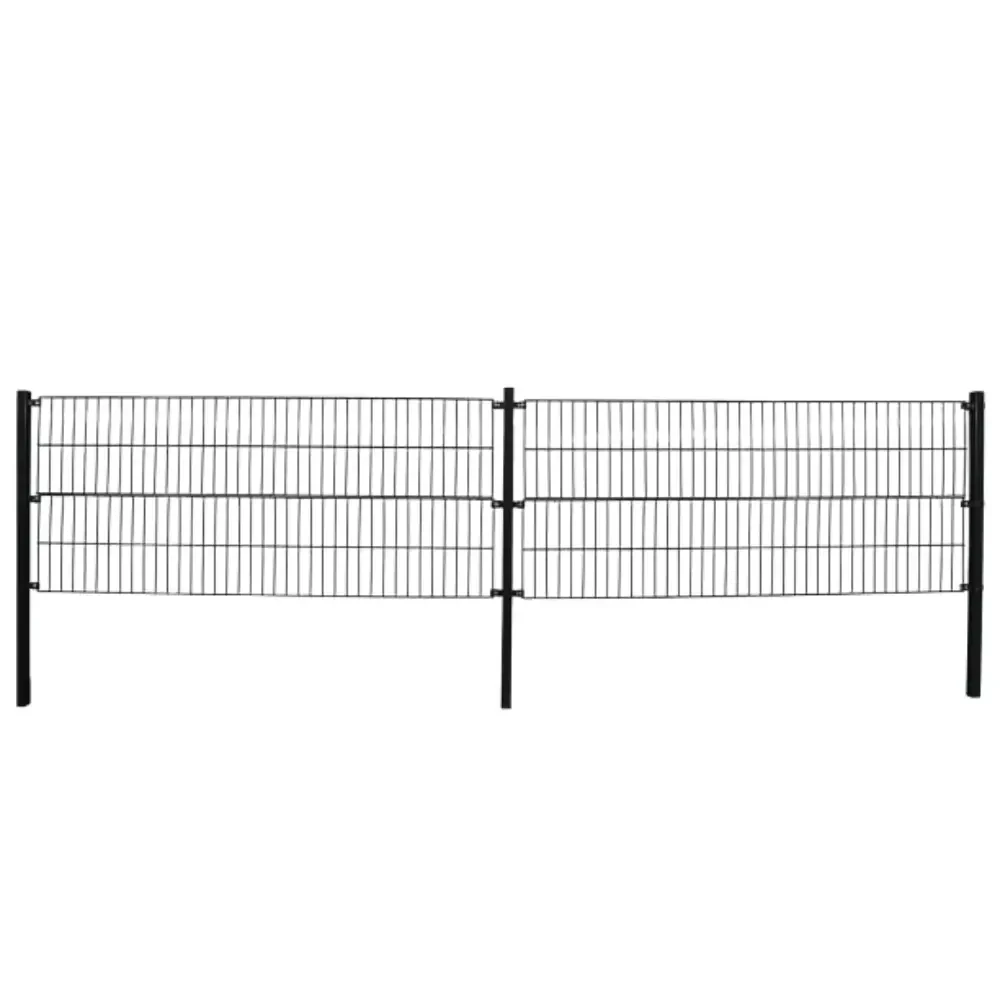
Put simply, short fencing panels are portable or semi-permanent fencing units usually less than 1.2 meters in height. Built from a range of materials like galvanized steel, powder-coated aluminum, or sturdy plastics, they’re designed to be easy to move, stack, or connect. Think of them as the building blocks of temporary boundary management for construction sites, events, agriculture, or even crowd control.
They meet a niche between permanent fences—which require foundations and permits—and temporary tape or rope markers that offer low security. Their modularity fits modern demands for flexibility and rapid response, whether for humanitarian aid or industrial safety.
Core Features of Short Fencing Panels
- Durability: Many panels feature corrosion-resistant coatings like galvanization to withstand harsh weather and repeated handling. Longevity is key, especially where replacement costs add up.
- Scalability: They’re designed to connect seamlessly, allowing users to customize fence length and shape on the fly, ideal for irregular spaces.
- Cost Efficiency: Relatively inexpensive materials paired with minimal installation labor make them a budget-friendly fencing solution for both small enterprises and NGOs.
- Portability: Lightweight construction and stackable design enable easy transport and storage, which is essential in disaster zones or large-scale events.
- Safety: Rounded edges and stable footings help prevent accidental injury, which is important in public spaces.
- Environmental Considerations: Some modern short fencing panels use recycled materials or coatings that reduce chemical runoff.
Mini takeaway: The magic of short fencing panels lies in their balance — tough yet nimble, secure but easy to move — making them a smart fit for today’s fast-changing environments.
Global Use Cases & Applications
Short fencing panels are not just background props; they’re frontline solutions in many settings worldwide:
- Post-Disaster Relief: Agencies use them to cordon off unsafe areas or create temporary shelters. For instance, after the 2010 Haiti earthquake, panels helped organize refugee camps efficiently.
- Construction & Industrial Sites: These panels mark boundaries, protect workers, and manage material flow without requiring costly, permanent fences.
- Public Events & Crowd Control: Quick installation and removal make them invaluable for festivals, marathons, or protests in Europe and North America.
- Agriculture & Livestock: They help in subdividing grazing areas or protecting crops from wildlife.
- Urban Landscaping: Parks and recreational areas often use them to designate play areas or garden sections temporarily.
Mini takeaway: Their widespread utility, from stabilizing campsites to controlling crowds, proves their adaptability and essential role globally.
Advantages & Long-Term Value
Choosing short fencing panels isn’t just about quick fixes. The investment reaps multiple rewards over time:
- Cost Savings: Lower labor and material costs compared to permanent fencing, plus reuse over multiple projects.
- Environmental Impact: Less ground disturbance and options for recyclable components support sustainability goals.
- Social Benefits: Safety and orderly spaces help communities maintain dignity and reduce conflicts.
- Innovation & Trust: Proven designs and the ability to integrate with digital monitoring tech foster confidence among planners and users alike.
There’s an emotional undercurrent too—knowing your environment is secure yet flexible creates a feeling of control and well-being. This is often overlooked but significant in disaster or high-traffic areas.
Short Fencing Panels: Product Specifications
| Feature | Typical Value | Notes |
|---|---|---|
| Height | 0.9 – 1.2 meters | Short enough to be manageable but tall enough for effective barriers |
| Material | Galvanized steel, powder-coated aluminum, plastic composites | Corrosion resistant |
| Weight | 8 – 15 kg per panel | Light enough for handling, heavy enough for stability |
| Connection Type | Hook & loop, clamps, or slot systems | Modular and easy to assemble/disassemble |
| Footing | Rubber, weighted metal base | Ensures stability on uneven terrain |
Vendor Comparison: Popular Short Fencing Panel Suppliers
| Supplier | Material Options | Pricing | Delivery Time | Customization |
|---|---|---|---|---|
| Peiling Tech | Galvanized steel, aluminum | Competitive, volume discounts | 2-4 weeks | Custom dimensions and colors |
| FencePro Supplies | Steel, plastic composites | Mid-range | 1-3 weeks | Standard sizes only |
| SafeZone Panels | Aluminum, powder coated | Premium pricing | 3-5 weeks | Highly customizable |
Future Trends & Innovations
Looking ahead, short fencing panels are evolving with technology and sustainability in mind:
- Eco-friendly Materials: Bioplastics and recycled metals reduce environmental footprints.
- Smart Integration: Sensors embedded for access control or structural health monitoring, aligning with Industry 4.0 goals.
- Automation: Robotics for faster onsite deployment and retrieval are under exploration.
- Modular Multi-functionality: Panels doubling as solar shades or seating in urban design are a niche but growing area.
It’s pretty clear the industry won’t just rest on its current successes.
Challenges & Their Solutions
Common issues with short fencing panels include:
- Wind & Stability: Lightweight panels sometimes shift — but newer weighted footings and anchoring improve matter.
- Vandalism: Damage risk exists. Harder coatings and quick repair kits help maintain integrity.
- Storage & Logistics: Bulky shipments tie up space; foldable or stackable designs tackle this.
Many manufacturers, including Peiling Tech, constantly innovate to address these with user feedback as a guide.
Frequently Asked Questions About Short Fencing Panels
- Q: How quickly can short fencing panels be installed on site?
- A: Installation can often be completed within minutes per panel. The modular connection systems allow tools-free assembly, making it practical for emergencies or routine site changes.
- Q: Are short fencing panels suitable for harsh weather conditions?
- A: Yes, especially those made of galvanized steel or powder-coated aluminum resist rust and corrosion. Some panels include UV-resistant coatings to prevent fading.
- Q: Can these panels be customized for logo branding or specific colors?
- A: Many suppliers, including Peiling Tech, offer color customization and branding options to enhance visibility and corporate identity at job sites or events.
- Q: What’s the typical lifespan of a short fencing panel?
- A: With proper maintenance, quality panels can last 5-10 years, depending on usage frequency and environmental exposure.
Conclusion & Call to Action
In real terms, short fencing panels blend convenience, safety, and eco-conscious design into reliable tools shaping modern infrastructure and humanitarian projects. Whether securing a remote worksite, organizing a public event, or aiding disaster response, they’re quietly pivotal.
If you are considering cost-effective, flexible fencing solutions with solid support and customization options, take a moment to explore Peiling Tech’s range of short fencing panels. They represent quality and innovation you can trust.
Oddly enough, these little panels speak volumes about how adaptable and thoughtful design can influence communities across the globe.
-
Enhance Your Outdoor Living with Elegant Iron Trellis PanelsNewsJan.27,2026
-
Exploring Diverse Garden Fence Options for Enhanced Outdoor LivingNewsJan.27,2026
-
Wire Mesh Panels for Industrial Use: Durable Solutions from Peiling TechNewsJan.06,2026
-
Durable Mesh Panel Fence for Industrial Security & Safety | Peiling TechNewsJan.06,2026
-
Price on Chicken Wire – Insights from Industry ExperienceNewsJan.06,2026
-
Weldmesh Fence Panels Prices: How to Choose Quality Without OverspendingNewsJan.05,2026