-

-
 Whatsapp:+86 17732187393
 -


No Dig Fence Panel | Fast, Sustainable Secure Boundaries
No Dig Fence Panel: Revolutionizing Secure Boundaries with Speed and Sustainability
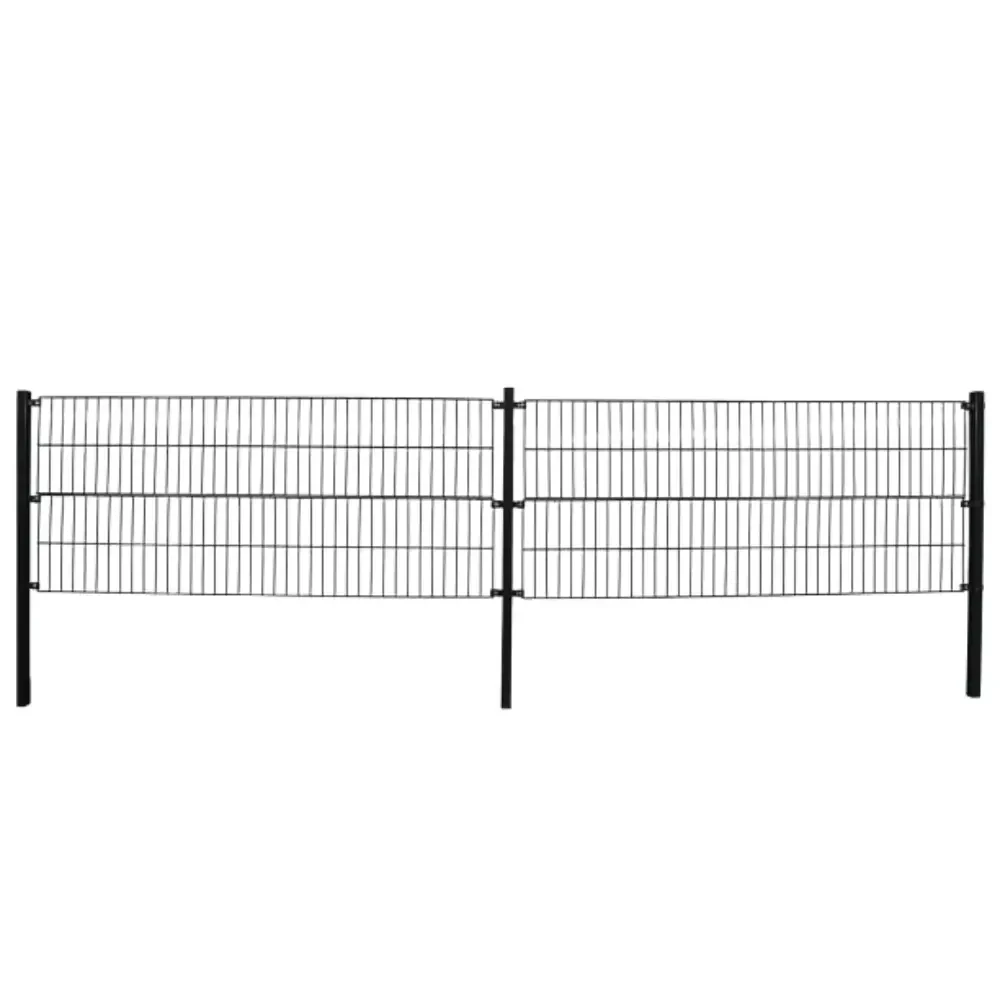
If you’ve ever tried to install fencing in challenging terrain, especially where digging posts is tough or outright impossible, you probably understand why no dig fence panels are rapidly gaining prominence worldwide. These innovative fencing solutions eliminate the need for post holes, making installations faster, less labor-intensive, and environmentally friendly. Beyond sheer convenience, no dig fence panels respond to diverse global challenges—from disaster relief zones needing rapid perimeter security to industrial sites in remote regions where soil disturbance is a costly hurdle.
Global Relevance of No Dig Fence Panels
Across continents, the demand for adaptable, efficient fencing solutions is climbing. According to recent World Bank infrastructure reports, regions impacted by natural disasters have increased by roughly 35% over the last decade. Essentially, secure borders need to go up fast—and sometimes the ground just won’t cooperate.
Oddly enough, traditional fencing methods that rely on digging can cause delays, increased costs, or environmental disruption—issues that no dig fence panels elegantly bypass. This is particularly vital in conservation zones or urban redevelopment sites, where soil disturbance is heavily regulated under ISO environmental standards.
What is a No Dig Fence Panel?
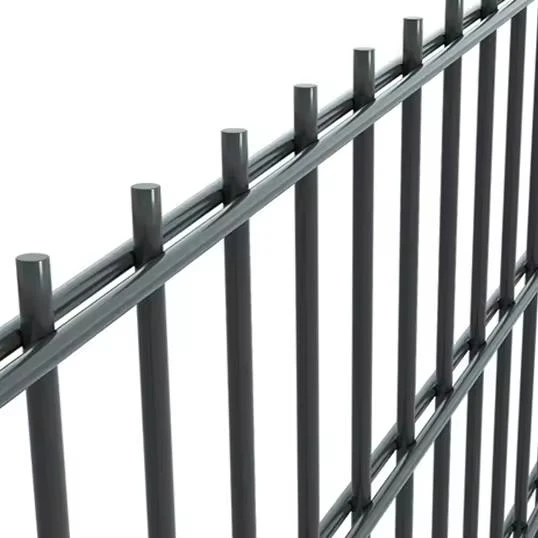
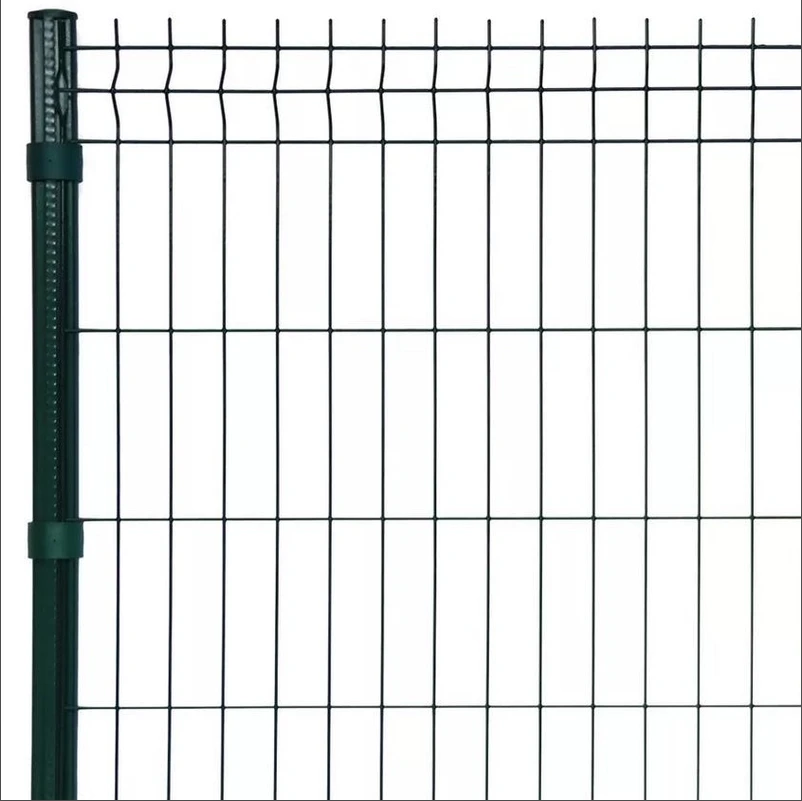
Put simply, a no dig fence panel is a fence section designed for installation without excavating soil. Instead of digging holes and setting posts underground, these panels mount onto pre-engineered bases or use ground anchors that grip tightly with minimal or no soil disruption. It’s a clever shift towards modular, scalable, and cleaner fencing solutions tailored for modern needs.
Core Characteristics of No Dig Fence Panels
Durability
Most no dig fence panels are crafted from galvanized steel or composite materials resistant to rust and impact. That means they can withstand weather extremes and rough handling, a crucial feature in industrial or harsh environments.
Cost Efficiency
Eliminating the need for digging reduces labor hours and heavy equipment costs. Additionally, it minimizes soil remediation or damage fees. Over large projects, this adds up significantly.
Portability & Scalability
The modular design often allows easy transportation and quick assembly, perfect for temporary or changing site boundaries. You can add or remove sections with minimal fuss.
Environmental Impact
Since no digging reduces soil disturbance, these panels help prevent erosion, protect underground utilities, and preserve flora and fauna habitats.
How No Dig Fence Panels Are Used Around the Globe
These panels show up in a variety of settings:
- Post-disaster relief: Rapidly securing sites to protect personnel and aid supplies.
- Remote industrial zones: Mines, construction sites, and oil fields where ground conditions complicate traditional fencing.
- Urban redevelopment: Temporary barriers that protect sensitive excavation areas without harming underlying infrastructure.
- Environmental conservation: Protecting wildlife reserves without disturbing delicate ecosystems.
Advantages & Long-Term Benefits
Choosing no dig fence panels isn’t just about speed—it speaks to sustainability, safety, and trust. You reduce carbon footprints linked to heavy machinery, mitigate hazards for workers by minimizing excavation accident risks, and uphold the dignity of spaces being protected. In emotionally charged humanitarian zones, for example, quick yet respectful boundary establishment can foster a sense of security and order.
Future Trends and Innovations
The fencing industry is evolving. Manufacturers are exploring recycled materials, infused with UV stabilizers and nano-coatings to boost UV resistance and longevity. Automation is creeping in too—think digital monitoring combined with modular panels fitted with sensors that detect breaches or environmental changes. Also, hybrid solar-powered lighting integrated with panels enhances safety without grid dependency.
Challenges & Solutions
Of course, no system is perfect. Sometimes the anchoring solutions for no dig fence panels face limitations on very loose or rocky substrates. Engineers are tackling this by improving ground screw anchors with adaptive plates or flexible connectors that accommodate ground shifts. Installation in extreme climates requires corrosion-resistant composites that still remain cost-effective. Industry collaboration between designers and material scientists is key here.
Product Specifications
| Feature | Specification |
|---|---|
| Material | Galvanized Steel, Powder Coated Aluminum |
| Panel Dimensions | 2.0m (H) x 2.5m (W) standard |
| Weight per Panel | ~30 kg |
| Anchor Type | Ground Screw / Weighted Base Plates |
| Installation Time | Average 15-20 mins per panel |
Vendor Comparison: Leading No Dig Fence Panel Providers
| Vendor | Material Quality | Price Range (per panel) | Delivery Time | Sustainability |
|---|---|---|---|---|
| Peiling Tech | High-grade galvanized steel | $150 - $180 | 3-5 days | Recyclable materials, ISO 14001 certified |
| FenceFast Supplies | Powder-coated aluminum | $130 - $160 | 5-7 days | Partial recycled content |
| EcoGuard Solutions | Composite eco-materials | $170 - $200 | 7-10 days | 100% recyclable and biodegradable |
Frequently Asked Questions About No Dig Fence Panels
Q: How do no dig fence panels hold up in extreme weather conditions?
A: Most no dig fence panels are designed using weather-resistant materials like galvanized steel or coated aluminum, ensuring corrosion resistance and durability against wind, rain, and UV rays. Proper anchoring and periodic maintenance can extend their lifespan significantly.
Q: Are no dig fence panels suitable for permanent fencing solutions?
A: Absolutely. While popular for temporary or rapid deployment, many no dig fence panels are engineered for long-term use, especially when paired with robust anchoring systems and protective finishes.
Q: Can no dig fence panels be easily relocated or expanded?
A: Yes. Their modular design means you can quickly dismantle and reassemble the fencing elsewhere, or add extra panels as boundary needs change—a smart advantage for evolving sites.
Q: What soil conditions are best suited for no dig fence panels?
A: They perform well on firm soil, concrete surfaces, and uneven terrain. For very loose or rocky soils, specialized anchors or weighted bases may be required to ensure stability.
Q: How does the installation process compare to traditional fencing?
A: Installation is generally faster and requires less heavy equipment. Typically, one team can assemble multiple panels per hour without needing to dig post holes.
In essence, no dig fence panels weave convenience, sustainability, and adaptability into a tidy package. If you’re interested in exploring more—and frankly, who wouldn’t be?—you should visit no dig fence panel providers for the latest offers and custom solutions.
Mini takeaway: No dig fence panels represent a pivotal shift in how we build secure, eco-friendly perimeters that respond to the demands of our fast-changing world.
References
-
Enhance Your Outdoor Living with Elegant Iron Trellis PanelsNewsJan.27,2026
-
Exploring Diverse Garden Fence Options for Enhanced Outdoor LivingNewsJan.27,2026
-
Wire Mesh Panels for Industrial Use: Durable Solutions from Peiling TechNewsJan.06,2026
-
Durable Mesh Panel Fence for Industrial Security & Safety | Peiling TechNewsJan.06,2026
-
Price on Chicken Wire – Insights from Industry ExperienceNewsJan.06,2026
-
Weldmesh Fence Panels Prices: How to Choose Quality Without OverspendingNewsJan.05,2026