-

-
 Whatsapp:+86 17732187393
 -


High Quality Garden Mesh Roll Guide for Protecting Green Space
Garden Mesh Roll: The Ultimate Guide to Protecting Your Green Space
Creating a thriving garden requires more than just water and sunlight; it requires a strategic defense against pests and environmental hazards. A high-quality garden mesh roll provides an essential barrier that ensures your plants grow undisturbed. Whether you are a professional landscaper or a home gardening enthusiast, understanding the right materials and installation methods is key to long-term success. In this guide, we will explore how the right mesh can transform your outdoor area into a secure sanctuary for your flora.
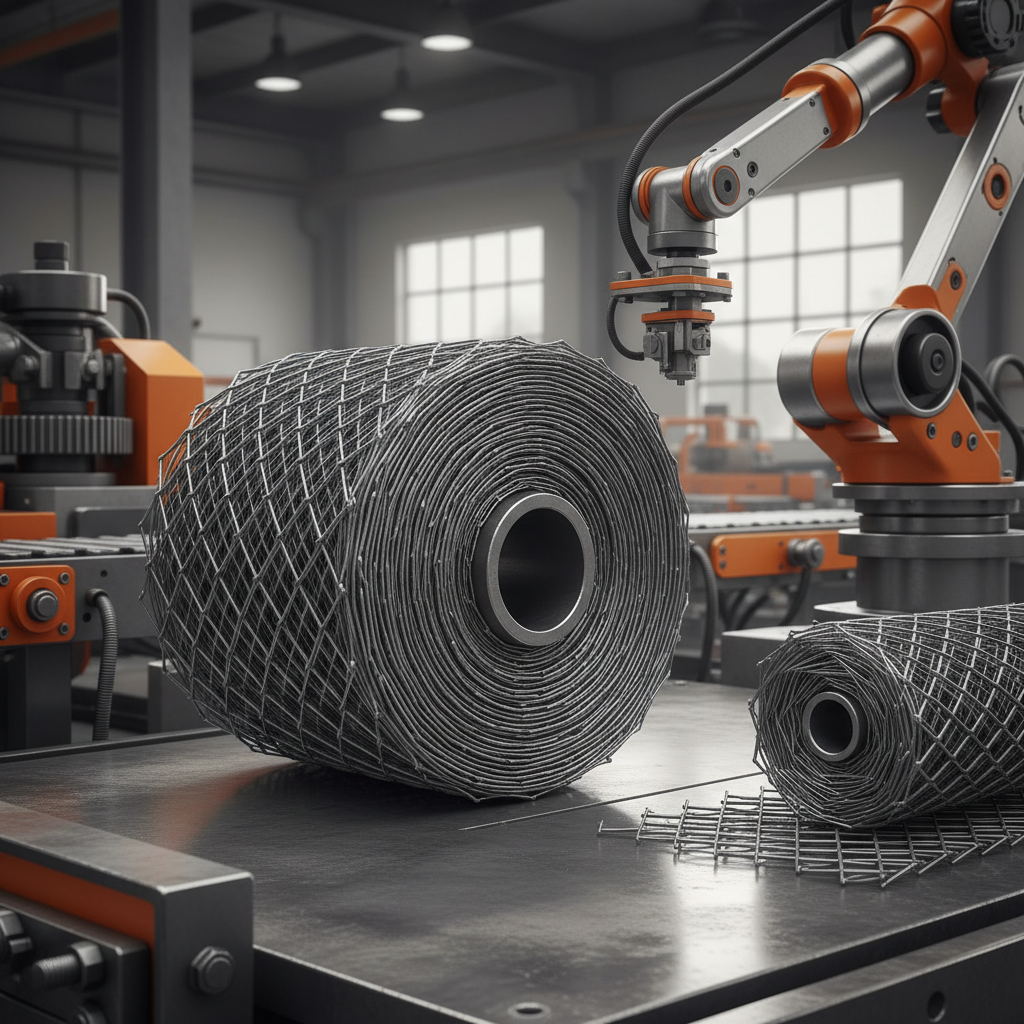
Why Invest in a High-Quality Garden Mesh Roll?
The primary purpose of using a garden mesh roll is to provide a physical deterrent against animals and pests without obstructing the vital flow of air, light, and water. Unlike solid barriers, mesh allows your plants to breathe and receive natural precipitation while keeping out rabbits, birds, and other intruders. Durability is a critical factor; professional-grade mesh is often UV-stabilized to prevent the material from becoming brittle and breaking under the harsh summer sun. By choosing a roll with a consistent weave, you ensure there are no weak points that pests can exploit.
Key Advantage: UV-stabilized materials ensure that the mesh maintains its structural integrity for multiple seasons, reducing the need for frequent replacements and lowering overall maintenance costs.
Choosing the Right Garden Mesh Roll Material
Not all mesh is created equal. Depending on your specific needs—whether it's supporting climbing plants or keeping out rodents—the material you choose for your garden mesh roll will vary. Plastic-coated steel offers maximum strength for heavy-duty barriers, while high-density polyethylene (HDPE) is lightweight, rust-proof, and discreet. Selecting the correct aperture size (the size of the holes) is equally important; smaller holes stop smaller insects, while larger gaps are sufficient for keeping out larger mammals.
Material Quick-Guide:
• HDPE Plastic: Best for lightweight avian protection and rust-free longevity.
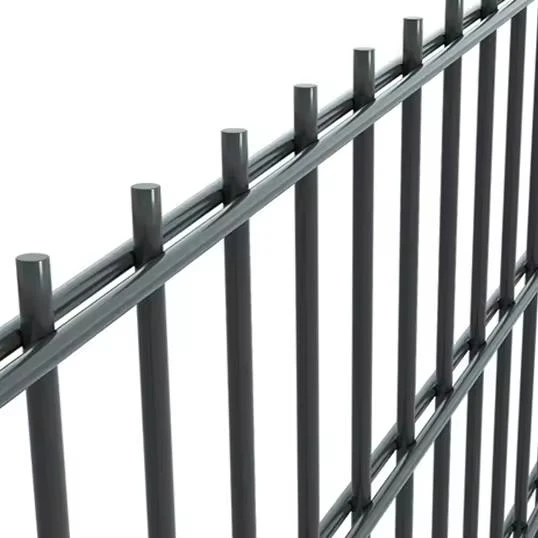
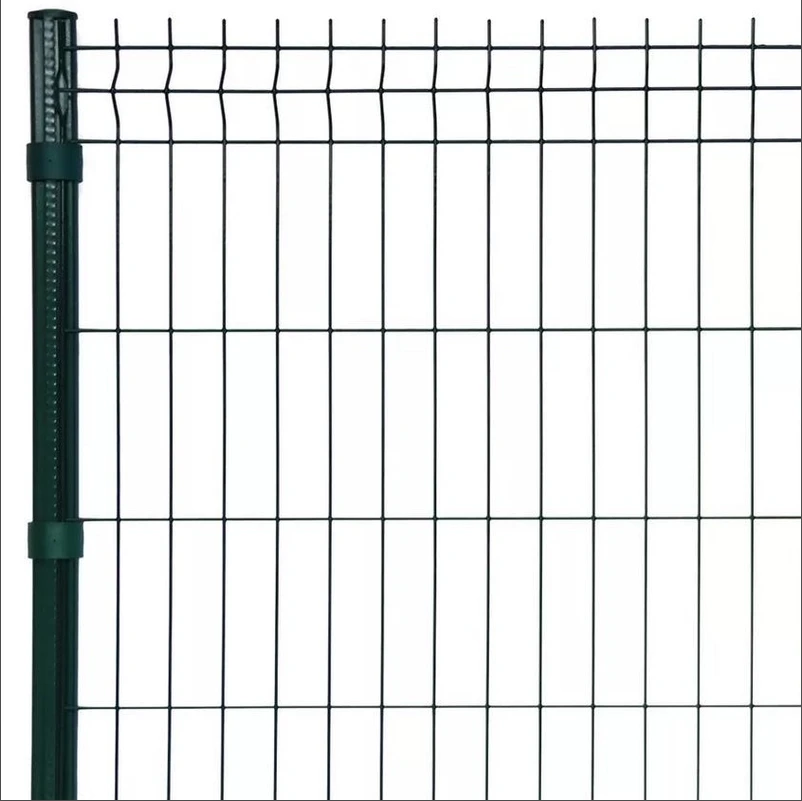
• Galvanized Steel: Ideal for heavy-duty fencing and rodent prevention.
• Nylon Mesh: Perfect for soft support and temporary seasonal coverage.
Comparing Different Garden Mesh Roll Specifications
When purchasing a garden mesh roll, it is essential to compare the technical specifications to ensure the product matches your garden's scale. Factors such as roll width, total length, and mesh gauge determine how much area you can cover and how much tension the material can withstand. Below is a comparison of the most common types of mesh used in modern horticulture.
Effective Installation Tips for Garden Mesh Roll
The effectiveness of your garden mesh roll depends largely on how it is installed. For ground-level protection against burrowing animals, it is recommended to bury the bottom 6-10 inches of the mesh vertically into the soil. For overhead protection, creating a "hoop house" structure using PVC pipes allows the mesh to drape naturally without touching the plants, which prevents pests from simply pushing the mesh aside. Tensioning is key; ensure the roll is pulled taut using sturdy stakes or zip ties to avoid sagging, which can create entry points for animals.
Versatile Applications of Mesh in Modern Gardening
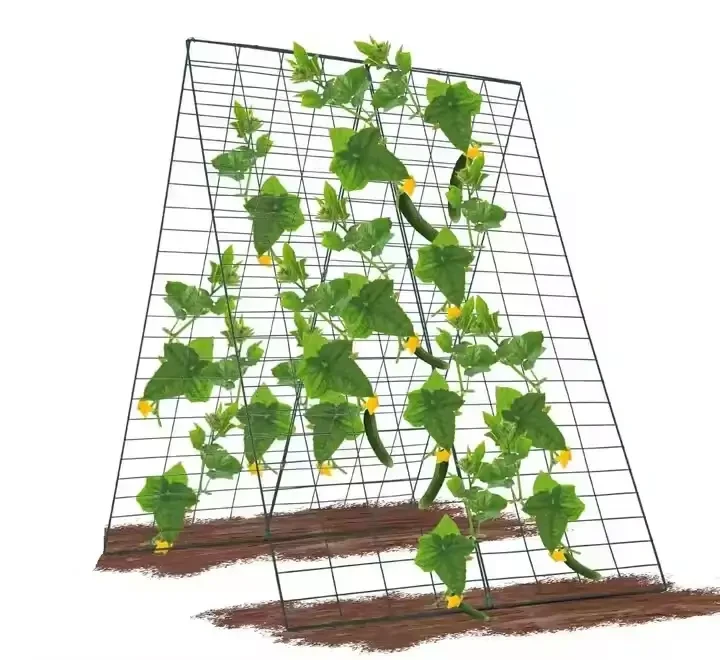
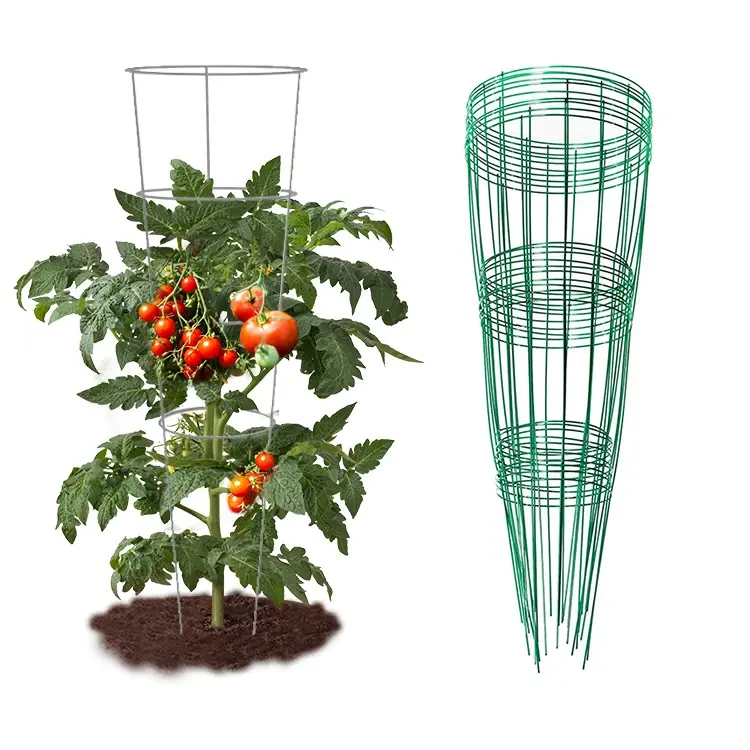
Beyond simple pest control, a garden mesh roll serves numerous functional purposes. Many gardeners use it as a trellis for climbing peas, beans, or cucumbers, providing the necessary grip for tendrils to ascend. In larger agricultural settings, mesh rolls are used to create temporary enclosures for young saplings, protecting them from wind damage and livestock. Additionally, mesh can be layered over compost bins to prevent oversized debris from entering while allowing organic matter to break down efficiently.
Technical Specifications for Industrial-Grade Mesh
For those requiring bulk quantities for commercial use, understanding the industrial specifications of a garden mesh roll is vital. Commercial rolls are typically manufactured to strict tolerances to ensure uniformity across thousands of square meters. High-tensile strength is measured to ensure the mesh does not stretch or warp under pressure. Below are the standard technical specifications often found in professional-grade offerings.
Conclusion: Securing Your Harvest with Precision
Investing in a professional garden mesh roll is one of the most cost-effective ways to ensure the health and safety of your garden. By selecting the right material, adhering to proper installation techniques, and understanding the technical specifications, you can effectively eliminate pest threats and provide structural support for your plants. Protect your hard work and your passion for gardening with a durable, reliable mesh solution that stands the test of time.
Frequently Asked Questions (FAQs)
How do I choose the correct mesh size for my garden?
Choosing the correct mesh size depends entirely on the size of the pests you are trying to exclude. For small insects or birds, a fine-gauge mesh (1/4 inch or smaller) is required. If you are dealing with larger animals like rabbits or groundhogs, a larger aperture (1/2 inch to 1 inch) is usually sufficient and allows for better airflow. It is always better to choose a slightly smaller mesh size if you are unsure, as this provides a higher level of security against a wider variety of intruders.
Can a garden mesh roll be used for vertical gardening?
Absolutely. A durable garden mesh roll is an excellent alternative to traditional wooden trellises. Because it is flexible and can be cut to any size, it is ideal for creating vertical walls for climbing plants like ivy, cucumbers, or pole beans. To use it for this purpose, simply attach the mesh to a sturdy frame or a wall using U-nails or heavy-duty staples, ensuring there is a small gap between the mesh and the wall for air circulation.
Is the mesh environmentally friendly and safe for plants?
Most professional garden meshes are made from non-toxic, food-grade plastics (like HDPE) or galvanized steel, making them safe for use in vegetable gardens. Because mesh allows sunlight, rain, and air to penetrate freely, it does not interfere with the natural growth cycle of the plant. For those looking for maximum sustainability, we recommend choosing UV-stabilized HDPE, which has a long lifespan and reduces the amount of waste generated by frequent replacements of low-quality netting.
How long does a typical garden mesh roll last?
The lifespan of your mesh depends heavily on the material and the environmental conditions. A standard nylon mesh might last 1-2 seasons, whereas a UV-stabilized HDPE mesh can last 5-10 years. Galvanized steel mesh can last decades if properly maintained. To extend the life of your mesh, avoid using sharp tools that might tear the fabric and store any unused portions of the roll in a cool, dry place away from direct sunlight when not in use.
-
Complete Guide to Choosing a Durable 4 foot wire fence rollNewsApr.16,2026
-
Guide to Choosing the Best Square Wire Fencing Roll for SecurityNewsApr.16,2026
-
High Quality Steel Welded Wire Rolled Fencing for Secure BoundariesNewsApr.16,2026
-
High Quality Black Fence Roll for Secure and Discreet PerimeterNewsApr.16,2026
-
Ultimate Guide to Temporary Fence Roll for Site Security and SafetyNewsApr.16,2026