-

-
 Whatsapp:+86 17732187393
-


Finding a balance between upfront cost and long-term durability is the primary challenge for any homeowner looking to secure their outdoor perimeter. While many search for cheap garden fencing, the real goal is usually "value"—acquiring a solution that prevents erosion, deters pets, or defines boundaries without requiring a total budget overhaul.
The market for garden boundaries has shifted from heavy, permanent installations toward modular, prefabricated metal and wire systems. This transition is driven by a need for faster installation and the availability of high-quality powder-coated finishes that extend the life of affordable materials, reducing the frequency of costly replacements.
Selecting the right system requires an understanding of material science and application needs. This guide analyzes how to evaluate low-cost fencing options through the lens of structural integrity and environmental resistance to ensure a smart investment.


When analyzing the cost of fencing, it is essential to differentiate between the "purchase price" and the "lifecycle cost." Lower-end plastics may offer the lowest initial entry point, but they often degrade under UV exposure, leading to brittle failure within a few seasons. In contrast, fabricated metal solutions, such as those produced by Hebei Peiling Tech Co., Ltd., utilize industrial-grade iron and steel to offer a longer operational window.
The economic advantage of metal-based garden hardware lies in its recyclability and repairability. While a broken plastic panel usually requires a full replacement, a metal fence post or wire mesh section can often be reinforced or repainted, significantly lowering the long-term expenditure for the homeowner.
The quality of affordable metal fencing is determined by three primary technical factors: gauge thickness, surface treatment, and joint stability. A common pitfall in budget options is the use of excessively thin steel that bows under wind pressure. Professional fabrication focuses on using materials like flat steel bars (e.g., 4mm thickness) to maintain rigidity without adding unnecessary weight that would complicate shipping and installation.
Surface treatment is the frontline defense against oxidation. Electrostatic powder coating is widely regarded as the industry standard for value-tier products because it creates a hard, non-porous shell. This is far superior to simple spray painting, as it prevents moisture from penetrating the metal substrate, which is critical for products like garden fence posts and wire mesh rolls used in high-humidity environments.
Furthermore, the precision of the fittings determines the stability of the entire perimeter. The use of standardized drill holes and secure mounting points ensures that the fence does not lean over time. When the manufacturing process includes strict quality inspection reports before delivery, the risk of receiving warped components—which often plague the cheapest market offerings—is significantly reduced.
Aesthetics in garden hardware are no longer reserved for high-end custom masonry. Modern fabrication allows for the integration of luxury design styles into affordable metal products. This is achieved through laser cutting screens and hand-forged iron looks that provide a sophisticated appearance while maintaining the efficiency of mass production.
True value in garden fencing is found where modern electrostatic spraying meets traditional structural design, allowing for customizable colors (like RAL9005 Black or RAL6005 Green) that blend with nature while resisting corrosion.
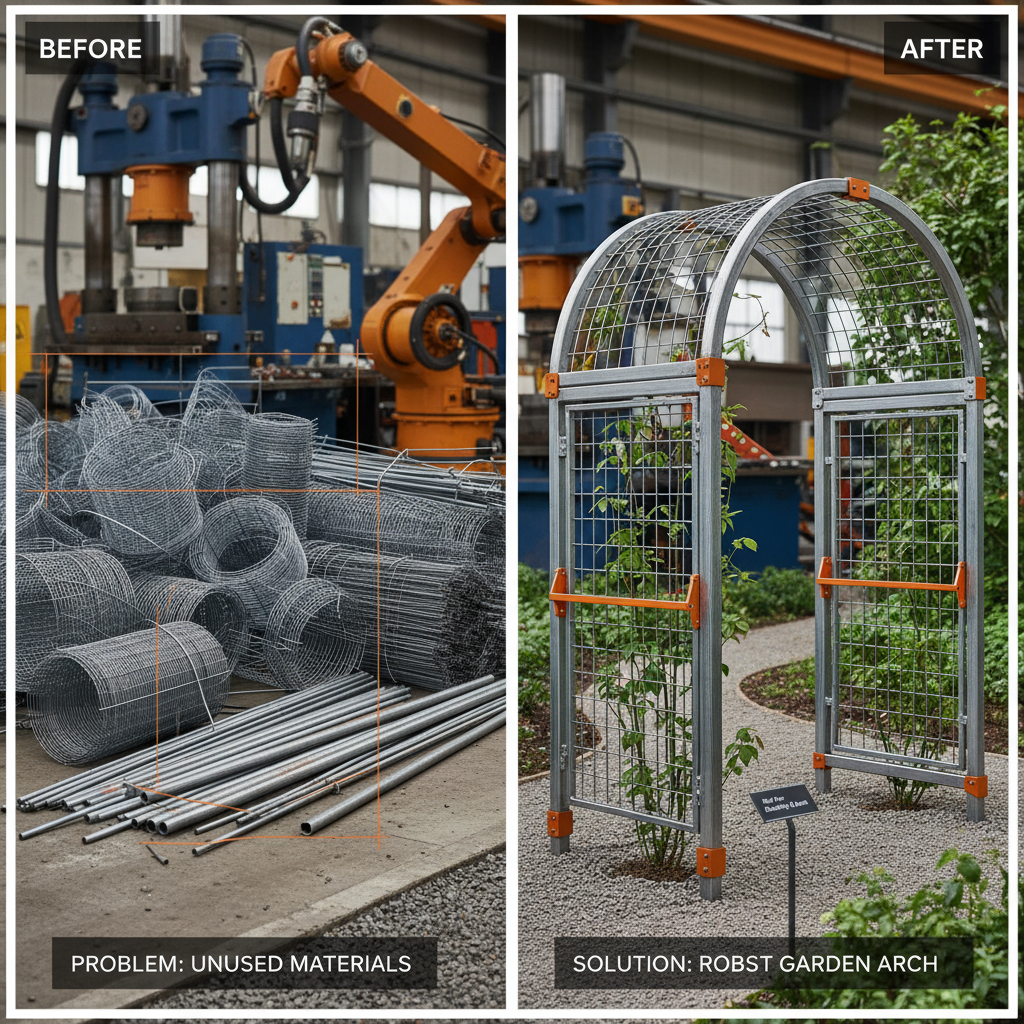
The integration of decorative elements, such as flower trellises or rose arches, allows a functional boundary to serve as a garden centerpiece. By choosing modular components that can be added over time, homeowners can start with a basic functional fence and gradually upgrade the visual appeal without replacing the core infrastructure.
Evaluating different fencing materials requires a qualitative scoring model based on durability, installation ease, and cost. While vinyl is often marketed as low-maintenance, its structural rigidity is lower than metal. Mesh roll fences offer the highest speed of deployment but lower security, whereas panel fences provide a mid-range balance.
The following index illustrates the relative performance of common budget-friendly materials across key operational metrics. This framework helps buyers identify which material aligns with their specific priority—whether it is immediate cost savings or a ten-year lifespan.
In a typical residential setting, the requirements for fencing vary by zone. For instance, a vegetable garden requires a "chicken coop" style wire mesh to deter small animals, while a property border needs a more robust mesh panel fence for privacy and security. Modular systems allow for this mixed-use approach, where different product categories are integrated into a single cohesive layout.
For those focusing on garden deco, incorporating metal hanging wall mount brackets can maximize vertical space. These accessories, crafted from high-quality iron with a 4mm flat bar thickness, allow the addition of flower pots and green plants to existing fence posts. This synergy between structural fencing and decorative hardware transforms a simple boundary into a multi-functional outdoor living area.
The industry is moving toward a "circular economy" model where the longevity of the product is the primary sustainability metric. Reducing the need for replacement through superior powder coating and heavier-gauge steel is more environmentally friendly than using biodegradable materials that require frequent renewal.
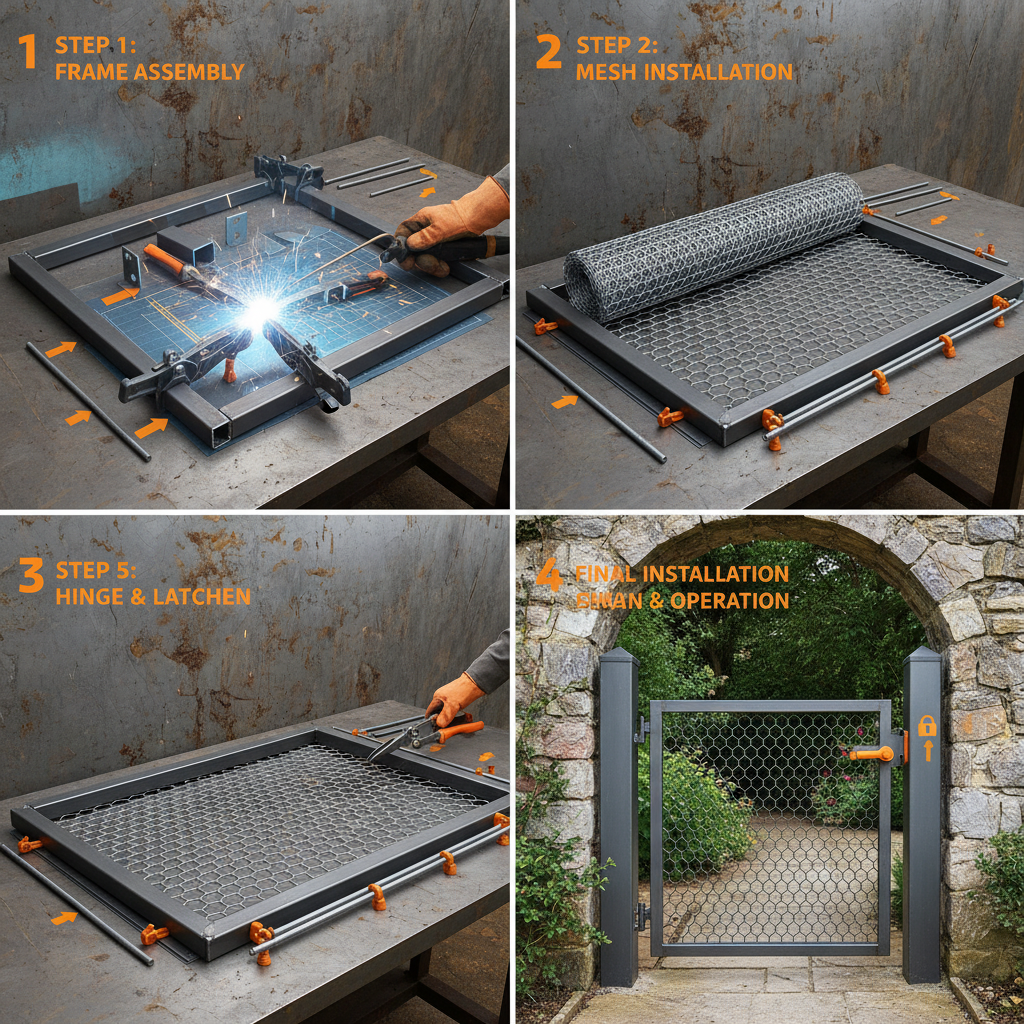
We are also seeing a rise in customizable, user-installed kits. By providing precise components like spiral anchors and post drivers, manufacturers enable homeowners to install professional-grade fencing without hiring expensive contractors. This democratization of installation further reduces the total cost of ownership.
Integration with "smart gardens" is another emerging trend. This includes the use of laser-cut screens that are designed to support climbing plants in specific patterns, optimizing airflow and sunlight for the vegetation while maintaining the security of the perimeter.
When selecting a budget fencing solution, the buyer should avoid focusing solely on the price per linear foot. Instead, the decision should be based on a trade-off analysis between the intended use case and the material properties. For example, a dog playpen requires high impact resistance, whereas a flower trellis only needs to support vertical weight.
A critical error often made is neglecting the "fence fittings." Using low-quality screws or unstable anchors can cause even the highest-quality panels to fail. Investing in heavy-duty steel construction for the mounting hardware ensures the entire system remains upright during extreme weather events.
The following comparison table provides a relative suitability guide to help buyers match their specific scenario with the most appropriate and cost-effective material choice.
| Scenario | Recommended Material | Key Requirement | Relative Suitability |
|---|---|---|---|
| Small Pet Containment | Wire Mesh/Roll | Gap Size Control | High |
| Property Boundary | Mesh Panel Fence | Structural Rigidity | Very High |
| Decorative Border | Powder-Coated Iron | Visual Appeal | High |
| Heavy-Duty Animal Pen | Galvanized Steel | Impact Resistance | Essential |
| Vertical Plant Support | Flat Steel Bar | Load Capacity | High |
| Temporary Zoning | Lightweight Aluminum | Installation Speed | Moderate |
The longevity of affordable fencing depends on the surface treatment and material gauge. Powder-coated finishes are significantly more durable than paint, as they resist chipping and rust. Additionally, choosing a thicker gauge of steel (such as 4mm for structural bars) prevents sagging and warping over time, ensuring the fence remains functional for years rather than months.
Mesh rolls are ideal for large areas, undulating terrain, and basic containment (like chicken coops) because they are flexible and faster to install. Panel fences are better for structured boundaries, security, and aesthetic consistency. Panels offer higher rigidity and a cleaner look but require more precise post-placement and a higher initial investment in fittings.
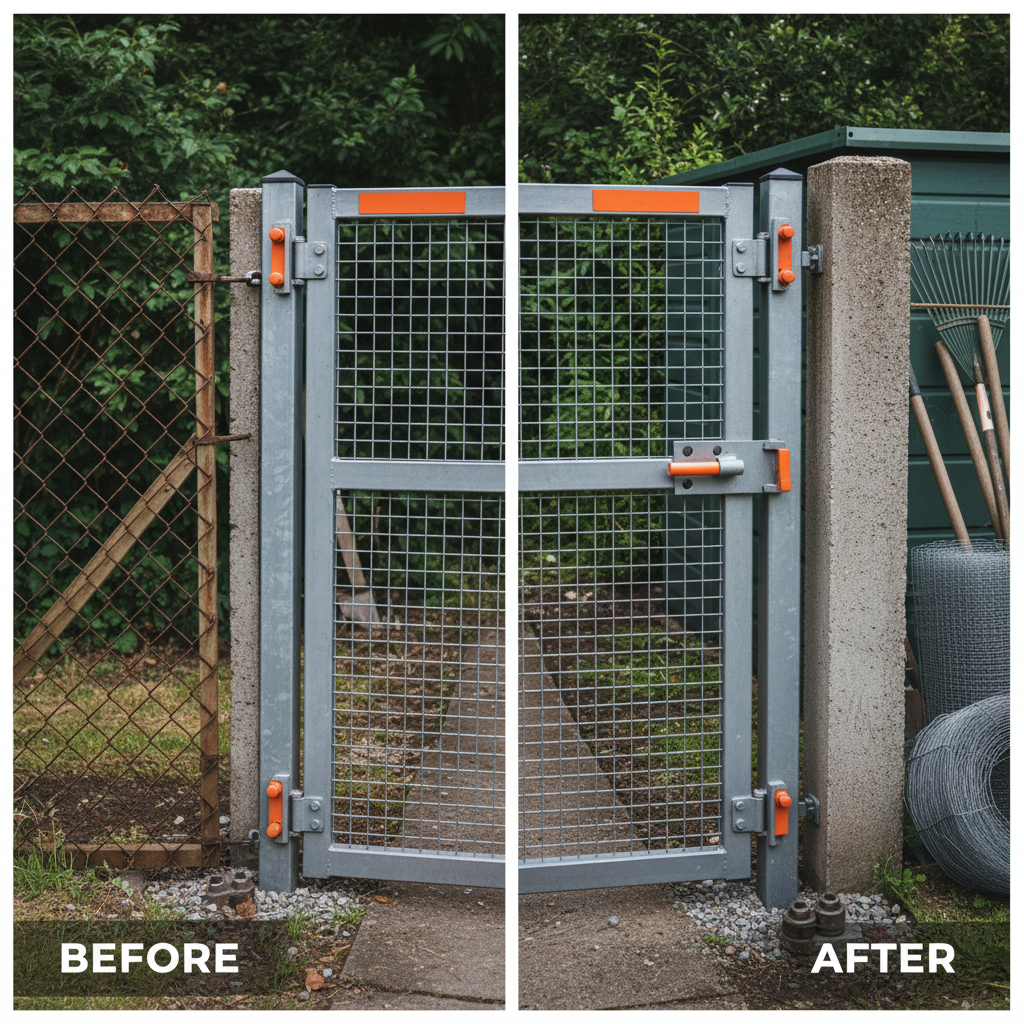
While treated wood can have a lower initial cost, it requires periodic staining, sealing, and eventual replacement due to rot or insect damage. Metal fences, specifically those with electrostatic spraying, are virtually maintenance-free and have a significantly longer lifespan. When calculated as a cost-per-year of service, metal is almost always the more economical choice.
Yes, many professional manufacturers now offer customizable options for RAL colors and design styles. By selecting standard colors like Ral9005 Black or Ral7016 Gray, you can achieve a high-end luxury look. Many modular systems also allow for the addition of customizable laser-cut screens or hand-forged decorative elements to suit specific architectural styles.
The stability depends on the anchor and post system. No matter how strong the panels are, if the post is not securely fixed, the fence will lean. Using specialized tools like post drivers and high-quality pole anchors ensures a firm foundation. For budget-conscious buyers, investing in slightly better posts is the most effective way to ensure the overall system's durability.
Galvanization provides excellent rust protection but has a utilitarian, metallic look. Powder coating offers a similar level of corrosion resistance while providing a wide array of colors and a smoother finish. For residential gardens where aesthetics matter, powder coating is the preferred choice. For industrial or high-corrosion farm environments, hot-dip galvanization remains the technical gold standard.
Securing a garden does not require an unlimited budget, but it does require a strategic approach to material selection. By prioritizing powder-coated metals and standardized fabrication over the cheapest available plastics, homeowners can avoid the cycle of frequent replacement and achieve a professional result.
The shift toward modular, customizable systems ensures that functionality and beauty can coexist. Whether you are installing a simple border fence or a complex animal enclosure, the key is to focus on the technical specifications—gauge, coating, and fittings—to ensure your investment provides lasting value.