-

-
 Whatsapp:+86 17732187393
 -


358 Mesh Panels: A Comprehensive Guide for Industrial Security
Understanding the Rise of 358 Mesh Panels in Security & Industrial Applications
You know, when you start looking at perimeter security and industrial fencing, it’s easy to get lost in the technical jargon. But frankly, the shift towards 358 mesh panels isn’t just about better materials – it’s about a fundamental change in how we think about security. It’s about visibility, resistance, and frankly, a less… imposing look than traditional solid fencing. I’ve been covering this sector for a while, and I've noticed a really accelerated adoption rate in the last few years. It’s become almost the standard in many applications, and for good reason.
What Exactly Are 358 Mesh Panels?
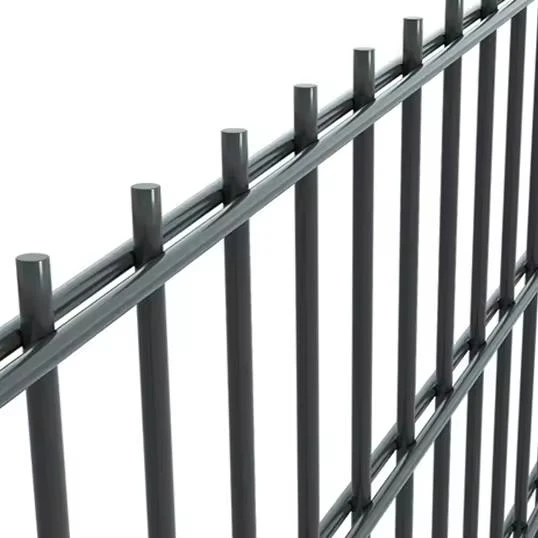
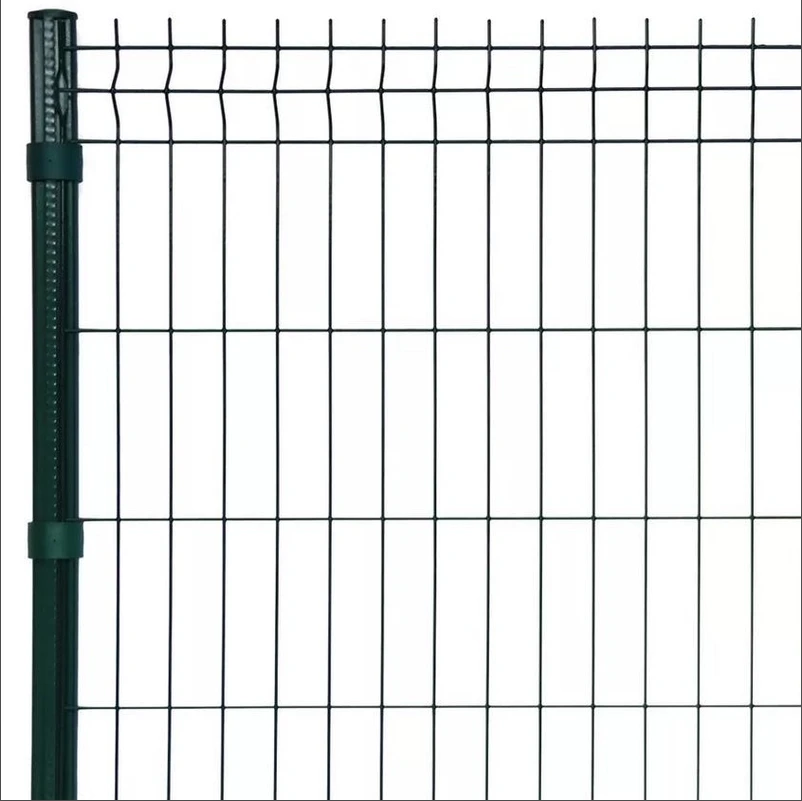
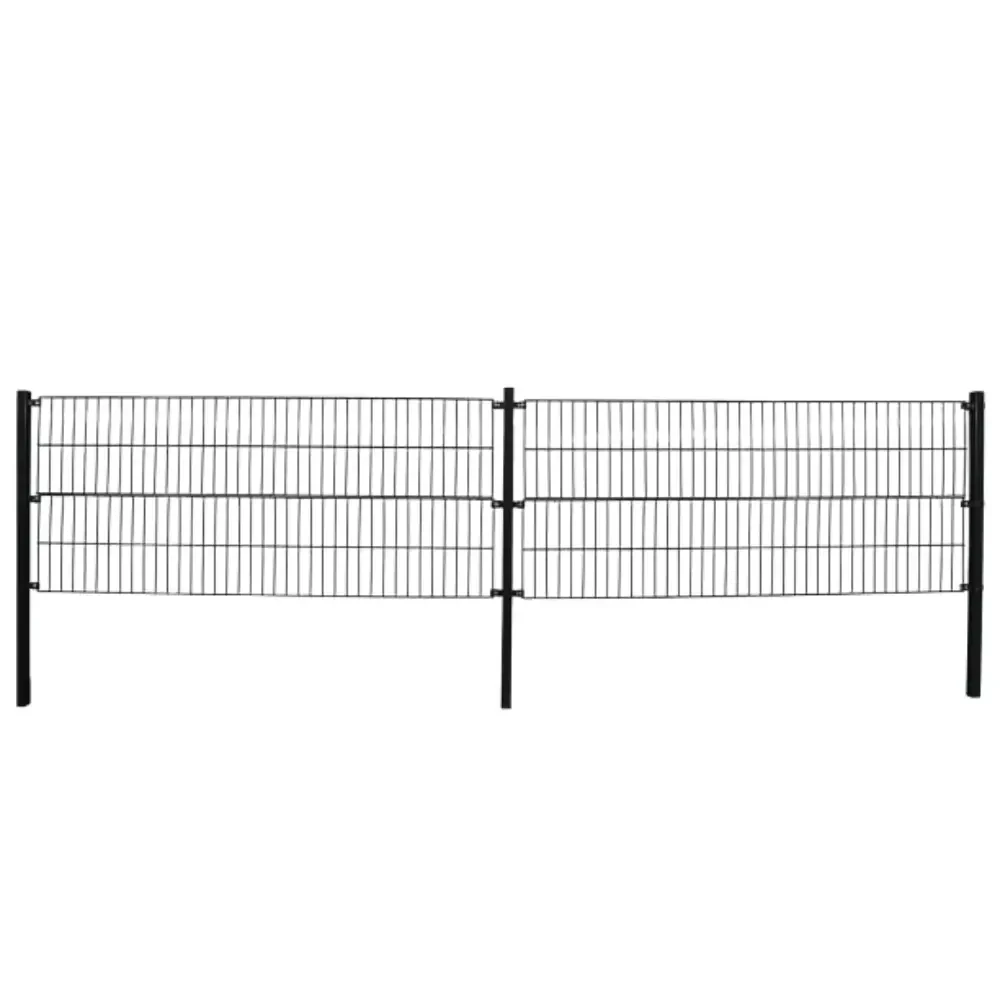
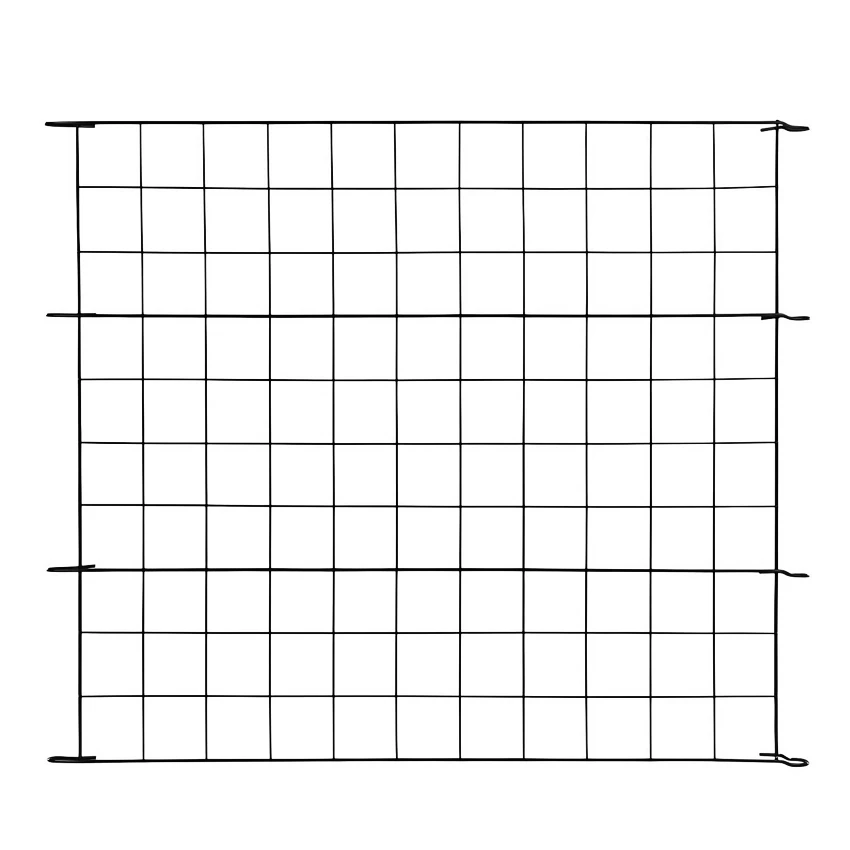
The "358" refers to the panel’s dimensions – 35mm aperture by 8mm wire diameter. It's a welded wire mesh panel, but it’s the specific combination of those dimensions that gives it its unique properties. It’s incredibly difficult to cut with standard tools, offers excellent see-through visibility (which is important for surveillance and fire safety, oddly enough), and it’s surprisingly robust. Many engineers I've spoken with appreciate the consistency of the welded construction; there are fewer weak points compared to woven wire. The materials are typically galvanized steel, and often with a powder coating for extra corrosion resistance.
| Specification | Value | Notes |
|---|---|---|
| Aperture Size | 35mm x 8mm | Standard Dimension |
| Wire Diameter | Typically 4mm - 6mm | Impact Resistance |
| Coating | Galvanized & Powder Coated | Corrosion Protection |
| Panel Height | Up to 3m | Customizable |
Where Are These Panels Actually Used?
The applications are remarkably broad. You see it everywhere from high-security prisons and airports to industrial parks and schools. It’s really taken off in the logistics sector – warehouses, distribution centers… It’s about protecting assets, but also maintaining a visible, open environment. A client I worked with recently, a large cold storage facility, switched to 358 panels to improve visibility for security cameras. They were struggling with blind spots with their old fencing. I suppose the increased visibility allows for more effective monitoring. And, honestly, it just looks more modern.
| Vendor | Price (per meter) | Lead Time | Customization Options |
|---|---|---|---|
| Peiling Tech | $45 - $60 | 2-3 weeks | Extensive |
| Secure Solutions Inc. | $50 - $75 | 3-4 weeks | Limited |
| Global Fence Co. | $40 - $55 | 4-6 weeks | Moderate |
Long-Term Value: Cost, Maintenance, and the Bigger Picture
Honestly, the initial cost might be slightly higher than some traditional chain link options. But the lower maintenance requirements and extended lifespan—you’re looking at decades, really—make it a very cost-effective choice in the long run. You’re not constantly repairing breaks or replacing damaged sections. Many facilities managers I’ve talked to say they’ve significantly reduced maintenance budgets after switching. And as regulations around security tighten, and the need for clear visibility increases, I think the demand will only continue to grow.
Sustainability and the Future of Perimeter Protection
The increasing focus on sustainable materials and responsible manufacturing is definitely impacting the fencing industry. Many manufacturers, including Peiling Tech, are investing in more environmentally friendly coatings and production processes. I suppose this is driven both by consumer demand and stricter environmental regulations. The durability of 358 mesh itself is a sustainability factor, reducing the need for frequent replacements, which… is a good thing.
Frequently Asked Questions about 358 Mesh Panels
- What is 358 Mesh Panels and how does it work?
- 358 Mesh Panels are a type of welded wire mesh fencing characterized by a 35mm aperture and 8mm wire diameter. They provide a high level of security due to their robust construction and difficulty to cut, while maintaining good visibility for surveillance.
- What are the main benefits of using 358 Mesh Panels in industrial applications?
- Key benefits include high security, excellent visibility, low maintenance, long lifespan, and resistance to climbing and cutting. These features make them ideal for protecting industrial assets and perimeters.
- How does 358 Mesh Panels compare to traditional alternatives?
- Compared to chain-link or solid fences, 358 Mesh Panels offer superior security and visibility. They are more difficult to climb and cut than chain-link, and provide better surveillance opportunities than solid fences.
- What industries can benefit most from 358 Mesh Panels implementation?
- Industries like logistics, warehousing, utilities, data centers, and high-security facilities can particularly benefit from 358 Mesh Panels due to their security features and durability.
Conclusion on 358 Mesh Panels
Ultimately, the rise of 358 mesh panels isn’t just a trend—it's a sign that security is evolving, becoming more sophisticated, and prioritizing both protection and transparency. Choosing the right partner, like Peiling Tech, is crucial for a successful implementation.
- Visit our website: https://www.peilingtech.com
-
Complete Guide to Choosing a Durable 4 foot wire fence rollNewsApr.16,2026
-
Guide to Choosing the Best Square Wire Fencing Roll for SecurityNewsApr.16,2026
-
High Quality Steel Welded Wire Rolled Fencing for Secure BoundariesNewsApr.16,2026
-
High Quality Black Fence Roll for Secure and Discreet PerimeterNewsApr.16,2026
-
Ultimate Guide to Temporary Fence Roll for Site Security and SafetyNewsApr.16,2026
-
High Quality Garden Mesh Roll Guide for Protecting Green SpaceNewsApr.09,2026