-

-
 Whatsapp:+86 17732187393
 -


Comprehensive Guide to Anti Climb Panels for Enhanced Property Security
Understanding and Choosing the Right Anti Climb Panels
Securing your property from unauthorized access is a critical concern for businesses and homeowners alike. Anti climb panels offer a robust and effective solution, providing a significant deterrent against scaling walls and fences. This article will delve into the benefits, applications, materials, and important considerations when selecting anti climb panels to protect your investment. We’ll explore how choosing the right system can safeguard your perimeter and offer peace of mind. You can explore our range of solutions at Peiling Technology.
What are Anti Climb Panels?
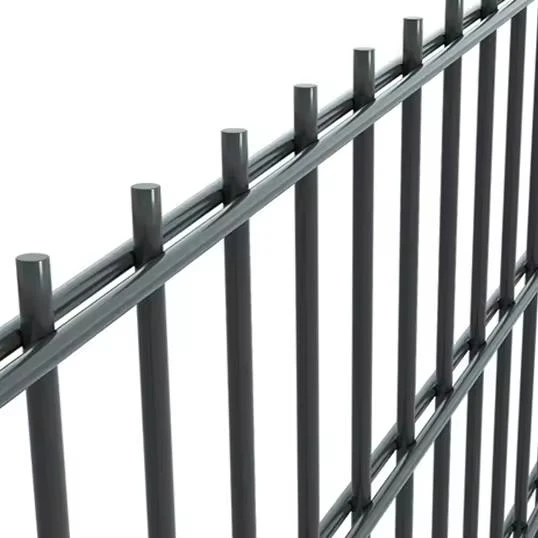
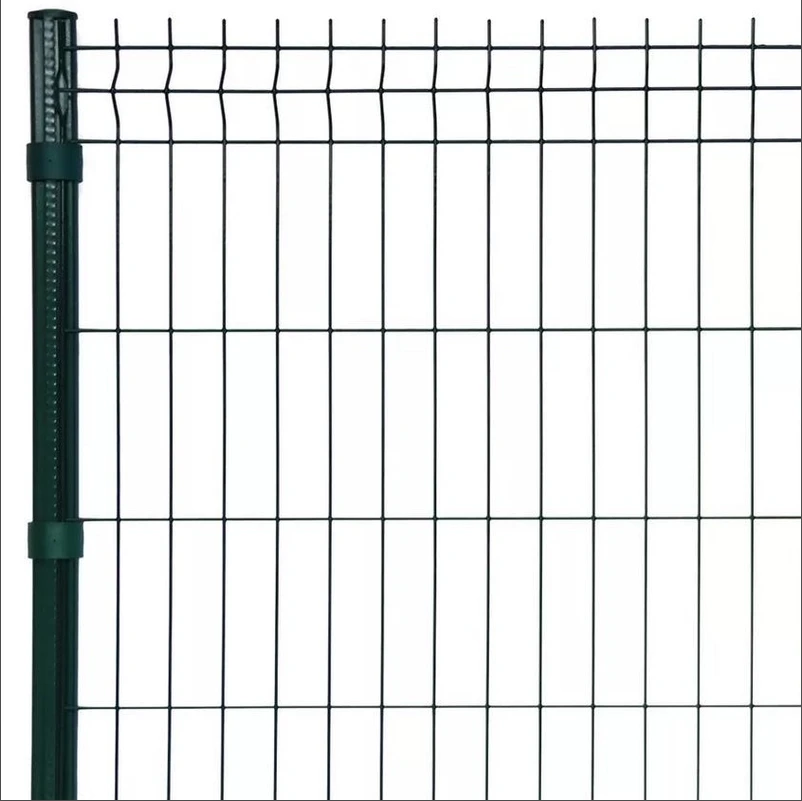
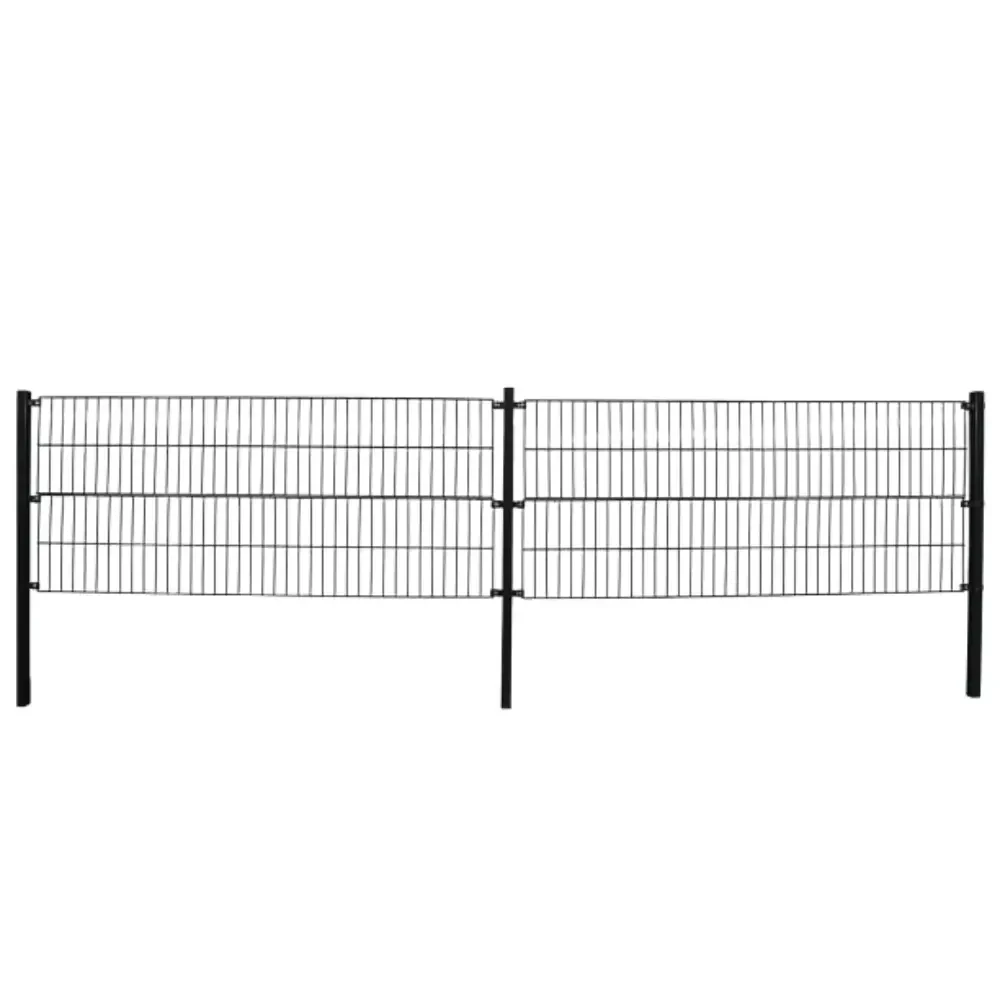
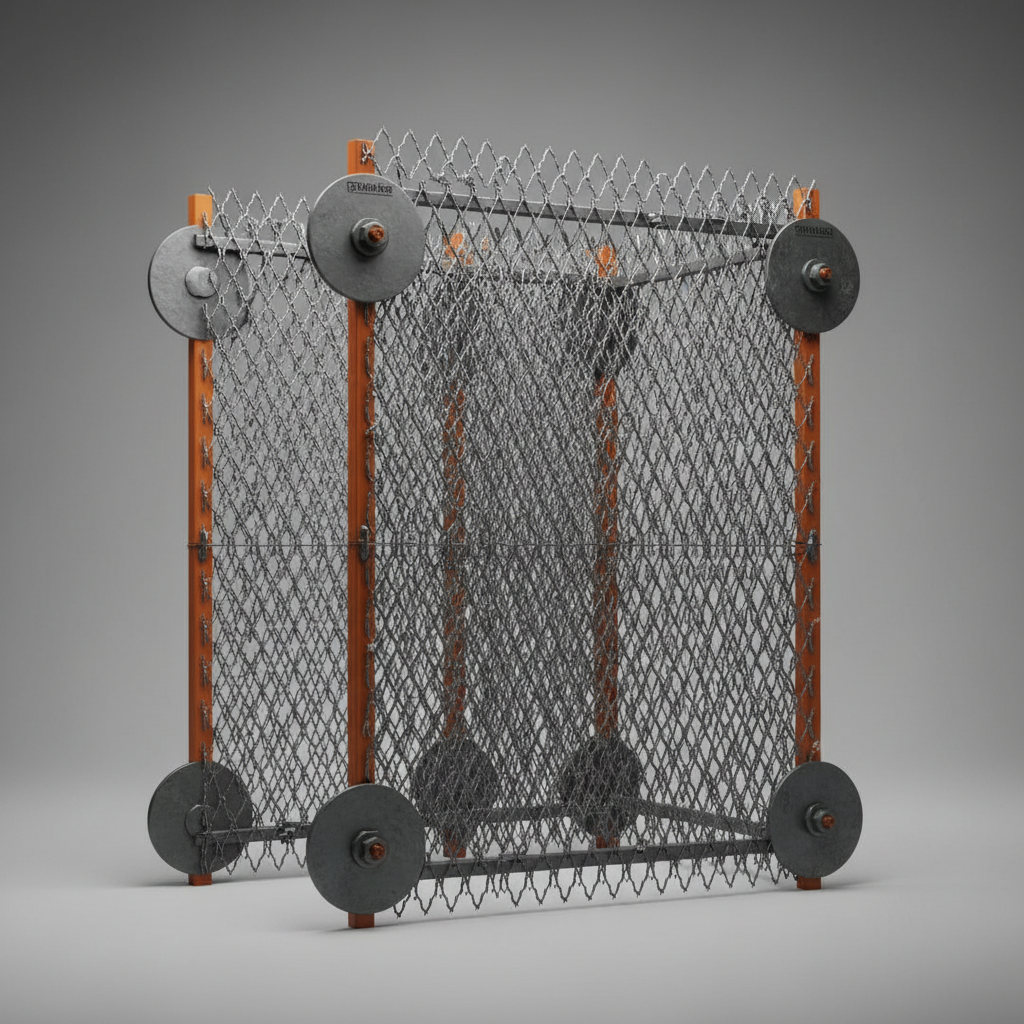
Anti climb panels are security barriers designed to prevent individuals from scaling walls, fences, or other vertical structures. They typically consist of a series of overlapping, angled elements that make it extremely difficult to gain a foothold or grip. These panels are a proactive security measure, significantly reducing the risk of intrusion and vandalism. They are increasingly used in a variety of settings, from commercial properties to residential buildings, to protect assets and ensure safety. Peiling Technology specializes in designing and manufacturing high-quality, durable anti climb solutions.
Key Benefits: Deters climbing attempts, Increases security, Enhances property protection, Durable and long-lasting.
Common Applications for Anti Climb Panels
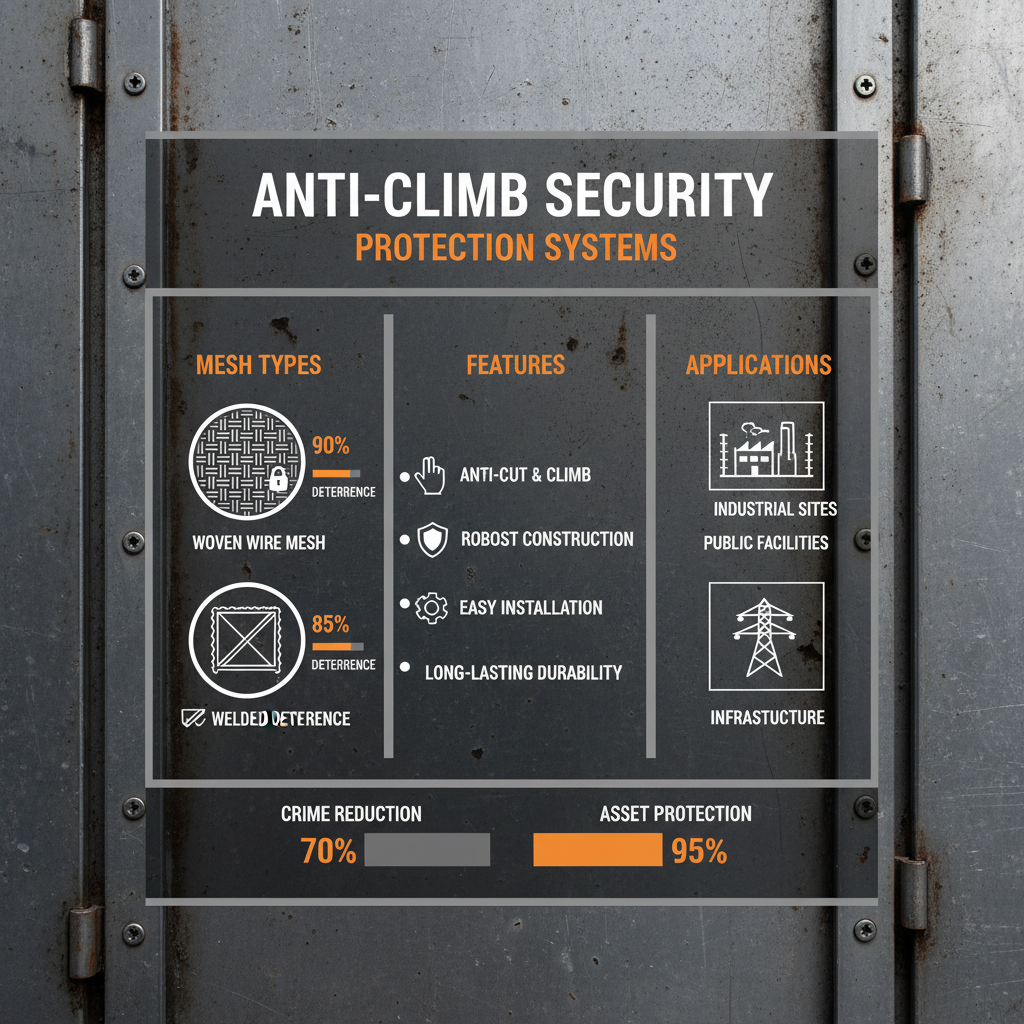
The versatility of anti climb panels makes them suitable for a wide range of applications. They are commonly used around commercial buildings, warehouses, industrial facilities, schools, and detention centers. Residential properties can also benefit from added security provided by these panels, particularly around vulnerable areas like gardens or rear access points. They are also frequently used with existing fencing systems to create a more secure perimeter. Contact Peiling Technology to discuss your specific security needs.
Application Areas:
• Commercial Properties
• Industrial Facilities
• Schools and Educational Institutions
• Residential Properties
• Data Centers
Materials Used in Anti Climb Panels: A Comparative Overview
Anti climb panels are constructed from a variety of materials, each offering different levels of security, durability, and cost-effectiveness. The most common materials include galvanized steel, stainless steel, and aluminum. Each material has its advantages and disadvantages, depending on the specific application and environmental conditions.
Installation and Maintenance of Anti Climb Panels
Proper installation is crucial for the effectiveness of anti climb panels. It’s recommended to engage professional installers to ensure the panels are securely mounted to the wall or fence, following the manufacturer's guidelines. Regular inspections are also important to identify any signs of damage or tampering. Maintenance typically involves cleaning the panels to remove dirt and debris. Addressing any corrosion or damage promptly will extend the lifespan of the system. Peiling Technology offers installation support and maintenance advice.
Choosing the Right Anti Climb Panel System: Key Considerations
When selecting anti climb panels, consider the height of the structure, the level of security required, the environmental conditions, and your budget. It's essential to choose a system that is specifically designed for your application and meets all relevant safety standards. Look for panels that are manufactured from high-quality materials and are backed by a warranty. Peiling Technology offers a free consultation service to help you determine the best solution for your needs.
Conclusion: Secure Your Property with Reliable Anti Climb Solutions
Investing in anti climb panels is a proactive step towards enhancing the security of your property. By choosing a high-quality system from a reputable manufacturer like Peiling Technology, you can deter unauthorized access, protect your assets, and enjoy peace of mind.
Frequently Asked Questions (FAQs)
What is the typical lifespan of anti climb panels?
The lifespan of anti climb panels varies depending on the material used, environmental conditions, and maintenance practices. Galvanized steel panels typically last 10-20 years with proper care. Stainless steel panels offer an even longer lifespan, potentially exceeding 25 years. Aluminum panels may have a shorter lifespan, around 5-10 years, particularly in harsh environments. Regular inspections and prompt repairs are crucial for maximizing the lifespan of any anti climb system.
Are anti climb panels difficult to install?
While a DIY installation is possible, it's highly recommended to engage professional installers. Correct installation is critical for ensuring the panels provide the intended level of security. Professionals have the experience and expertise to securely mount the panels to the wall or fence, following manufacturer's guidelines and ensuring compliance with safety standards. Incorrect installation can compromise the effectiveness of the system and potentially create safety hazards.
Can anti climb panels be used with existing fences?
Yes, anti climb panels can often be retrofitted to existing fences. However, it's essential to ensure the fence is structurally sound and capable of supporting the weight of the panels. A professional assessment is recommended to determine the compatibility of the fence and the appropriate mounting method. Peiling Technology provides site surveys to assess your existing fence and recommend the best solution.
What maintenance is required for anti climb panels?
Regular maintenance is minimal but important. Periodic cleaning to remove dirt, debris, and vegetation is recommended. Inspections should be conducted at least annually to check for corrosion, damage, or loose fixings. Any corrosion should be treated promptly to prevent further deterioration. Tighten any loose fixings and repair or replace any damaged panels immediately to maintain the security of the system.
-
Complete Guide to Choosing a Durable 4 foot wire fence rollNewsApr.16,2026
-
Guide to Choosing the Best Square Wire Fencing Roll for SecurityNewsApr.16,2026
-
High Quality Steel Welded Wire Rolled Fencing for Secure BoundariesNewsApr.16,2026
-
High Quality Black Fence Roll for Secure and Discreet PerimeterNewsApr.16,2026
-
Ultimate Guide to Temporary Fence Roll for Site Security and SafetyNewsApr.16,2026
-
High Quality Garden Mesh Roll Guide for Protecting Green SpaceNewsApr.09,2026