-

-
 Whatsapp:+86 17732187393
 -


Comprehensive Guide to Choosing the Right 4x4 Wire Fence Roll for Your Needs
Understanding 4x4 Wire Fence Roll: A Comprehensive Guide
When securing your property or containing livestock, selecting the right fencing material is crucial. A 4x4 wire fence roll offers a robust and cost-effective solution for a variety of applications. This article provides an in-depth look at the benefits, applications, installation, and considerations when choosing a 4x4 wire fence roll. We’ll explore how choosing the right fence can protect your investment and provide long-lasting security.
What is a 4x4 Wire Fence Roll?
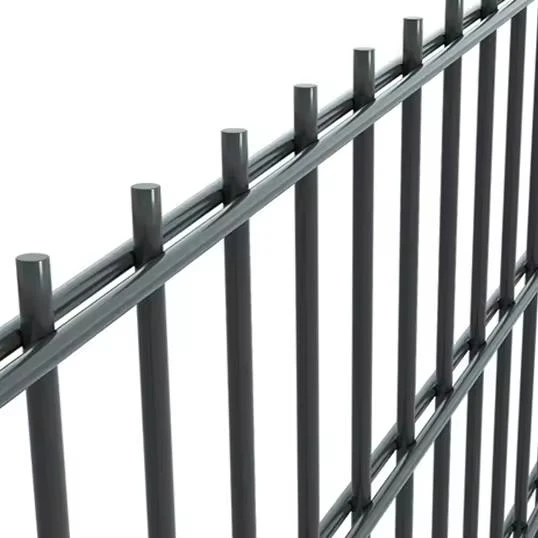
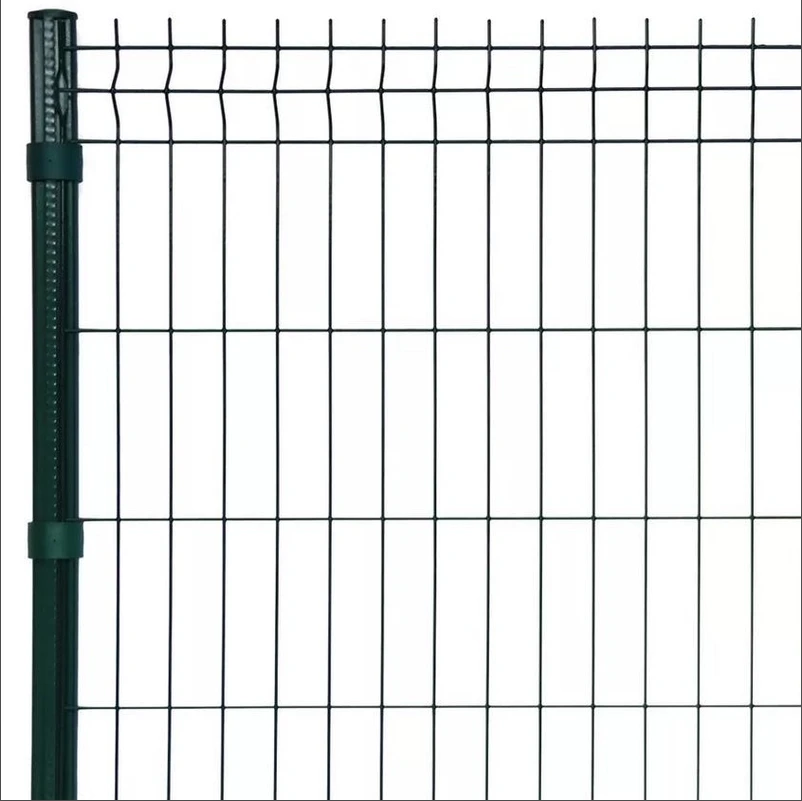
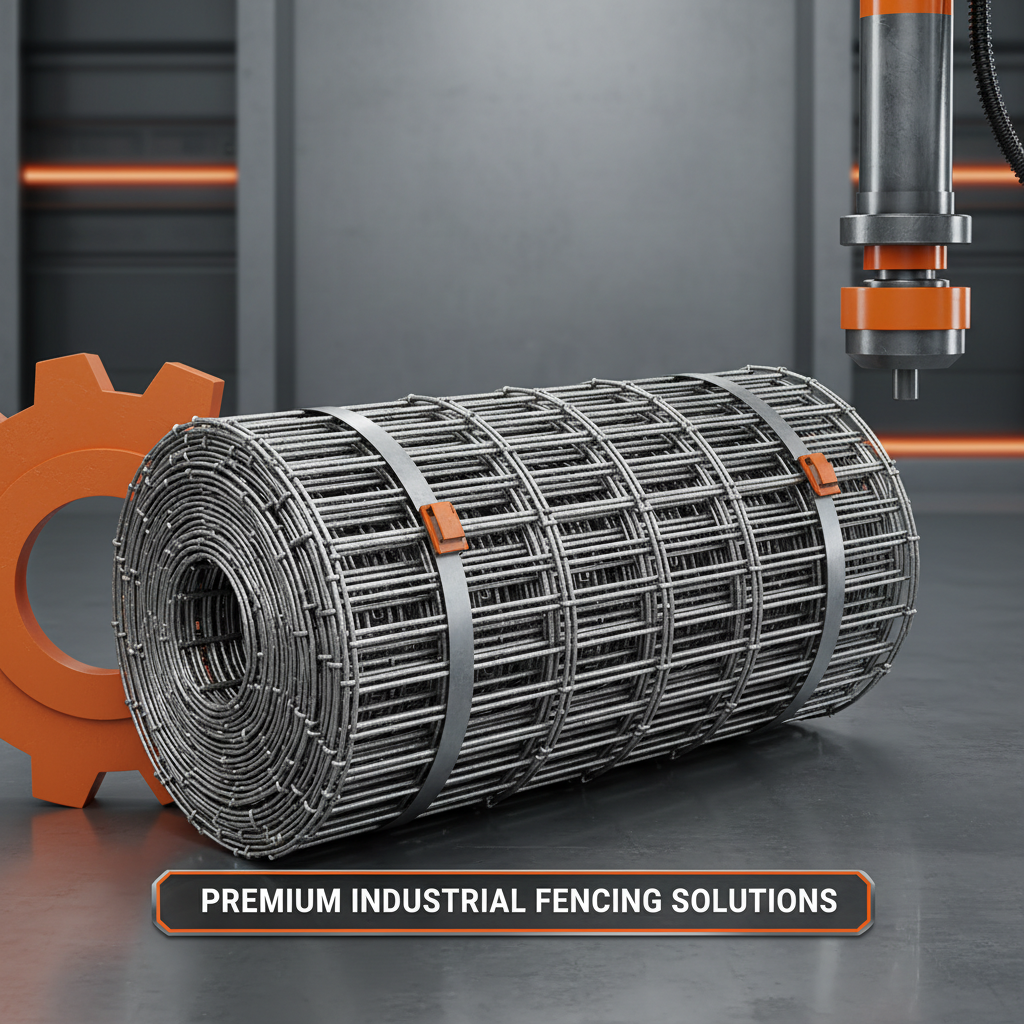
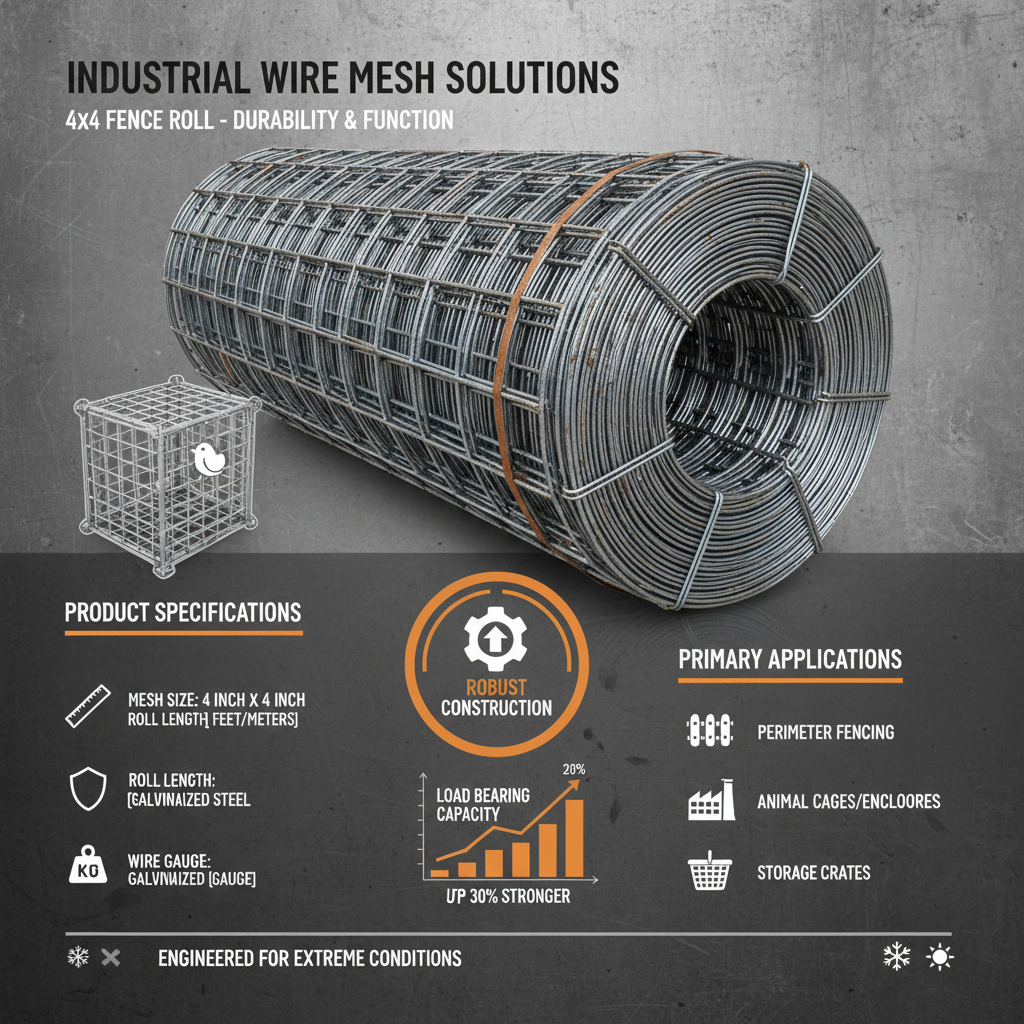
A 4x4 wire fence roll refers to fencing material where the openings in the mesh are approximately 4 inches by 4 inches. These rolls typically come in varying heights and lengths, making them adaptable to diverse fencing needs. The wire gauge (thickness) also varies, impacting the fence's strength and durability. Commonly made from galvanized steel or with a galvanized core and a vinyl coating, these rolls offer resistance to corrosion and weathering. A quality 4x4 wire fence roll is a worthwhile investment for long-term security.
Key Highlights: Durable, cost-effective, versatile for various applications like livestock containment, garden protection, and property security.
Common Applications of 4x4 Wire Fence Roll
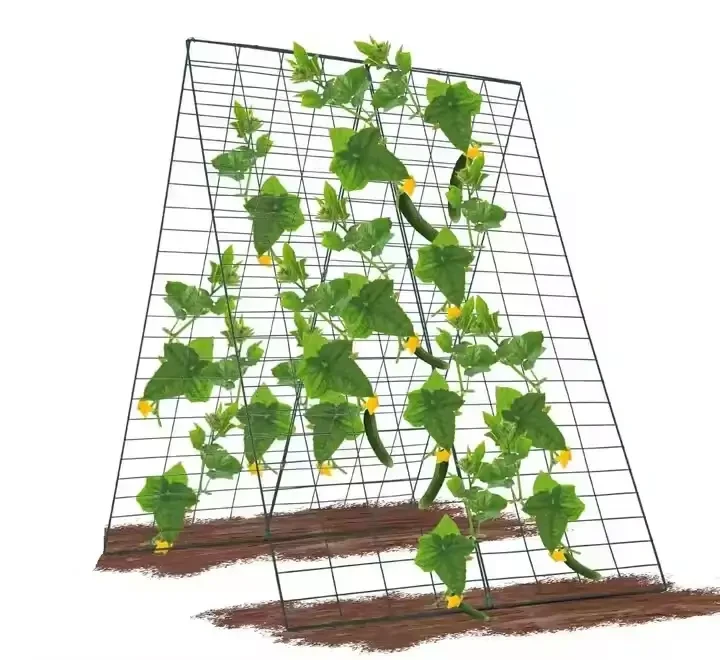
The versatility of a 4x4 wire fence roll makes it suitable for numerous applications. One primary use is containing livestock, such as cattle, horses, goats, and sheep. The 4x4 mesh size is generally sufficient to prevent animals from escaping while providing adequate ventilation. It’s also frequently used for creating garden fences to protect plants from deer, rabbits, and other pests. Additionally, it serves as an effective perimeter fence for residential or rural properties, enhancing security and defining boundaries. The robustness of the fence makes it ideal for challenging terrains.
Application Benefits:
• Livestock containment and control
• Garden and plant protection
• Property boundary definition and security
• Versatile for various terrains and applications
4x4 Wire Fence Roll: Material and Gauge Considerations
Choosing the right material and gauge is crucial for the longevity and effectiveness of your fence. Galvanized steel is a popular choice due to its corrosion resistance. For increased durability and aesthetics, consider vinyl-coated wire, which provides protection against rust and a more appealing appearance. The wire gauge, measured in numbers (e.g., 12.5 gauge, 14 gauge), indicates the wire’s thickness. Lower gauge numbers represent thicker, stronger wire. For larger animals or areas prone to high stress, a lower gauge (thicker) wire is recommended. Peiling Tech offers a variety of materials and gauges to suit your specific needs.
Installation Tips for 4x4 Wire Fence Roll
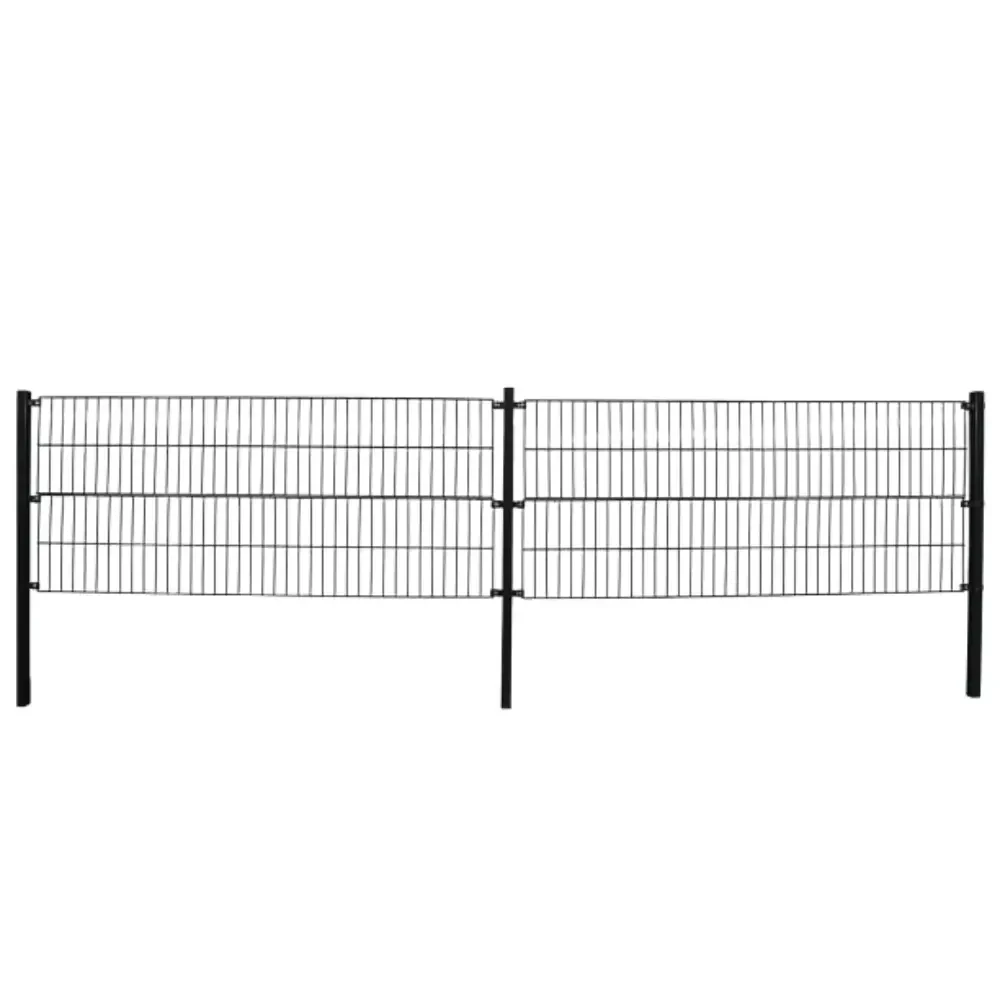
Proper installation is crucial for a secure and long-lasting fence. Start by setting sturdy posts at regular intervals – typically 8-12 feet apart. Use appropriate post materials (wood, metal, or composite) based on soil conditions and fence height. Ensure posts are deeply embedded in the ground for stability. Stretch the wire fence roll tautly between posts, using tension bars or stretchers to achieve the correct tension. Secure the wire to the posts with staples, clips, or tie wires. Consider adding a top rail for increased stability, especially for taller fences. We at Peiling Tech recommend following manufacturer guidelines for specific installation recommendations.
Cost and Supplier Considerations
The cost of a 4x4 wire fence roll varies depending on the material, gauge, height, length, and supplier. Generally, galvanized steel is more affordable than vinyl-coated options. It’s important to compare prices from multiple suppliers and consider the overall value, including quality and warranty. Choosing a reputable supplier ensures you receive a high-quality product and reliable customer support. Peiling Tech provides competitive pricing and a wide selection of 4x4 wire fence rolls to meet your budget and requirements.
Conclusion: Choosing the Right 4x4 Wire Fence Roll
Selecting the appropriate 4x4 wire fence roll involves careful consideration of your specific needs and application. By understanding the different materials, gauges, and installation techniques, you can make an informed decision that provides long-lasting security and value. Don’t hesitate to consult with fencing professionals for guidance and recommendations.
Frequently Asked Questions (FAQs)
How much does a 4x4 wire fence roll typically cost?
The cost varies significantly based on length, gauge, material (galvanized vs. vinyl-coated), and supplier. A typical 100-foot roll of 4x4 galvanized steel wire fence can range from $50 to $100, while a vinyl-coated roll of the same length may cost between $80 and $150. Larger rolls and thicker gauges will naturally be more expensive. Shipping costs also need to be factored in. It's best to obtain quotes from several suppliers to compare pricing.
What is the recommended post spacing for a 4x4 wire fence?
Generally, posts should be spaced 8-12 feet apart for optimal stability. For heavier animals or areas with uneven terrain, closer spacing (8 feet) is recommended. Corner posts and gate posts require additional reinforcement, and bracing may be necessary to prevent leaning or collapse. The height of the fence also influences post spacing; taller fences typically require closer spacing.
How long will a 4x4 wire fence roll last?
The lifespan depends on several factors, including the material, gauge, climate, and maintenance. Galvanized steel fences can last 10-20 years with proper care, while vinyl-coated fences may last even longer, up to 25 years or more. Regular inspection and repair of any damaged areas are crucial for extending the fence's lifespan. Avoiding contact with abrasive materials and applying protective coatings can also help prevent corrosion.
Is a 4x4 wire fence roll suitable for containing aggressive animals?
For aggressive animals, it’s crucial to use a heavier gauge wire and closer post spacing. A 12.5 or 11.5 gauge wire is recommended, along with posts spaced no more than 8 feet apart. Adding a top rail and reinforcing corner posts will further enhance the fence's strength and durability. Consider using electric fencing in conjunction with the wire fence to deter animals from challenging the barrier.
-
Complete Guide to Choosing a Durable 4 foot wire fence rollNewsApr.16,2026
-
Guide to Choosing the Best Square Wire Fencing Roll for SecurityNewsApr.16,2026
-
High Quality Steel Welded Wire Rolled Fencing for Secure BoundariesNewsApr.16,2026
-
High Quality Black Fence Roll for Secure and Discreet PerimeterNewsApr.16,2026
-
Ultimate Guide to Temporary Fence Roll for Site Security and SafetyNewsApr.16,2026
-
High Quality Garden Mesh Roll Guide for Protecting Green SpaceNewsApr.09,2026