-

-
 Whatsapp:+86 17732187393
 -


Comprehensive Guide to Choosing the Right Metal Fence Roll for Your Needs
Choosing the Right Metal Fence Roll: A Comprehensive Guide
Selecting the right metal fence roll is crucial for security, aesthetics, and longevity. This guide offers a detailed overview, covering types, materials, applications, and factors to consider when making your purchase. A properly chosen fence roll provides a robust and cost-effective barrier for your property. We'll explore everything you need to know to make an informed decision, ensuring you select a product that meets your specific needs and budget.
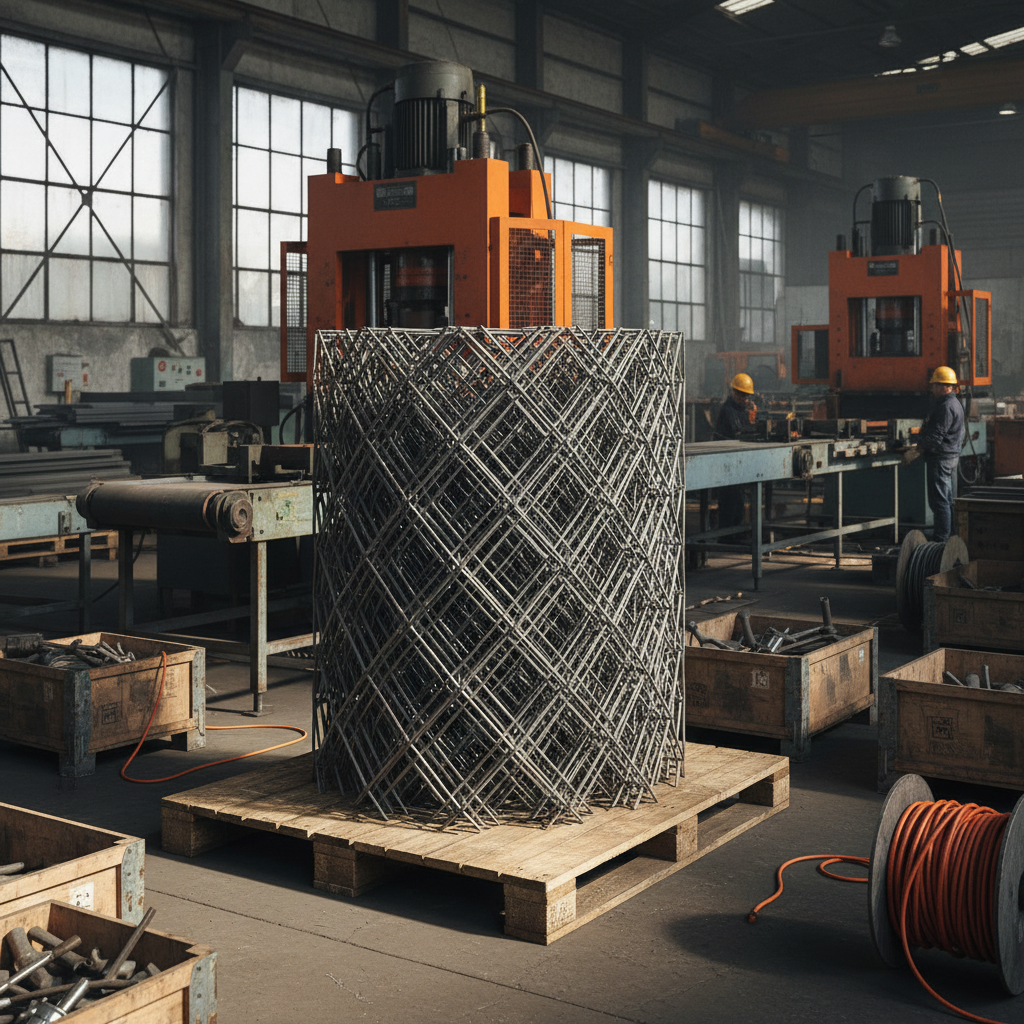
Understanding Different Types of Metal Fence Roll
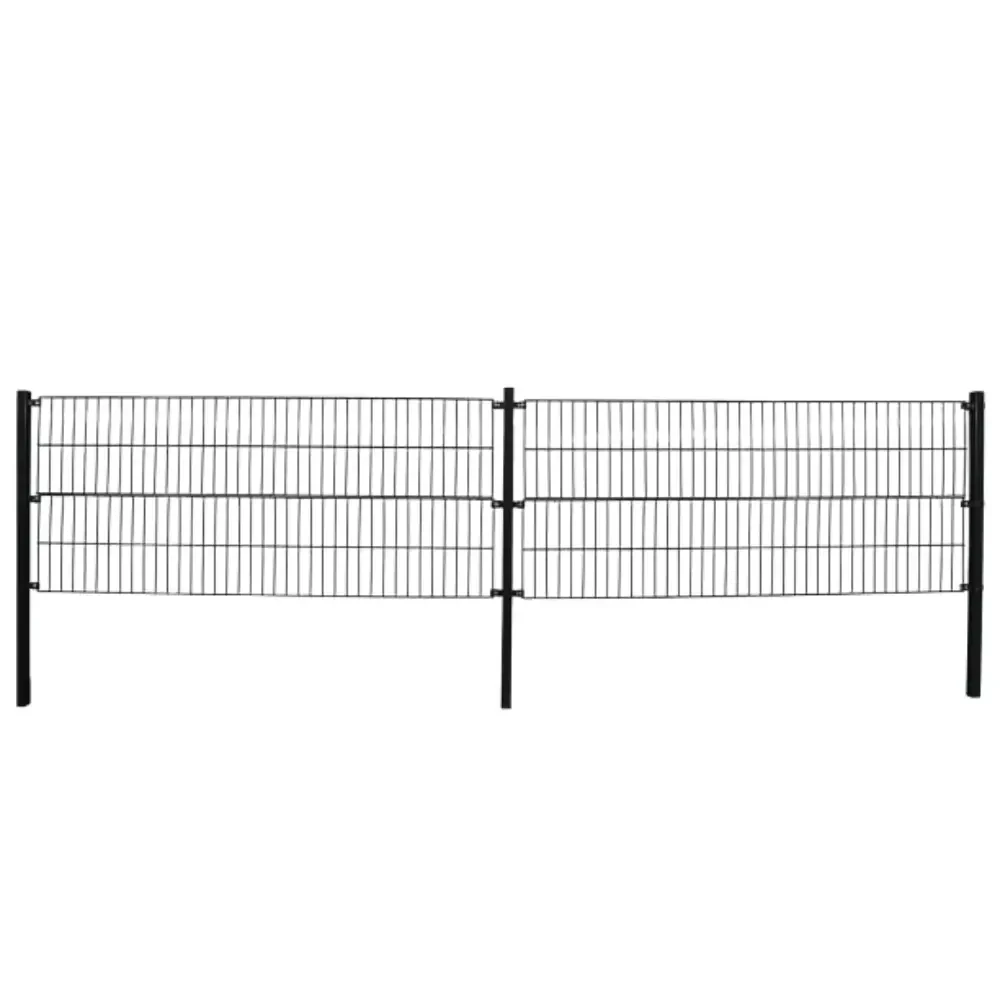
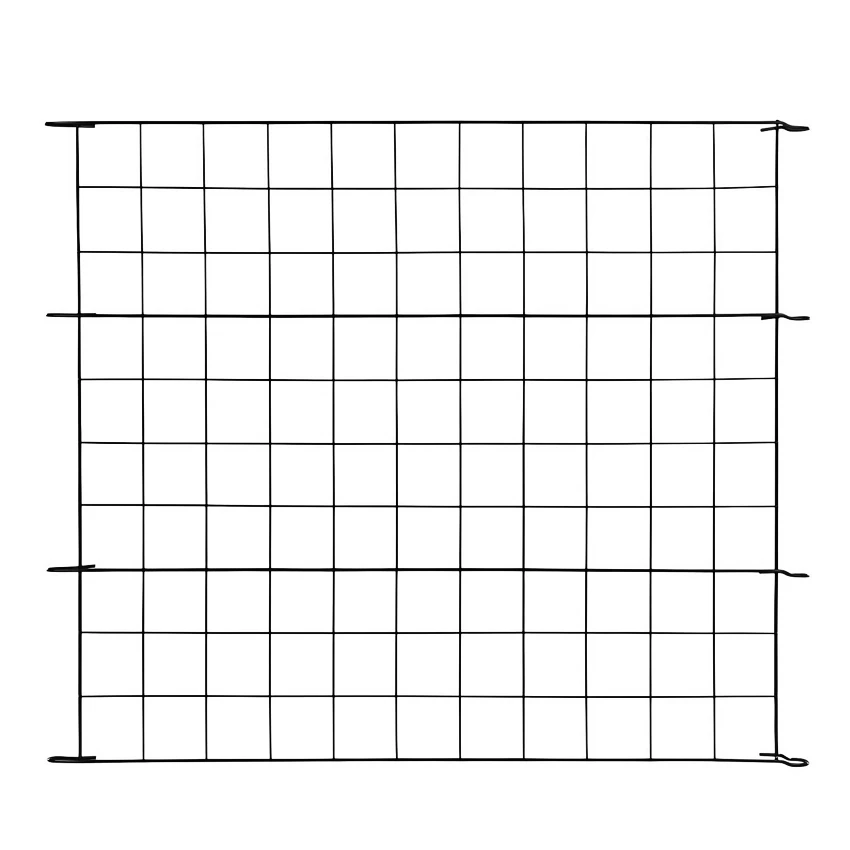
Metal fence rolls come in a variety of types, each with its own advantages. Chain link fence rolls are the most common and affordable, offering good security and visibility. Welded wire fence rolls provide a more rigid and secure barrier, ideal for containing animals or protecting sensitive areas. Razor wire fence rolls are designed for high-security applications and offer a significant deterrent. Understanding the differences between these types is the first step in selecting the right fence for your needs. Consider the level of security required, the aesthetic preferences, and the environmental conditions when choosing a type.
Key Takeaway: Choosing the right fence roll depends on balancing security, cost, and aesthetic considerations. Chain link is budget-friendly, welded wire offers greater rigidity, and razor wire provides maximum security.
Materials Used in Metal Fence Roll Production
The material used in a metal fence roll significantly impacts its durability and corrosion resistance. Galvanized steel is the most popular choice due to its affordability and resistance to rust. Stainless steel offers superior corrosion resistance, making it ideal for coastal areas or harsh environments. Powder-coated steel provides an additional layer of protection and comes in a variety of colors. The choice of material should be based on the climate, proximity to saltwater, and desired lifespan of the fence.
Material Comparison:
• Galvanized Steel: Cost-effective, good corrosion resistance.
• Stainless Steel: Excellent corrosion resistance, higher cost.
• Powder-Coated Steel: Enhanced protection, variety of colors.
Metal Fence Roll: Applications & Uses
Metal fence rolls have diverse applications, ranging from residential boundaries to industrial security. They are commonly used for perimeter fencing, animal enclosures, crowd control, and construction site security. Residential applications often involve chain link for affordability and visibility. Industrial settings frequently employ welded wire or razor wire for enhanced security. Agricultural uses include containing livestock and protecting crops. The versatility of metal fence rolls makes them suitable for a wide range of needs.
Factors to Consider When Buying a Metal Fence Roll
Several factors influence the selection of a metal fence roll. Height is a primary consideration, depending on security needs and local regulations. Roll length determines the amount of fencing required and affects installation complexity. Wire gauge (thickness) impacts the fence's strength and durability. Mesh size influences security and visibility. Budget also plays a role, as prices vary significantly based on material and specifications.
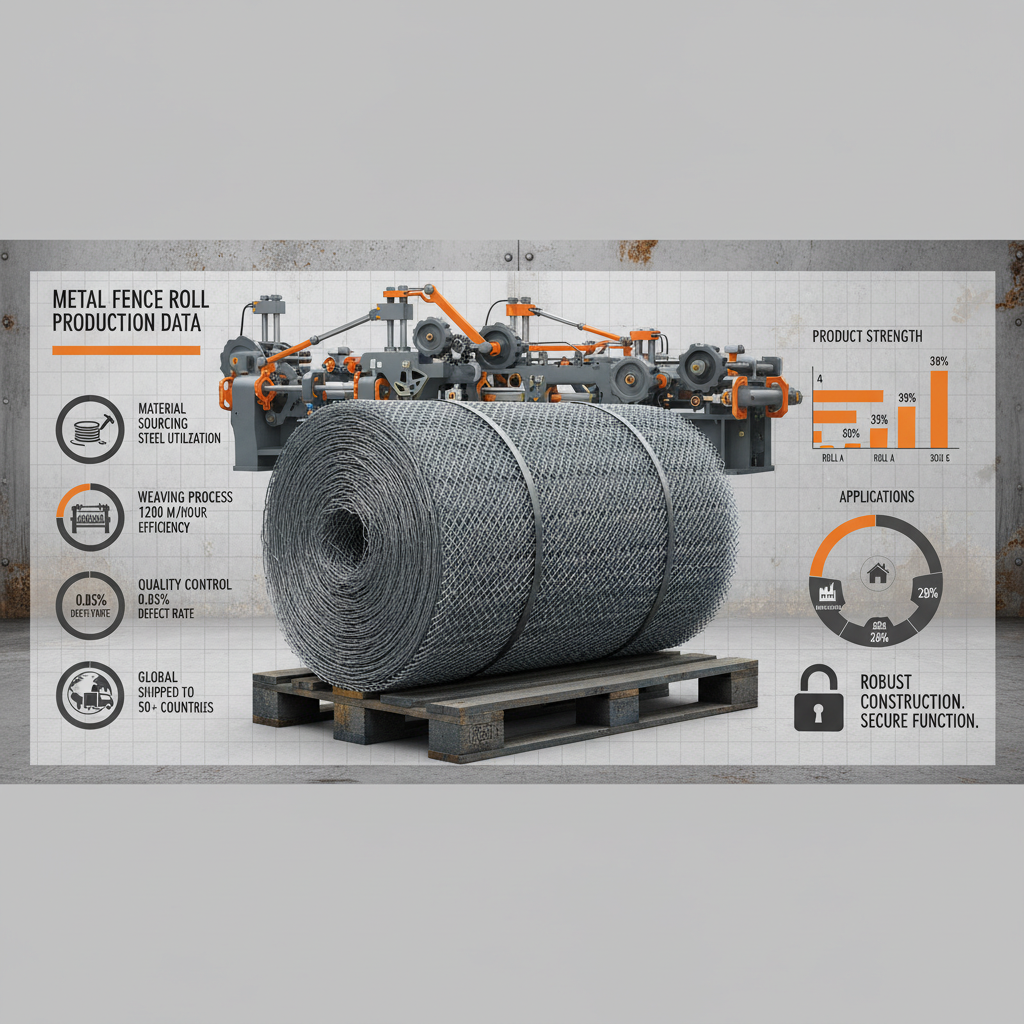
Product Specifications and Quality Control at Peilingtech
At Peilingtech, we pride ourselves on delivering high-quality metal fence rolls that meet rigorous industry standards. Our products undergo strict quality control checks throughout the manufacturing process. Here are some key specifications:
Conclusion: Investing in Quality Metal Fencing
Choosing the right metal fence roll is an investment in security and peace of mind. By carefully considering your needs, understanding the different types and materials, and selecting a reputable supplier like Peilingtech, you can ensure a long-lasting and effective barrier for your property. Don't compromise on quality – choose Peilingtech for reliable, durable, and cost-effective fencing solutions.
Frequently Asked Questions (FAQs)
What is the difference between galvanized and electro-galvanized steel?
Both galvanized and electro-galvanized steel are coated with zinc to prevent rust, but the processes differ. Hot-dip galvanizing involves immersing the steel in molten zinc, creating a thicker, more durable coating. Electro-galvanizing uses an electric current to deposit a thinner layer of zinc. Hot-dip galvanizing offers superior corrosion resistance and is generally preferred for outdoor applications, while electro-galvanizing is suitable for indoor or less harsh environments. Peilingtech offers both options to suit different needs and budgets.
How do I determine the correct height of the fence roll?
The appropriate fence height depends on the level of security needed and any local regulations. For general perimeter fencing, a height of 4-6 feet is common. If you need to deter intruders or contain larger animals, a height of 6-8 feet or more may be necessary. Consider the terrain and potential obstacles when determining the height. It's also essential to check local zoning laws for any height restrictions.
What is the best way to install a metal fence roll?
Installing a metal fence roll typically involves setting posts, stretching the wire, and securing it to the posts with tension bands or ties. Proper post spacing is crucial for stability. Using a fence stretcher ensures the wire is taut and prevents sagging. It's recommended to use appropriate safety gear, such as gloves and eye protection, during installation. If you're not comfortable with DIY installation, consider hiring a professional fence installer.
Does Peilingtech offer custom metal fence roll sizes?
Yes, Peilingtech offers custom metal fence roll sizes to meet specific project requirements. We can adjust the height, length, and mesh size to suit your needs. Contact our sales team with your specifications, and we'll provide a quote for a custom-made fence roll. We're committed to providing flexible solutions to our customers.
-
Complete Guide to Choosing a Durable 4 foot wire fence rollNewsApr.16,2026
-
Guide to Choosing the Best Square Wire Fencing Roll for SecurityNewsApr.16,2026
-
High Quality Steel Welded Wire Rolled Fencing for Secure BoundariesNewsApr.16,2026
-
High Quality Black Fence Roll for Secure and Discreet PerimeterNewsApr.16,2026
-
Ultimate Guide to Temporary Fence Roll for Site Security and SafetyNewsApr.16,2026
-
High Quality Garden Mesh Roll Guide for Protecting Green SpaceNewsApr.09,2026