-

-
 Whatsapp:+86 17732187393
 -


Comprehensive Guide to Durable 10 Gauge Welded Wire Panels for Various Applications
Understanding 10 Gauge Welded Wire Panels: A Comprehensive Guide
10 gauge welded wire panels are robust and versatile fencing solutions widely utilized in various applications, from agricultural enclosures to industrial security. Their strength, durability, and cost-effectiveness make them a popular choice for professionals and DIY enthusiasts alike. This article provides an in-depth look at the benefits, applications, specifications, and considerations when choosing 10 gauge welded wire panels, helping you make an informed decision for your next project. Choosing the right gauge and panel size is crucial for ensuring the longevity and effectiveness of your fence.
What are 10 Gauge Welded Wire Panels?
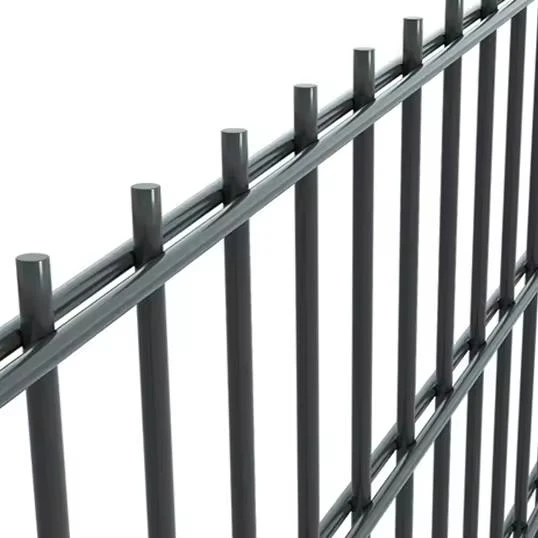
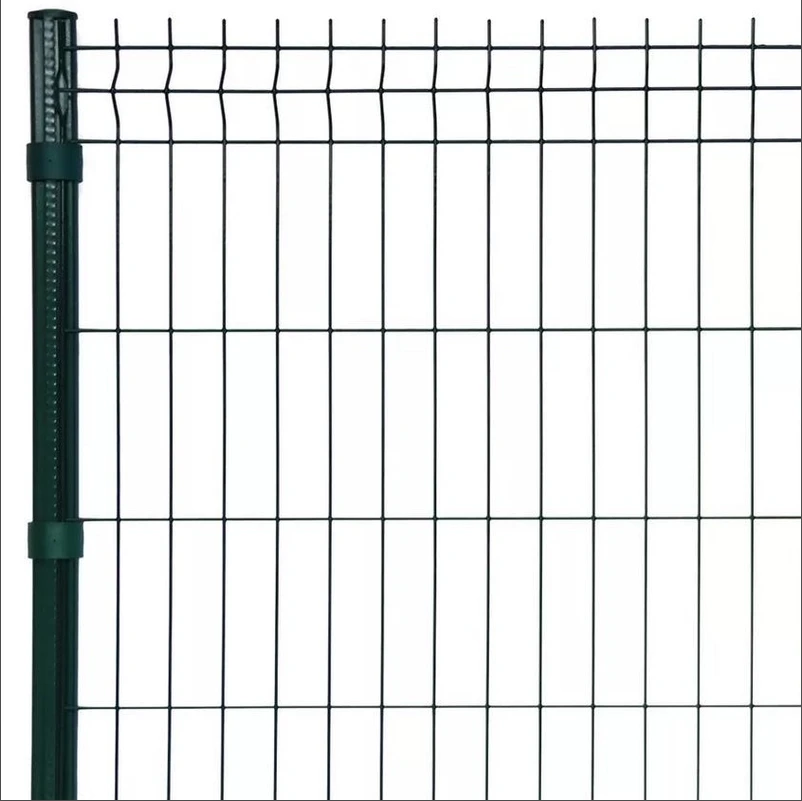
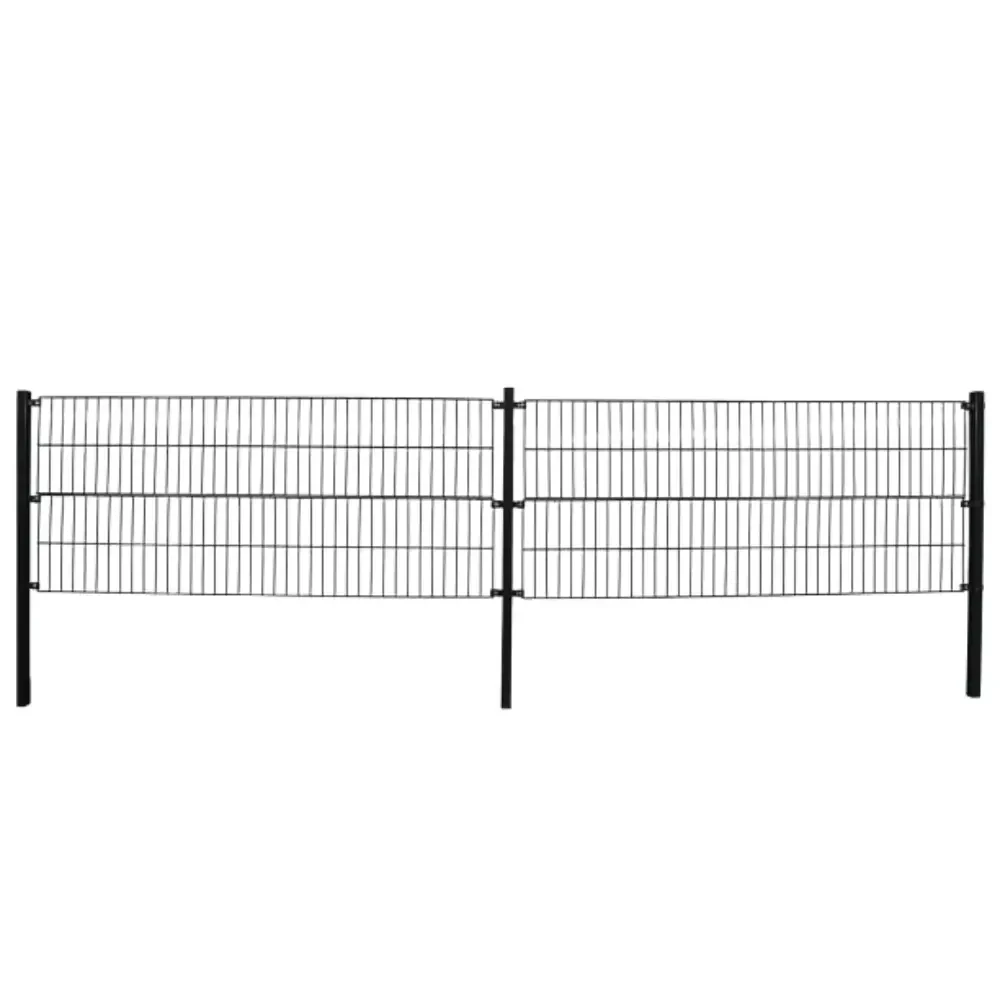
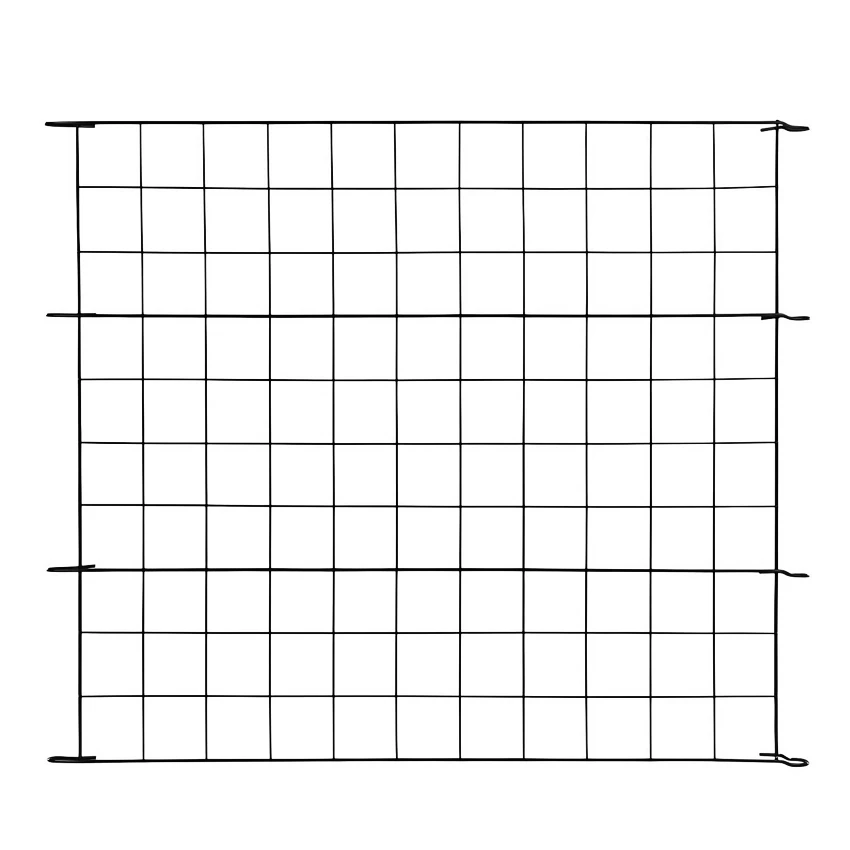
10 gauge welded wire panels consist of a series of wires welded together at their intersections, forming a rigid mesh. The "gauge" refers to the wire thickness; a lower gauge number indicates a thicker wire. Therefore, 10 gauge wire is significantly stronger and more durable than higher-gauge options like 12 or 14 gauge. This increased thickness provides superior resistance to bending, breaking, and sagging, making these panels ideal for applications requiring high security or animal containment. They are available in various mesh sizes (apertures), heights, and widths to suit diverse needs. These panels are often galvanized or powder coated for increased corrosion resistance.
Key Highlights: Constructed from robust 10-gauge wire for exceptional strength and durability. Available in a variety of mesh sizes, heights, and widths. Commonly galvanized or powder-coated for corrosion resistance.
Applications of 10 Gauge Welded Wire Panels
The strength and versatility of 10 gauge welded wire panels lend themselves to a wide array of applications. Common uses include:
- Agricultural Fencing: Containing livestock such as cattle, horses, goats, and sheep.
- Security Fencing: Protecting properties, industrial sites, and sensitive areas.
- Animal Enclosures: Building cages for pets, poultry, or wildlife.
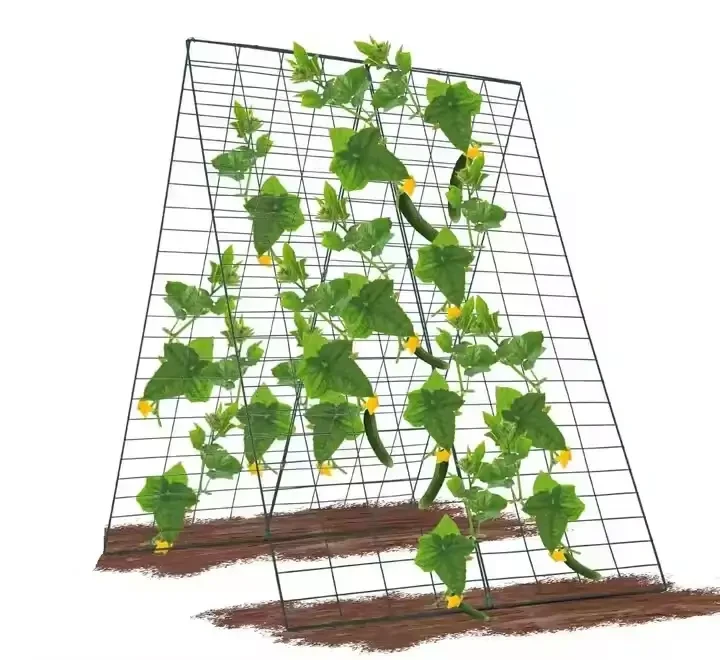
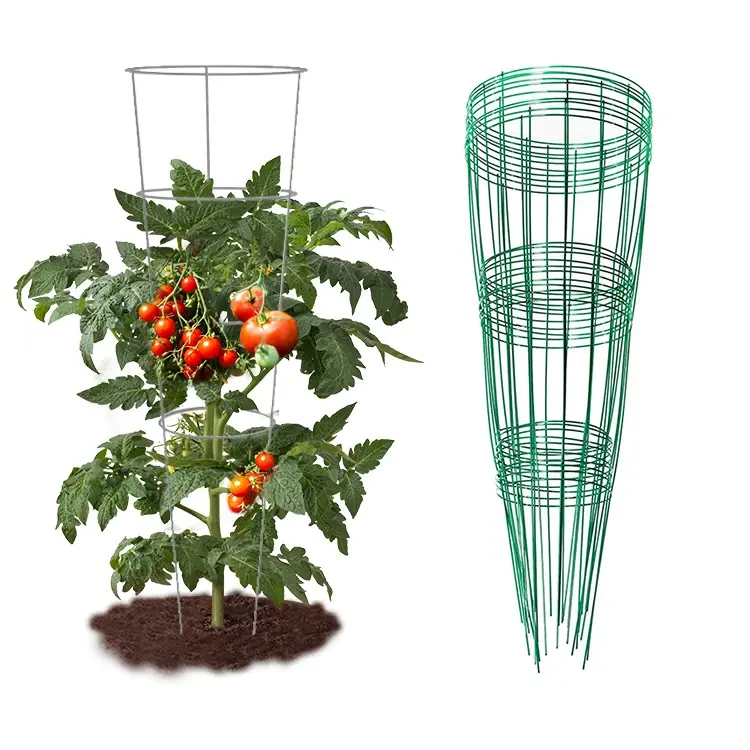
- Garden Fencing: Protecting gardens from pests and unwanted animals.
- Industrial Applications: Machine guarding, safety barriers, and storage solutions.
- Kennel Construction: Creating secure and durable dog kennels and runs.
Application Benefits:
• Exceptional strength and durability for reliable containment.
• Versatility for a wide range of fencing and enclosure needs.
• Cost-effective solution compared to heavier-gauge options.
• Easy to install and maintain.
10 Gauge vs. Other Gauges: A Comparative Analysis
Choosing the right wire gauge is critical for the long-term performance of your fence. While lower gauges (e.g., 12 or 14 gauge) are more economical, they offer less strength and durability compared to 10 gauge. The following table highlights the key differences:
Selecting the Right 10 Gauge Welded Wire Panel
When selecting 10 gauge welded wire panels, consider the following factors:
- Mesh Size: Choose a mesh size appropriate for the size of the animals or objects you need to contain. Smaller mesh sizes are ideal for smaller animals.
- Panel Height: Select a height that provides adequate containment and security.
- Panel Width: Consider the spacing of your posts and choose panel widths that minimize waste.
- Coating: Opt for galvanized or powder-coated panels for increased corrosion resistance, especially in harsh climates.
- Manufacturer Reputation: Choose a reputable supplier to ensure quality and durability.
Installation and Maintenance Tips
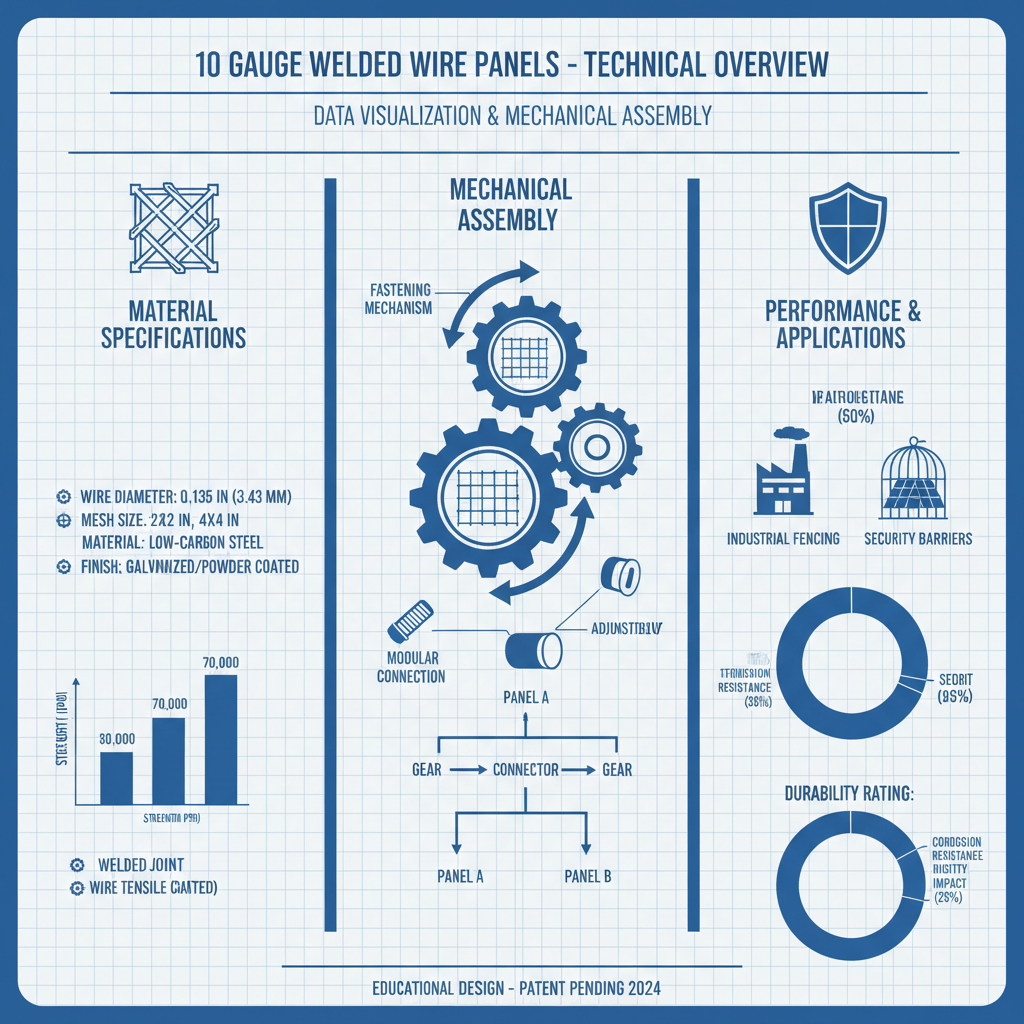
Proper installation and maintenance will maximize the lifespan of your 10 gauge welded wire panels. Ensure posts are securely anchored and spaced appropriately. Use appropriate fasteners for attaching the panels to the posts. Regularly inspect the fence for any damage, such as broken wires or loose connections. Repair any damage promptly to prevent further deterioration. Cleaning the panels periodically can also help remove dirt and debris, maintaining their appearance and integrity.
Conclusion: Investing in Quality Fencing
Choosing 10 gauge welded wire panels is a smart investment for long-lasting and reliable fencing. Their strength, versatility, and cost-effectiveness make them ideal for a wide range of applications. By carefully considering your needs and selecting a reputable supplier like Peilingtech, you can ensure a secure and durable fencing solution that will provide years of service.
Frequently Asked Questions (FAQs)
What is the typical lifespan of a 10 gauge welded wire panel?
With proper installation and maintenance, a 10 gauge welded wire panel can last for 20-30 years or more. Factors affecting lifespan include the quality of the galvanization or powder coating, environmental conditions (exposure to salt, chemicals, or extreme weather), and the level of stress the fence is subjected to. Regular inspections and prompt repairs can significantly extend its lifespan.
How can I prevent rust on galvanized welded wire panels?
While galvanization provides excellent corrosion resistance, rust can still occur over time, especially in harsh environments. To minimize rust, ensure the panels are properly grounded to prevent electrolytic corrosion. Regularly clean the panels to remove dirt, debris, and salt buildup. For areas with high salinity or corrosive chemicals, consider applying a protective coating like epoxy or a specialized rust inhibitor. Inspect for and repair any damaged galvanization promptly.
What is the best way to cut welded wire panels without damaging them?
Cutting welded wire panels requires a specialized wire cutter or bolt cutters designed for heavy-duty wire. Avoid using abrasive tools like angle grinders, as they can create sharp edges and weaken the wire. Make clean, precise cuts to prevent unraveling. Wearing safety glasses and gloves is essential when cutting wire. After cutting, consider filing down any sharp edges to prevent injury.
Are 10 gauge welded wire panels suitable for saltwater environments?
While galvanized coatings provide some protection against saltwater corrosion, 10 gauge welded wire panels are not ideally suited for prolonged, direct exposure to saltwater. In saltwater environments, consider using panels with a heavier galvanization coating or opting for stainless steel wire panels for superior corrosion resistance. Regular cleaning and inspection are also crucial for extending the lifespan of galvanized panels in coastal areas.
-
Complete Guide to Choosing a Durable 4 foot wire fence rollNewsApr.16,2026
-
Guide to Choosing the Best Square Wire Fencing Roll for SecurityNewsApr.16,2026
-
High Quality Steel Welded Wire Rolled Fencing for Secure BoundariesNewsApr.16,2026
-
High Quality Black Fence Roll for Secure and Discreet PerimeterNewsApr.16,2026
-
Ultimate Guide to Temporary Fence Roll for Site Security and SafetyNewsApr.16,2026
-
High Quality Garden Mesh Roll Guide for Protecting Green SpaceNewsApr.09,2026