-

-
 Whatsapp:+86 17732187393
 -


Comprehensive Guide to Durable 4 x 8 Welded Wire Fence Panels for Various Applications
Understanding 4 x 8 Welded Wire Fence Panels: A Comprehensive Guide
When choosing fencing for agricultural, commercial, or residential use, 4 x 8 welded wire fence panels offer a robust and cost-effective solution. These panels are known for their durability, ease of installation, and versatility. This article will delve into the key features, applications, benefits, and considerations when selecting these panels. We'll explore how PeilingTech’s welded wire panels can meet your fencing needs. Understanding these panels can significantly contribute to a secure and long-lasting enclosure.
What are 4 x 8 Welded Wire Fence Panels?
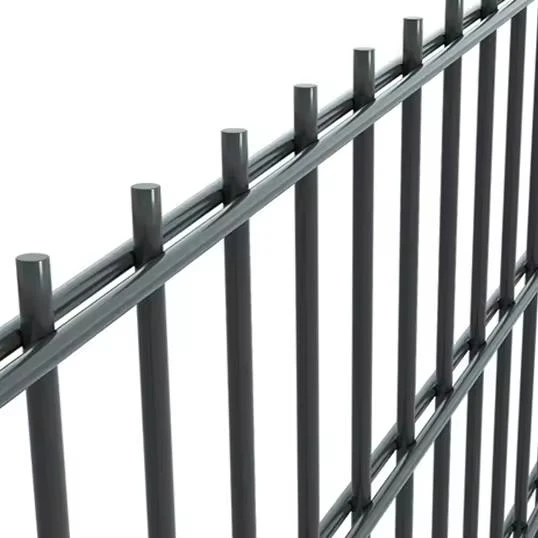
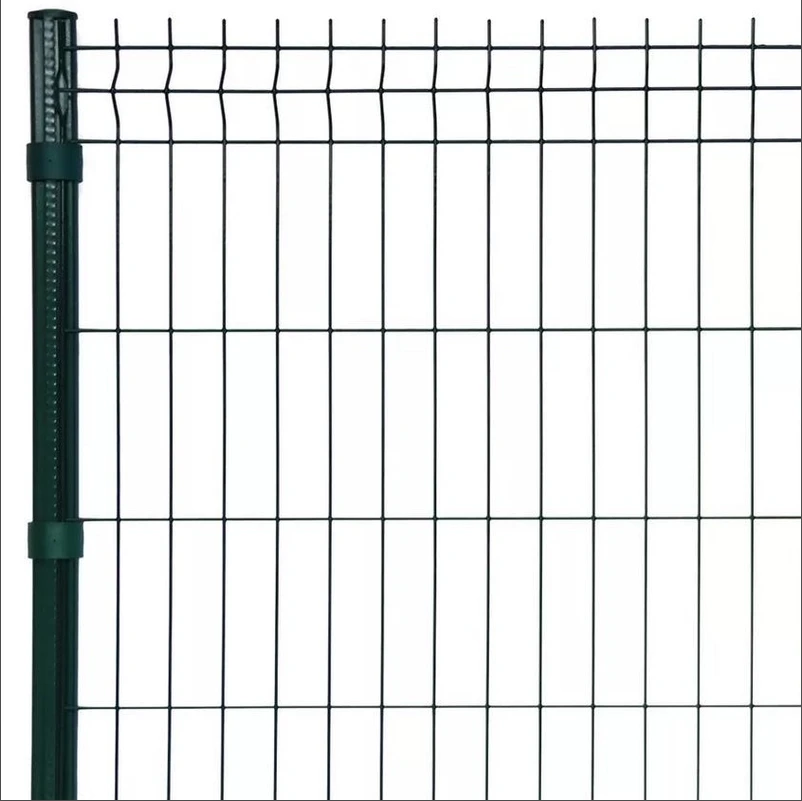
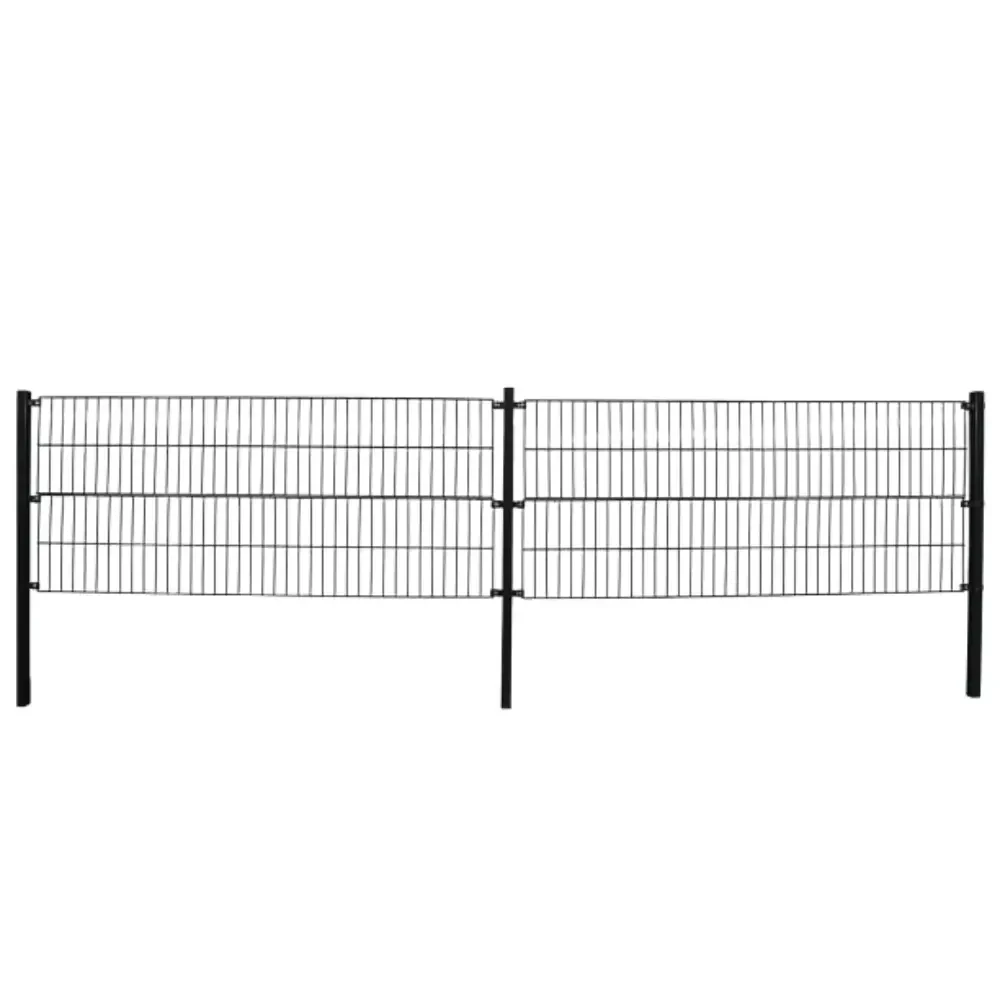
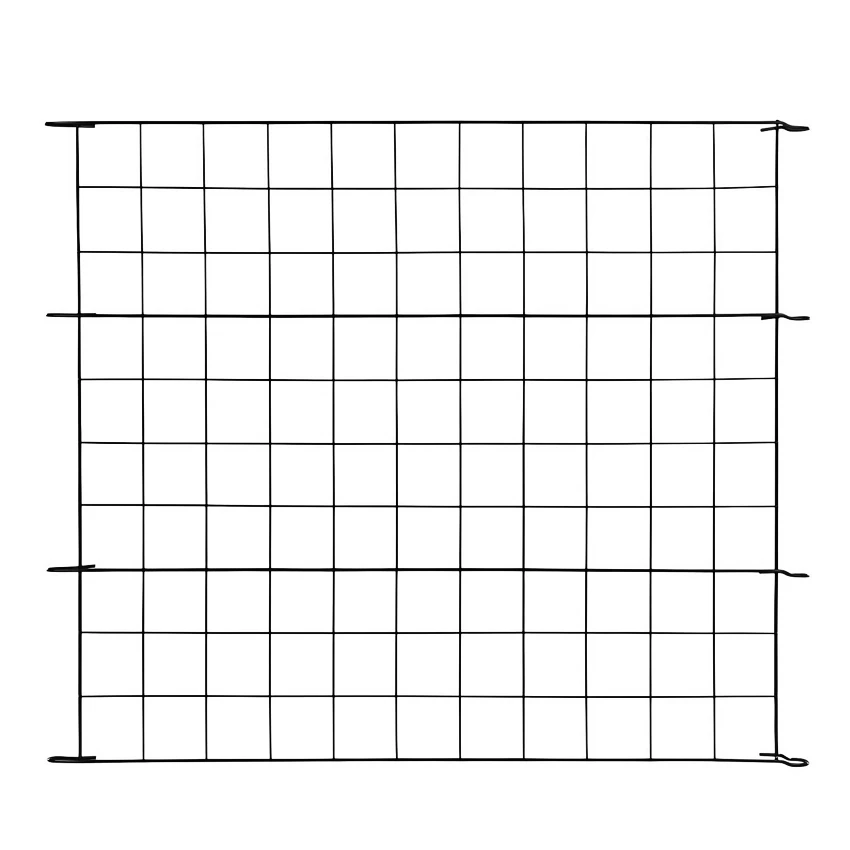
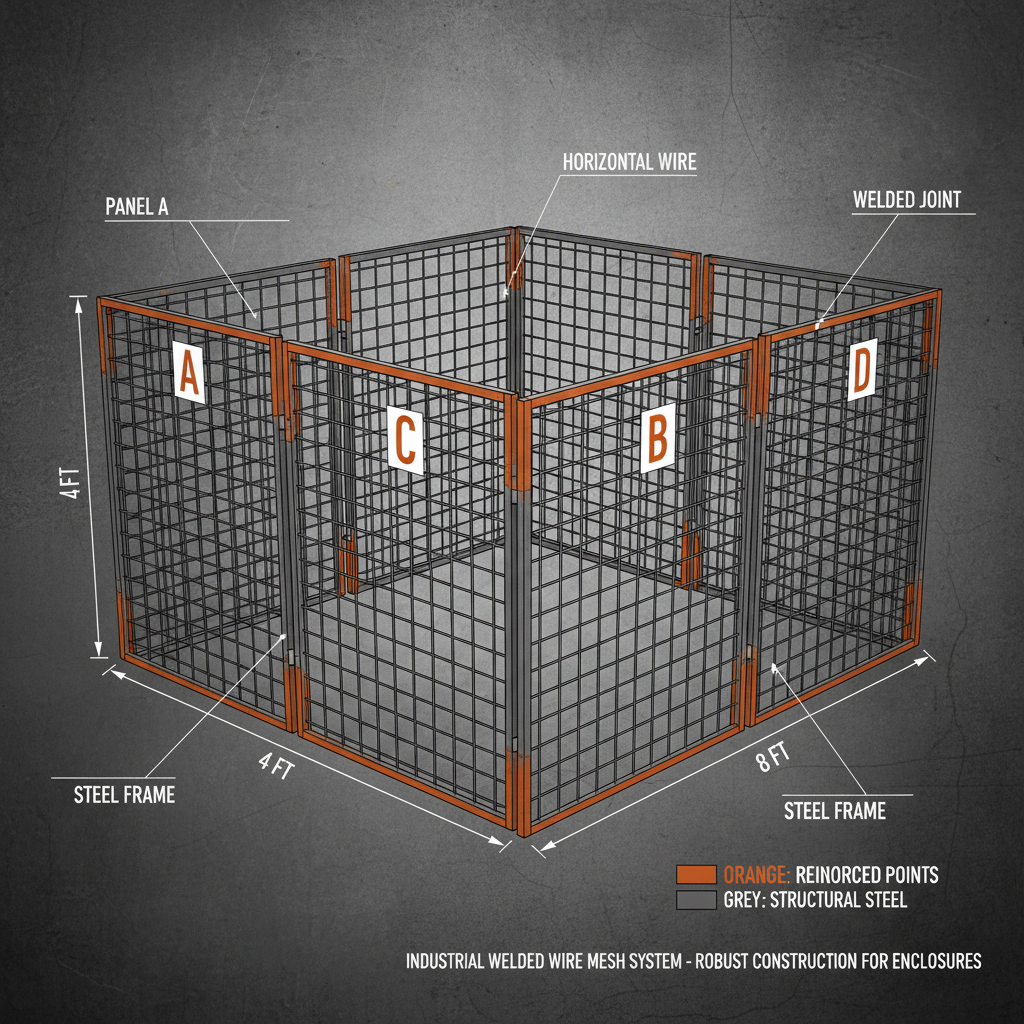
4 x 8 welded wire fence panels, as the name suggests, are prefabricated sections of fencing measuring 4 feet in height and 8 feet in length. They are constructed by welding galvanized or powder-coated steel wires together, forming a rigid grid. This welding process creates a strong and durable panel capable of withstanding various environmental factors and pressures. These panels are a popular choice due to their ease of handling and installation compared to traditional woven wire fencing. They are widely used in applications requiring secure containment, from livestock enclosures to security perimeters.
Key Highlights: Prefabricated for easy installation, strong welded construction for durability, galvanized or powder-coated for weather resistance.
Key Features of 4 x 8 Welded Wire Fence Panels
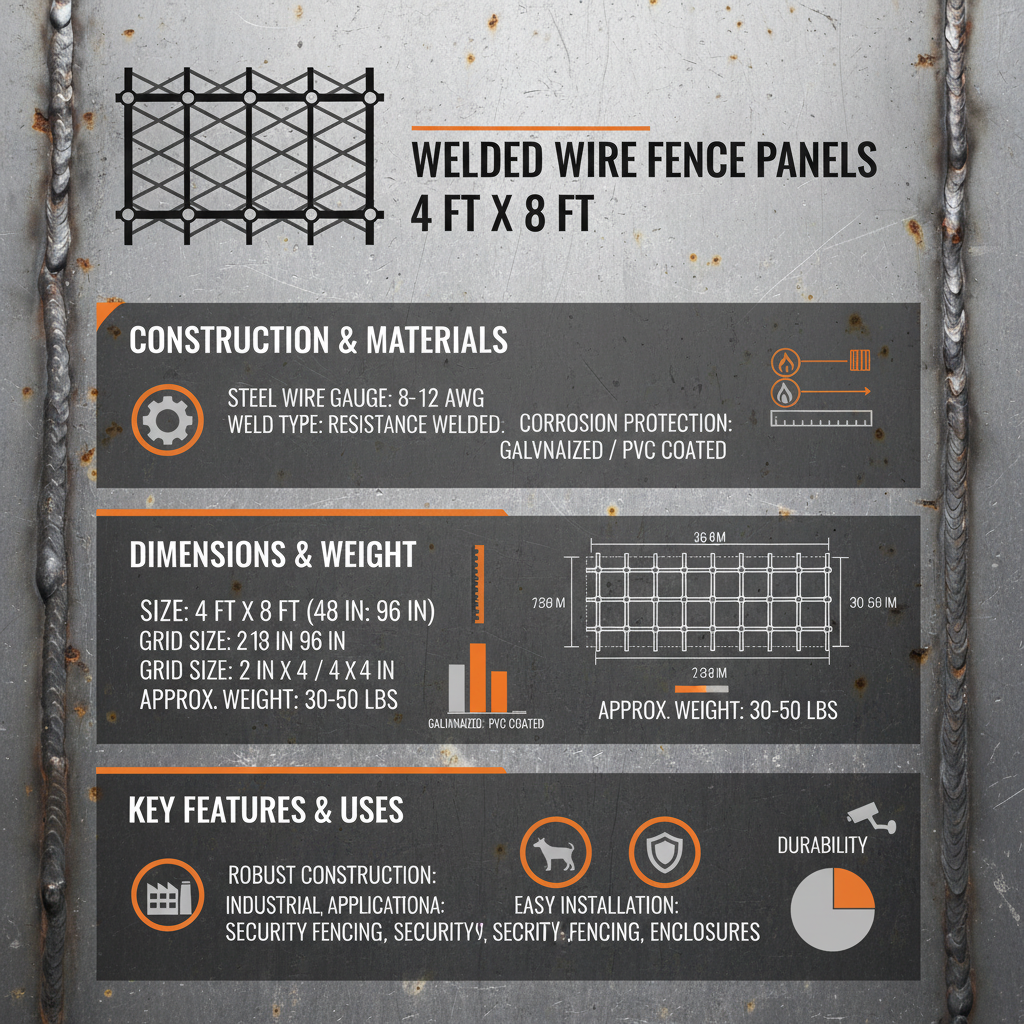
These panels boast several key features that make them a superior fencing choice. The welded construction ensures a consistent and strong connection between the wires, minimizing the risk of breakage. The use of galvanized steel or powder coating provides excellent corrosion resistance, extending the lifespan of the fence, even in harsh weather conditions. Different wire gauges and mesh sizes are available, allowing customization for specific needs - from containing small animals to providing high-security perimeters. PeilingTech offers a variety of options to suit diverse requirements.
Welded Wire Panel Benefits:
• Strong and durable welded construction
• Corrosion-resistant galvanized or powder coating
• Customizable wire gauges and mesh sizes
• Easy and quick installation
4 x 8 Welded Wire Fence Panels: Applications & Uses
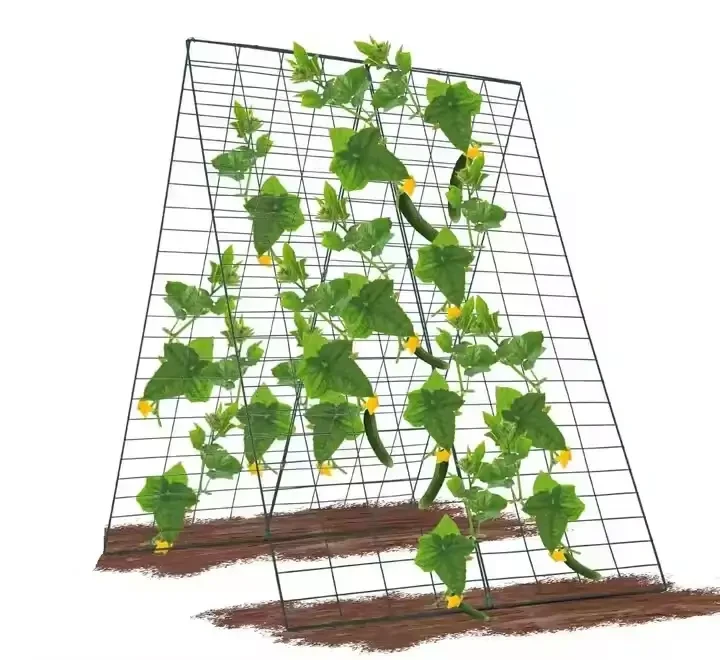
The versatility of 4 x 8 welded wire fence panels makes them suitable for a wide range of applications. Common uses include: animal containment (livestock, poultry, rabbits, etc.), garden fencing to protect plants from pests, security fencing around properties or industrial sites, pet enclosures to create safe play areas, and temporary fencing for construction sites or events. The specific wire gauge and mesh size will determine the suitability for different animals and security levels. For example, smaller mesh sizes are ideal for containing smaller animals, while heavier gauge wires provide greater security.
Choosing the Right 4 x 8 Welded Wire Fence Panel
Selecting the appropriate panel involves considering several factors. Wire gauge is critical – heavier gauges offer greater strength and durability. Mesh size determines what can be contained or excluded. The coating type (galvanized or powder-coated) affects corrosion resistance and lifespan. Finally, the overall height and length should align with your specific fencing requirements. PeilingTech provides expert guidance to help you choose the best panel for your application.
Installation and Maintenance
Installation of 4 x 8 welded wire fence panels is relatively straightforward. Typically, posts are set in concrete, and the panels are then attached using wire ties, clips, or tension bands. Proper tensioning is essential to ensure a secure and stable fence. Maintenance primarily involves periodic inspection for damage, such as broken wires or corroded sections. Repairing minor damage promptly will extend the lifespan of the fence. PeilingTech offers installation guides and support to assist with the process.
Conclusion: A Reliable and Versatile Fencing Solution
4 x 8 welded wire fence panels offer a durable, versatile, and cost-effective fencing solution for a wide range of applications. From agricultural enclosures to security perimeters, these panels provide a reliable barrier with minimal maintenance. Choosing the right panel from a trusted supplier like PeilingTech ensures quality and performance.
Frequently Asked Questions (FAQs)
What is the difference between galvanized and powder-coated welded wire panels?
Galvanized panels are coated with a layer of zinc to prevent rust. This is a standard and cost-effective corrosion protection method. Powder-coated panels, however, have a more durable finish, applied as a dry powder that's cured under heat. Powder coating provides a thicker, more resistant barrier against corrosion, scratches, and UV damage, extending the lifespan of the fence, but generally comes at a higher price point. Powder coating also offers a wider range of color options.
How far apart should fence posts be when using 4 x 8 welded wire panels?
Typically, fence posts should be spaced 8 to 10 feet apart for optimal support. This spacing ensures the wire panel remains taut and secure. In areas with heavy wind or livestock pressure, closer spacing (8 feet) is recommended. Always consider the terrain and potential forces acting on the fence when determining post spacing. Using appropriately sized and securely anchored posts is crucial for fence stability.
Can 4 x 8 welded wire panels be used for temporary fencing?
Yes, they are frequently used for temporary fencing. They are relatively easy to install and remove, making them ideal for construction sites, events, or crowd control. Often, they are used with temporary fence stands or weighted bases instead of traditional concrete posts. However, for long-term temporary fencing, ensuring sufficient support and stability is still essential.
What tools are needed to install 4 x 8 welded wire fence panels?
Essential tools include post-hole digger, concrete mix, level, wire cutters, tensioning tools (come-alongs or fence stretchers), and wire ties or clips. A hammer and gloves are also recommended. For larger installations, a power post driver can significantly speed up the process. Proper tools will make the installation process much easier and ensure a professional-looking result.
-
Complete Guide to Choosing a Durable 4 foot wire fence rollNewsApr.16,2026
-
Guide to Choosing the Best Square Wire Fencing Roll for SecurityNewsApr.16,2026
-
High Quality Steel Welded Wire Rolled Fencing for Secure BoundariesNewsApr.16,2026
-
High Quality Black Fence Roll for Secure and Discreet PerimeterNewsApr.16,2026
-
Ultimate Guide to Temporary Fence Roll for Site Security and SafetyNewsApr.16,2026
-
High Quality Garden Mesh Roll Guide for Protecting Green SpaceNewsApr.09,2026