-

-
 Whatsapp:+86 17732187393
 -


Comprehensive Guide to Durable 5 Foot Wire Fence Panels and Applications
Understanding 5 Foot Wire Fence Panels: A Comprehensive Guide
Choosing the right fencing solution is crucial for security, property delineation, and aesthetics. 5 foot wire fence panels offer a versatile and cost-effective option for a wide range of applications. This article provides a detailed overview of these panels, covering their features, benefits, installation considerations, common uses, and comparisons with other fencing materials. Whether you're a homeowner, farmer, or business owner, understanding the specifics of 5 foot wire fence panels will help you make an informed decision.
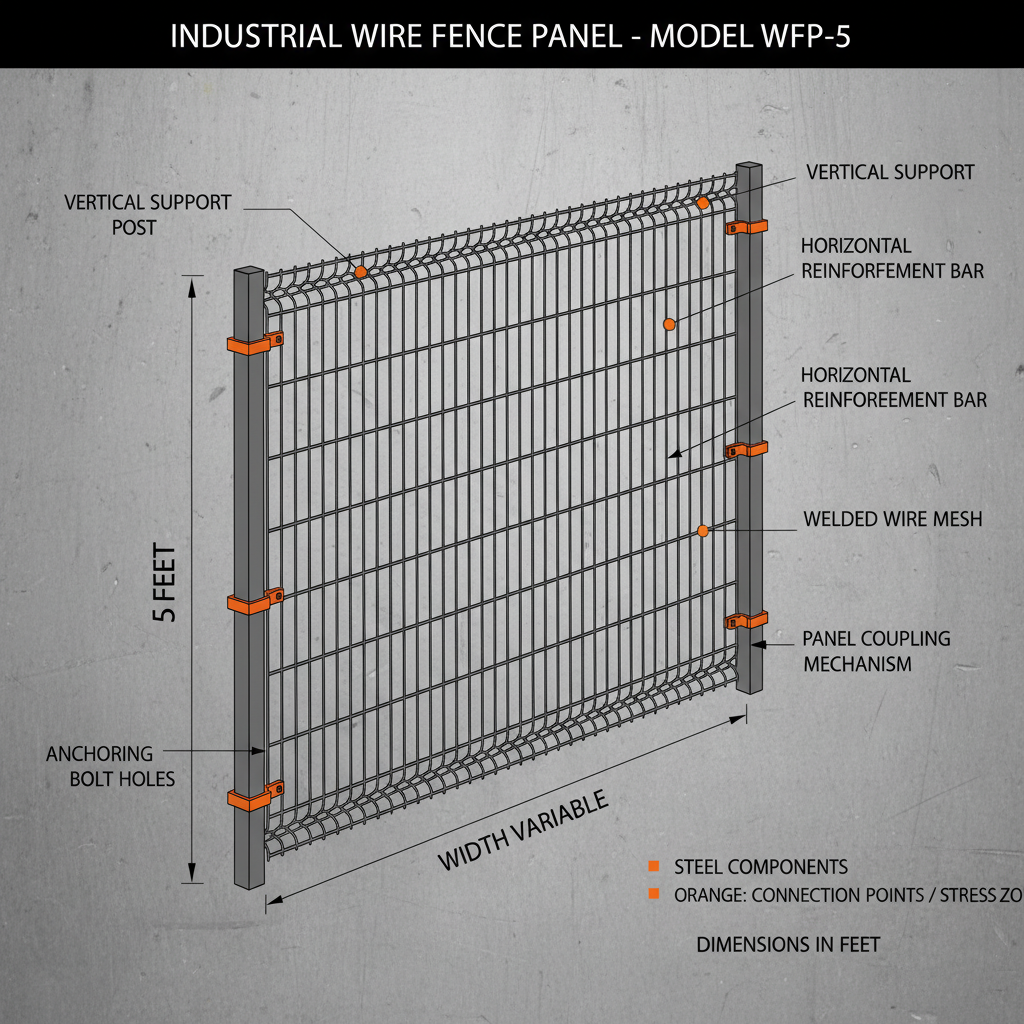
Key Features of 5 Foot Wire Fence Panels
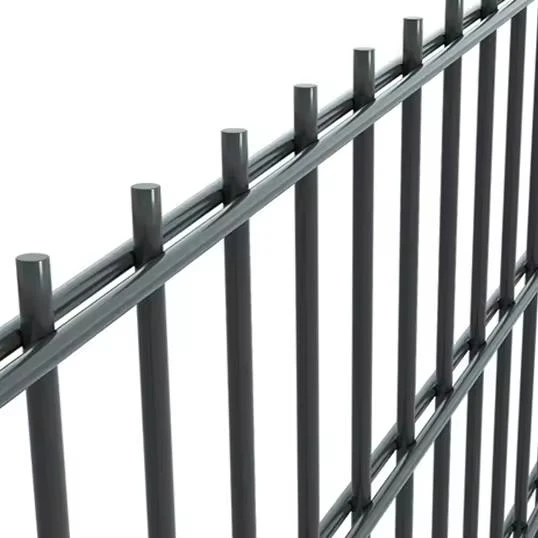
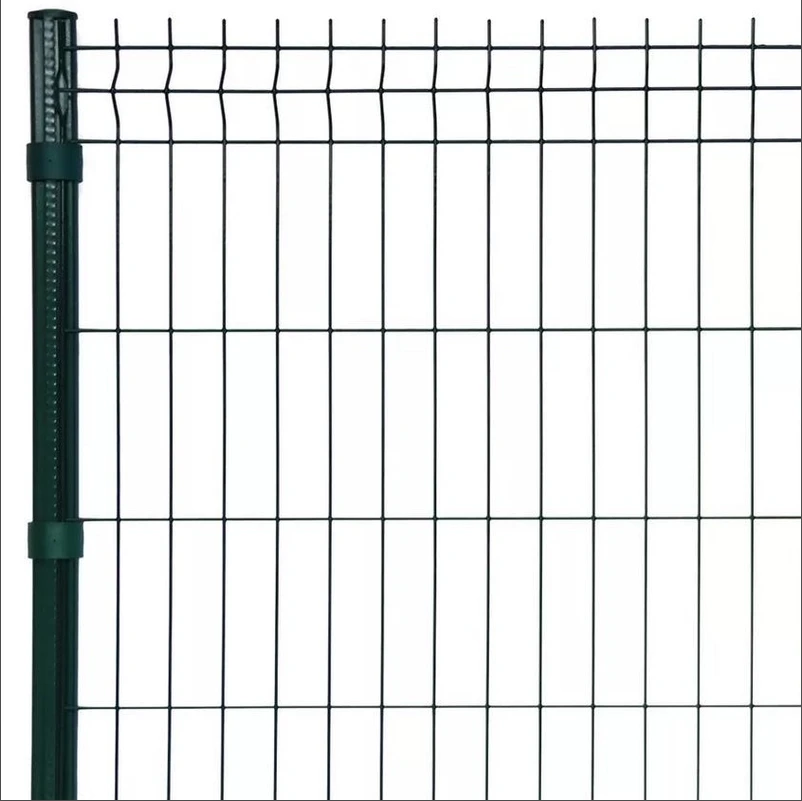
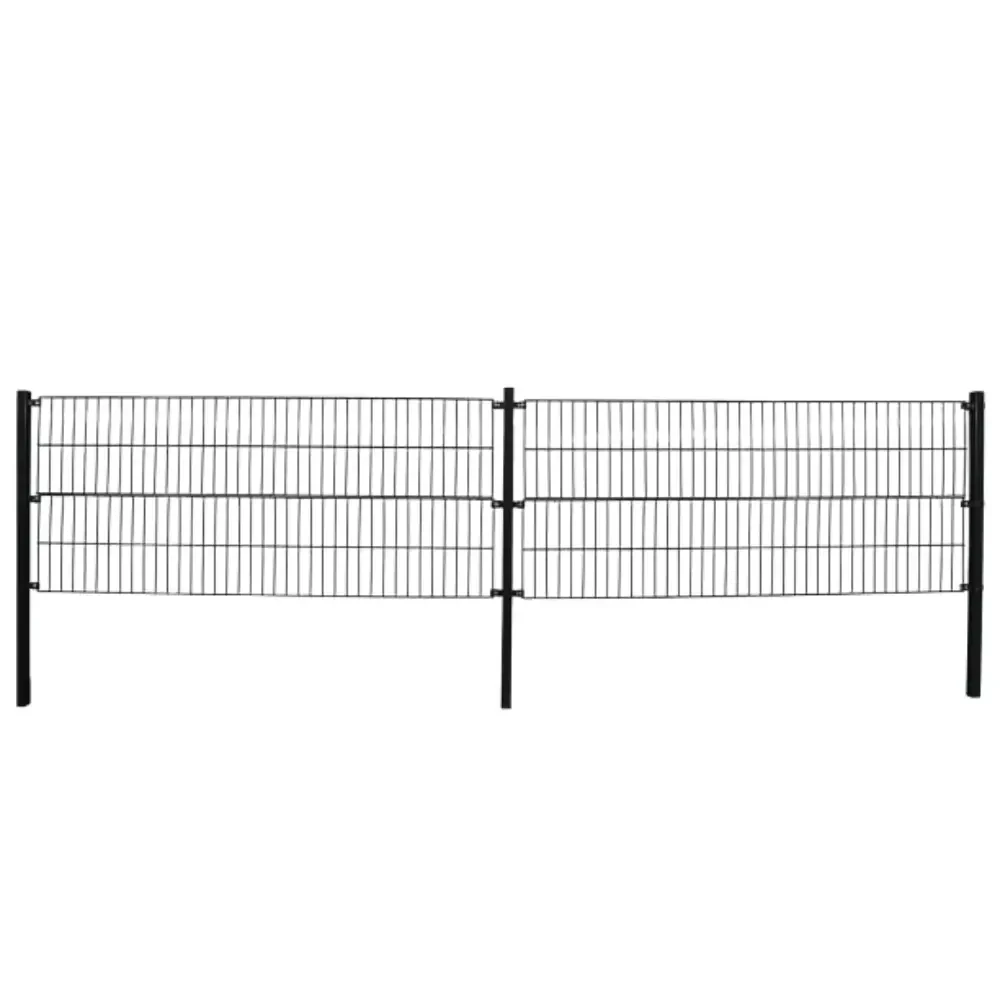
5 foot wire fence panels typically consist of welded wire mesh securely attached to a steel frame. The wire used is often galvanized to prevent rust and corrosion, offering long-lasting durability. These panels are available in various mesh sizes and wire gauges, allowing you to customize the level of security and visibility. Common mesh sizes range from 2" x 4" to 4" x 4", and wire gauges typically vary from 9 gauge to 14 gauge. The 5-foot height provides a good balance between security and affordability. Peilingtech offers a variety of 5-foot wire fence panels to meet specific needs.
Key Highlights: Galvanized steel construction for durability, various mesh sizes and wire gauges for customization, 5-foot height for balanced security and affordability.
Choosing the Right Mesh Size for Your Needs
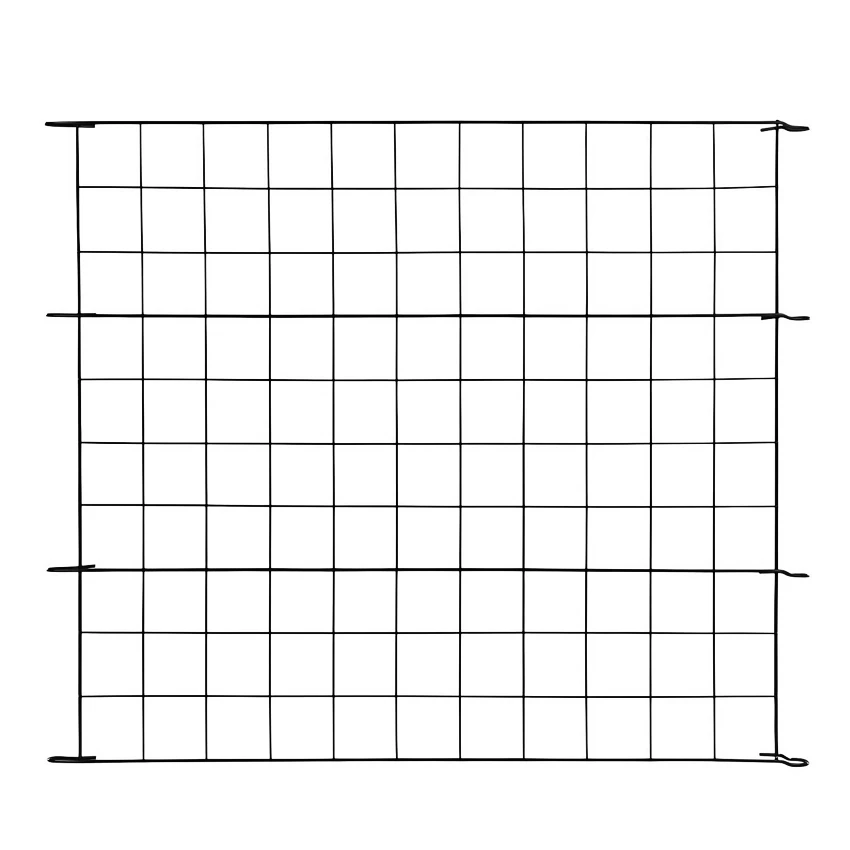
The mesh size of your 5 foot wire fence panels is a critical factor to consider. Smaller mesh sizes (e.g., 2" x 4") offer greater security, preventing smaller animals from passing through and providing a more robust barrier against intrusion. Larger mesh sizes (e.g., 4" x 4") offer better visibility and are often preferred for agricultural applications where livestock containment is the primary concern. The ideal mesh size depends on your specific requirements and the level of security needed.
Mesh Size Considerations:
• Smaller mesh (2" x 4") = Higher security, prevents small animals.
• Larger mesh (4" x 4") = Better visibility, suitable for livestock.
• Consider the size of the animals or objects you need to contain or exclude.
5 Foot Wire Fence Panels vs. Other Fencing Options
When considering fencing options, it's important to compare 5 foot wire fence panels with alternatives like chain-link, wood, and vinyl. Chain-link offers similar security but can be more expensive and less aesthetically pleasing. Wood fences provide privacy and a natural look but require more maintenance and are susceptible to rot and insect damage. Vinyl fences are low-maintenance but are generally the most expensive option. Peilingtech’s wire fence panels offer a balance of cost, durability, and security, making them a popular choice for many applications.
Common Applications of 5 Foot Wire Fence Panels
These panels are incredibly versatile and suited for a variety of uses:
• Agricultural Fencing: Containing livestock, protecting crops from animals.
• Perimeter Security: Protecting properties, businesses, and construction sites.
• Pet Enclosures: Creating safe and secure areas for pets to roam.
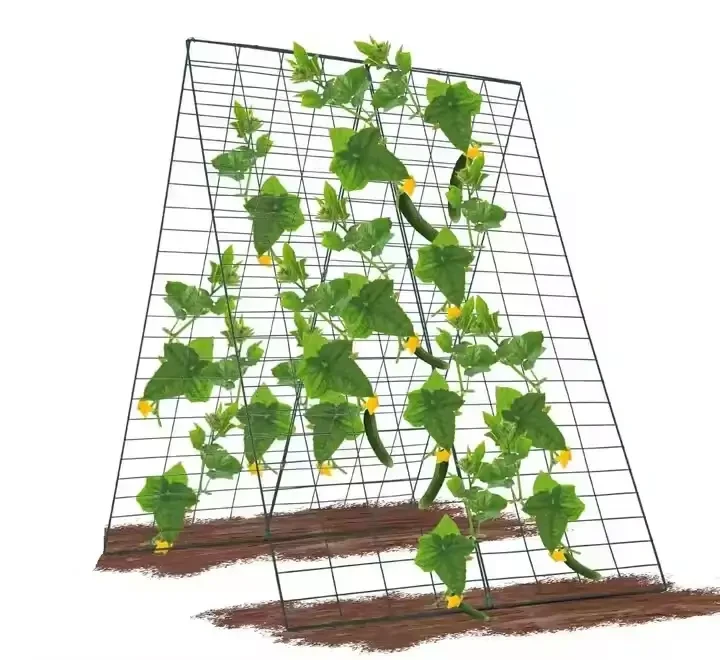
• Garden Fencing: Protecting gardens from pests and unwanted access.
• Temporary Fencing: Providing portable security for events or construction projects.
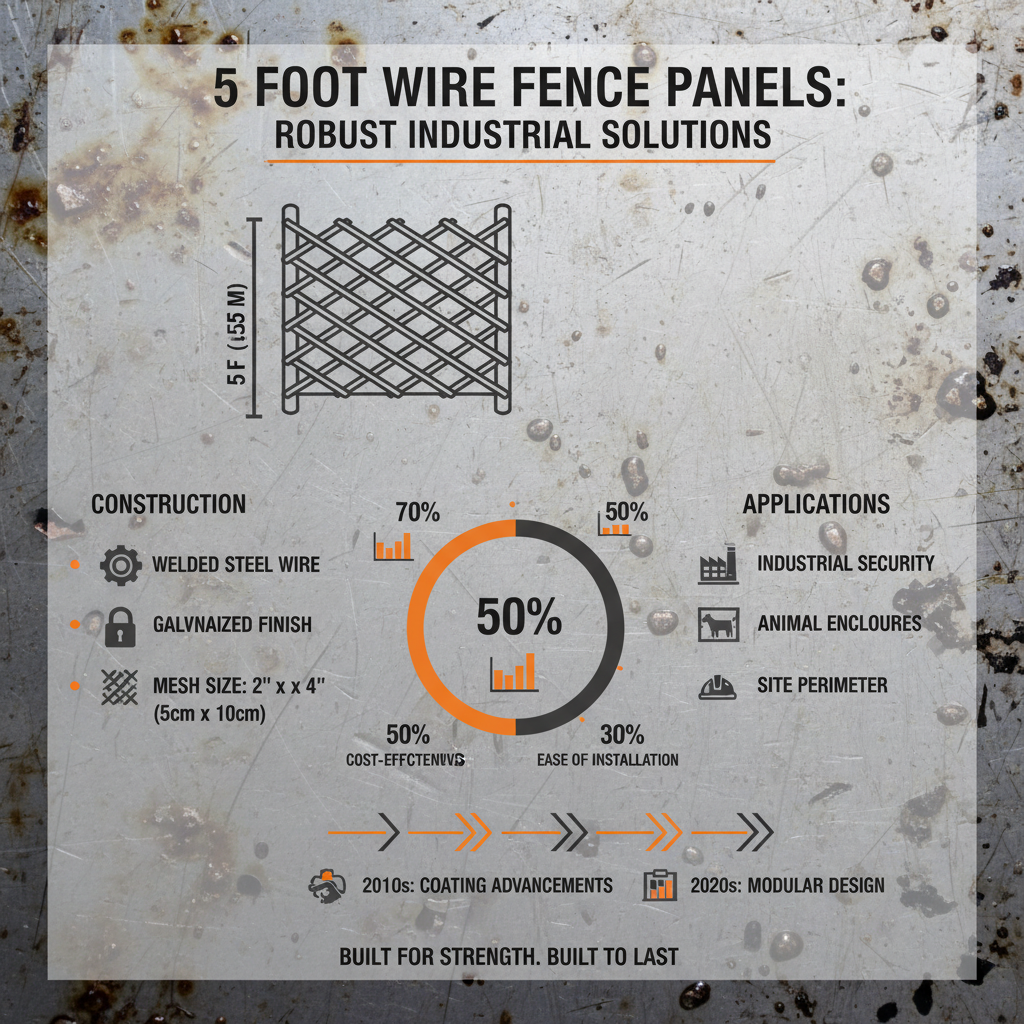
Installation Tips and Considerations
Proper installation is crucial for the longevity and effectiveness of your fence. Ensure you have the appropriate posts (wood or metal) spaced at intervals recommended by the manufacturer (typically 8-10 feet). Use quality fence ties or wire to securely attach the panels to the posts. Consider adding a top rail for extra stability. Always check local building codes and regulations before installing a fence. Peilingtech can provide guidance and support for your fencing project.
Conclusion: A Practical and Reliable Fencing Solution
5 foot wire fence panels offer a compelling combination of affordability, durability, and versatility. Whether you need to secure a property, contain livestock, or create a pet enclosure, these panels provide a practical and reliable solution. By carefully considering your needs and following proper installation practices, you can enjoy the benefits of a well-built and long-lasting fence. Explore the range of options available at Peilingtech today.
Frequently Asked Questions (FAQs)
What is the recommended post spacing for 5 foot wire fence panels?
The recommended post spacing typically ranges from 8 to 10 feet, depending on the terrain and the gauge of the wire. In areas with uneven ground or high wind exposure, closer post spacing is advisable for increased stability. Always refer to the manufacturer's specifications for the specific panel you are using, as they may have different recommendations. Properly spaced posts are crucial for maintaining the integrity of the fence and preventing sagging.
How do I prevent rust on galvanized wire fence panels?
While galvanized wire is rust-resistant, it's not rust-proof. To prevent rust, avoid exposing the panels to harsh chemicals or saltwater. Regularly inspect the fence for any damaged areas where the galvanization has been compromised and touch them up with a zinc-rich paint. Keeping the surrounding area free of debris and vegetation can also help prevent moisture buildup and corrosion.
Can 5 foot wire fence panels be used for security purposes?
Yes, 5 foot wire fence panels can provide a good level of security, particularly when combined with appropriate security measures. Using smaller mesh sizes (e.g., 2" x 4") and thicker wire gauges will enhance security. Consider adding security toppings like barbed wire or razor wire (where permitted by local regulations) for increased protection against intrusion. Regularly inspecting the fence for damage or breaches is also essential.
Are 5 foot wire fence panels suitable for containing large animals like cows or horses?
While 5 foot wire fence panels can be used for containing livestock, they may not be sufficient for large or aggressive animals like cows or horses. These animals may be able to jump or push over a 5-foot fence. For these applications, a taller fence (6-8 feet) with stronger posts and potentially additional bracing is recommended. Consult with a fencing professional to determine the best solution for your specific livestock needs.
-
Complete Guide to Choosing a Durable 4 foot wire fence rollNewsApr.16,2026
-
Guide to Choosing the Best Square Wire Fencing Roll for SecurityNewsApr.16,2026
-
High Quality Steel Welded Wire Rolled Fencing for Secure BoundariesNewsApr.16,2026
-
High Quality Black Fence Roll for Secure and Discreet PerimeterNewsApr.16,2026
-
Ultimate Guide to Temporary Fence Roll for Site Security and SafetyNewsApr.16,2026
-
High Quality Garden Mesh Roll Guide for Protecting Green SpaceNewsApr.09,2026