-

-
 Whatsapp:+86 17732187393
 -


Comprehensive Guide to Durable 6 Wire Fence Panels for Various Applications
Understanding 6 Wire Fence Panels: A Comprehensive Guide
When choosing fencing solutions for agricultural, commercial, or residential purposes, 6 wire fence panels stand out as a robust and versatile option. These panels provide excellent security, animal containment, and boundary definition. This article will delve into the benefits, applications, materials, installation, and considerations when selecting 6 wire fence panels, providing a thorough overview for anyone seeking a durable and effective fencing solution. Understanding the nuances of these panels is crucial for making an informed decision that meets your specific needs and budget.
What are 6 Wire Fence Panels?
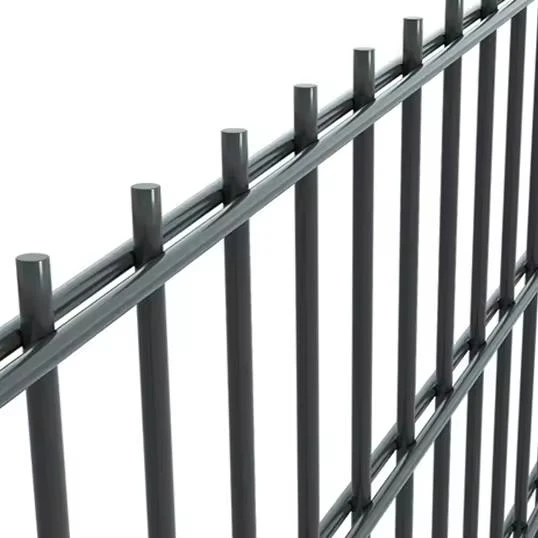
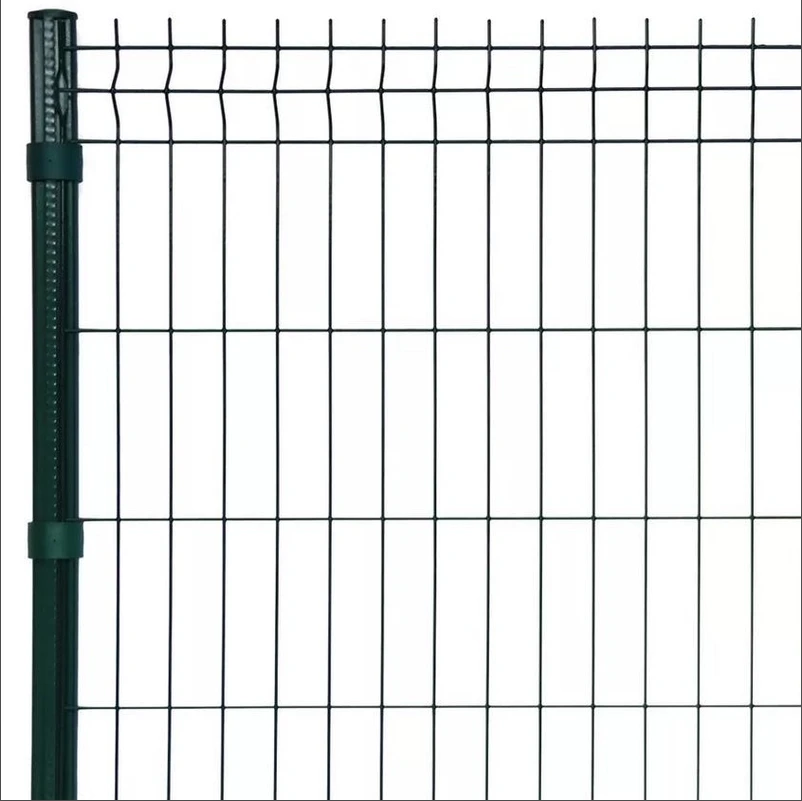
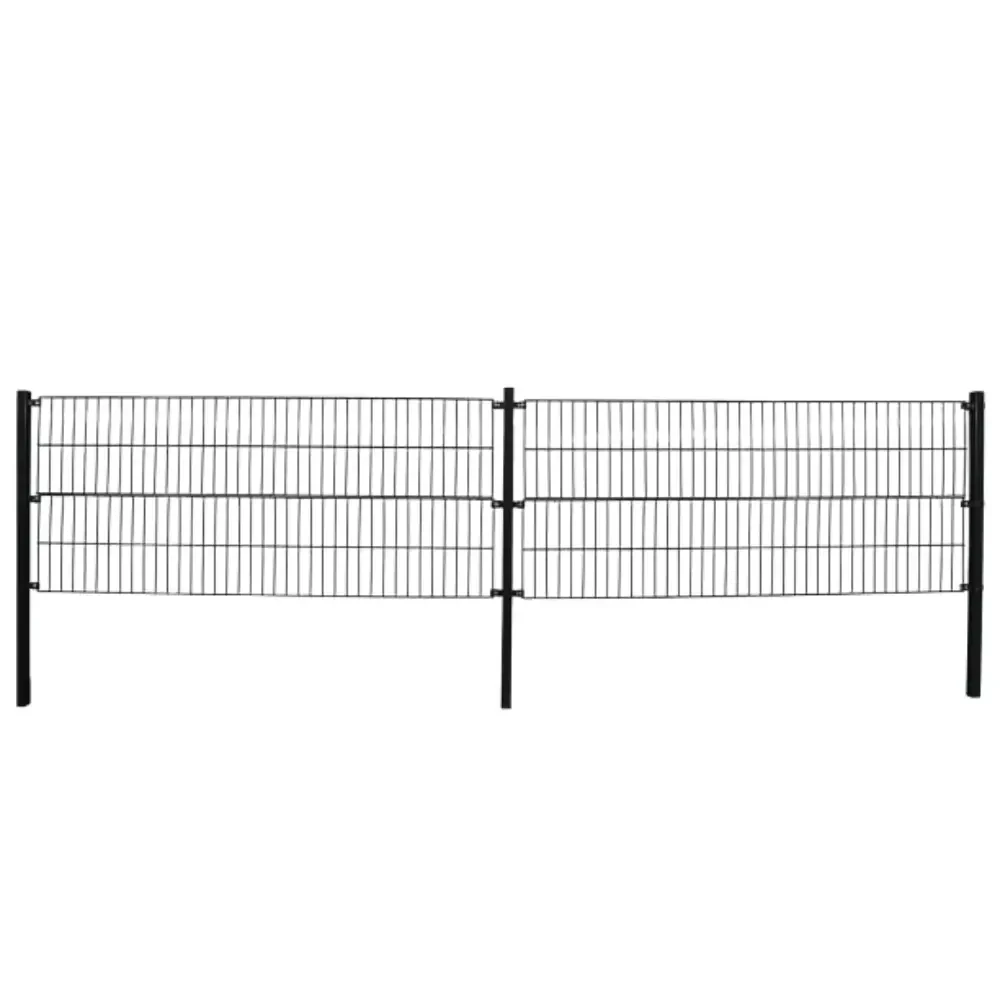
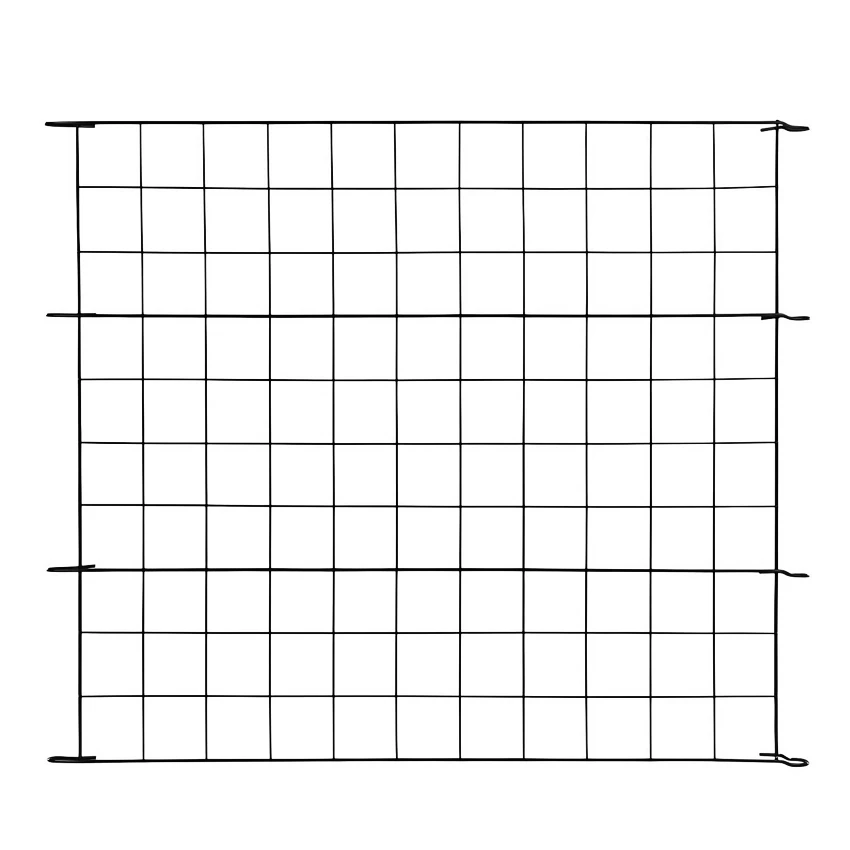
6 wire fence panels are prefabricated sections of fencing constructed with six horizontal wires securely welded to vertical support rails. This design creates a strong and rigid panel ideal for a variety of applications. The wire is commonly galvanized steel, providing excellent corrosion resistance. Some panels also feature a PVC coating for enhanced durability and aesthetic appeal. These panels are designed for relatively quick and easy installation, offering a cost-effective alternative to traditional fencing methods. They are particularly popular in rural areas for livestock containment, but also find use in commercial and industrial settings for security and perimeter control.
Key Highlights: These panels offer a robust and durable fencing solution, requiring minimal maintenance and providing long-lasting performance.
Applications of 6 Wire Fence Panels
The versatility of 6 wire fence panels makes them suitable for numerous applications. Common uses include: Livestock containment (cattle, sheep, goats, horses), Agricultural fencing for crop protection, Perimeter security for commercial properties, Industrial fencing for boundary definition and safety, Residential fencing for privacy and aesthetics, and Temporary fencing for events or construction sites. The robust construction and durable materials ensure long-lasting performance in diverse environments. These panels are adaptable to varying terrain and can be customized to meet specific fencing requirements.
Application Benefits:
• Reliable livestock containment
• Effective perimeter security
• Durable protection for crops
• Long-lasting and low maintenance
6 Wire Fence Panels: Materials and Specifications
The most common material for 6 wire fence panels is galvanized steel. Galvanization is a process of coating steel with zinc to prevent rust and corrosion. For increased longevity and aesthetic appeal, many panels are further coated with a PVC layer. The wire gauge typically ranges from 12.5 gauge to 14 gauge, with lower gauge numbers indicating thicker wire. The vertical rails are usually constructed from galvanized steel pipe or square tubing. Here's a table summarizing typical specifications:
Installation of 6 Wire Fence Panels
Installing 6 wire fence panels is relatively straightforward. Typically, posts are set in concrete at regular intervals (8-10 feet apart). The panels are then attached to the posts using clips, brackets, or wire ties. Proper post spacing is crucial for ensuring the fence's stability. It's essential to use appropriate strainers and tensioning devices to maintain the correct wire tension. For livestock containment, ensure the bottom wire is close enough to the ground to prevent animals from slipping underneath. Always consult local regulations and building codes regarding fencing requirements.
Choosing the Right 6 Wire Fence Panel Supplier
Selecting a reliable supplier is essential for ensuring you receive high-quality 6 wire fence panels. Look for suppliers with a proven track record of providing durable and well-constructed fencing solutions. Consider factors such as pricing, delivery options, and customer support. PeilingTech is a trusted provider of high-quality fence panels, offering a wide range of options to meet your specific needs. We prioritize quality, durability, and customer satisfaction.
Conclusion: A Robust and Versatile Fencing Solution
6 wire fence panels offer a robust, versatile, and cost-effective fencing solution for a wide range of applications. Their durability, ease of installation, and low maintenance requirements make them a popular choice for agricultural, commercial, and residential use. By carefully considering your needs and selecting a reputable supplier like PeilingTech, you can ensure a long-lasting and effective fencing solution.
Frequently Asked Questions (FAQs)
What is the typical lifespan of a 6 wire fence panel?
The lifespan of a 6 wire fence panel largely depends on the quality of materials and the environmental conditions. With proper maintenance, galvanized steel panels can last 20-30 years. PVC-coated panels typically have an even longer lifespan, potentially exceeding 30 years. Factors like exposure to saltwater, harsh chemicals, or extreme weather can reduce the lifespan. Regular inspection and repair of any damage will help extend the panel’s longevity.
How much maintenance do 6 wire fence panels require?
6 wire fence panels require relatively little maintenance. Periodic inspection for damage, such as broken wires or loose connections, is recommended. Any damaged sections should be repaired promptly. If the panels are PVC-coated, occasional cleaning with mild soap and water can help maintain their appearance. Keeping the surrounding vegetation trimmed will prevent it from impacting the fence's integrity.
Are 6 wire fence panels suitable for steep terrain?
While 6 wire fence panels can be used on moderately sloped terrain, they are best suited for relatively level ground. On steep slopes, the panels may require additional support, such as closer post spacing or bracing, to prevent them from buckling or collapsing. It’s also important to ensure the posts are securely anchored to withstand the added pressure from the slope.
What is the best way to connect panels together?
Panels are typically connected using fence tensioners and brackets. These brackets allow you to join panels securely while also providing a method for tightening the wire to maintain appropriate tension. Alternatively, heavy-duty wire ties can be used, but tensioners provide more adjustability and long-term stability. Proper connection ensures the fence remains strong and secure.
-
Complete Guide to Choosing a Durable 4 foot wire fence rollNewsApr.16,2026
-
Guide to Choosing the Best Square Wire Fencing Roll for SecurityNewsApr.16,2026
-
High Quality Steel Welded Wire Rolled Fencing for Secure BoundariesNewsApr.16,2026
-
High Quality Black Fence Roll for Secure and Discreet PerimeterNewsApr.16,2026
-
Ultimate Guide to Temporary Fence Roll for Site Security and SafetyNewsApr.16,2026
-
High Quality Garden Mesh Roll Guide for Protecting Green SpaceNewsApr.09,2026