-

-
 Whatsapp:+86 17732187393
 -


Comprehensive Guide to Durable and Versatile Square Fence Mesh Solutions
Understanding Square Fence Mesh: Applications and Benefits
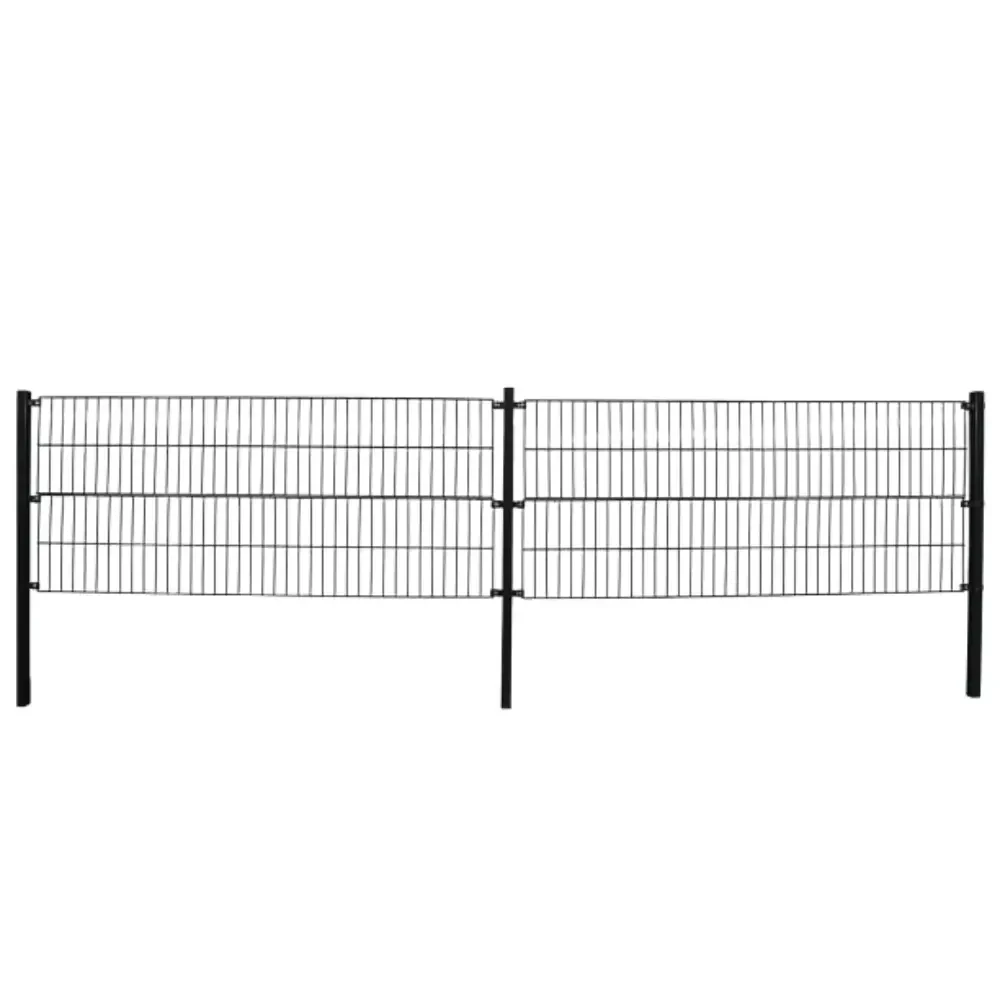
Square fence mesh, also known as welded wire mesh, is a versatile material increasingly used in a wide range of applications, from agricultural fencing to industrial security. Its robust construction, affordability, and ease of installation make it a popular choice for both residential and commercial projects. This article provides a comprehensive overview of square fence mesh, exploring its properties, common uses, installation tips, and key considerations for selecting the right type for your needs. Ensuring you choose the correct mesh is crucial for long-term durability and security.
What is Square Fence Mesh?
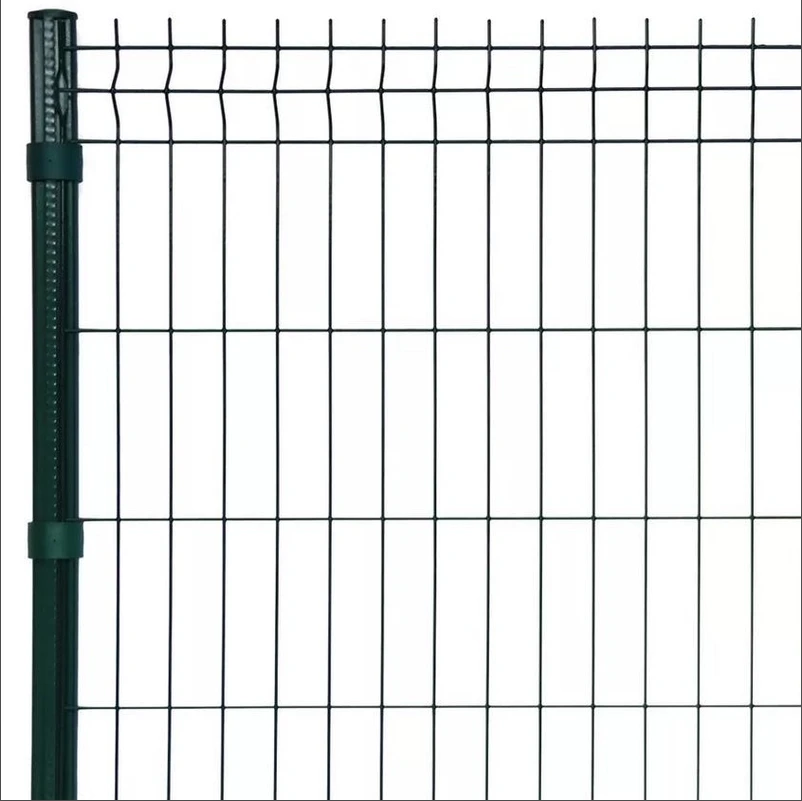
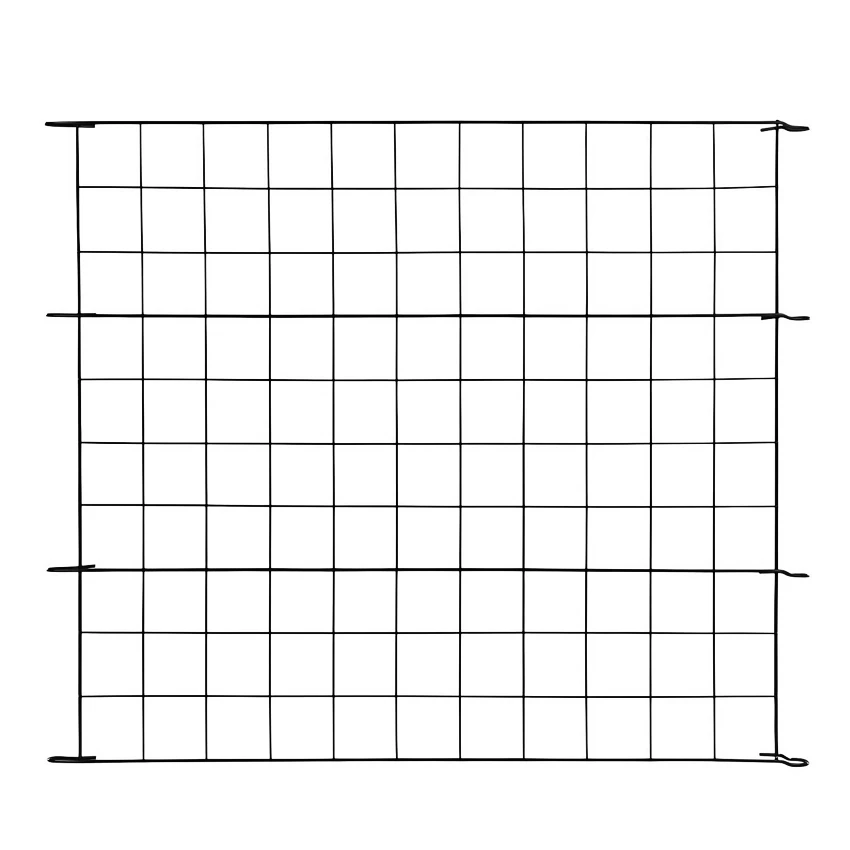
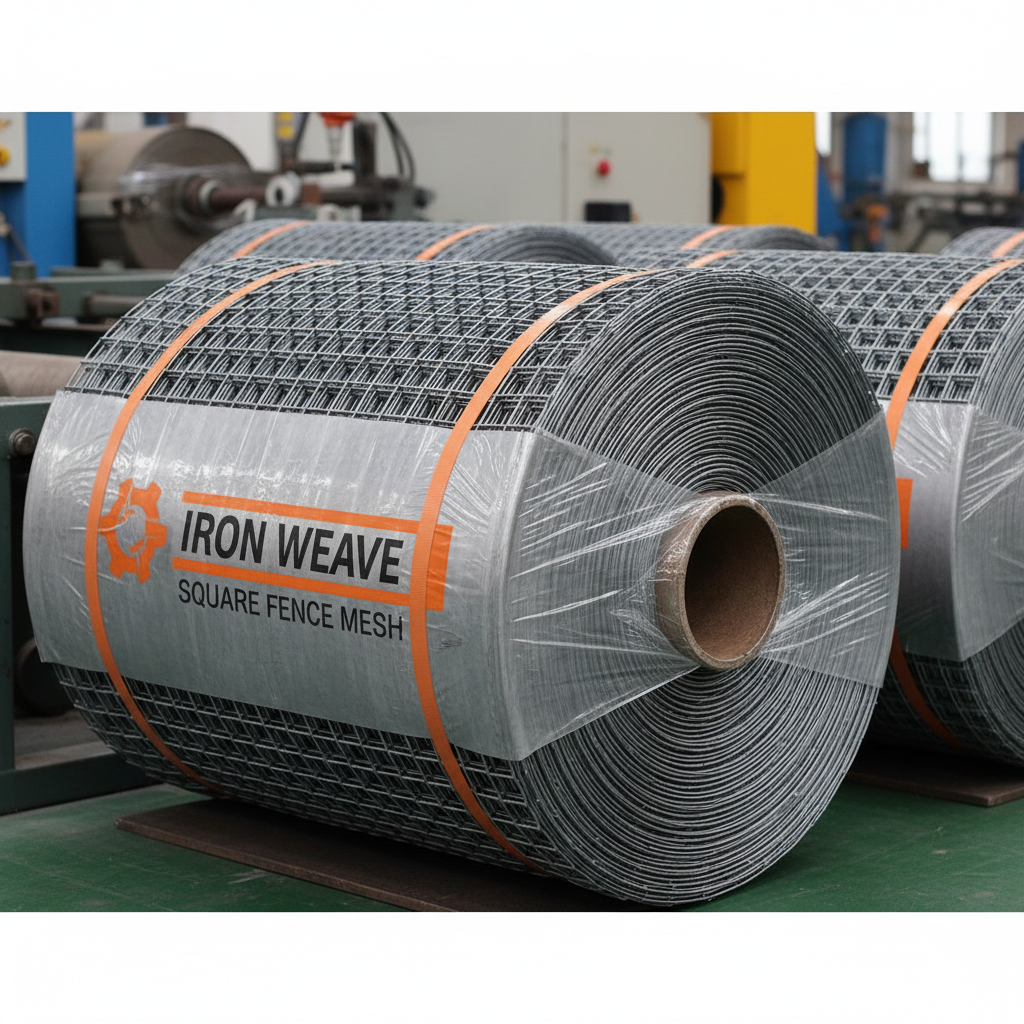
Square fence mesh is fabricated by welding pre-galvanized or stainless steel wires at each intersection, creating a rigid and durable grid pattern. The "square" designation refers to the consistent spacing between the wires, providing a uniform and aesthetically pleasing appearance. It's commonly available in various wire gauges (thickness) and mesh sizes (opening dimensions), allowing for customization based on specific requirements. Different coatings, such as PVC or powder coating, can be applied to enhance corrosion resistance and visual appeal. Peiling Tech offers a diverse range of high-quality square fence mesh options to suit a variety of applications.
Key Highlights: Durable welded wire construction, available in various gauges and mesh sizes, customizable with coatings for enhanced protection and appearance.
Common Applications of Square Fence Mesh
The versatility of square fence mesh makes it suitable for a broad spectrum of applications. In agriculture, it's used to create secure enclosures for livestock, poultry, and gardens, protecting crops from pests and animals. Industrially, it serves as a safety barrier in factories, warehouses, and construction sites. Residential uses include property boundaries, garden fencing, and pet enclosures. Further applications include creating cages, filters, and support structures in construction and manufacturing. Its strength and durability make it a reliable choice for various security and containment needs.
Application Areas:
• Agricultural fencing (livestock, poultry, crops)
• Industrial safety barriers
• Residential property boundaries
• Pet enclosures
Square Fence Mesh: Comparing Materials and Coatings
Selecting the appropriate material and coating for your square fence mesh is vital for its longevity and performance. Galvanized steel provides excellent corrosion resistance, making it ideal for outdoor applications. Stainless steel offers superior corrosion protection, particularly in harsh environments like coastal areas. PVC coating adds an extra layer of protection and can be color-coded for aesthetic purposes. Powder coating provides a durable, impact-resistant finish available in a wide array of colors. Understanding these options allows you to choose the mesh best suited to your specific needs and environmental conditions.
Installation Considerations for Square Fence Mesh
Proper installation is critical for ensuring the longevity and effectiveness of your square fence mesh. Begin by setting posts at appropriate intervals, typically 8-10 feet apart, depending on the mesh height and intended use. Use appropriate post materials (wood, metal, or concrete) based on ground conditions and project requirements. Securely attach the mesh to the posts using wire ties, staples, or tension bands. Maintaining consistent tension across the mesh is essential for a neat and secure finish. Consider using a tension wire at the top and bottom of the fence for added stability.
Choosing the Right Mesh Size and Gauge
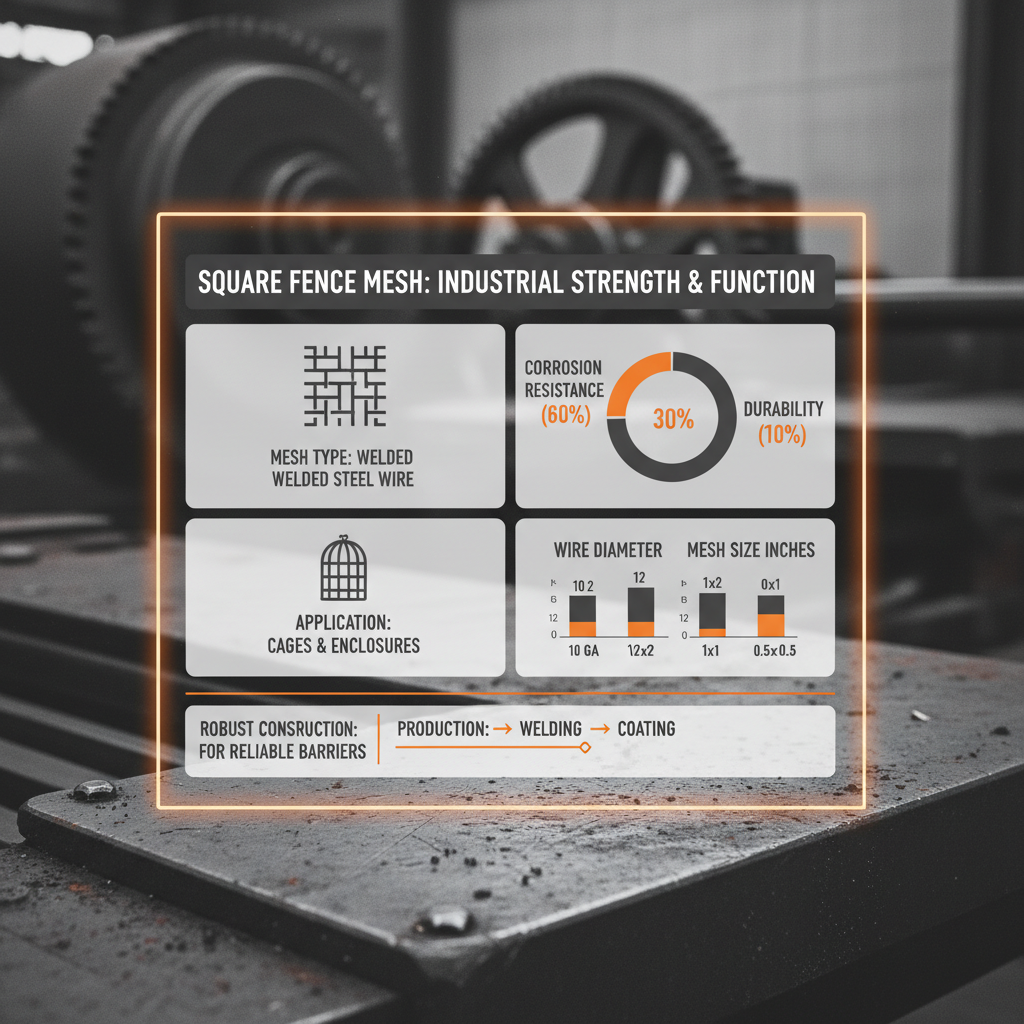
The mesh size (opening dimension) and gauge (wire thickness) are crucial factors to consider. Smaller mesh sizes are ideal for containing smaller animals or preventing the passage of pests. Larger mesh sizes are suitable for general fencing and security purposes. Heavier gauge wires offer greater strength and durability, particularly in high-stress applications. Peiling Tech provides expert guidance to help you select the optimal mesh size and gauge for your specific requirements.
Conclusion: Investing in Quality Square Fence Mesh
Choosing the right square fence mesh is a smart investment in long-term security, durability, and peace of mind. By understanding the available materials, coatings, and installation best practices, you can ensure your fence effectively meets your needs for years to come. Don't hesitate to contact Peiling Tech for expert advice and a comprehensive selection of high-quality mesh products.
Frequently Asked Questions (FAQs)
What is the typical lifespan of square fence mesh?
The lifespan of square fence mesh varies depending on the material, coating, and environmental conditions. Galvanized steel mesh typically lasts 10-20 years, while stainless steel can last upwards of 50 years. PVC and powder-coated mesh can extend the lifespan further, protecting against corrosion and UV damage. Regular inspection and maintenance, such as cleaning and repairing damaged areas, can significantly prolong the life of the fence. Proper installation is also key to maximizing longevity.
How do I repair damaged square fence mesh?
Minor damage, such as small cuts or breaks, can be repaired using wire ties or mesh patches. For larger damage, it may be necessary to replace the affected section of mesh. Ensure the replacement mesh matches the gauge and mesh size of the existing fence. Properly secure the new mesh to the posts using wire ties or staples. For extensive damage, consulting a professional fencing contractor is recommended.
Is square fence mesh suitable for saltwater environments?
While galvanized steel offers some corrosion resistance, stainless steel is highly recommended for saltwater environments. Saltwater is extremely corrosive and can quickly degrade galvanized steel. Stainless steel mesh provides superior protection against rust and corrosion, ensuring a long-lasting and reliable fence. Even with stainless steel, regular cleaning and maintenance are still advisable to maximize its lifespan in a saltwater environment.
What are the safety considerations when installing square fence mesh?
Always wear appropriate safety gear, including gloves, eye protection, and sturdy footwear, during installation. Be cautious when working with wire cutters and staples, and avoid creating sharp edges. Ensure the posts are securely anchored in the ground to prevent the fence from collapsing. Follow all local building codes and regulations. If you're unsure about any aspect of the installation process, consult a professional fencing contractor.
-
Complete Guide to Choosing a Durable 4 foot wire fence rollNewsApr.16,2026
-
Guide to Choosing the Best Square Wire Fencing Roll for SecurityNewsApr.16,2026
-
High Quality Steel Welded Wire Rolled Fencing for Secure BoundariesNewsApr.16,2026
-
High Quality Black Fence Roll for Secure and Discreet PerimeterNewsApr.16,2026
-
Ultimate Guide to Temporary Fence Roll for Site Security and SafetyNewsApr.16,2026
-
High Quality Garden Mesh Roll Guide for Protecting Green SpaceNewsApr.09,2026