-

-
 Whatsapp:+86 17732187393
 -


Comprehensive Guide to Durable Black Wire Fencing Panels for Security and Containment
Black Wire Fencing Panels: A Comprehensive Guide
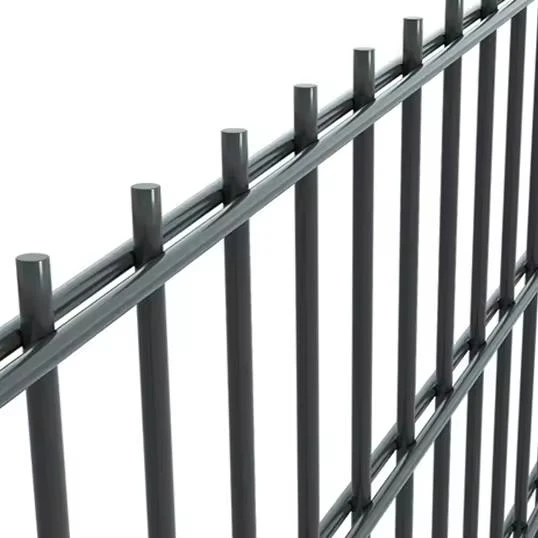
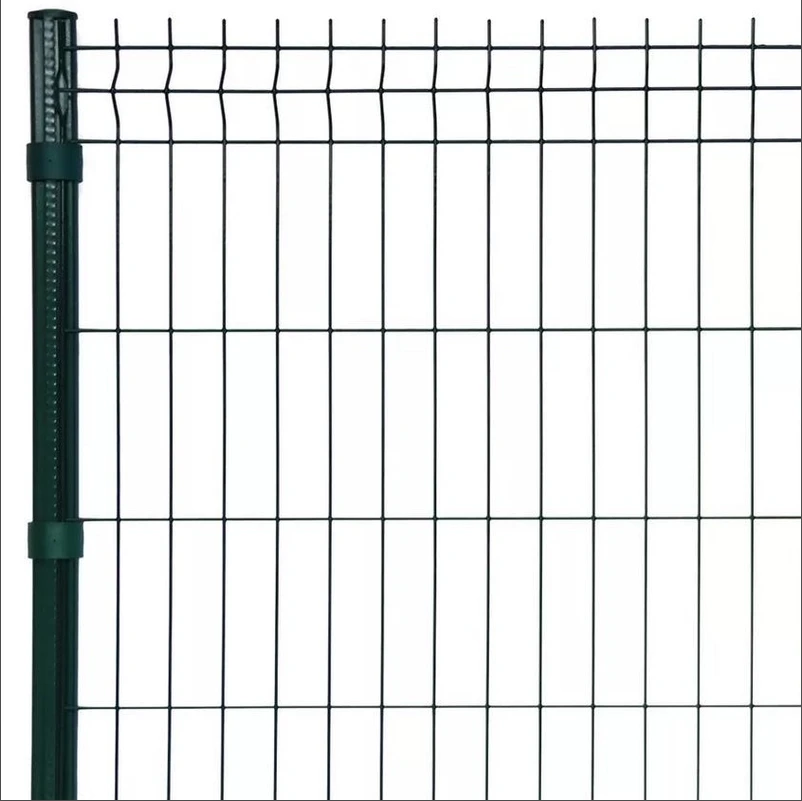
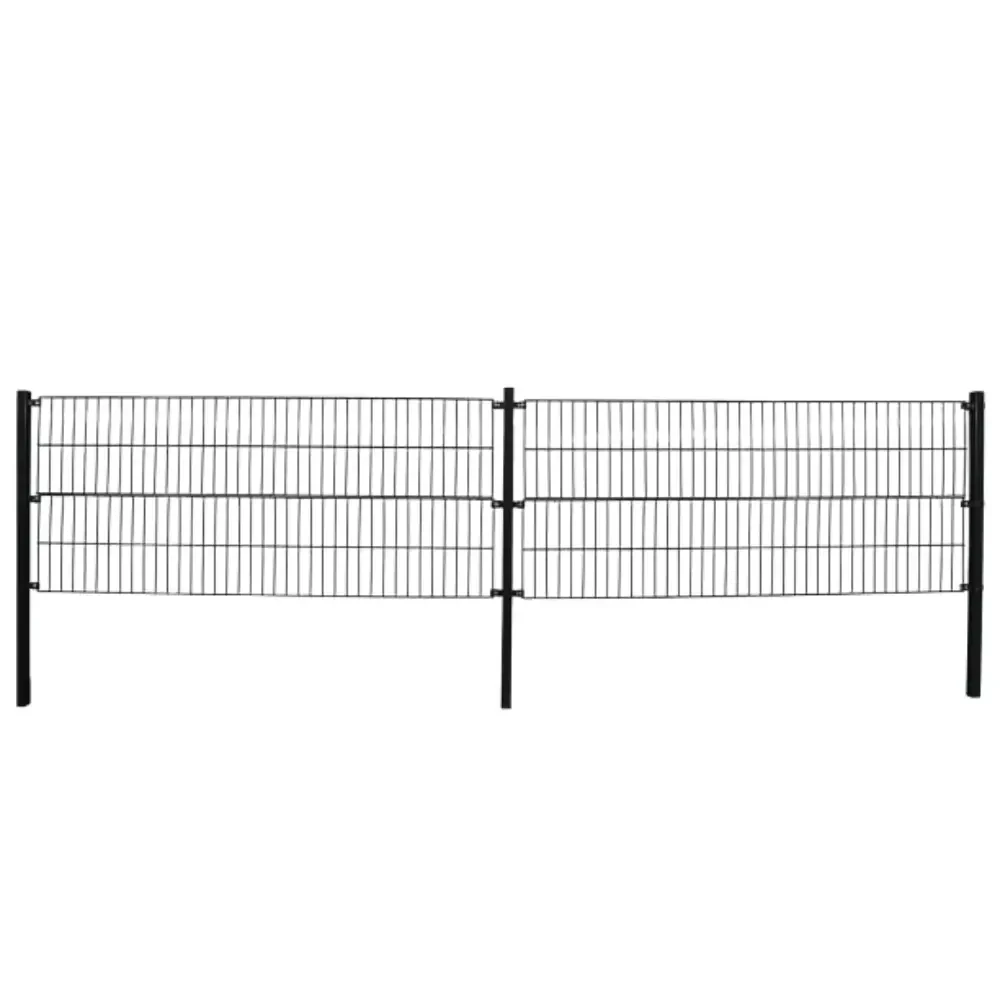
When considering perimeter security, livestock containment, or creating defined spaces, black wire fencing panels offer a versatile and cost-effective solution. These panels are widely used in both agricultural and industrial settings due to their durability, ease of installation, and aesthetic appeal. This article will explore the benefits, applications, types, and considerations when choosing black wire fencing panels, offering a thorough overview for potential buyers and project planners. Selecting the right fencing is crucial for long-term security and functionality.
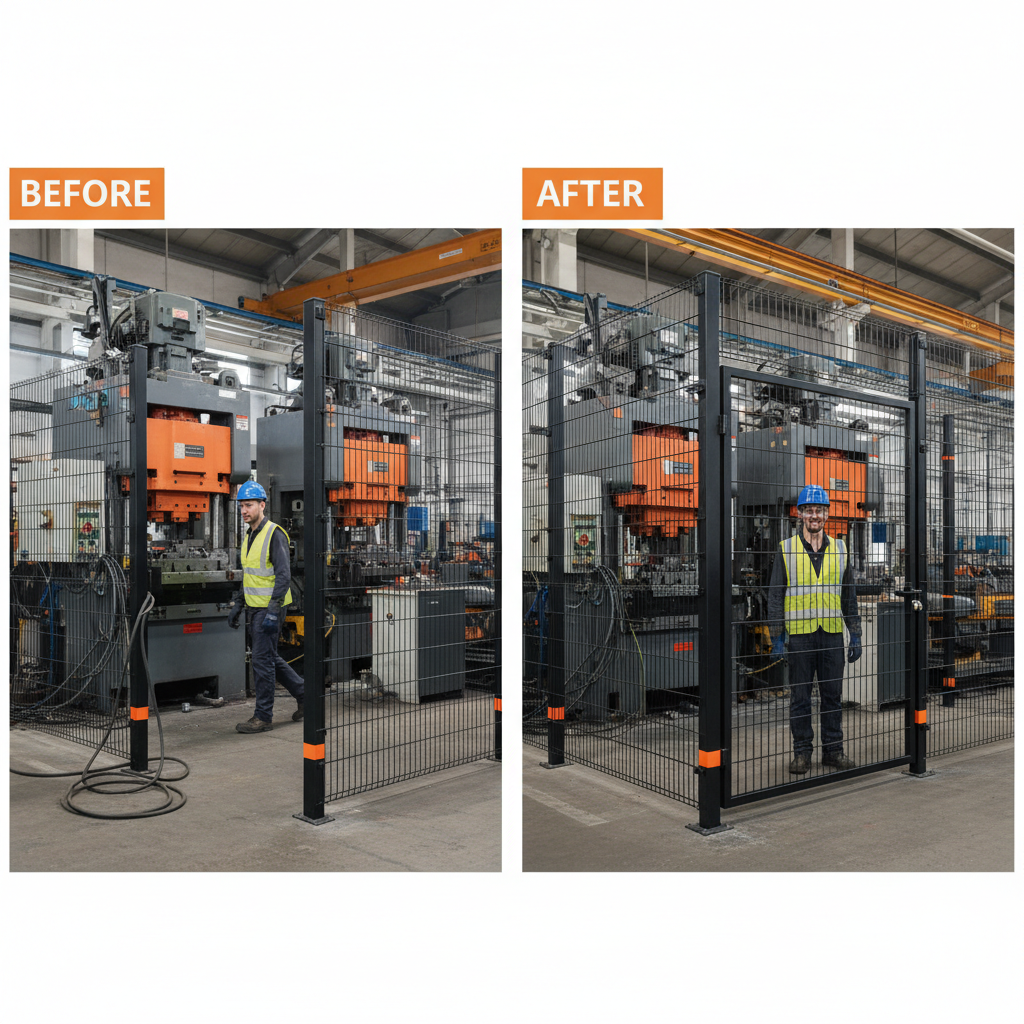
Benefits of Choosing Black Wire Fencing Panels
Black wire fencing panels boast several advantages over traditional fencing materials. Their robust construction provides excellent resistance to weathering and corrosion, ensuring a long service life. The black coating not only enhances aesthetics but also offers UV protection, preventing the wire from becoming brittle and breaking down over time. Installation is typically straightforward, requiring minimal specialized tools or expertise. Furthermore, they’re considerably more affordable than options like wrought iron or wood, making them an attractive choice for large-scale projects. The panels provide a strong visual deterrent, enhancing security around properties.
Key Highlights: Durable, weather-resistant construction; cost-effective solution; easy installation; enhanced security; aesthetically pleasing black finish.
Applications of Black Wire Fencing Panels
The versatility of black wire fencing panels makes them suitable for a wide array of applications. Common uses include enclosing agricultural land for livestock, securing residential properties, defining boundaries in commercial spaces, and creating animal enclosures in zoos or wildlife parks. They are also frequently employed in temporary fencing solutions for construction sites or events. The panels can be adapted to various terrains and configurations, offering flexibility in design and installation. Their neat appearance makes them ideal for areas where visual appeal is important.
Common Applications:
• Livestock containment
• Residential and commercial perimeter security
• Animal enclosures
• Temporary fencing solutions
Choosing the Right Black Wire Fencing Panel: Key Considerations
Selecting the appropriate black wire fencing panel involves considering several factors. The height and width of the panel should align with the specific security needs and the size of the area to be enclosed. The wire gauge (thickness) impacts the panel’s strength and durability; heavier gauges are recommended for high-security applications. The mesh size determines the level of containment – smaller mesh sizes are ideal for preventing smaller animals from escaping. Finally, the coating quality is vital for longevity; ensure the panels are coated with a durable, UV-resistant finish.
Installation Tips for Black Wire Fencing Panels
Proper installation is essential for ensuring the longevity and effectiveness of your fencing. Begin by carefully planning the layout and marking post locations. Use sturdy posts (wood or metal) spaced appropriately for the panel width. Ensure posts are set securely in the ground, often using concrete. Attach the panels to the posts using appropriate clips or fasteners, maintaining consistent tension throughout the fence line. Regularly inspect the fencing for any signs of damage or loosening and address them promptly.
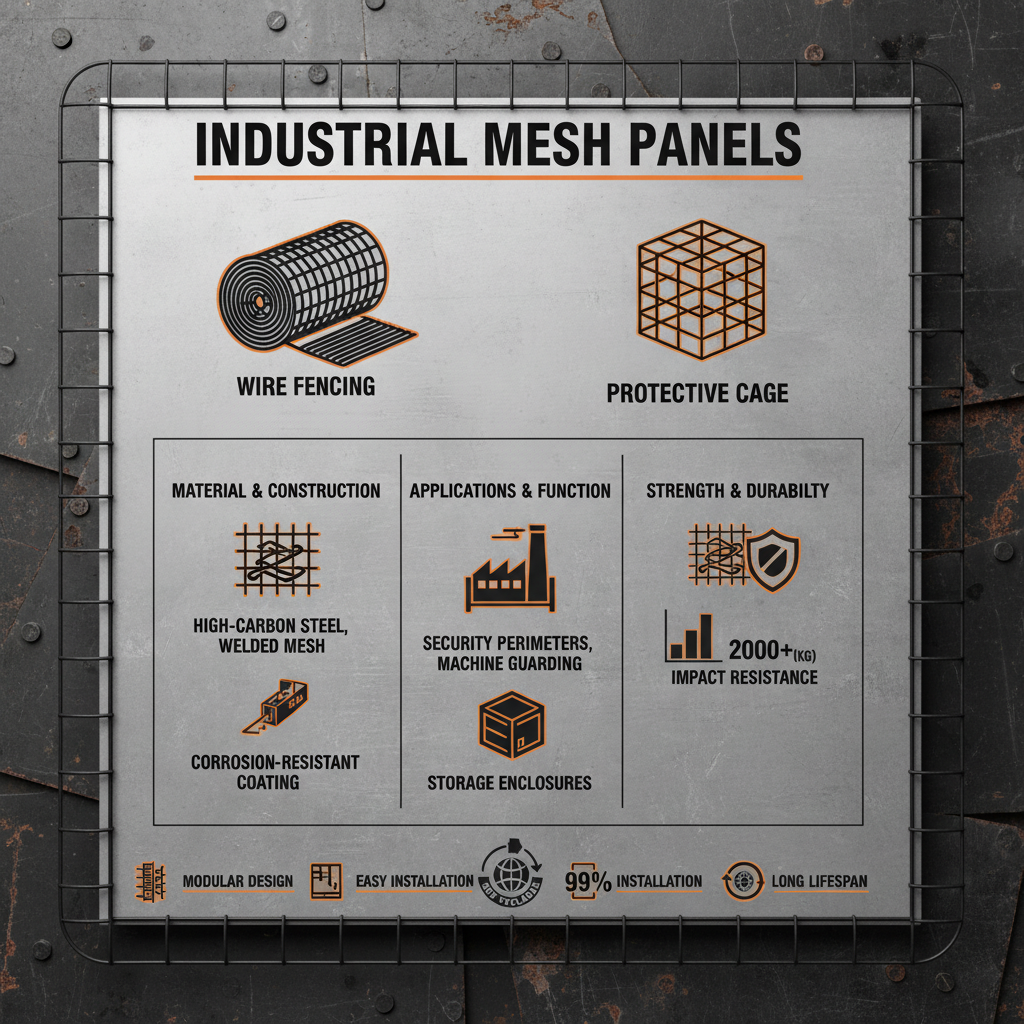
Maintaining Your Black Wire Fence
To maximize the lifespan of your black wire fencing panels, regular maintenance is key. Periodically inspect the panels for any signs of corrosion or damage. Remove any vegetation that grows up the fencing, as this can contribute to moisture retention and accelerate deterioration. If necessary, touch up the coating with a suitable paint or sealant to protect against the elements. Promptly repair any damaged sections to prevent further issues.
Conclusion: A Reliable and Versatile Fencing Solution
Black wire fencing panels represent a practical and cost-effective solution for a wide range of fencing needs. Their durability, ease of installation, and aesthetic appeal make them a popular choice for both residential and commercial applications. By carefully considering your specific requirements and following proper installation and maintenance practices, you can enjoy years of reliable performance from your black wire fencing. Explore the offerings at Peiling Tech to find the perfect panels for your project.
Frequently Asked Questions (FAQs)
What is the recommended post spacing for black wire fencing panels?
The recommended post spacing typically ranges from 8 to 10 feet, depending on the height of the panels and the terrain. Shorter panels and uneven ground may require closer spacing for increased stability. Using heavier-duty posts will also allow for wider spacing. Always consult the manufacturer’s specifications for the specific panels you are using, as they may have recommendations for optimal post spacing. Proper post spacing ensures the fence remains secure and withstands wind and other external forces.
Are black wire fencing panels suitable for containing large animals like horses?
While black wire fencing panels can be used for horse containment, it's crucial to choose panels with appropriate height and wire gauge. Heavier gauge wire (10-12 gauge) and a higher panel height (at least 5 feet) are recommended. Ensure the panels are securely attached to sturdy posts and consider adding a top rail for extra reinforcement. It's also important to regularly inspect the fencing for any damage that could compromise its integrity and potentially lead to escapes. For horses, a no-climb mesh configuration is often preferred to prevent entanglement.
What is the typical lifespan of a black wire fence?
With proper installation and maintenance, a black wire fence can last 10-20 years or even longer. The lifespan depends on factors such as the quality of the materials, the severity of the climate, and the level of maintenance performed. Regularly inspecting the fence for damage and addressing any issues promptly will significantly extend its lifespan. Applying a protective coating periodically can also help prevent corrosion and prolong the fence’s durability.
Can black wire fencing panels be used on sloped terrain?
Yes, black wire fencing panels can be adapted to sloped terrain. However, it requires careful planning and installation. Follow the contour of the slope as closely as possible, using shorter post sections as needed. Ensure the panels are securely attached to the posts and that the fence line maintains consistent tension. Consider using a stepped installation technique to avoid creating gaps under the panels. Proper ground preparation and post setting are especially important on sloped terrain to ensure the fence remains stable and effective.
-
Complete Guide to Choosing a Durable 4 foot wire fence rollNewsApr.16,2026
-
Guide to Choosing the Best Square Wire Fencing Roll for SecurityNewsApr.16,2026
-
High Quality Steel Welded Wire Rolled Fencing for Secure BoundariesNewsApr.16,2026
-
High Quality Black Fence Roll for Secure and Discreet PerimeterNewsApr.16,2026
-
Ultimate Guide to Temporary Fence Roll for Site Security and SafetyNewsApr.16,2026
-
High Quality Garden Mesh Roll Guide for Protecting Green SpaceNewsApr.09,2026