-

-
 Whatsapp:+86 17732187393
 -


Comprehensive Guide to Durable Galvanised Wire Fence Panels and Applications
Galvanised Wire Fence Panels: A Comprehensive Guide
When securing your property or agricultural land, choosing the right fencing solution is paramount. Galvanised wire fence panels are a popular choice, offering durability, security, and cost-effectiveness. This article will delve into the benefits, applications, types, and considerations when selecting galvanised wire fence panels. We'll explore how these panels provide a robust and long-lasting fencing solution for a variety of needs.
Understanding Galvanised Wire Fence Panels
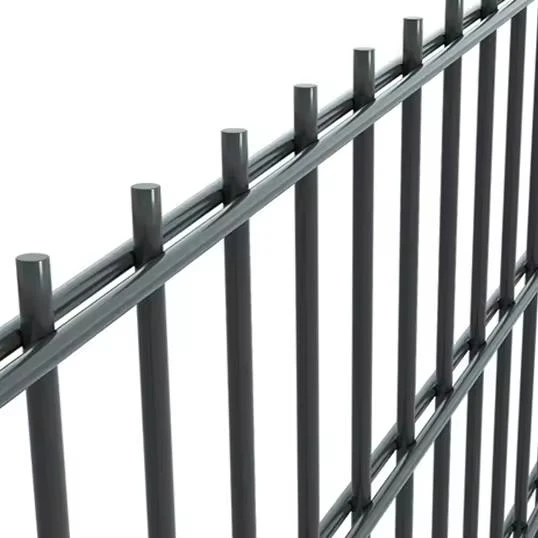
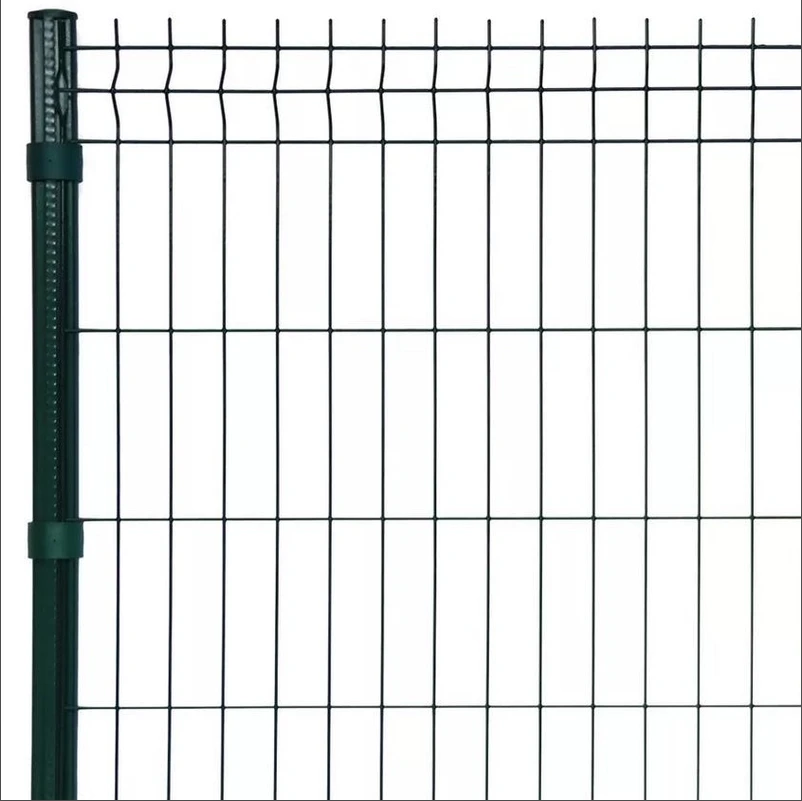
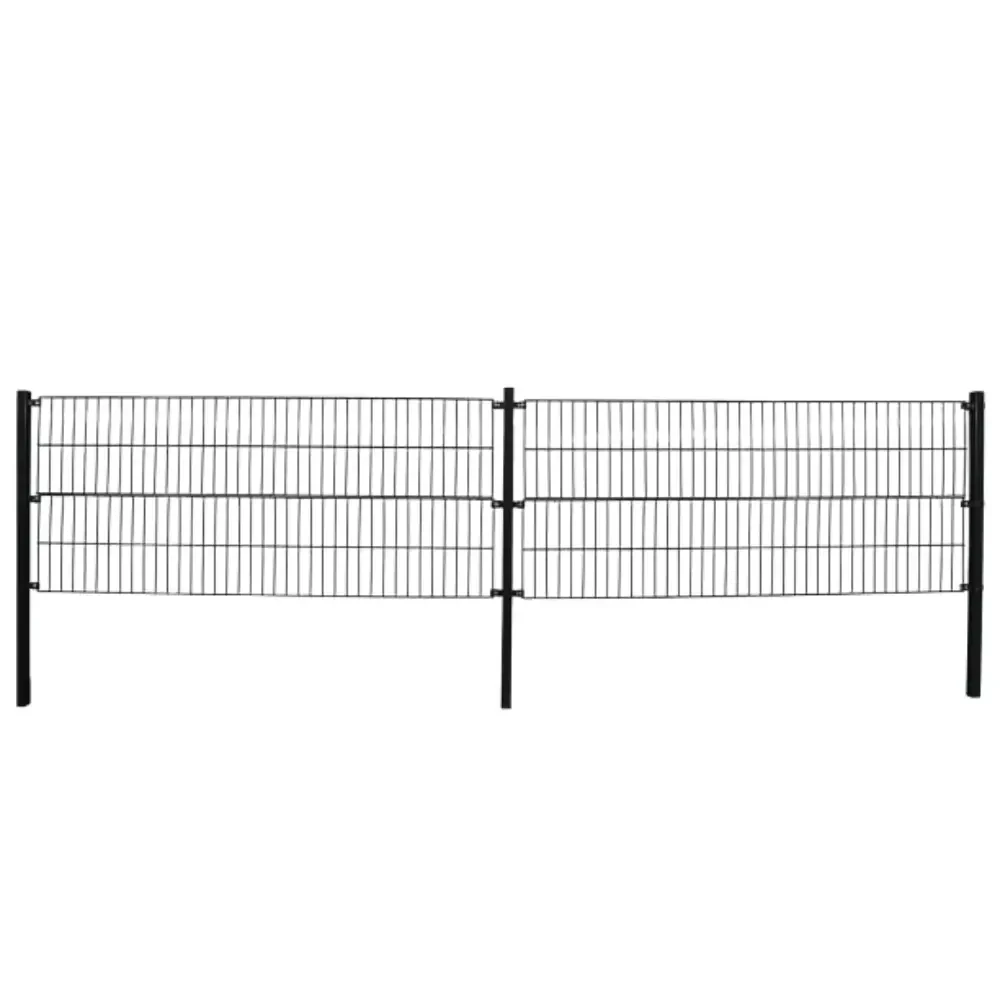
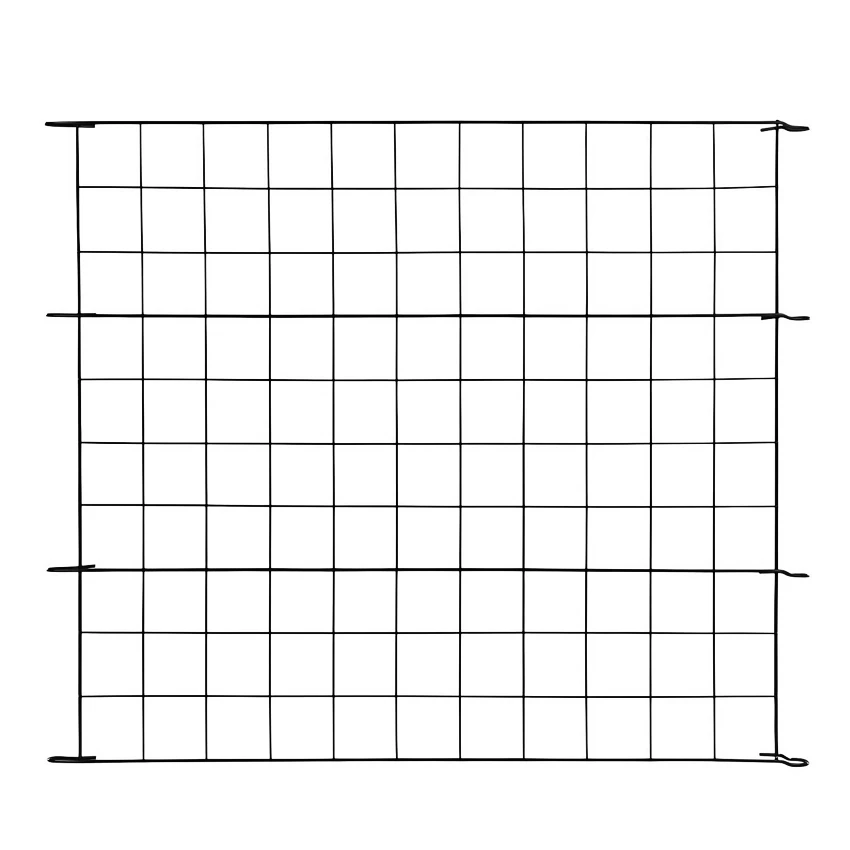
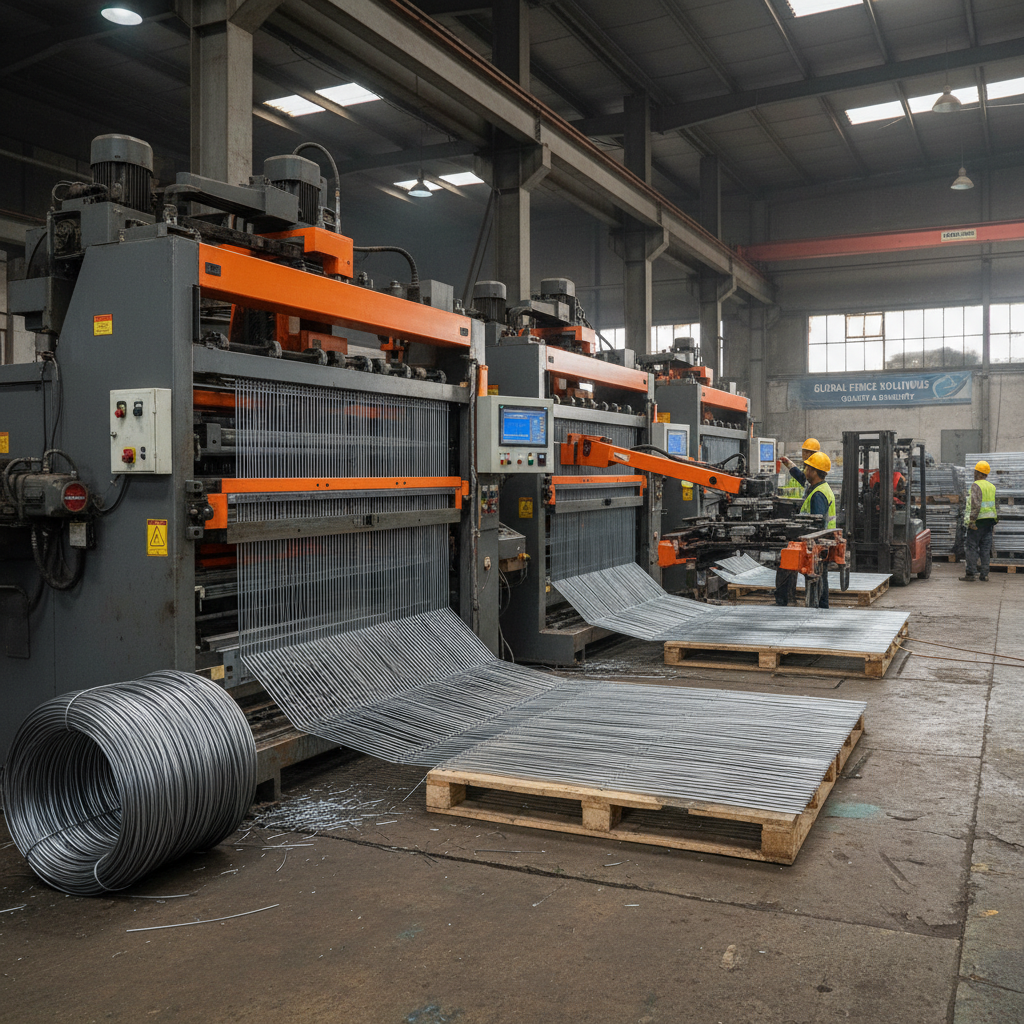
Galvanised wire fence panels are constructed from steel wire that has been coated with a layer of zinc through a process called galvanisation. This zinc coating provides excellent corrosion resistance, protecting the steel from rust and weathering. This makes galvanised wire fencing ideal for outdoor use in a wide range of climates. The panels themselves are typically welded wire mesh, offering strength and rigidity. The wire gauge, mesh size, and panel dimensions vary depending on the intended application, from agricultural fencing to security barriers.
Key Benefits of Choosing Galvanised Steel
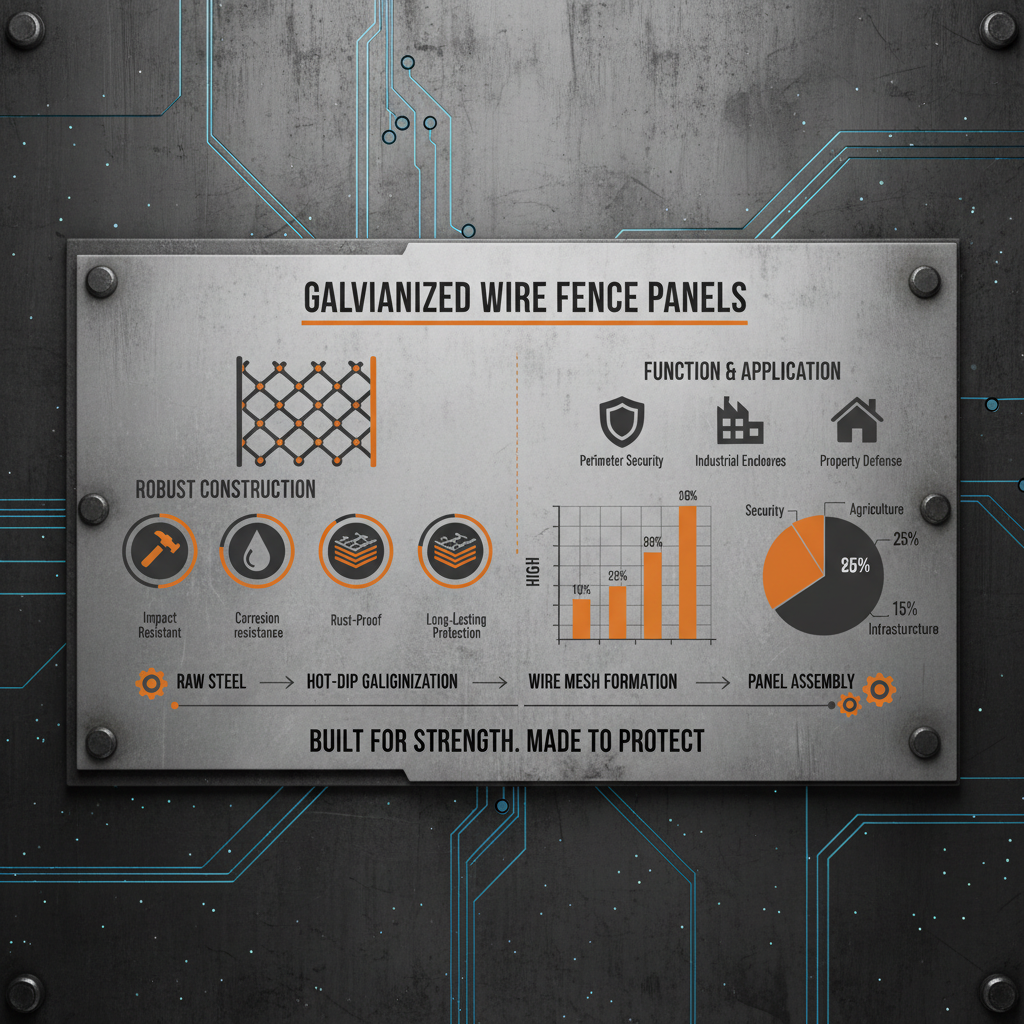
Investing in galvanised wire fence panels offers several significant advantages. Firstly, the galvanisation process provides exceptional corrosion resistance, extending the lifespan of the fence significantly compared to non-galvanised alternatives. Secondly, the welded wire construction offers high tensile strength, making the panels robust and difficult to breach. This ensures long-term security and containment. Thirdly, galvanised steel is relatively affordable, providing a cost-effective fencing solution. Finally, it requires minimal maintenance, saving time and resources over the fence's lifetime.
Key Highlights: Exceptional corrosion resistance, high tensile strength, cost-effective, and minimal maintenance.
Types of Galvanised Wire Fence Panels and Their Applications
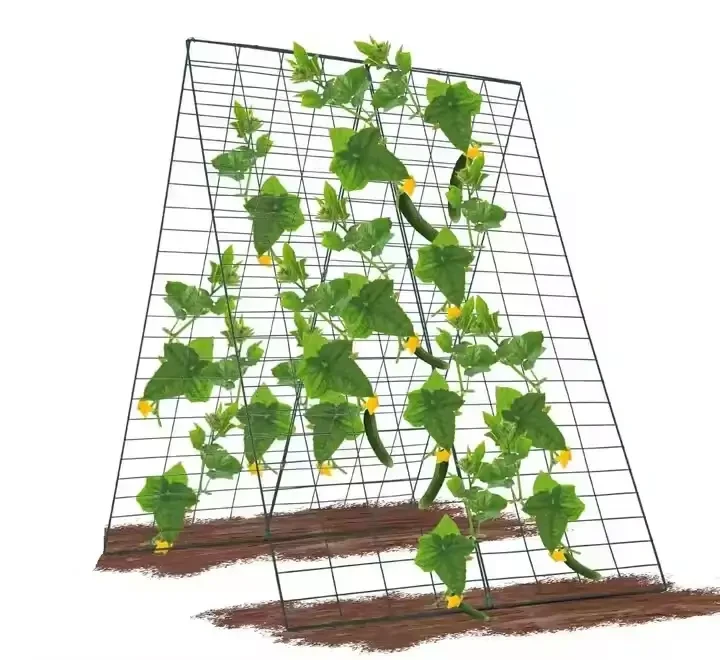
Various types of galvanised wire fence panels cater to different needs. Stock fence panels, featuring a regular mesh pattern, are commonly used for agricultural fencing, containing livestock and defining property boundaries. Horticultural panels, with smaller mesh sizes, are ideal for protecting gardens and orchards from pests. Security panels, often incorporating smaller mesh and thicker wire, provide enhanced security for commercial and industrial properties. Welded wire mesh panels are suitable for a wider variety of applications like animal enclosures and general fencing. The choice of panel type depends on the specific requirements of the project.
Panel Type Overview:
• Stock Fence: Agricultural, Livestock Containment
• Horticultural: Garden & Orchard Protection
• Security: Commercial/Industrial Security
• Welded Wire Mesh: General Fencing, Animal Enclosures
Galvanised Wire Fence Panel Specifications & Comparison
Understanding the specifications of different galvanised wire fence panels is crucial for making the right choice. Here’s a comparison table to illustrate the key differences:
Installation Considerations for Galvanised Wire Fencing
Proper installation is key to maximizing the lifespan and effectiveness of your galvanised wire fence. Ensure posts are securely anchored in the ground, spaced appropriately for the panel height and terrain. Use appropriate fixings to attach the panels to the posts, ensuring a tight and secure connection. Consider using strainers and bracing to provide additional support, especially on long runs of fencing. Protect the bottom of the panels from direct contact with the ground to prevent corrosion. For expert installation advice and high-quality galvanised wire fence panels, contact PeilingTech today!
Conclusion: The Smart Choice for Durable Fencing
Choosing galvanised wire fence panels provides a long-lasting, secure, and cost-effective fencing solution. Their corrosion resistance, strength, and versatility make them suitable for a wide range of applications. With proper installation and maintenance, these panels will provide years of reliable service.
Frequently Asked Questions (FAQs)
What is the typical lifespan of a galvanised wire fence panel?
The lifespan of a galvanised wire fence panel varies depending on environmental conditions and the quality of the galvanisation. However, with proper installation and maintenance, you can expect a lifespan of 15-25 years or even longer. Factors such as exposure to saltwater, industrial pollutants, and acidic rain can accelerate corrosion. Regular inspection and maintenance, such as applying protective coatings, can help extend the lifespan. A thicker zinc coating generally offers a longer lifespan.
How do I maintain a galvanised wire fence to prevent rust?
While galvanisation provides excellent corrosion resistance, regular maintenance is still recommended. Periodically inspect the fence for any signs of rust or damage to the zinc coating. Clean the fence with a mild detergent and water to remove dirt and debris. If you notice any areas where the zinc coating has been damaged, apply a zinc-rich paint or coating to protect the exposed steel. Avoid using abrasive cleaners or wire brushes, as these can damage the galvanisation. Address any damage promptly to prevent it from spreading.
What post materials are best suited for galvanised wire fencing?
Several post materials work well with galvanised wire fencing. Treated timber posts are a cost-effective option, but they have a limited lifespan. Steel posts are more durable and provide greater strength, particularly for high-security applications. Concrete posts offer excellent stability and longevity, but they are heavier and more expensive. When using dissimilar metals (e.g., steel posts and galvanised wire), it's important to use isolators to prevent galvanic corrosion. The best post material depends on the specific requirements of your project and budget.
Are galvanised wire fence panels suitable for saltwater environments?
Galvanisation offers good corrosion resistance, but saltwater environments are particularly corrosive. While galvanised wire fencing can be used near the coast, it may have a shorter lifespan than in inland areas. Consider using heavier-gauge wire and a thicker zinc coating for increased protection. Alternatively, explore stainless steel fencing for superior corrosion resistance in highly saline environments. Regular cleaning and maintenance are also crucial to prolong the life of the fence in a saltwater environment.
-
Complete Guide to Choosing a Durable 4 foot wire fence rollNewsApr.16,2026
-
Guide to Choosing the Best Square Wire Fencing Roll for SecurityNewsApr.16,2026
-
High Quality Steel Welded Wire Rolled Fencing for Secure BoundariesNewsApr.16,2026
-
High Quality Black Fence Roll for Secure and Discreet PerimeterNewsApr.16,2026
-
Ultimate Guide to Temporary Fence Roll for Site Security and SafetyNewsApr.16,2026
-
High Quality Garden Mesh Roll Guide for Protecting Green SpaceNewsApr.09,2026