-

-
 Whatsapp:+86 17732187393
 -


Comprehensive Guide to Durable Steel Wire Fencing Panels for Property Protection
Steel Wire Fencing Panels: A Comprehensive Guide
When it comes to securing properties and creating durable boundaries, steel wire fencing panels are a popular and effective solution. Offering strength, longevity, and versatility, these panels are suitable for a wide range of applications, from agricultural fencing to industrial security. This article will delve into the benefits, types, applications, and considerations when choosing steel wire fencing panels, providing a thorough overview for anyone looking to enhance their property's protection. Investing in quality fencing is a crucial step towards ensuring the safety and security of your land and assets.
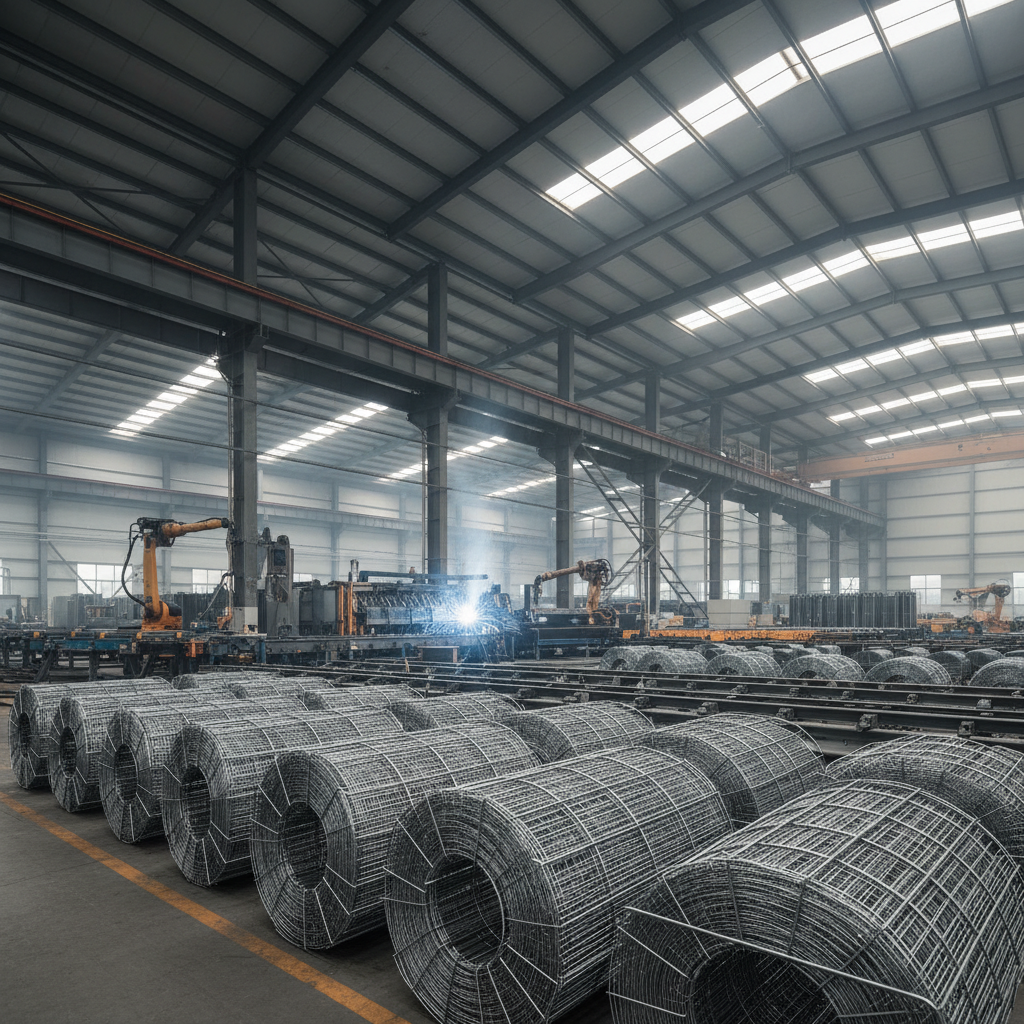
Understanding the Benefits of Steel Wire Fencing Panels
Steel wire fencing panels offer numerous advantages over traditional fencing materials like wood or chain link. Their inherent strength provides exceptional security, deterring trespassers and protecting livestock. The durability of steel ensures a long lifespan, reducing the need for frequent repairs or replacements. Furthermore, steel wire fencing is relatively low maintenance, requiring minimal upkeep to maintain its integrity. Unlike wood, it's resistant to rot, decay, and insect damage. Steel wire fencing panels also offer a clean, professional appearance, enhancing the overall aesthetic of your property. These panels are designed to withstand harsh weather conditions, making them an ideal choice for various climates.
Key Highlights: Durable, long-lasting, low maintenance, and provide excellent security.
Types of Steel Wire Fencing Panels
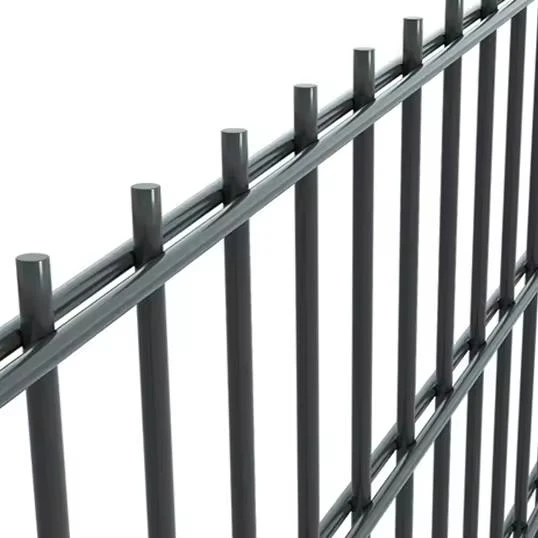
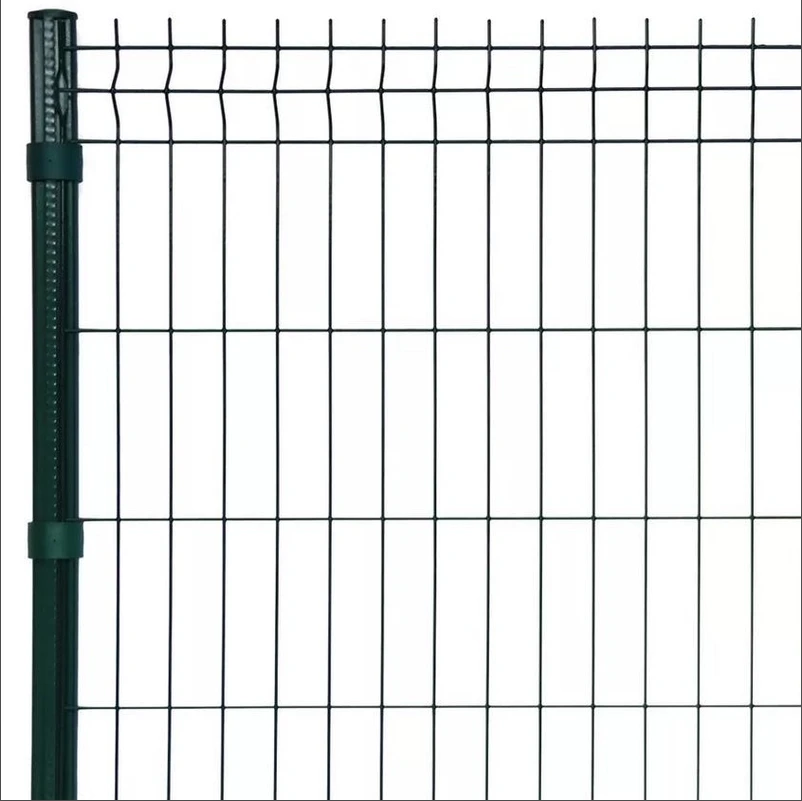
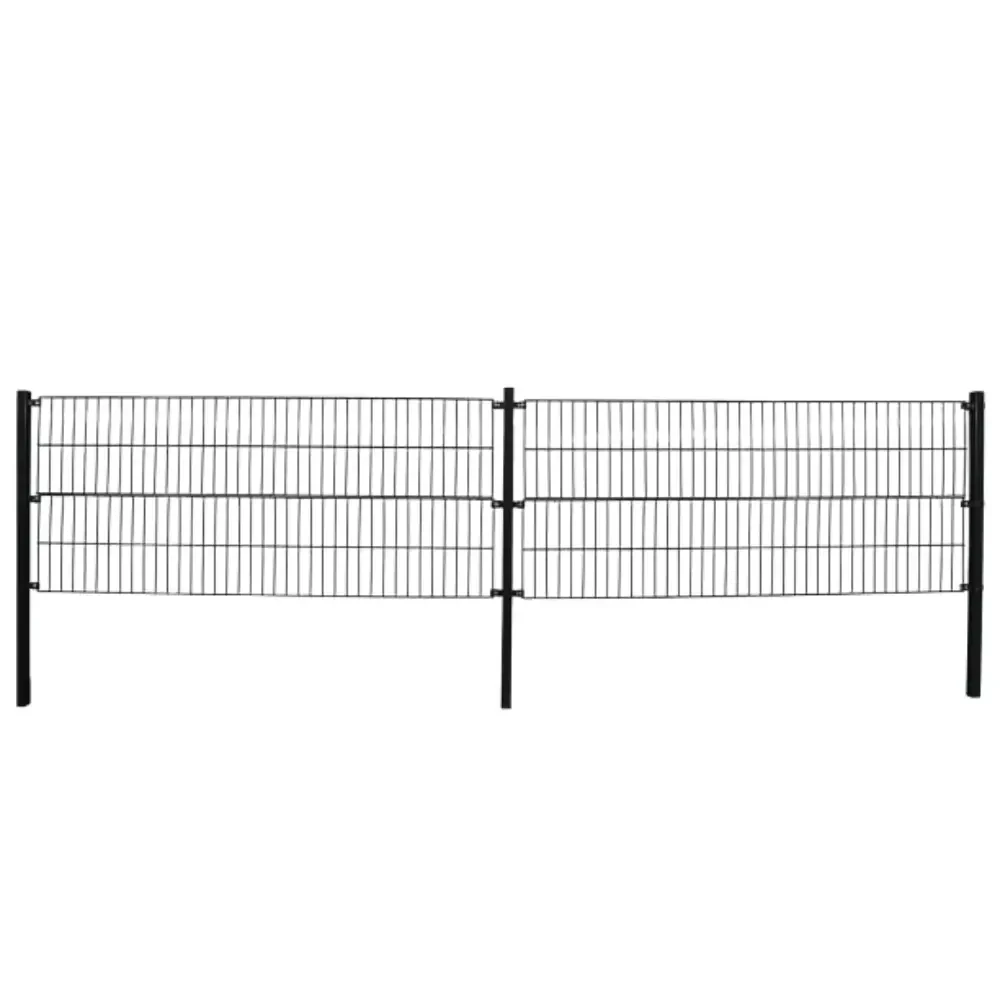
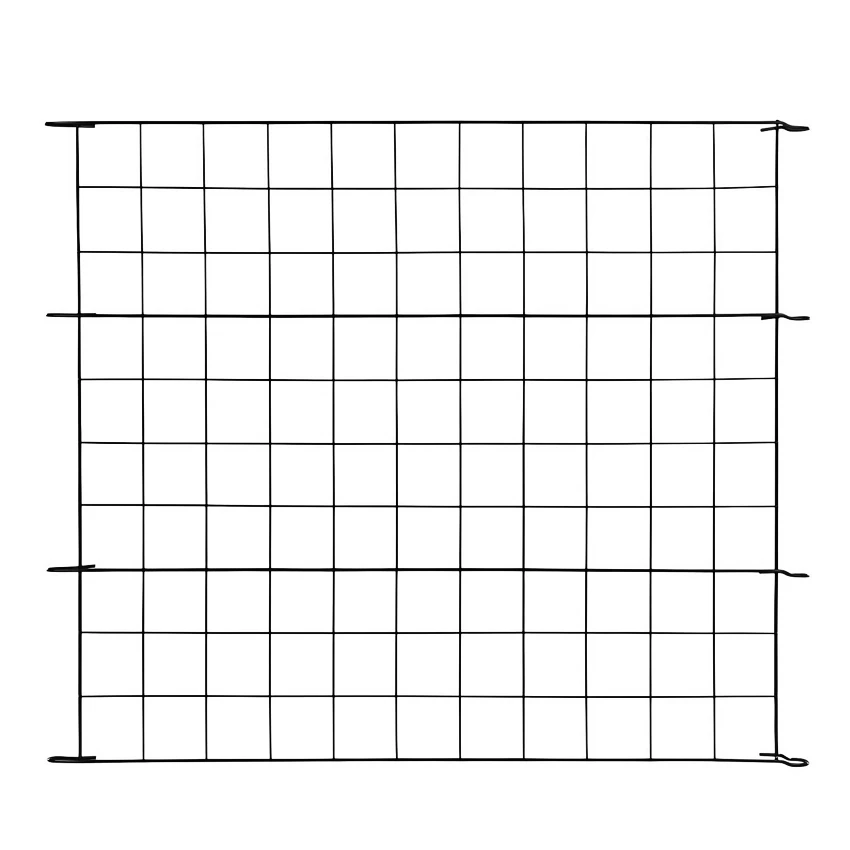
Several types of steel wire fencing panels are available, each designed for specific applications. Welded wire mesh panels, formed by welding steel wires together, are popular for agricultural fencing, animal enclosures, and general security. Chain link fencing, although technically a woven wire fence, utilizes interlocking steel wires to create a robust barrier. Woven wire fencing, offering varying degrees of strength and mesh size, is commonly used for livestock control. High-tensile wire fencing, utilizing strong, thin wires, provides exceptional strength and is often used for perimeter security and containing large animals. Choosing the right type depends on your specific needs, budget, and the level of security required. Peilingtech offers a diverse selection of these panel types.
Steel Wire Fencing Panel Types:
• Welded Wire Mesh
• Chain Link
• Woven Wire
• High-Tensile Wire
Steel Wire Fencing Panels: Applications Across Industries
The versatility of steel wire fencing panels makes them suitable for a wide array of applications. In agriculture, they're used to contain livestock, protect crops from wildlife, and define property boundaries. Industrial facilities utilize them for perimeter security, protecting equipment and assets. Residential properties benefit from enhanced security and privacy. Construction sites employ fencing panels to create temporary enclosures and secure materials. Even recreational areas like parks and sports fields utilize steel wire fencing for boundary demarcation and crowd control. The adaptability of these panels makes them a cost-effective solution for numerous industries and purposes.
Choosing the Right Steel Wire Fencing Panel: Key Considerations
Selecting the appropriate steel wire fencing panel requires careful consideration of several factors. The height and gauge (thickness) of the wire are crucial for determining the level of security and resistance to damage. The mesh size will influence what can pass through the fence. The post spacing is another important factor, affecting the structural integrity of the fence. Consider the climate and potential for corrosion, as galvanized or powder-coated steel offers increased protection against the elements. Also, ensure the fencing complies with local regulations and building codes. Peilingtech's experts can provide guidance in selecting the optimal panel for your specific requirements.
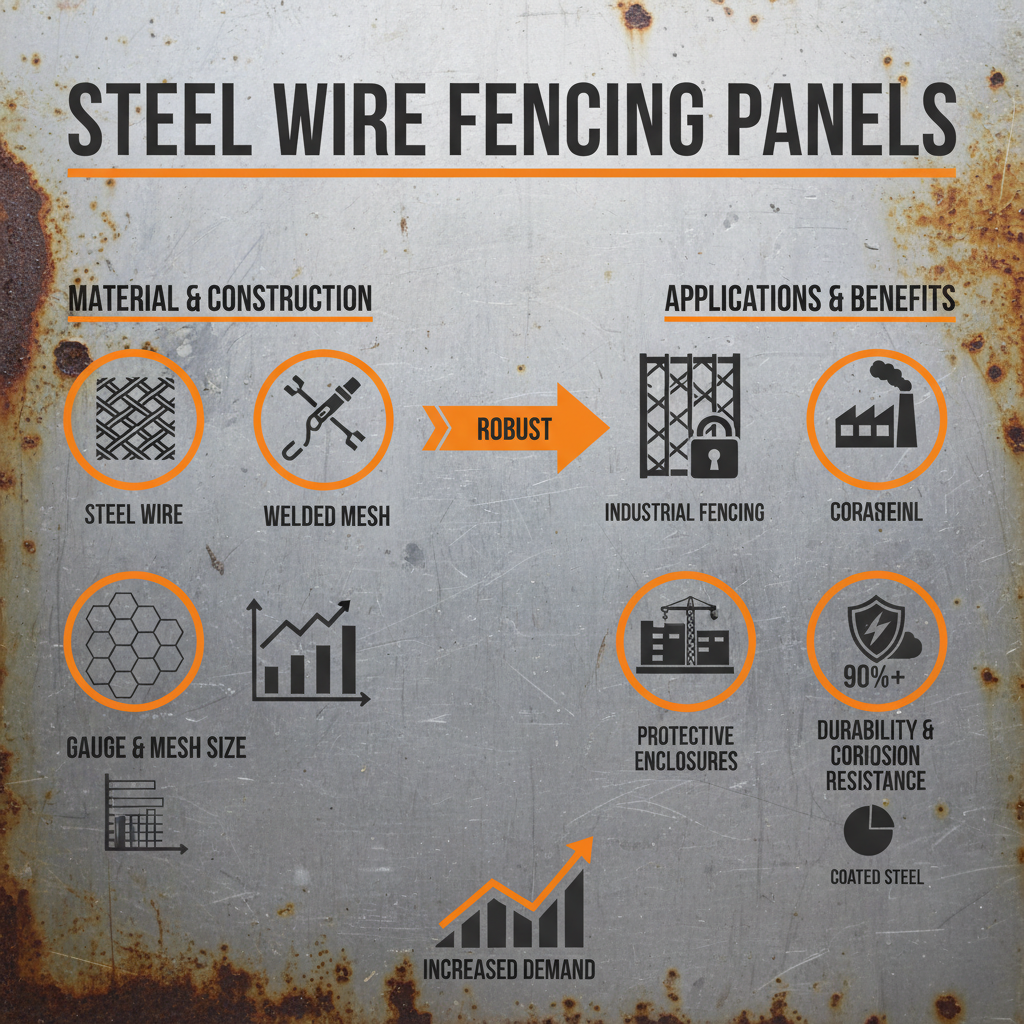
Installation and Maintenance of Steel Wire Fencing Panels
Proper installation is critical for ensuring the longevity and effectiveness of your steel wire fencing. Accurate post placement and secure attachment of the panels are essential. Regular inspection for damage, corrosion, or loose connections is recommended. Periodic cleaning to remove dirt and debris will help maintain the appearance and structural integrity of the fence. For galvanized steel, consider applying a protective coating every few years to prevent rust. Addressing any issues promptly will prevent minor problems from escalating into costly repairs.
Conclusion: Securing Your Property with Steel Wire Fencing
Investing in steel wire fencing panels is a smart decision for anyone seeking a durable, secure, and cost-effective solution for property protection. From agricultural applications to industrial security, these panels offer unparalleled versatility and longevity. By carefully considering your specific needs and choosing the right type of panel, you can create a perimeter that provides lasting peace of mind. Don't compromise on security – choose quality steel wire fencing.
Frequently Asked Questions (FAQs)
What is the typical lifespan of steel wire fencing panels?
The lifespan of steel wire fencing panels can vary depending on the type of steel, the coating applied (galvanization, powder coating), and the environmental conditions. Generally, properly installed and maintained panels can last 20-30 years or even longer. Regular inspections and maintenance, such as cleaning and reapplying protective coatings, can significantly extend the lifespan. Factors like exposure to salt air, harsh chemicals, and extreme weather can accelerate corrosion and reduce longevity.
What gauge of wire is best for security fencing?
For high-security fencing, a heavier gauge wire is recommended. Typically, 9-gauge or 11-gauge wire provides excellent strength and resistance to cutting or damage. Lighter gauges, such as 14-gauge, are suitable for lighter-duty applications like animal containment or decorative fencing. The specific gauge required will depend on the level of security needed and the size of the animals or objects being contained.
Are steel wire fencing panels rust-resistant?
Steel wire fencing panels are susceptible to rust, but galvanization and powder coating provide excellent rust resistance. Galvanized steel is coated with a layer of zinc, which protects the underlying steel from corrosion. Powder coating adds an additional layer of protection and provides a decorative finish. Regular maintenance, such as cleaning and reapplying protective coatings, can help prevent rust from forming. Choosing a reputable manufacturer and installer can also ensure the quality of the protective coatings.
What is the recommended post spacing for steel wire fencing?
The recommended post spacing for steel wire fencing depends on the height of the fence, the gauge of the wire, and the terrain. Generally, post spacing ranges from 8 to 12 feet. For taller fences or fences in areas with strong winds, closer post spacing is recommended. Using sturdy, properly installed posts is essential for ensuring the stability and longevity of the fence.
-
Complete Guide to Choosing a Durable 4 foot wire fence rollNewsApr.16,2026
-
Guide to Choosing the Best Square Wire Fencing Roll for SecurityNewsApr.16,2026
-
High Quality Steel Welded Wire Rolled Fencing for Secure BoundariesNewsApr.16,2026
-
High Quality Black Fence Roll for Secure and Discreet PerimeterNewsApr.16,2026
-
Ultimate Guide to Temporary Fence Roll for Site Security and SafetyNewsApr.16,2026
-
High Quality Garden Mesh Roll Guide for Protecting Green SpaceNewsApr.09,2026