-

-
 Whatsapp:+86 17732187393
 -


Comprehensive Guide to Durable Wire Mesh Livestock Panels for Efficient Farming
Understanding Wire Mesh Livestock Panels: A Comprehensive Guide
When it comes to efficient and safe livestock management, having the right fencing solution is crucial. Wire mesh livestock panels provide a robust, versatile, and cost-effective option for containing animals, creating pens, and managing pastures. This article will delve into the benefits, applications, and considerations when choosing wire mesh livestock panels, providing a thorough overview for farmers, ranchers, and animal care professionals. Investing in durable and reliable panels ensures the safety of your animals and the efficiency of your operation.
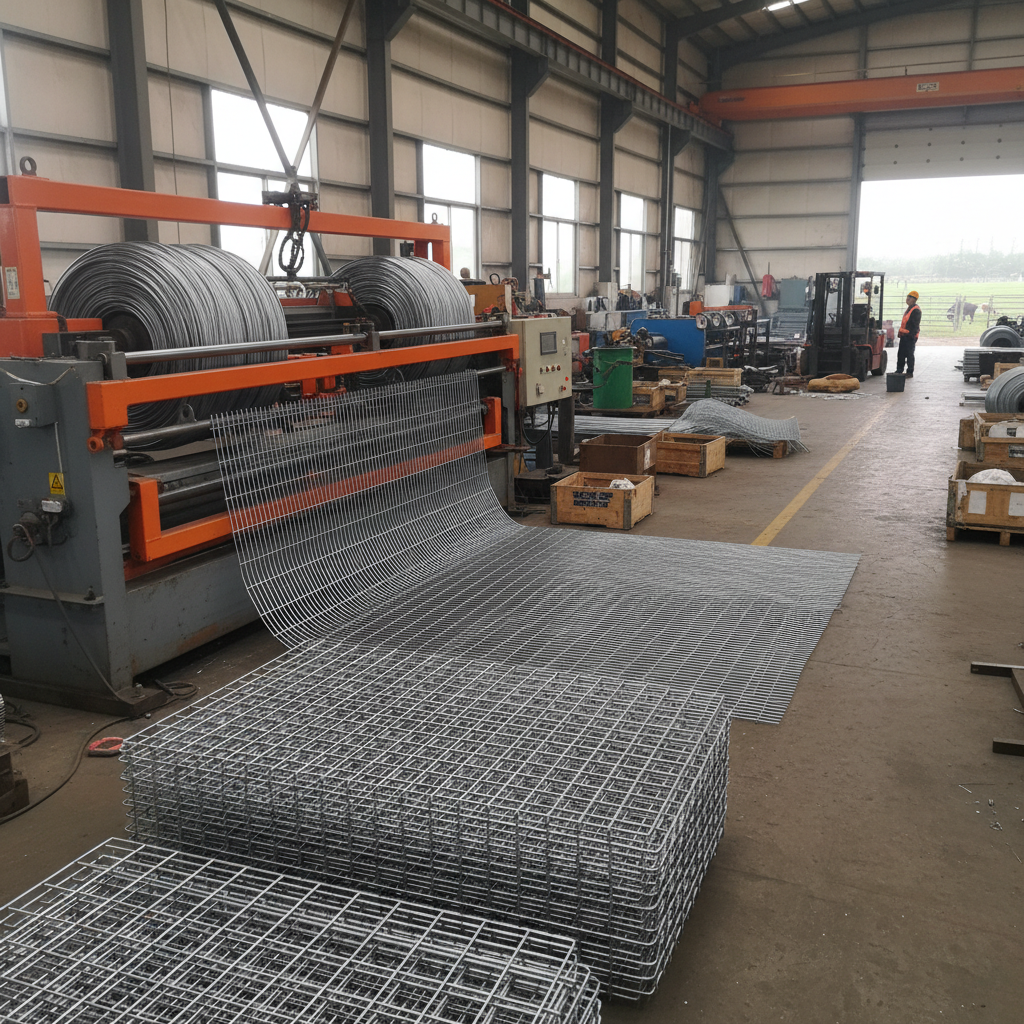
Benefits of Using Wire Mesh Livestock Panels
Durability and Longevity: Wire mesh panels, especially those constructed from galvanized steel, are incredibly durable and resistant to corrosion, ensuring a long service life. This reduces the need for frequent replacements, saving you money in the long run. Cost-Effectiveness: Compared to traditional wood or concrete fencing, wire mesh panels are often more affordable, making them an attractive option for budget-conscious farmers. Ease of Installation: Panels are relatively easy to install, requiring minimal tools and labor. This can significantly reduce installation costs and time. Versatility: These panels can be adapted to a variety of livestock types and fencing configurations, offering flexibility for different farm layouts and needs. Safety: The smooth mesh design minimizes the risk of injury to animals compared to barbed wire or rough wood fencing. You can find a wide selection of high-quality livestock panels at Peilingtech.
Key Highlights: Durable galvanized steel construction, easy installation, versatile applications, improved animal safety, and cost-effective solution.
Choosing the Right Wire Mesh Livestock Panel: Key Considerations
Selecting the appropriate wire mesh livestock panel requires careful consideration of several factors. The type of livestock you are containing is paramount – heavier animals like cattle require more robust panels with smaller mesh openings. The height of the panel should also be appropriate for the animal's size and jumping ability. The gauge (thickness) of the wire significantly impacts durability, with heavier gauges offering greater strength. Finally, consider the coating type – galvanized steel provides excellent corrosion resistance, while powder coating offers additional protection and aesthetic appeal.
Essential Selection Factors:
• Livestock Type & Size
• Panel Height
• Wire Gauge
• Coating Type (Galvanized, Powder Coated)
Wire Mesh Livestock Panels vs. Traditional Fencing Options
Compared to traditional fencing materials like wood and barbed wire, wire mesh livestock panels offer several advantages. Wood fencing requires regular maintenance, such as painting or staining, and is susceptible to rot and insect damage. Barbed wire can cause injuries to animals and poses a safety hazard for humans. Wire mesh panels, on the other hand, are low-maintenance, durable, and safer for both livestock and handlers. While the initial cost might be slightly higher than some wood options, the long-term cost savings due to reduced maintenance and replacement make wire mesh a smart investment.
Applications of Wire Mesh Livestock Panels
Wire mesh livestock panels are incredibly versatile and can be used in a variety of applications. They are ideal for creating permanent or temporary pens for cattle, sheep, goats, and pigs. They are also frequently used to construct holding areas, calving pens, and feeding stations. Portable panels are particularly useful for rotational grazing systems, allowing farmers to easily move livestock between pastures. Additionally, these panels can be used to create safe and secure exercise areas for animals. Peilingtech offers a range of panels suitable for various livestock and applications.
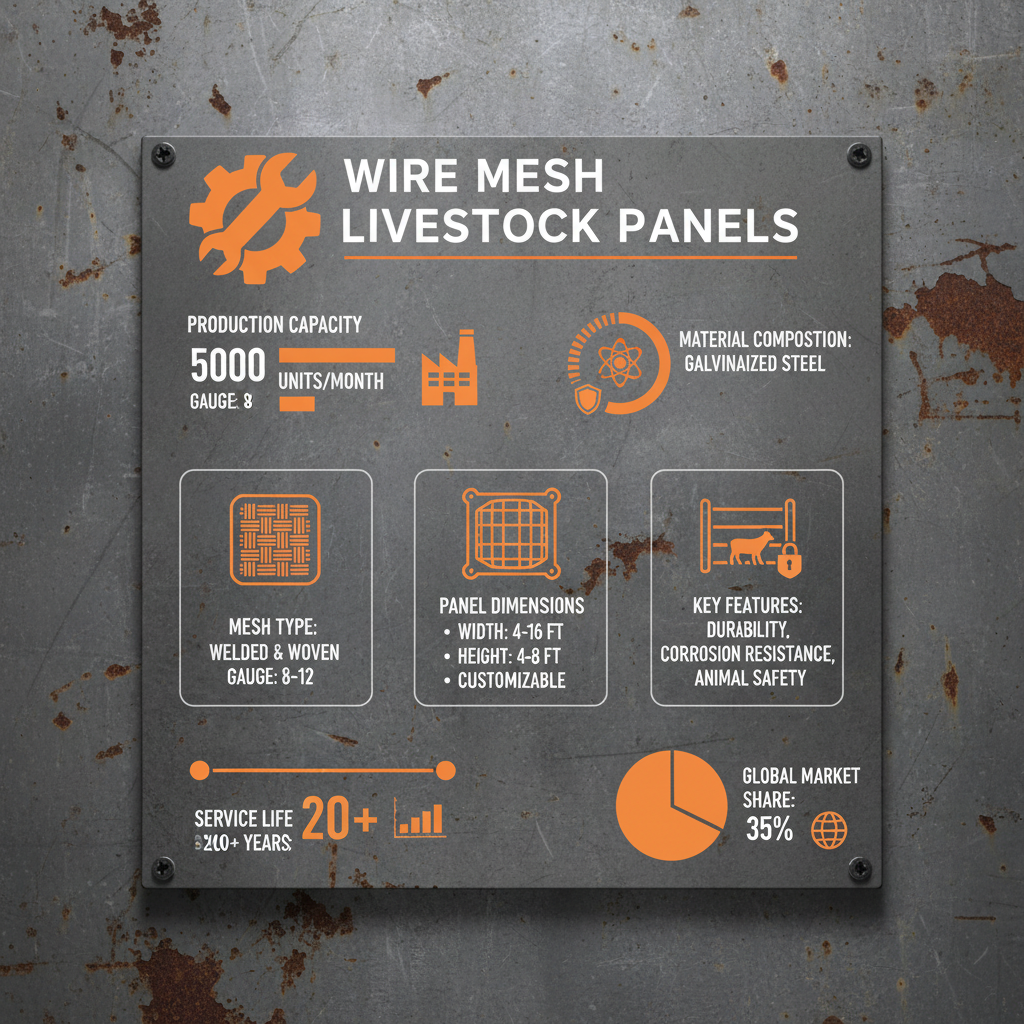
Product Specifications & Common Panel Sizes
Understanding the common specifications will help in making the right decision. Here are some typical specifications you might encounter:
Conclusion: A Smart Investment for Livestock Management
Investing in wire mesh livestock panels is a cost-effective and practical solution for farmers and ranchers. Their durability, versatility, and safety features make them a superior choice compared to traditional fencing options. By choosing the right panels for your specific needs, you can create a secure and efficient livestock management system that protects your animals and improves your operations.
Frequently Asked Questions (FAQs)
What is the best way to install wire mesh livestock panels?
Proper installation is key to maximizing the lifespan and effectiveness of your panels. Start by setting sturdy posts at regular intervals (typically 8-10 feet apart). Ensure the posts are deeply anchored in the ground for stability. Attach the panels to the posts using wire ties, clips, or brackets. For added stability, consider using a bottom rail or bracing. Ensure the panels are securely fastened and properly tensioned to prevent sagging or movement. Always consult the manufacturer's instructions for specific recommendations.
How do I prevent livestock from damaging the panels?
To minimize damage, choose panels with a suitable wire gauge and mesh size for your livestock. Regularly inspect the panels for any signs of wear or damage. Provide adequate space for animals to move freely, reducing the likelihood of them rubbing against the fence. Consider adding a top rail or electric wire to deter animals from attempting to climb or jump over the fence. Proper maintenance and regular inspections are crucial for preventing damage and extending the lifespan of your panels.
Are wire mesh panels suitable for all types of livestock?
While versatile, wire mesh panels are best suited for containing animals that are less likely to climb or push against the fence. They work well for cattle, sheep, goats, and pigs. For larger or more aggressive animals, such as horses or bulls, more robust fencing solutions may be necessary. Always consider the specific needs and behavior of your livestock when choosing a fencing option.
What is the difference between galvanized and powder-coated wire mesh?
Galvanized wire mesh is coated with a layer of zinc to protect against rust and corrosion. Powder coating adds an extra layer of protection and provides a more durable and aesthetically pleasing finish. Powder coating is generally more resistant to chipping and scratching than galvanization. While both options offer excellent corrosion resistance, powder coating provides a longer-lasting and more visually appealing solution.
-
Complete Guide to Choosing a Durable 4 foot wire fence rollNewsApr.16,2026
-
Guide to Choosing the Best Square Wire Fencing Roll for SecurityNewsApr.16,2026
-
High Quality Steel Welded Wire Rolled Fencing for Secure BoundariesNewsApr.16,2026
-
High Quality Black Fence Roll for Secure and Discreet PerimeterNewsApr.16,2026
-
Ultimate Guide to Temporary Fence Roll for Site Security and SafetyNewsApr.16,2026
-
High Quality Garden Mesh Roll Guide for Protecting Green SpaceNewsApr.09,2026