-

-
 Whatsapp:+86 17732187393
 -


Comprehensive Guide to Galvanised Welded Wire Fence Mesh Rolls and Applications
Galvanised Welded Wire Fence Mesh Rolls: A Comprehensive Guide
When selecting fencing solutions for agricultural, industrial, or residential needs, galvanised welded wire fence mesh rolls are a popular and effective choice. Renowned for their durability, versatility, and ease of installation, these rolls provide a robust barrier against various challenges. This article will provide an in-depth understanding of galvanised welded wire fence mesh rolls, covering their benefits, applications, specifications, and factors to consider when making a purchase. Ensuring you choose the right fencing for your needs is key, and this guide will equip you with the necessary information.
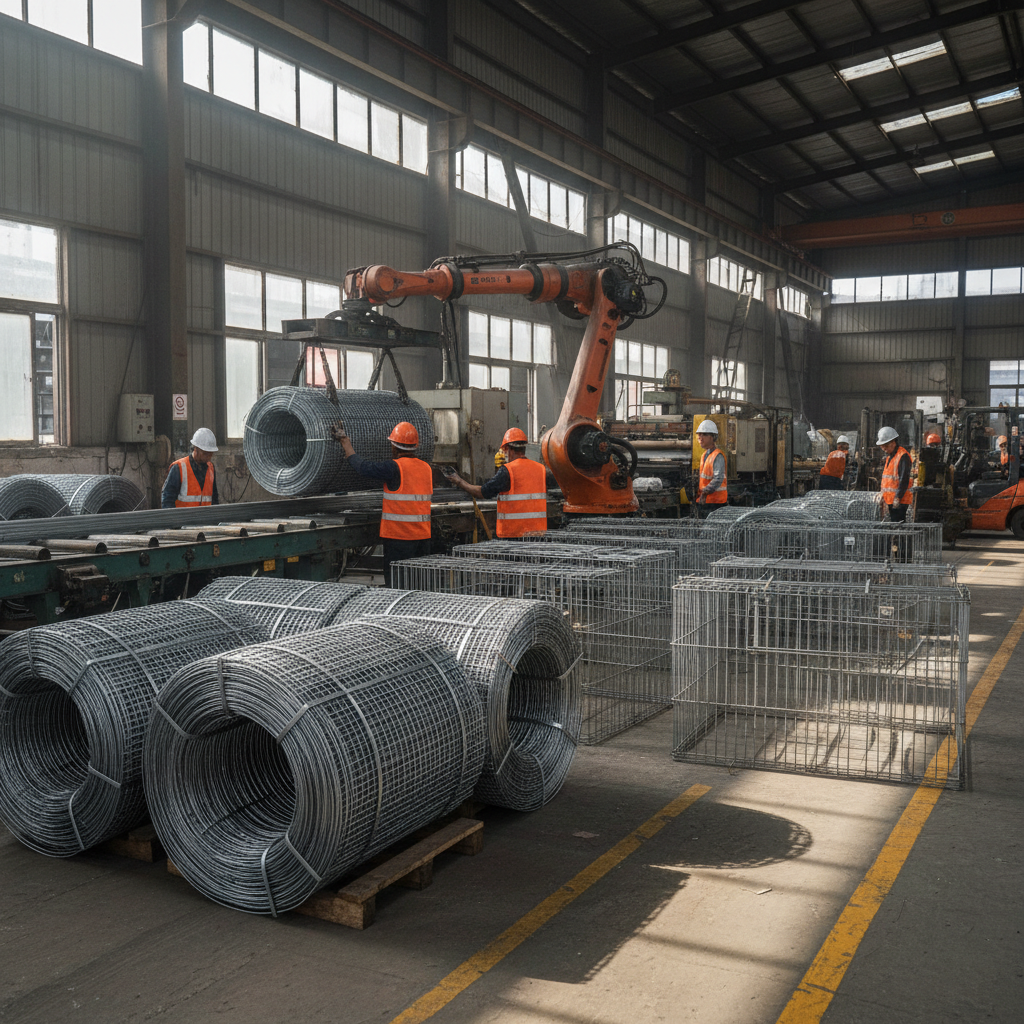
Understanding Galvanised Welded Wire Fence Mesh Rolls
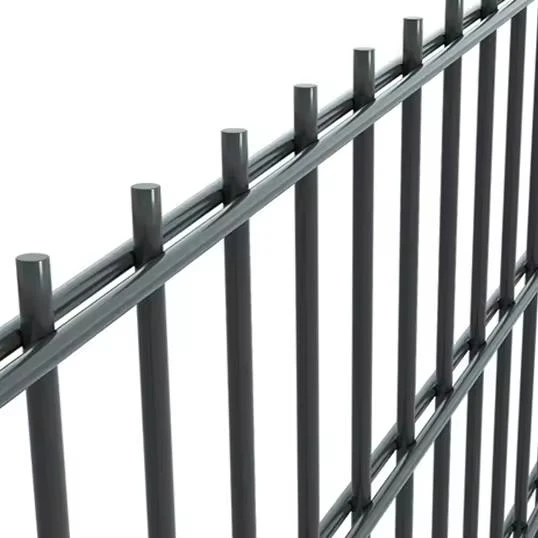
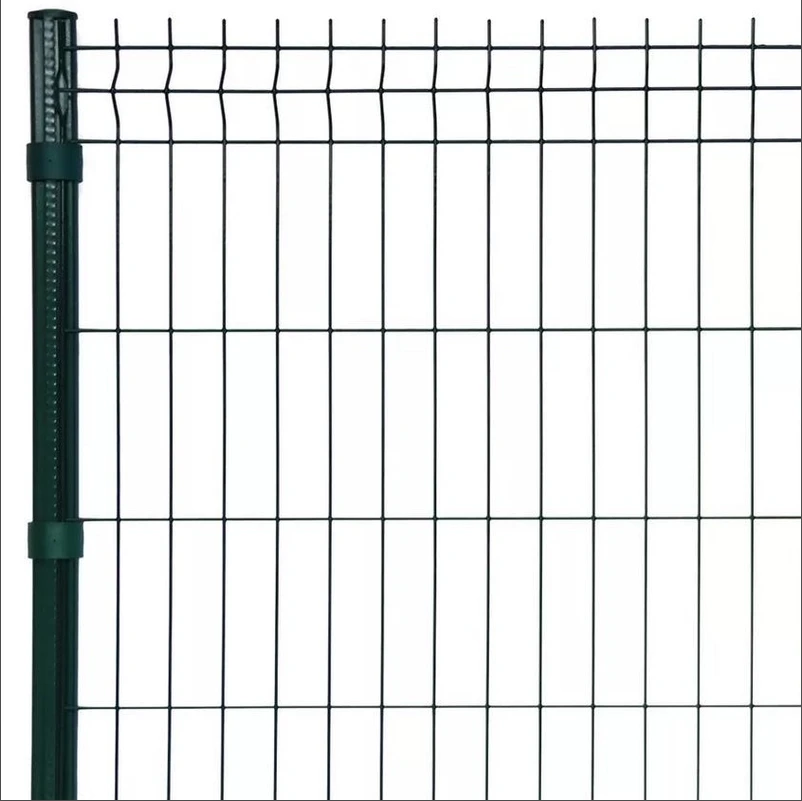
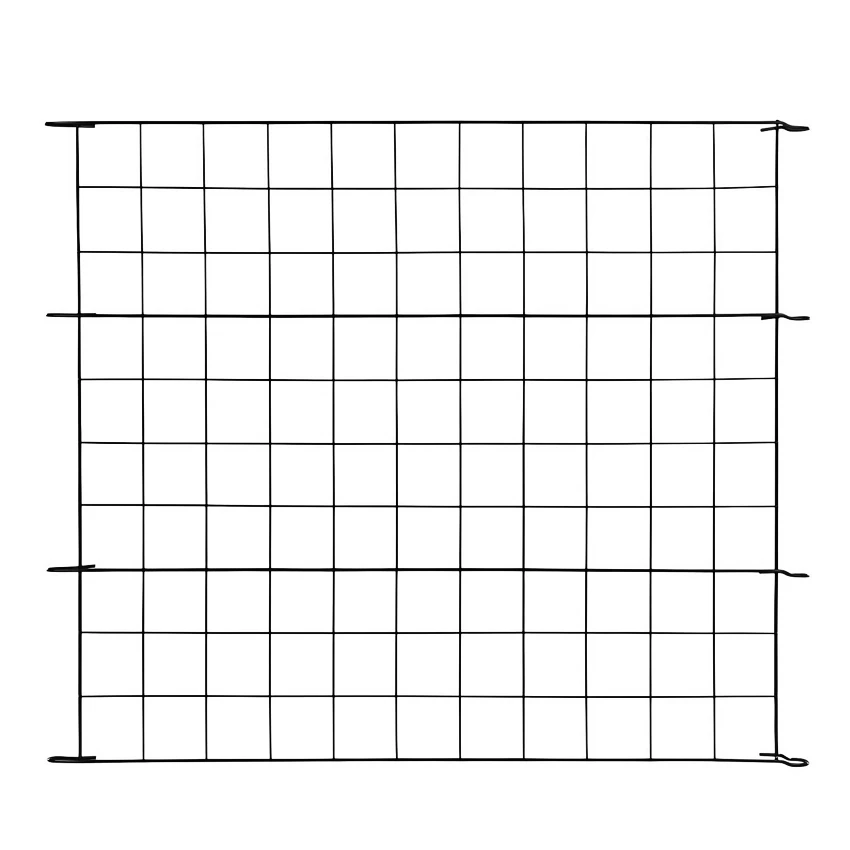
Galvanised welded wire mesh rolls are constructed by welding pre-formed wire at each intersection, creating a strong and rigid panel. The galvanisation process involves coating the wire with a layer of zinc, providing excellent corrosion resistance. This makes them exceptionally well-suited for outdoor applications where exposure to the elements is a concern. The welded structure provides a more uniform and stable mesh compared to woven wire, reducing the risk of sagging or deformation. These rolls are available in varying wire gauges, mesh sizes, and roll lengths to accommodate different fencing requirements. Peiling Tech offers a wide array of options to suit diverse needs.
Key Benefits: Corrosion resistance, strength, durability, easy installation, cost-effectiveness, and versatility.
Applications of Galvanised Welded Wire Mesh Rolls
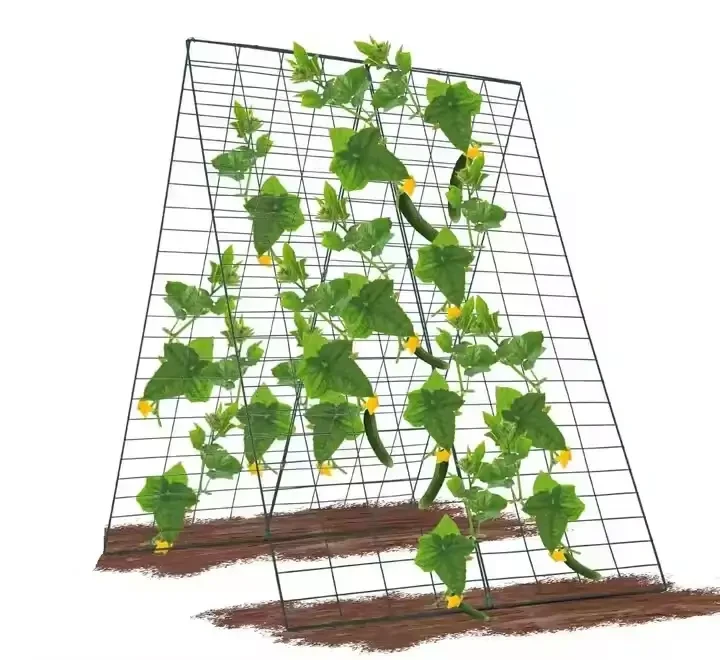
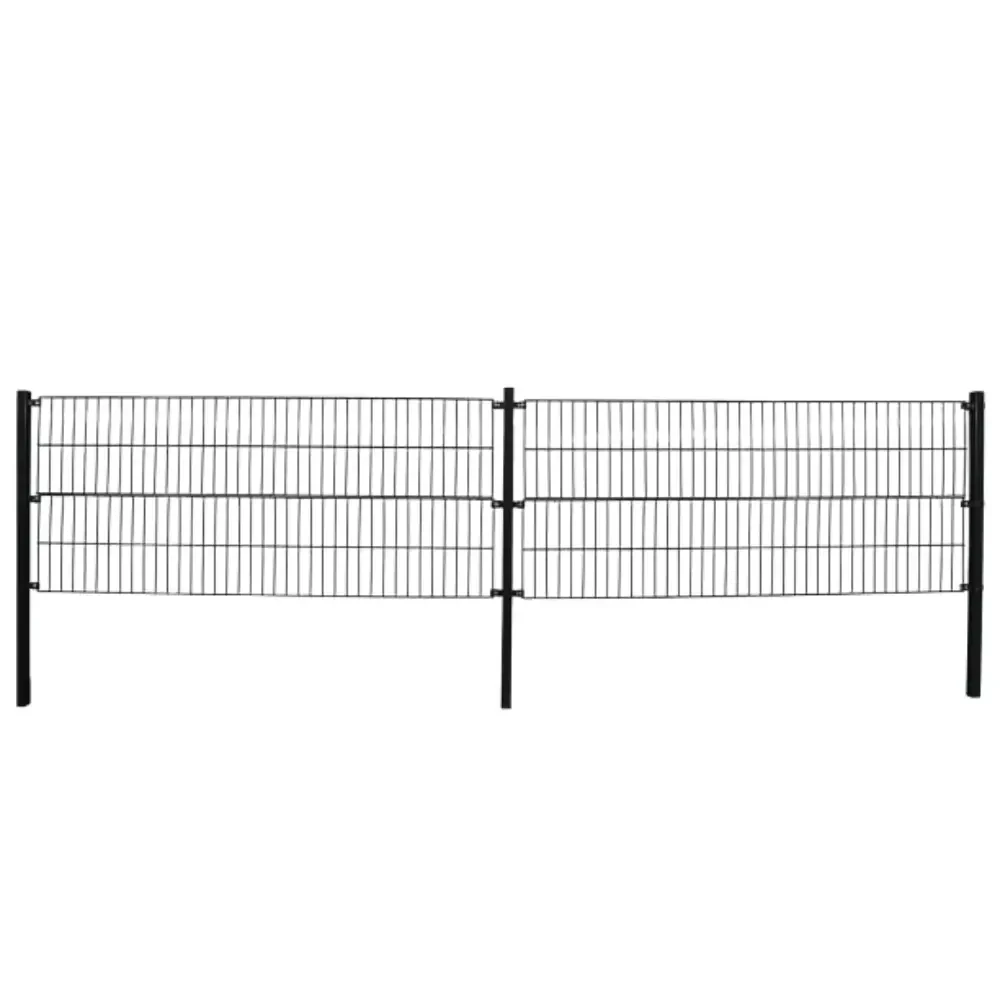
The versatility of galvanised welded wire fence mesh rolls makes them ideal for a multitude of applications. Common uses include agricultural fencing for livestock containment, perimeter security fencing for residential or commercial properties, garden fencing to protect plants from animals, industrial fencing for site boundaries, and even as a support structure for climbing plants. The mesh size can be selected based on the size of the animals or objects you need to contain or exclude. From small-scale domestic gardens to large-scale farming operations, these rolls offer a practical and long-lasting fencing solution.
Common Applications:
• Agricultural fencing (cattle, sheep, goats)
• Perimeter security
• Garden protection
• Industrial site fencing
Galvanised vs. Other Fence Materials: A Comparison
When considering fencing options, it's crucial to compare galvanised welded wire with alternative materials. Wood, while aesthetically pleasing, requires regular maintenance and is susceptible to rot and insect damage. Chain link fencing offers good security but can be less visually appealing. PVC-coated wire provides enhanced corrosion resistance but is often more expensive. Galvanised welded wire strikes a balance between cost-effectiveness, durability, and ease of installation, making it a popular choice for many applications.
Selecting the Right Galvanised Welded Wire Mesh Roll: Key Specifications
When choosing galvanised welded wire fence mesh rolls, several specifications need careful consideration. Wire gauge (thickness) determines the strength of the fence; heavier gauges provide greater durability. Mesh size (the spacing between wires) dictates what can pass through the fence. Roll height and length should match your fencing requirements. The galvanisation coating thickness also impacts corrosion resistance – a heavier coating offers longer protection.
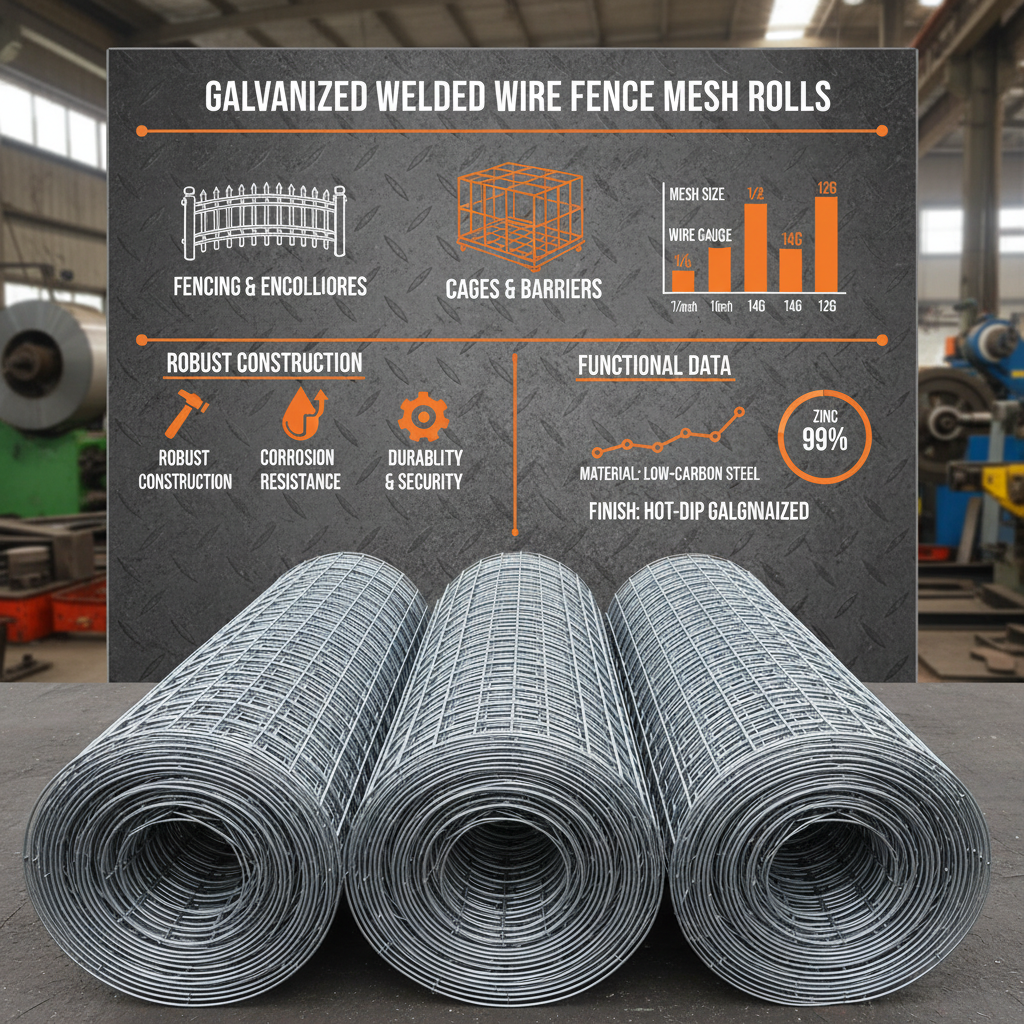
Conclusion: Investing in a Durable Fencing Solution
Investing in galvanised welded wire fence mesh rolls is a cost-effective and reliable solution for a wide range of fencing needs. Their durability, corrosion resistance, and ease of installation make them a superior choice compared to many alternatives. By carefully considering the specifications and selecting the right roll for your application, you can ensure a long-lasting and secure boundary.
Frequently Asked Questions (FAQs)
What is the typical lifespan of galvanised welded wire fencing?
The lifespan of galvanised welded wire fencing can vary depending on environmental factors such as exposure to salt spray, acidity levels in the soil, and overall climate conditions. However, with proper installation and maintenance, a galvanised welded wire fence can typically last for 20-30 years. The thickness of the galvanisation coating plays a crucial role – thicker coatings offer longer protection against corrosion. Regular inspections and addressing any damage promptly can further extend the fence’s lifespan.
How do I install galvanised welded wire fencing?
Installing galvanised welded wire fencing is relatively straightforward. Begin by setting posts at regular intervals, typically 8-10 feet apart, ensuring they are securely anchored in the ground. Unroll the wire mesh along the posts and securely fasten it using wire ties, staples, or clips. Tensioning the wire is important to prevent sagging. Use a tensioning tool or come-along to tighten the mesh. Consider using a ground board to keep the bottom of the fence off the ground, preventing vegetation from causing corrosion. For detailed instructions, refer to the manufacturer's guidelines or consult with a fencing professional.
Can galvanised welded wire fencing be used for animal containment?
Yes, galvanised welded wire fencing is commonly used for animal containment, particularly for livestock such as cattle, sheep, and goats. The key is to select the appropriate mesh size based on the size of the animals you are containing. Smaller mesh sizes are necessary to prevent smaller animals from escaping. The strength of the wire gauge is also crucial, ensuring it can withstand the pressure of the animals leaning against or attempting to break through the fence.
-
Complete Guide to Choosing a Durable 4 foot wire fence rollNewsApr.16,2026
-
Guide to Choosing the Best Square Wire Fencing Roll for SecurityNewsApr.16,2026
-
High Quality Steel Welded Wire Rolled Fencing for Secure BoundariesNewsApr.16,2026
-
High Quality Black Fence Roll for Secure and Discreet PerimeterNewsApr.16,2026
-
Ultimate Guide to Temporary Fence Roll for Site Security and SafetyNewsApr.16,2026
-
High Quality Garden Mesh Roll Guide for Protecting Green SpaceNewsApr.09,2026