-

-
 Whatsapp:+86 17732187393
 -


Comprehensive Guide to Steel Wire Fence Roll Selection and Installation
Steel Wire Fence Roll: A Comprehensive Guide
When securing property, agricultural land, or managing livestock, a reliable and durable fence is paramount. Steel wire fence roll offers an effective and cost-efficient solution. This article delves into the benefits, applications, types, and installation considerations of steel wire fencing, providing a comprehensive guide for anyone considering this fencing option. Understanding the nuances of steel wire fencing can ensure you choose the right product for your specific needs and achieve long-lasting security.
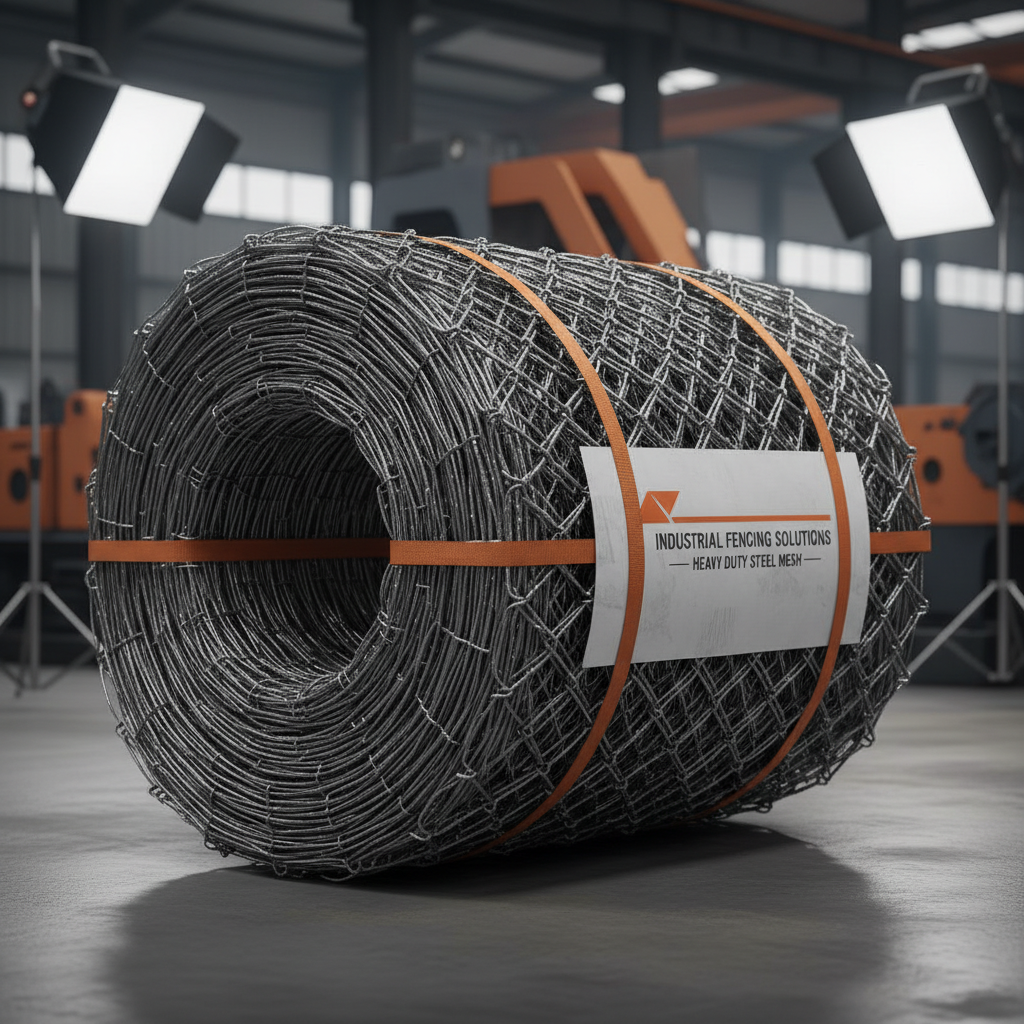
Understanding Steel Wire Fence Roll
A steel wire fence roll is a continuous length of woven or welded steel wire, typically supplied in rolls for ease of installation. It's a versatile fencing solution that's significantly stronger and more durable than many other fencing materials like wood or plastic. The wire is often galvanized or coated with other protective materials to resist corrosion and extend its lifespan. The mesh size and wire gauge can vary depending on the intended application, ranging from containing small livestock to providing a security perimeter. Selecting the appropriate roll is crucial for achieving the desired level of protection and functionality.
Key Benefits: Cost-effective, durable, long-lasting, versatile, strong, corrosion-resistant (with coatings).
Types of Steel Wire Fence Roll
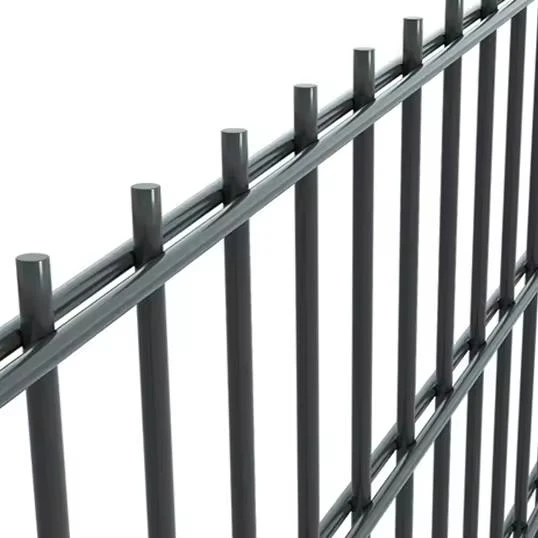
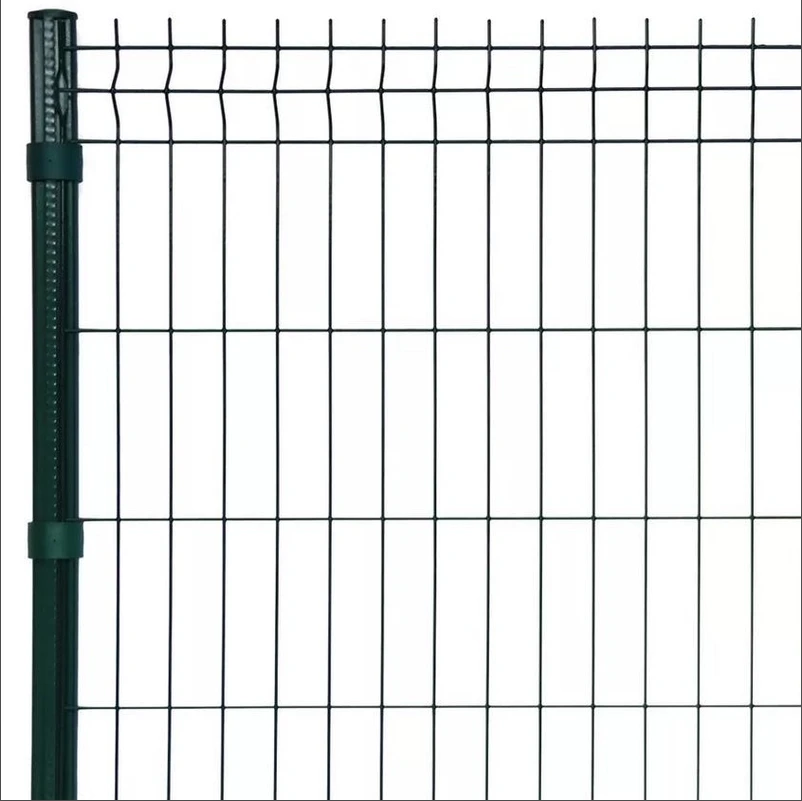
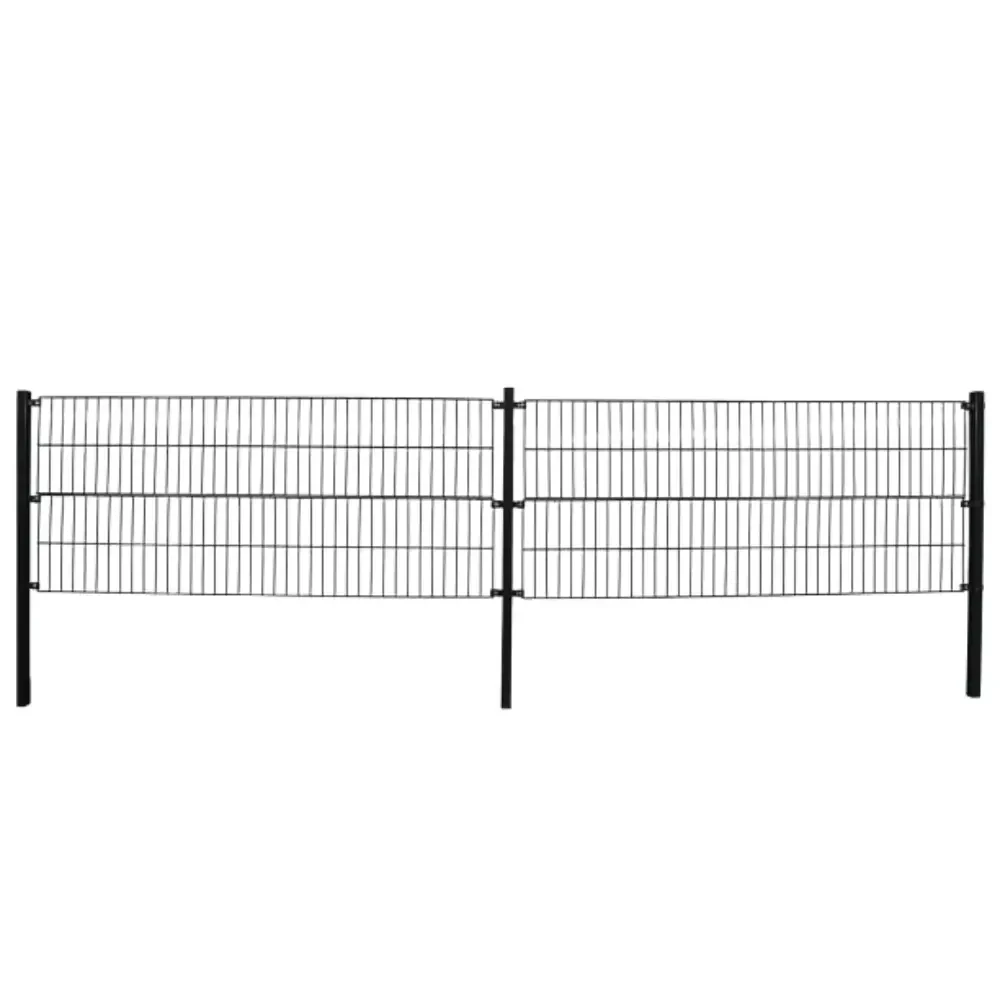
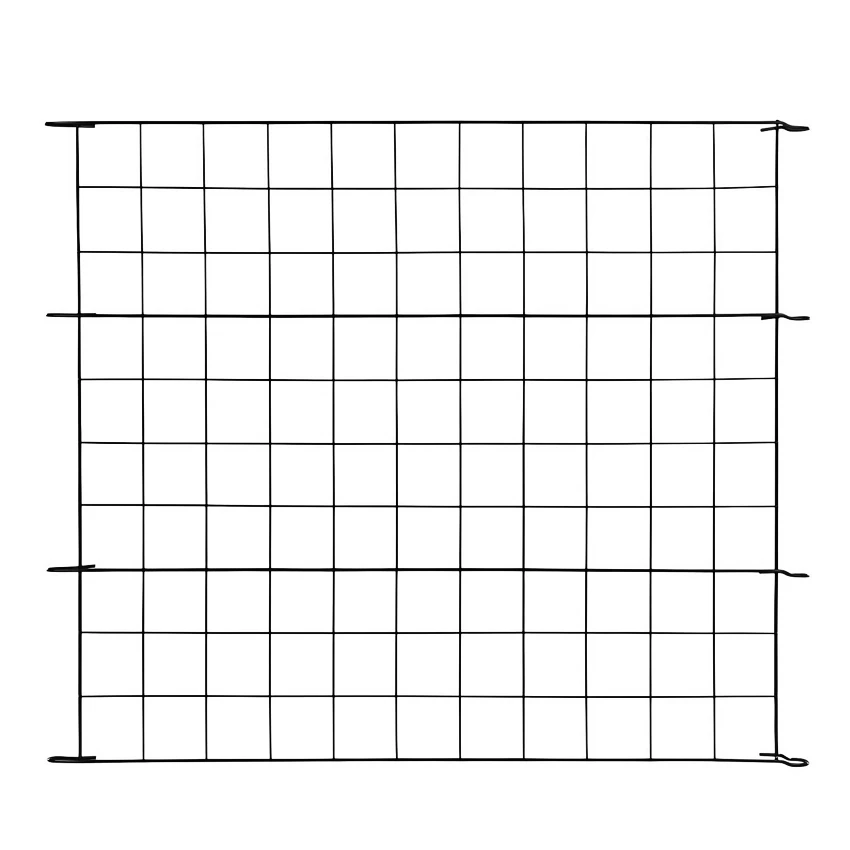
Steel wire fence rolls come in various types, each suited for different applications. The most common types include: Woven Wire Fence – Created by weaving vertical and horizontal wires, offering excellent strength and flexibility. Welded Wire Fence – Constructed by welding wires together, providing a rigid and strong barrier. Barbed Wire Fence – Features sharp barbs along the wire to deter trespassers and livestock. Field Fence (Hog Wire) – Designed for agricultural use, featuring smaller mesh openings to contain various animals. Choosing the right type depends on the level of security, the type of animals being contained, and the overall aesthetic requirements.
Type Comparison:
• Woven Wire: High strength, flexible, good for general use.
• Welded Wire: Rigid, strong, suitable for animal containment.
• Barbed Wire: Excellent security, deterrent for intruders.
• Field Fence: Specifically designed for livestock.
Applications of Steel Wire Fence Roll
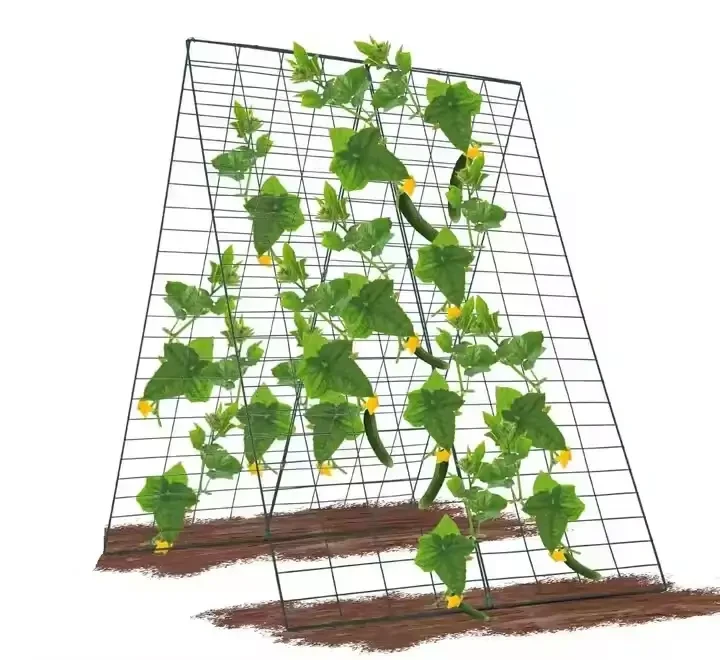
The versatility of steel wire fencing allows for a broad range of applications. Common uses include: Agricultural Fencing: Containing livestock such as cattle, sheep, goats, and horses. Perimeter Security: Protecting properties from trespassers and vandalism. Garden Protection: Keeping animals out of gardens and protecting crops. Temporary Fencing: Creating temporary enclosures for events or construction sites. Animal Control: Managing wildlife populations and preventing access to certain areas. Peilingtech provides steel wire solutions for a vast range of these applications.
Installation Considerations for Steel Wire Fence Roll
Proper installation is critical for the longevity and effectiveness of your steel wire fence. Key considerations include: Post Spacing: Typically 8-12 feet apart, depending on the terrain and fence type. Post Depth: At least 1/3 of the post length should be buried in the ground. Tensioning: Ensure the wire is properly tensioned to prevent sagging and maintain its integrity. Corner Posts: Corner posts require extra bracing to withstand the tension of the fence. Ground Conditions: Adjust post depth and bracing based on soil type. A professional installation will ensure the fence is stable, secure, and capable of withstanding the elements.
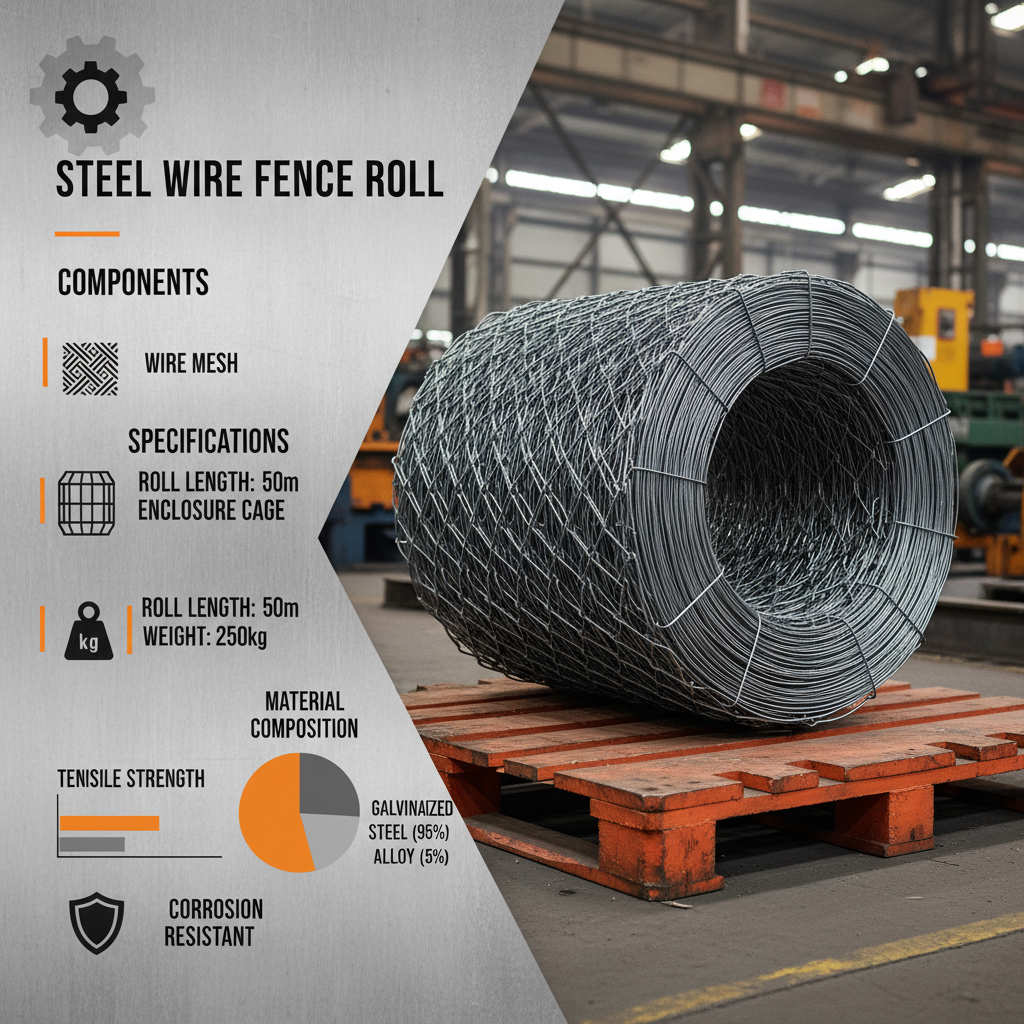
Choosing the Right Steel Wire Fence Roll: A Summary
Selecting the right steel wire fence roll involves considering your specific needs and the environment. Factors to evaluate include the type of animals being contained, the level of security required, the terrain, and the local climate. Peilingtech offers a comprehensive selection of high-quality steel wire fencing solutions to meet any requirement. Investing in a durable and well-installed fence will provide years of reliable protection and peace of mind.
Conclusion
Steel wire fence rolls are a cost-effective, durable, and versatile fencing solution suitable for a wide range of applications. By understanding the different types, installation considerations, and available options, you can choose the right fence for your needs and ensure a long-lasting and secure boundary. Contact Peilingtech today for expert advice and a quality steel wire fencing solution.
Frequently Asked Questions (FAQs)
What is the lifespan of a steel wire fence roll?
The lifespan of a steel wire fence roll varies based on factors like the quality of the steel, the coating applied, the environment it’s exposed to, and proper installation. Typically, a galvanized steel wire fence can last 20-30 years, while a vinyl-coated fence can potentially last even longer, up to 40 years or more. Regular inspections and maintenance, such as repairing any damaged sections, can significantly extend the fence's life. Exposure to saltwater, industrial pollutants, or harsh weather can accelerate corrosion and shorten the lifespan.
How do I prevent corrosion in my steel wire fence?
Corrosion is a major concern for steel wire fences. Choosing a fence with a protective coating is the first step. Galvanization is a common and effective method, but vinyl coating offers even greater protection. Regularly inspect the fence for any signs of rust or damage to the coating. Promptly repair any damaged areas to prevent further corrosion. Avoid contact with corrosive substances, such as fertilizers or certain chemicals. Finally, ensure proper drainage around the fence line to minimize exposure to moisture.
What is the best wire gauge for containing livestock?
The best wire gauge for containing livestock depends on the type and size of the animals. For larger livestock like cattle and horses, a heavier gauge wire, such as 12.5 or 14 gauge, is recommended. For smaller animals like sheep and goats, a lighter gauge wire, such as 16 or 17 gauge, may be sufficient. Consider the animal's strength and tendency to test the fence. A heavier gauge wire will be more difficult for animals to break through. Also, consider the length of the fence run; longer runs may require heavier gauge wire to prevent sagging.
-
Complete Guide to Choosing a Durable 4 foot wire fence rollNewsApr.16,2026
-
Guide to Choosing the Best Square Wire Fencing Roll for SecurityNewsApr.16,2026
-
High Quality Steel Welded Wire Rolled Fencing for Secure BoundariesNewsApr.16,2026
-
High Quality Black Fence Roll for Secure and Discreet PerimeterNewsApr.16,2026
-
Ultimate Guide to Temporary Fence Roll for Site Security and SafetyNewsApr.16,2026
-
High Quality Garden Mesh Roll Guide for Protecting Green SpaceNewsApr.09,2026