-

-
 Whatsapp:+86 17732187393
 -


Comprehensive Guide to Steel Wire Mesh Roll Types Uses and Purchasing Considerations
Understanding Steel Wire Mesh Roll: A Comprehensive Guide
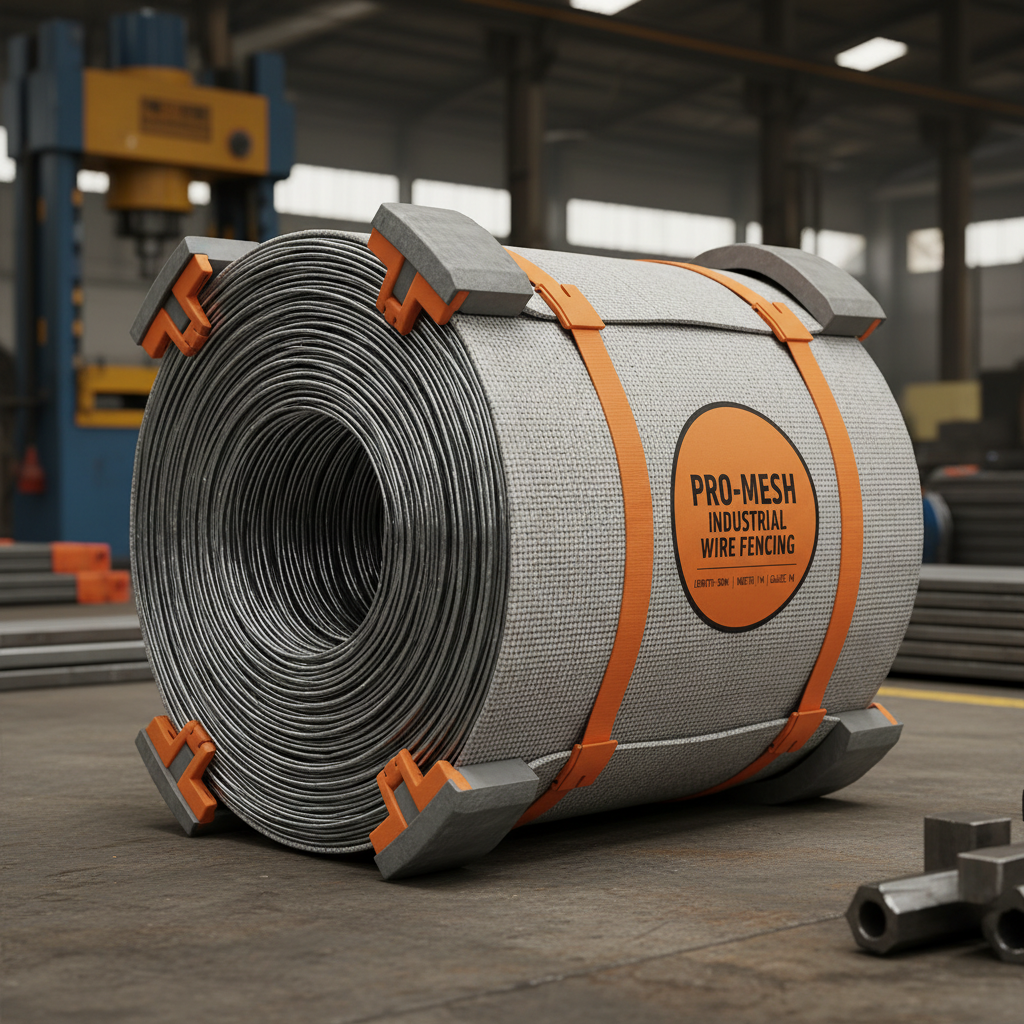
Steel wire mesh roll is a versatile material used across numerous industries, from construction and agriculture to security and manufacturing. Its robust nature and diverse applications make it a critical component in various projects. This article provides a detailed overview of steel wire mesh roll, covering its types, uses, benefits, and considerations when making a purchase. Choosing the right type of steel wire mesh roll can significantly impact the success and durability of your projects. We'll explore how to select the most appropriate mesh for your specific needs.
Types of Steel Wire Mesh Roll
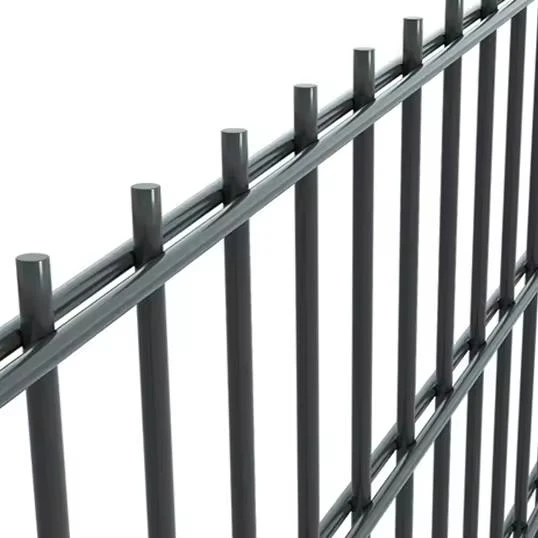
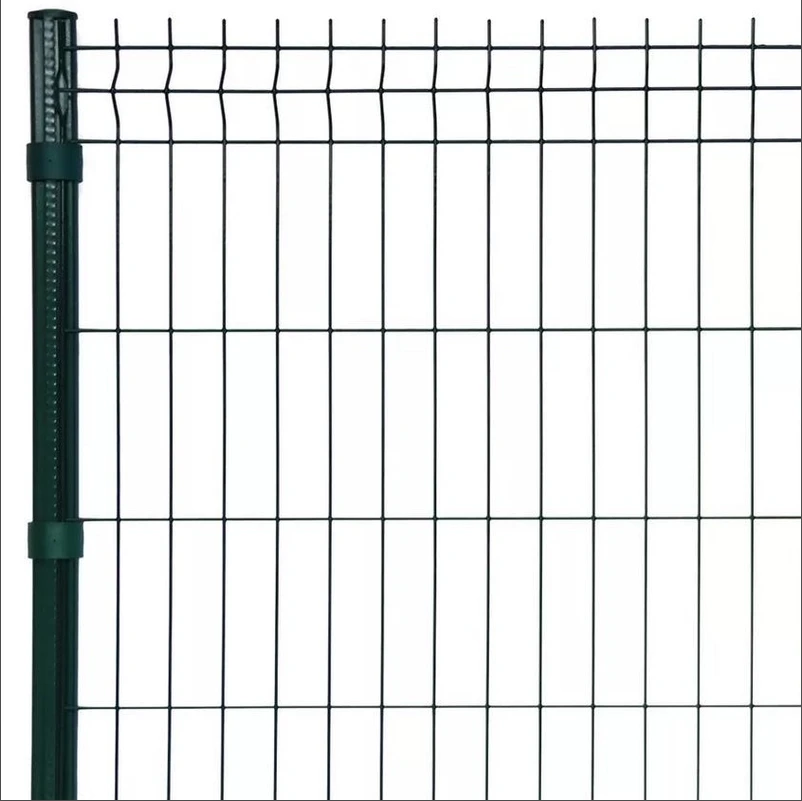
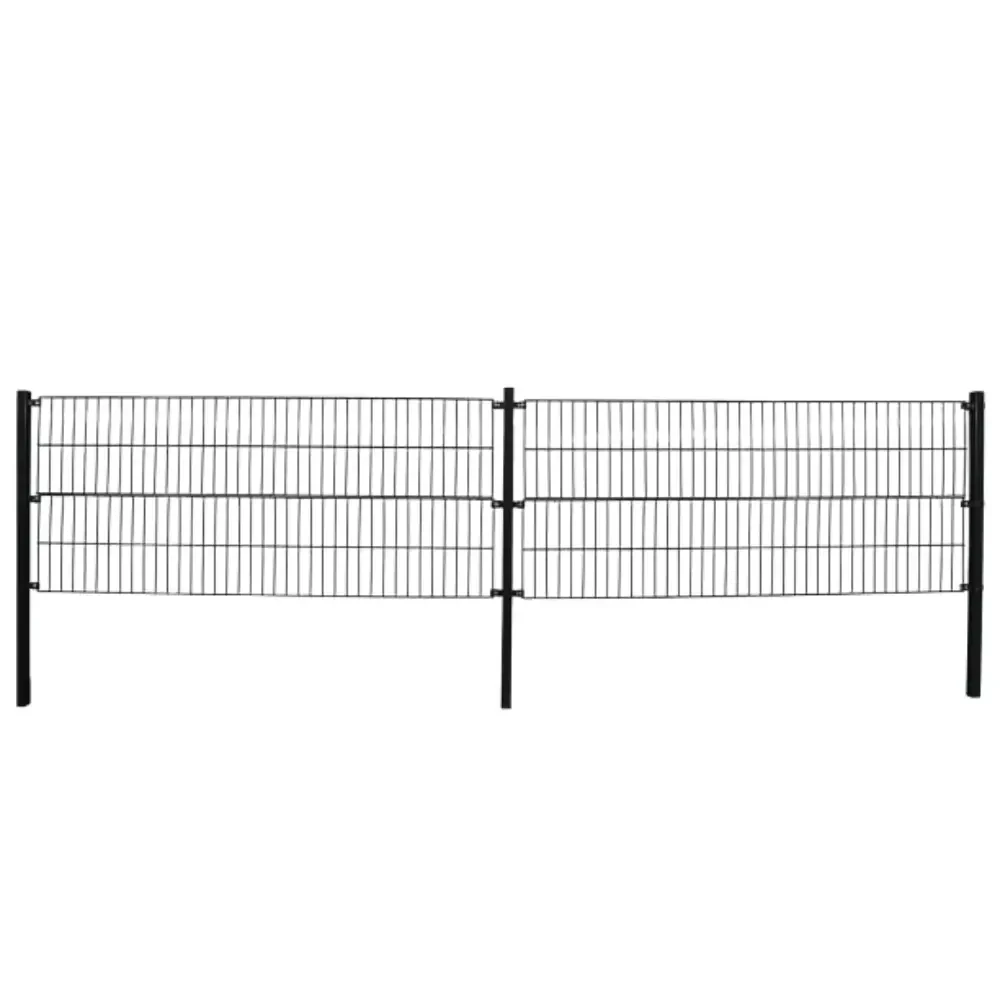
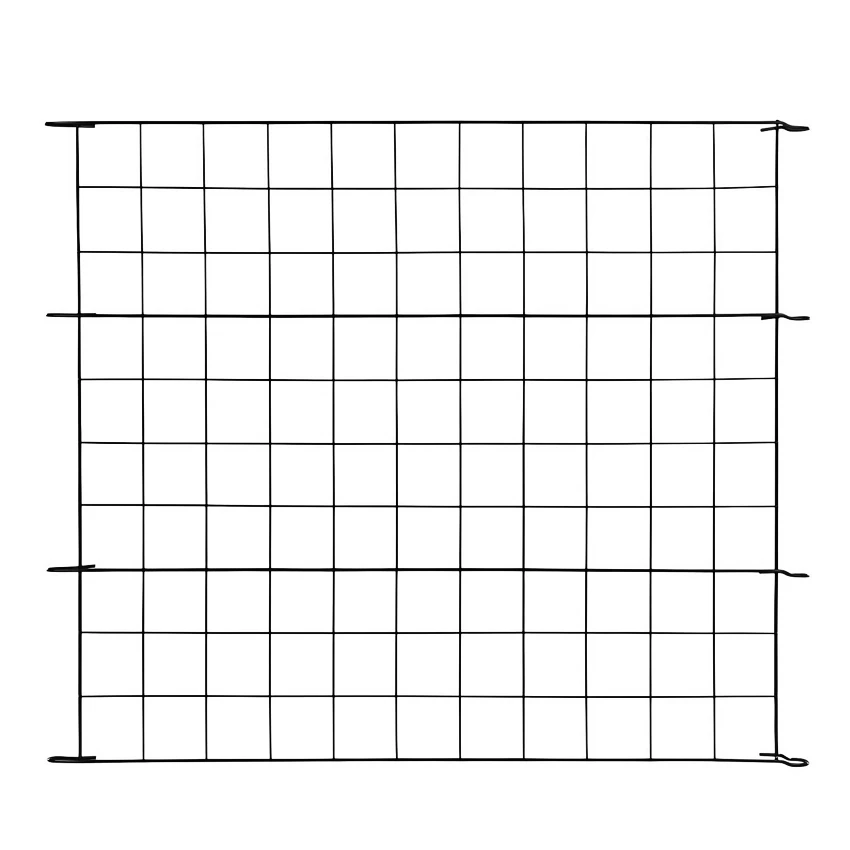
Steel wire mesh roll comes in a variety of types, each designed for specific applications. Common types include welded wire mesh, hexagonal wire mesh, crimped wire mesh, and stainless steel wire mesh. Welded wire mesh is known for its strength and rigidity, making it ideal for fencing and animal enclosures. Hexagonal wire mesh, often galvanized, is frequently used in poultry farming and erosion control. Crimped wire mesh provides added strength and is suitable for filtration and screening. Stainless steel wire mesh is corrosion-resistant and is used in food processing and marine environments. Understanding these differences is crucial for selecting the most effective material for your project. The selection process should take into account the intended use, environmental conditions and budget constraints.
Key Takeaway: The diverse types of steel wire mesh rolls available mean there’s a solution for almost any application, provided you understand the strengths and weaknesses of each.
Applications of Steel Wire Mesh Roll
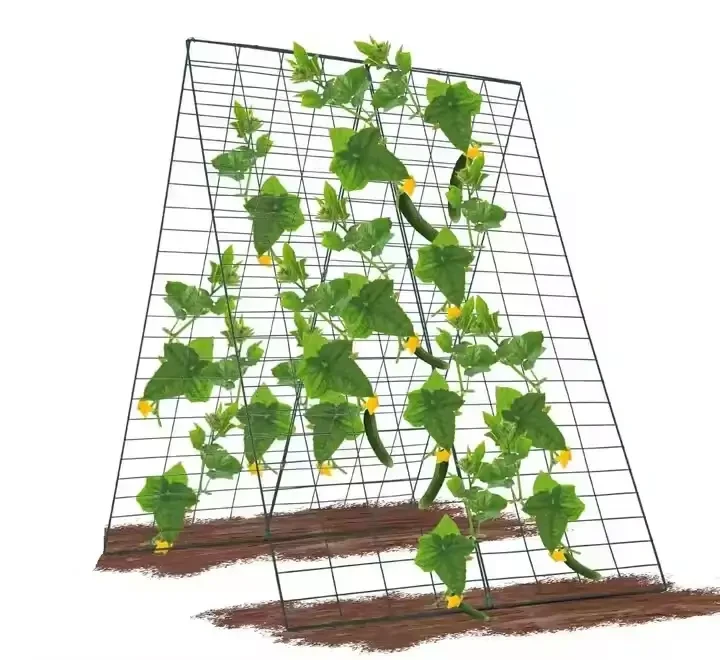
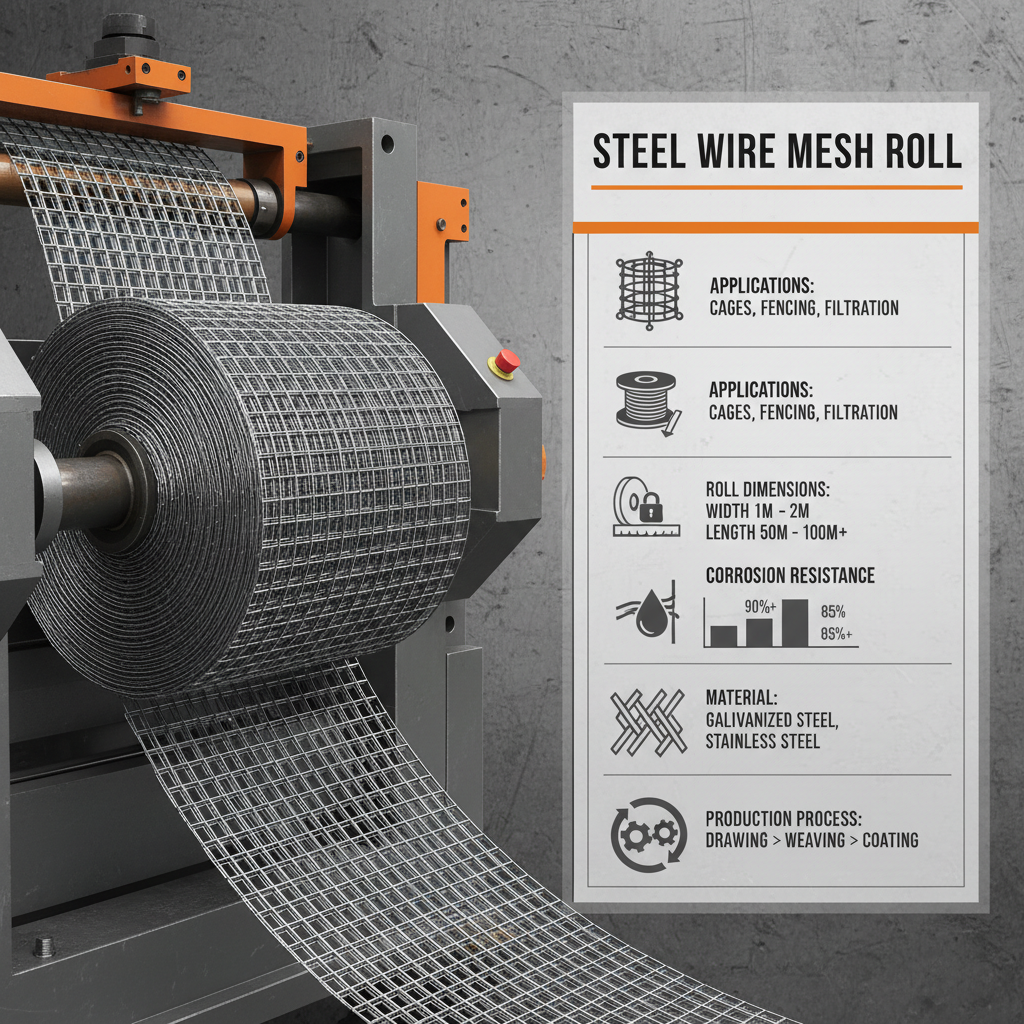
The applications of steel wire mesh roll are incredibly broad. In construction, it's used for reinforcement in concrete, screeds and renders, plastering and as a general support to prevent cracking. In agriculture, it creates animal enclosures, poultry netting, and crop support structures. Security applications include fencing, cages, and protective barriers. Manufacturing utilizes wire mesh for filtration, screening, and component support. Its versatility makes it a staple material in countless industries. For example, the automotive industry employs wire mesh in filters and components, while the food processing sector relies on it for hygienic screening and separation. Peiling Tech offers a range of wire mesh suitable for diverse industry needs.
Common Application Areas:
• Construction Reinforcement
• Agricultural Enclosures
• Security Fencing
• Industrial Filtration
Steel Wire Mesh Roll: Comparing Materials
Different materials affect the characteristics and cost of steel wire mesh. Carbon steel is the most common and cost-effective option, but susceptible to rust. Galvanized steel offers improved corrosion resistance due to a zinc coating. Stainless steel provides the highest level of corrosion resistance, making it ideal for harsh environments, but comes at a premium price. Choosing the right material depends on the application's environment and budget. When dealing with acidic or marine conditions, stainless steel is the only practical choice, despite the higher cost. Understanding these tradeoffs is key to maximizing value and longevity.
Key Factors to Consider When Purchasing Steel Wire Mesh Roll
Several factors influence your purchasing decision. Wire gauge (thickness) determines the mesh's strength. Aperture size (opening size) impacts its functionality for filtering or containment. Mesh roll length dictates the amount of material you receive. Finally, surface treatment, such as galvanization or PVC coating, impacts corrosion resistance and lifespan. It’s essential to accurately assess your needs and specifications before making a purchase. Consider long-term costs, including maintenance and replacement, when evaluating different options.
Choosing the Right Supplier: Peiling Tech
Selecting a reliable supplier is critical for ensuring quality and consistency. Peiling Tech is a leading provider of steel wire mesh roll, offering a wide range of products to meet diverse industry needs. We pride ourselves on high-quality materials, competitive pricing, and excellent customer service. We understand the nuances of wire mesh and can provide expert guidance to help you select the optimal solution for your project. Our commitment to quality control ensures that every roll meets rigorous standards.
Conclusion: Investing in Quality Steel Wire Mesh
Choosing the right steel wire mesh roll is a crucial decision that impacts the durability, safety, and cost-effectiveness of your projects. By understanding the different types, materials, and factors to consider, you can make an informed purchase. Peiling Tech is dedicated to providing high-quality steel wire mesh and expert support to help you succeed. Don't compromise on quality – choose a trusted partner like us.
Frequently Asked Questions (FAQs)
What is the standard width of a steel wire mesh roll?
The standard width of a steel wire mesh roll varies depending on the manufacturer and the application. However, common widths range from 36 inches to 72 inches (914mm to 1829mm). It's important to check the product specifications to confirm the exact width before making a purchase. We at Peiling Tech offer a variety of widths to accommodate different project needs. Custom widths are available depending on order volume.
How do I calculate the amount of wire mesh roll I need?
To calculate the amount of wire mesh roll needed, measure the area you need to cover and add a percentage for overlap and waste (typically 5-10%). For example, if you need to cover an area of 100 square feet, you should order at least 105-110 square feet of wire mesh. Consider the roll width to determine how many rolls you’ll require. Peiling Tech can provide assistance with calculating material requirements based on your project details.
What is the difference between galvanized and PVC coated wire mesh?
Galvanized wire mesh is coated with zinc to protect against rust and corrosion. PVC coated wire mesh has a layer of polyvinyl chloride (PVC) plastic applied over the galvanized wire for enhanced corrosion resistance and color options. PVC coating provides superior protection in harsh environments and offers a more aesthetically pleasing finish. While galvanized is good for many applications, PVC coating is recommended for long-term exposure to salt water or corrosive chemicals.
Can steel wire mesh be cut to size?
Yes, steel wire mesh can be cut to size using wire cutters, bolt cutters, or a metal saw. Wear appropriate safety gear, including gloves and eye protection, when cutting wire mesh. Cutting creates sharp edges, so be careful to avoid injury. For large quantities or precise cuts, professional cutting services are available.
-
Complete Guide to Choosing a Durable 4 foot wire fence rollNewsApr.16,2026
-
Guide to Choosing the Best Square Wire Fencing Roll for SecurityNewsApr.16,2026
-
High Quality Steel Welded Wire Rolled Fencing for Secure BoundariesNewsApr.16,2026
-
High Quality Black Fence Roll for Secure and Discreet PerimeterNewsApr.16,2026
-
Ultimate Guide to Temporary Fence Roll for Site Security and SafetyNewsApr.16,2026
-
High Quality Garden Mesh Roll Guide for Protecting Green SpaceNewsApr.09,2026