-

-
 Whatsapp:+86 17732187393
 -


Comprehensive Guide to Welded Wire Fencing Rolls for Various Applications
Welded Wire Fencing Rolls: A Comprehensive Guide
Welded wire fencing rolls are a versatile and cost-effective solution for a wide range of applications, from agricultural enclosures to industrial security. Choosing the right fencing roll is crucial for ensuring durability, longevity, and the level of security your project requires. This article will explore the benefits, applications, types, and key considerations when selecting welded wire fencing rolls. We'll delve into what makes these rolls a popular choice for both residential and commercial needs.
Understanding Welded Wire Fencing Rolls
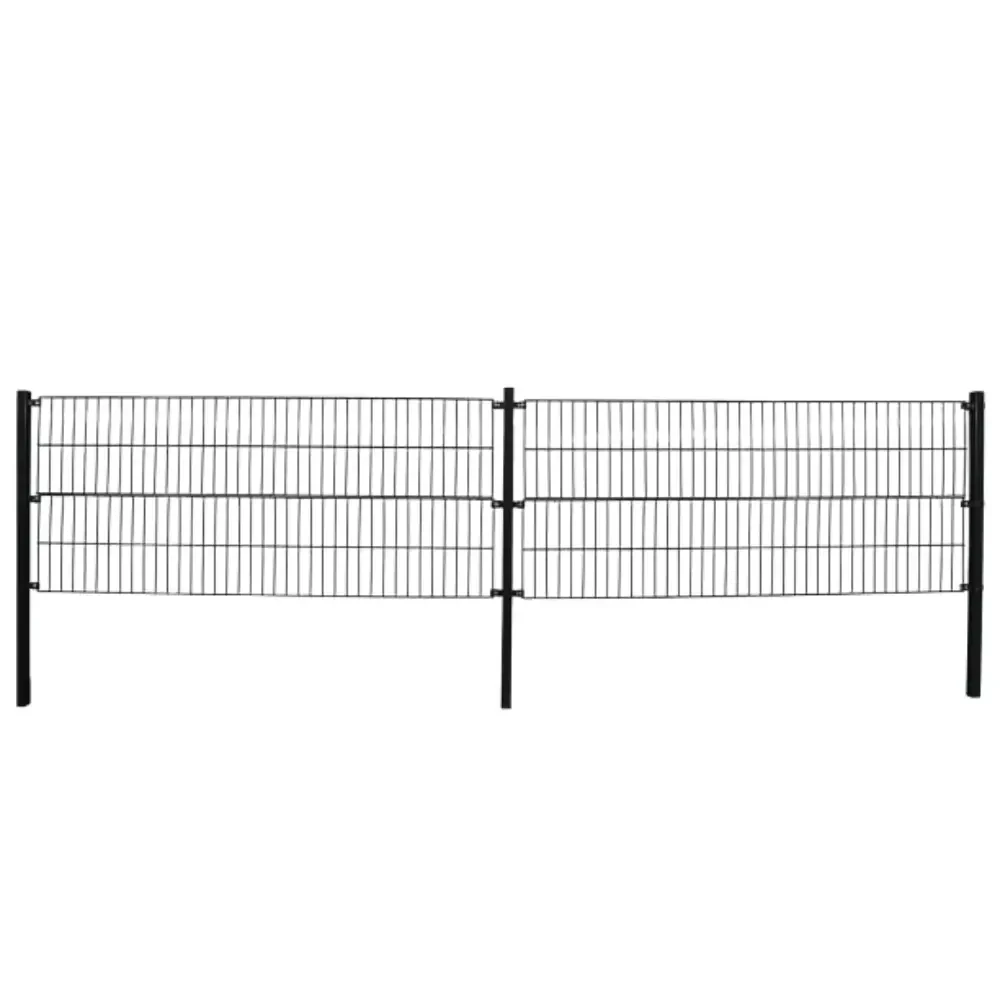
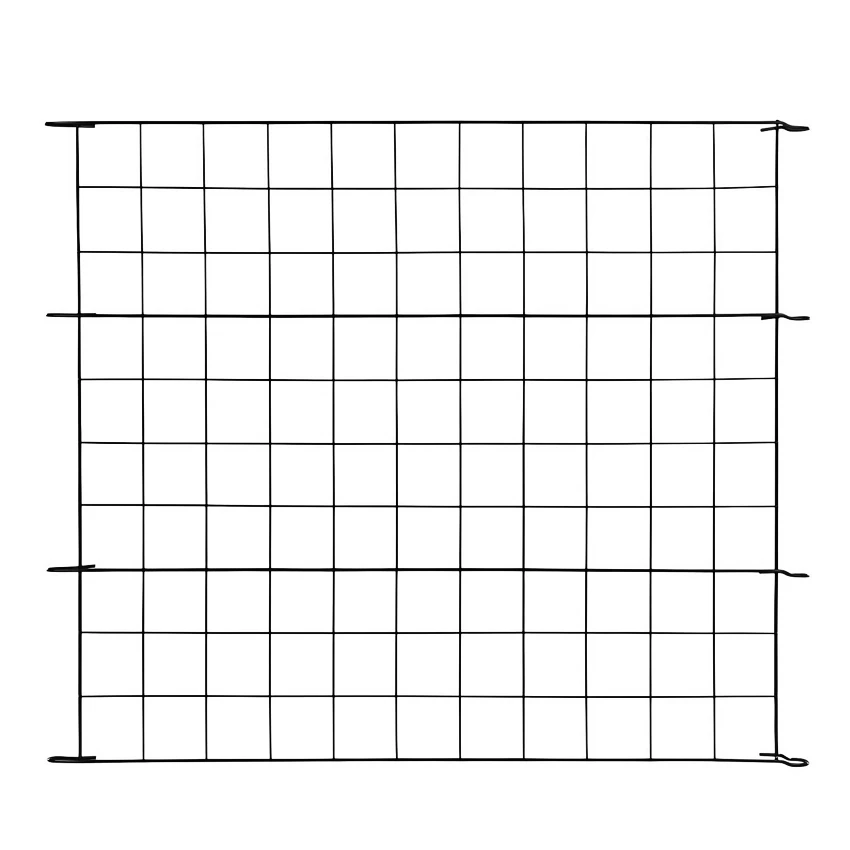
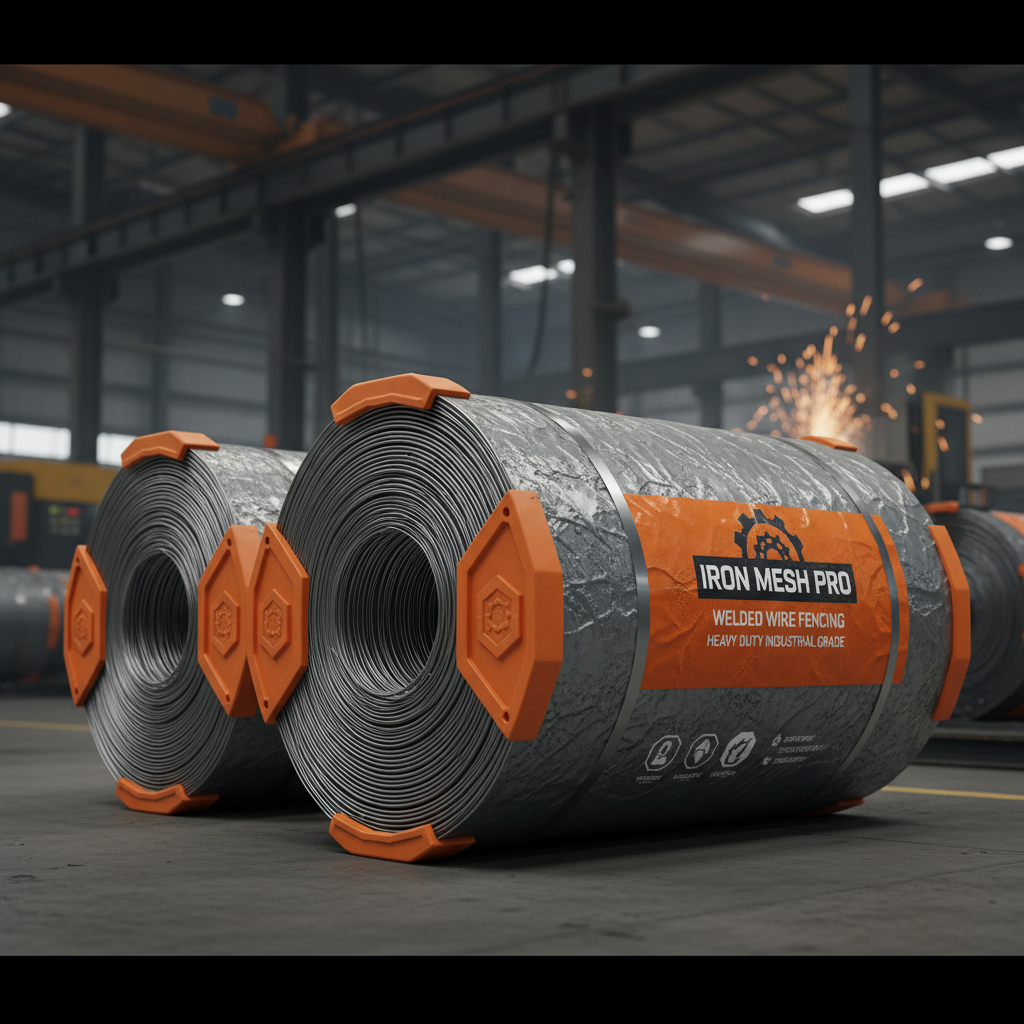
Welded wire fencing rolls are constructed by welding pre-formed wire at each intersection, creating a rigid and durable mesh. This method of construction differs from woven wire fencing, offering superior strength and stability. The rolls are available in various wire gauges, mesh sizes (apertures), heights, and lengths, making them adaptable to numerous applications. Compared to traditional fencing methods, welded wire provides a consistently uniform and strong barrier, eliminating sagging and stretching over time. This consistency makes it a preferred choice for professional installers and DIY enthusiasts alike.
Key Benefits: Durable, cost-effective, versatile, easy to install, consistently uniform.
Common Applications of Welded Wire Fencing
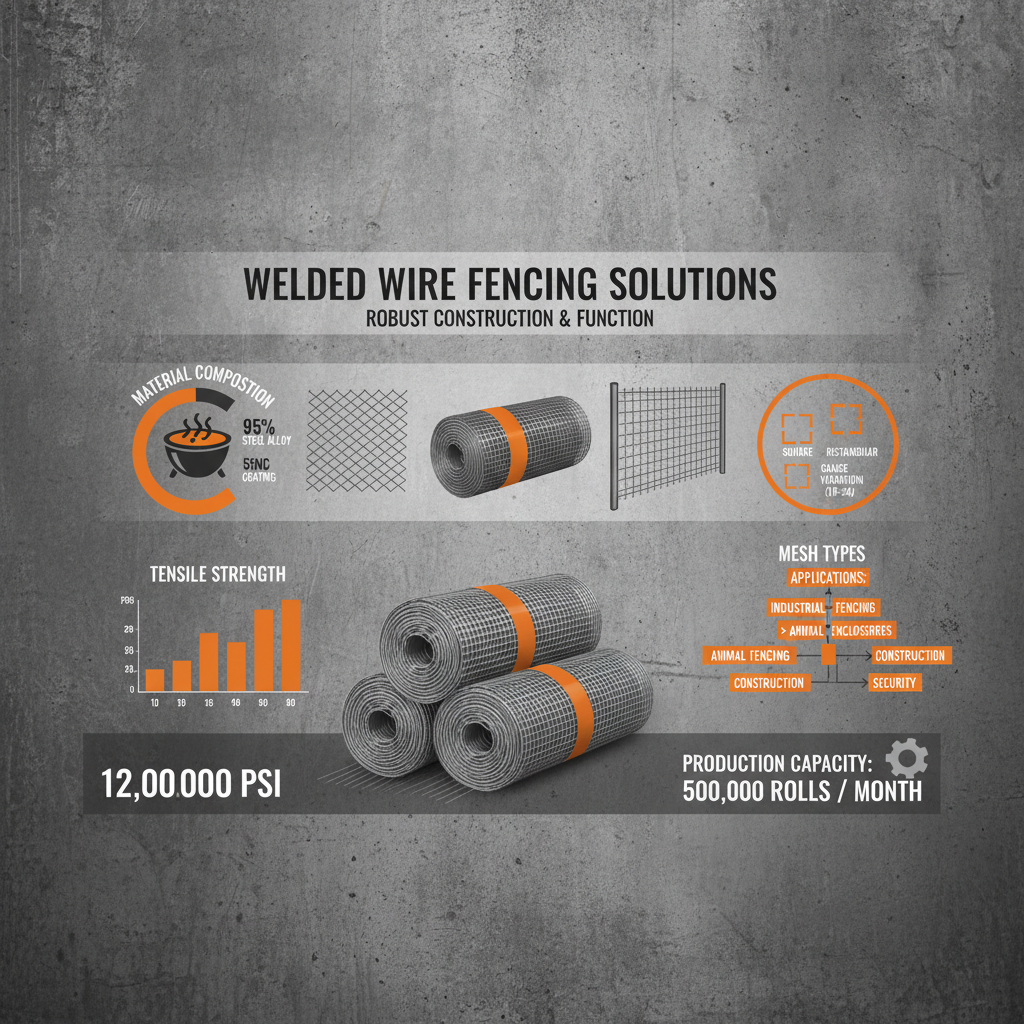
The adaptability of welded wire fencing rolls lends itself to a broad spectrum of uses. In agriculture, they’re commonly used for livestock containment, poultry netting, and protecting crops from animal intrusion. Residential applications include creating pet enclosures, garden barriers, and security fencing. Industrially, these rolls are employed for security perimeters, machine guarding, and crowd control barriers. Their use extends to construction sites for temporary fencing and erosion control. The strength and rigidity of the welded wire make it an excellent choice when a secure and long-lasting barrier is needed.
Application Areas:
• Agriculture: Livestock, poultry, crop protection
• Residential: Pet enclosures, garden barriers, security
• Industrial: Security, machine guarding, crowd control
• Construction: Temporary fencing, erosion control
Choosing the Right Welded Wire Fencing Roll: Key Considerations
Selecting the appropriate welded wire fencing roll requires careful consideration of several factors. Wire gauge (thickness) dictates the strength and durability of the fencing; heavier gauges are better suited for containing larger animals or providing higher security. Mesh size (aperture) determines the size of the openings in the fence and impacts its suitability for different animals or security levels. Roll height and length should be chosen based on the specific project requirements. Consider also the type of coating applied to the wire, as this affects its resistance to corrosion and weathering. Galvanized coatings are standard, but options like powder coating provide enhanced protection. Selecting the correct specifications ensures the fencing will meet your needs for years to come.
Types of Welded Wire Fencing Rolls
Several types of welded wire fencing rolls are available, each suited for specific applications. Galvanized welded wire is the most common and affordable option, providing good corrosion resistance. PVC-coated welded wire offers enhanced durability and a wider range of color choices, ideal for aesthetic applications. Powder-coated welded wire provides superior corrosion resistance and a smooth, even finish. The choice depends on your budget, environmental conditions, and desired appearance. For environments with high salinity or harsh weather, powder-coated or PVC-coated options are highly recommended to maximize longevity. Peiling Tech offers a comprehensive range of these options.
Installation Tips for Welded Wire Fencing Rolls
Installing welded wire fencing rolls is relatively straightforward. Start by properly spacing and securing the posts. Use appropriate fasteners designed for the post material and fencing type. Unroll the fencing, ensuring it's taut and straight. Attach the fencing to the posts using wire ties, clips, or staples. Tension the wire as you go to prevent sagging. For long runs, consider using a tensioning tool to ensure even tension. Always follow safety precautions when using tools and handling wire fencing.
Conclusion: A Smart Investment in Quality Fencing
Investing in high-quality welded wire fencing rolls from a reputable supplier like Peiling Tech is a cost-effective solution for a wide range of fencing needs. By understanding the different types, specifications, and installation techniques, you can ensure a durable, secure, and aesthetically pleasing fence that will provide years of reliable service.
Frequently Asked Questions (FAQs)
What is the typical lifespan of welded wire fencing?
The lifespan of welded wire fencing varies based on the wire gauge, coating type, and environmental conditions. Galvanized fencing typically lasts 10-20 years, while PVC-coated or powder-coated fencing can last 20+ years. Factors like exposure to salt air, harsh chemicals, and abrasive weather can shorten the lifespan. Regular inspection and maintenance, such as cleaning and repairing damaged areas, can help extend the fencing's longevity.
How do I properly tension welded wire fencing?
Proper tensioning is crucial for preventing sagging. Start by securely attaching the fencing to the end posts. Then, using a come-along winch or a fencing stretcher, gradually pull the fencing taut while attaching it to the intermediate posts. Avoid over-tensioning, which can damage the wire or posts. The fencing should be firm but have a slight give. Consistent tensioning is essential for a professional-looking and durable fence.
What's the difference between galvanized and PVC-coated wire?
Galvanized wire is coated with a layer of zinc to protect against rust. It’s a cost-effective option, but the zinc coating can eventually wear away over time. PVC-coated wire has a layer of PVC plastic over the galvanized wire, providing superior corrosion resistance and a more durable, colorful finish. PVC coating adds to the cost, but significantly extends the fencing’s lifespan, especially in harsh environments.
-
Complete Guide to Choosing a Durable 4 foot wire fence rollNewsApr.16,2026
-
Guide to Choosing the Best Square Wire Fencing Roll for SecurityNewsApr.16,2026
-
High Quality Steel Welded Wire Rolled Fencing for Secure BoundariesNewsApr.16,2026
-
High Quality Black Fence Roll for Secure and Discreet PerimeterNewsApr.16,2026
-
Ultimate Guide to Temporary Fence Roll for Site Security and SafetyNewsApr.16,2026
-
High Quality Garden Mesh Roll Guide for Protecting Green SpaceNewsApr.09,2026