-

-
 Whatsapp:+86 17732187393
 -


Enhance Your Garden with a Durable Welded Wire Fence Trellis System
Welded Wire Fence Trellis: A Comprehensive Guide
Are you looking to elevate your garden's aesthetic and provide robust support for climbing plants? A welded wire fence trellis is an excellent solution. This versatile structure combines durability, functionality, and visual appeal, making it a popular choice for both home gardeners and commercial growers. In this article, we will explore the benefits, applications, and considerations when choosing a welded wire fence trellis for your needs. From supporting vining vegetables to creating stunning floral displays, a well-chosen trellis can transform your outdoor space.
Understanding Welded Wire Fence Trellis
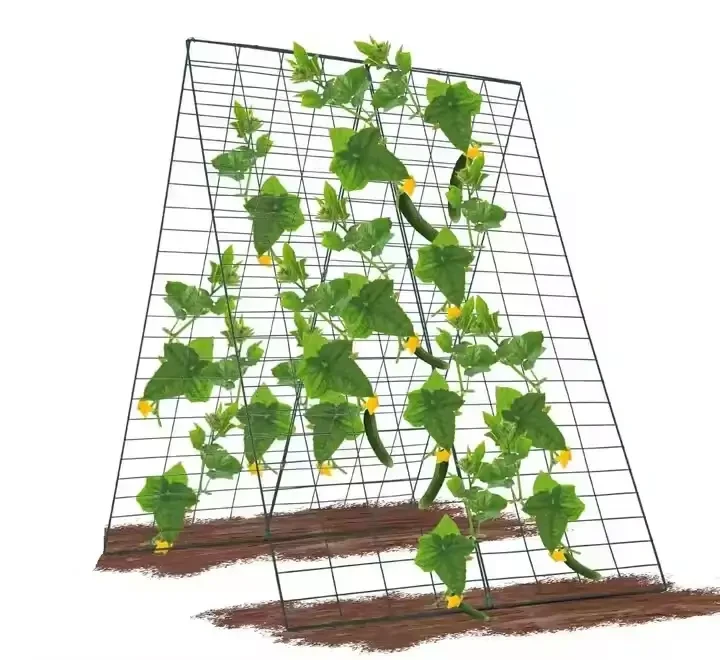
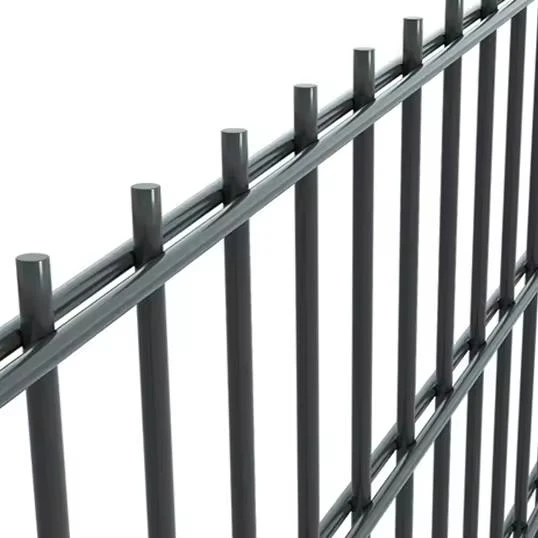
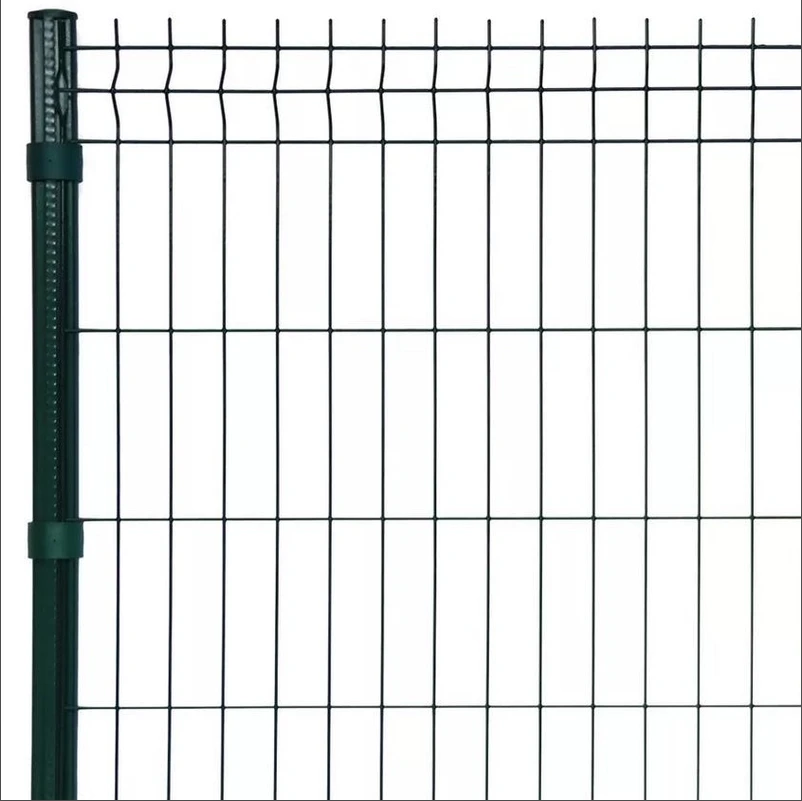
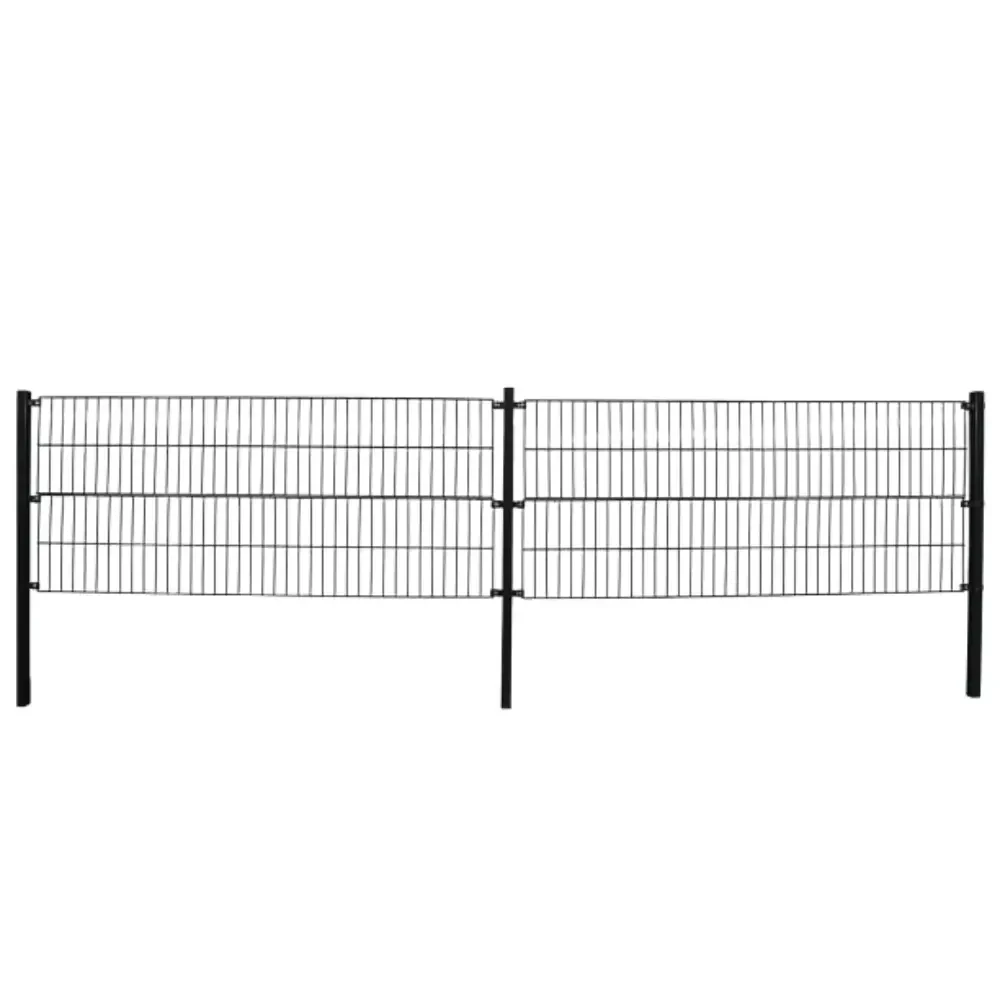
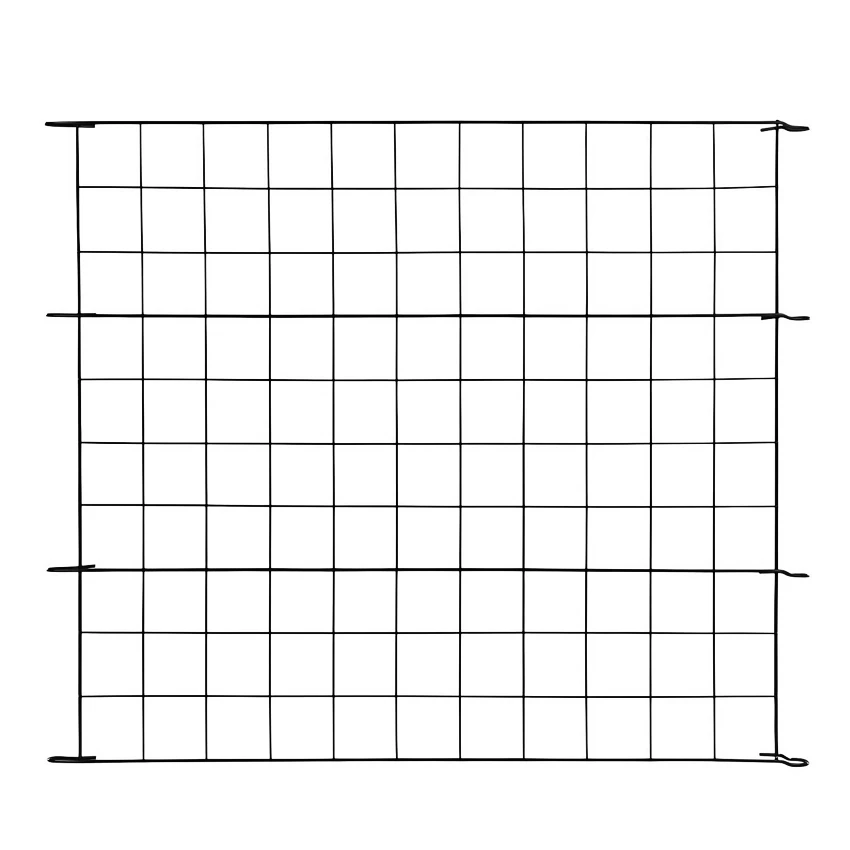
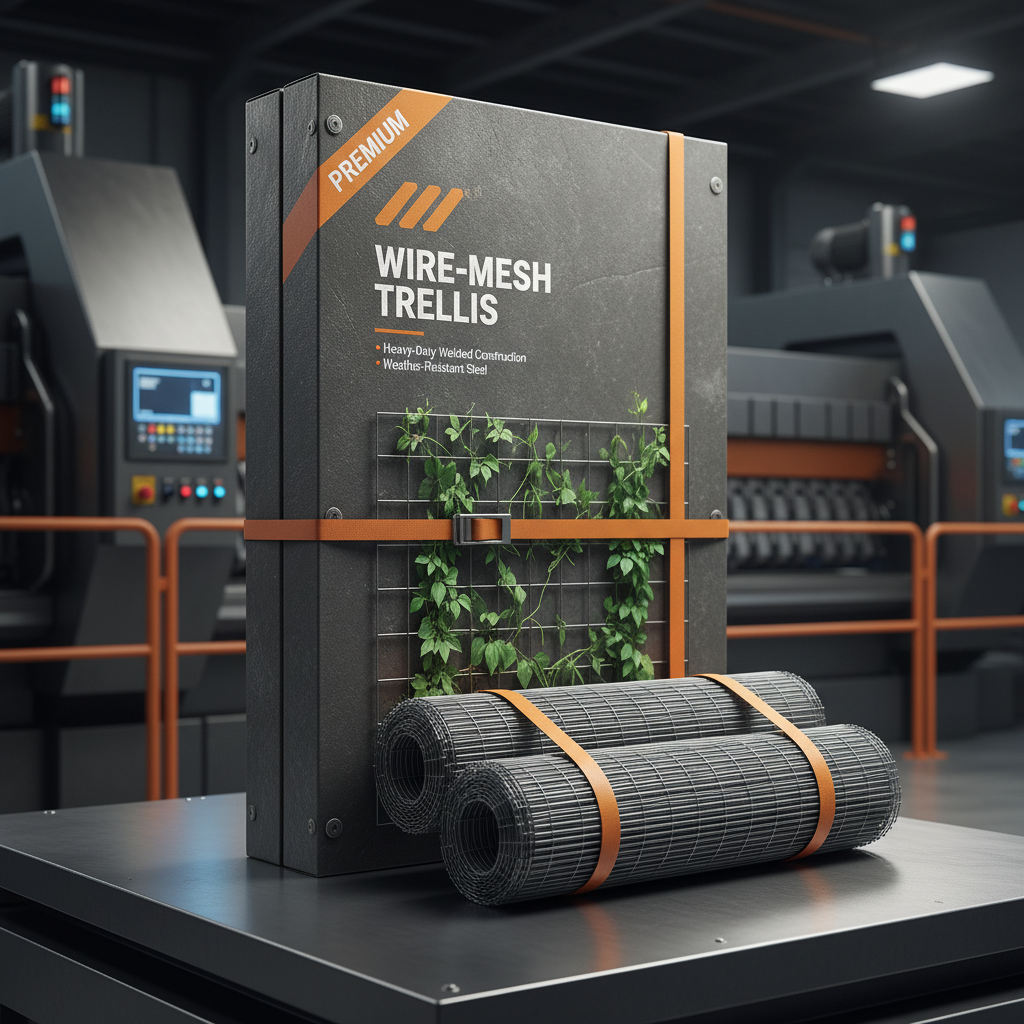
A welded wire fence trellis is constructed from steel wires that are welded together at their intersections, creating a strong and rigid grid. This construction offers superior strength compared to woven wire or plastic alternatives. The grid pattern provides excellent support for a wide variety of climbing plants, including grapes, tomatoes, cucumbers, beans, and flowering vines like clematis and wisteria. The open design allows for ample airflow and sunlight penetration, promoting healthy plant growth. Choosing the right welded wire trellis can make a significant difference in your garden's productivity and beauty.
Key Benefits: Durability, Strong Support, Ample Airflow, Versatile Applications, Aesthetic Appeal.
Applications of Welded Wire Fence Trellis
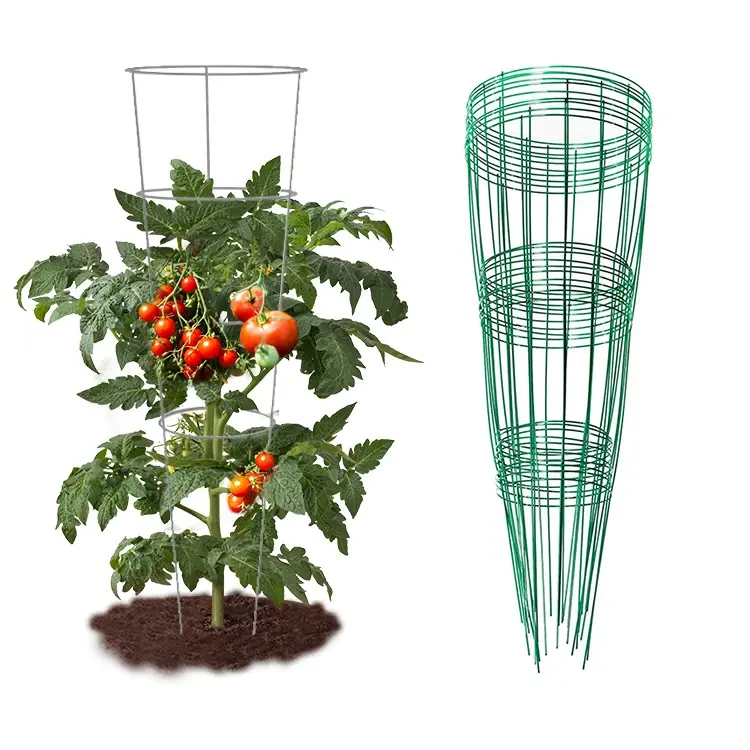
Welded wire fence trellises have a diverse range of applications. In agriculture, they are commonly used for grape vineyards, supporting the vines and maximizing sunlight exposure for optimal fruit production. Horticulturalists utilize them for growing tomatoes, cucumbers, and other vining vegetables, improving yields and simplifying harvesting. Home gardeners can leverage trellises to create beautiful vertical gardens, adding privacy and visual interest to their properties. They’re also ideal for supporting flowering vines, creating stunning floral displays on fences, walls, or as freestanding features. The versatility of this structure allows for creative landscaping and efficient plant cultivation.
Application Areas:
• Vineyards
• Vegetable Gardens
• Flower Displays
• Privacy Screens
Welded Wire Fence Trellis vs. Other Trellis Types
When considering a trellis, it's important to understand how welded wire options compare to other types. Wooden trellises offer a natural aesthetic but require regular maintenance to prevent rot and decay. Plastic trellises are lightweight and inexpensive but can become brittle and break down over time, especially in harsh weather conditions. Woven wire trellises, while affordable, often lack the rigidity and strength of welded wire options. A welded wire fence trellis strikes a balance between strength, durability, and cost-effectiveness, making it a preferred choice for many applications.
Choosing the Right Welded Wire Fence Trellis
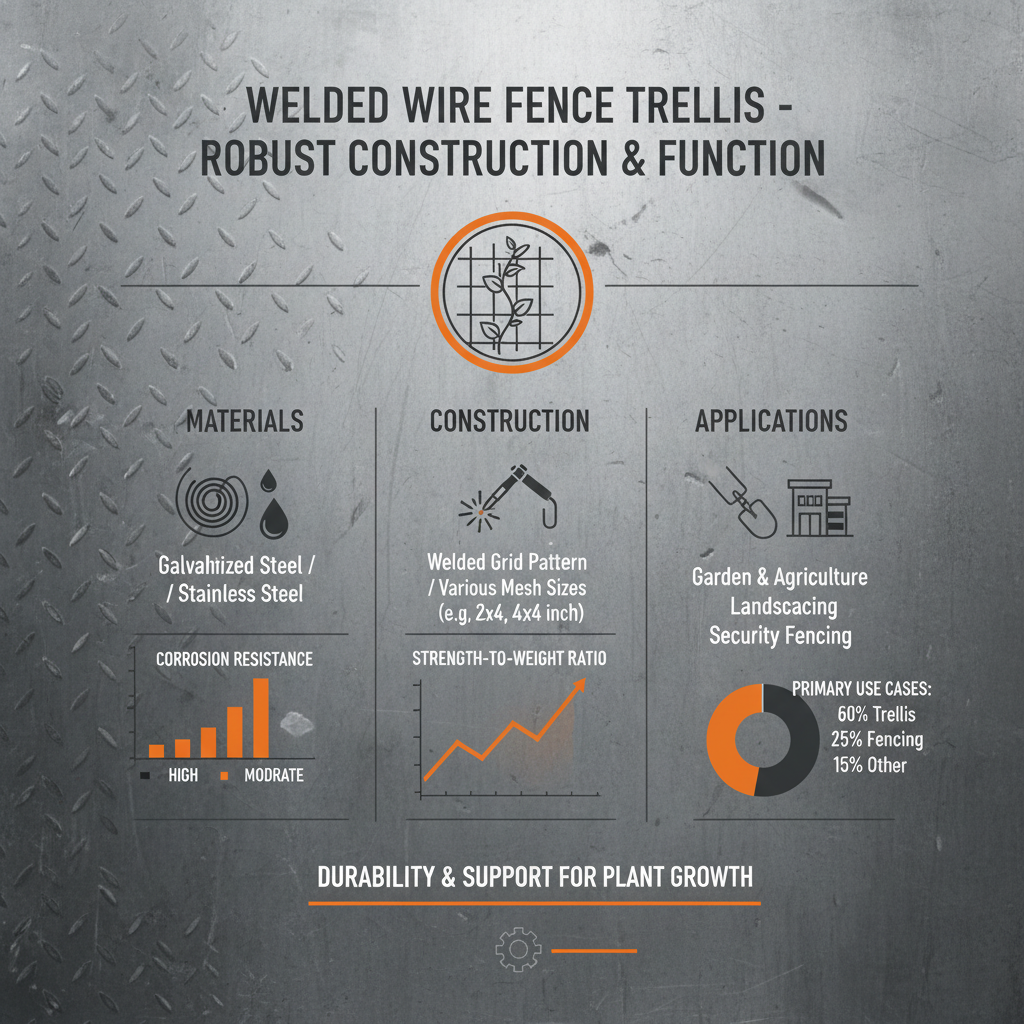
Selecting the appropriate welded wire fence trellis depends on several factors, including the type of plants you intend to support, the height and width required, and the overall aesthetic you desire. Consider the weight of the mature plants – heavier vines will require a more robust trellis. The mesh size (the size of the openings in the grid) should also be appropriate for the plants; smaller mesh sizes are suitable for smaller vines, while larger mesh sizes are better for larger, more robust plants. Peiling Tech offers a wide range of sizes and configurations to meet your specific needs.
Installation Tips for a Lasting Trellis
Proper installation is crucial for ensuring the longevity and stability of your welded wire fence trellis. Use sturdy posts, such as metal or treated wood, and space them appropriately to provide adequate support. Securely attach the trellis to the posts using galvanized wire or clips. Ensure the trellis is level and plumb for a professional appearance. For heavier plants, consider adding additional support, such as horizontal wires or bracing. With proper installation, your trellis will provide years of reliable support for your climbing plants.
Conclusion: Elevate Your Garden with Welded Wire Trellises
Investing in a welded wire fence trellis is a rewarding decision for any gardener or grower. It offers a durable, versatile, and aesthetically pleasing solution for supporting climbing plants. By carefully considering your needs and following proper installation techniques, you can create a stunning and productive garden space. Explore the options available at Peiling Tech and transform your vision into reality.
Frequently Asked Questions (FAQs)
What is the recommended post spacing for a welded wire trellis?
Post spacing typically ranges from 6 to 10 feet apart, depending on the height of the trellis and the weight of the plants it will support. For taller trellises or heavier vines, closer spacing is recommended to provide greater stability. Using sturdy posts is crucial, and they should be securely anchored in the ground to withstand wind and the weight of the plants. Consider using concrete to set the posts for maximum stability.
What types of plants are best suited for a welded wire trellis?
Welded wire trellises are excellent for a wide range of climbing plants, including grapes, cucumbers, tomatoes, beans, peas, and various flowering vines like clematis, wisteria, and climbing roses. Plants with tendrils or twining stems can easily grip the wire mesh, while others may require gentle guidance or tying. Consider the mature weight and growth habit of the plant when selecting a trellis size and mesh spacing.
How can I protect a welded wire trellis from rust?
Welded wire trellises are typically galvanized to protect against rust. However, over time, the galvanization can wear off, especially in harsh weather conditions. To extend the lifespan of your trellis, you can apply a rust-inhibiting paint or coating specifically designed for metal. Regular inspection and maintenance, including cleaning and reapplying protective coatings as needed, will help prevent rust and ensure the trellis remains strong and durable.
Can a welded wire trellis be used for espalier training?
Yes, welded wire trellises are well-suited for espalier training, a technique used to grow fruit trees or shrubs in a flat, two-dimensional pattern against a support structure. The grid pattern of the trellis provides a framework for guiding and securing the branches as they grow. Select a trellis with a mesh size that allows for easy attachment of the branches and provides adequate space for their development.
-
Complete Guide to Choosing a Durable 4 foot wire fence rollNewsApr.16,2026
-
Guide to Choosing the Best Square Wire Fencing Roll for SecurityNewsApr.16,2026
-
High Quality Steel Welded Wire Rolled Fencing for Secure BoundariesNewsApr.16,2026
-
High Quality Black Fence Roll for Secure and Discreet PerimeterNewsApr.16,2026
-
Ultimate Guide to Temporary Fence Roll for Site Security and SafetyNewsApr.16,2026
-
High Quality Garden Mesh Roll Guide for Protecting Green SpaceNewsApr.09,2026