-

-
 Whatsapp:+86 17732187393
 -


Enhance Your Garden with Durable Garden Wire Mesh Panels
Garden Wire Mesh Panels: A Comprehensive Guide
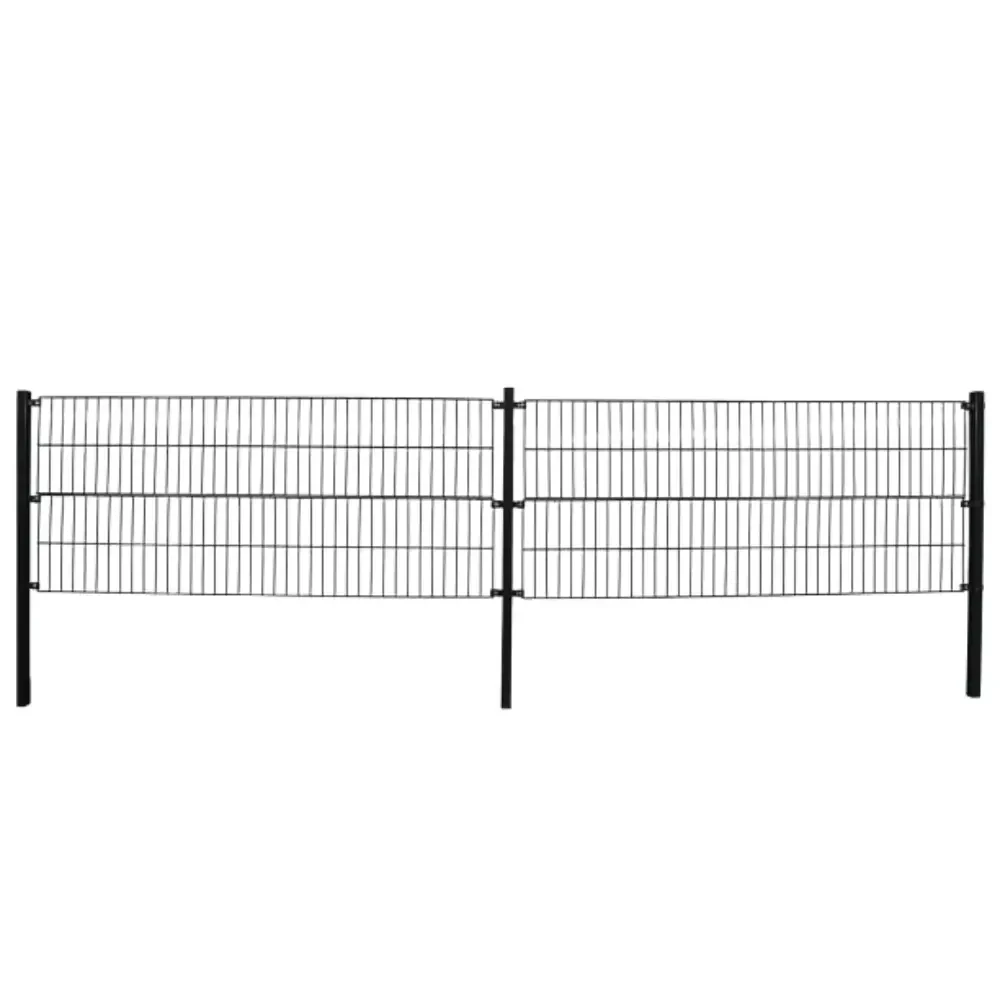
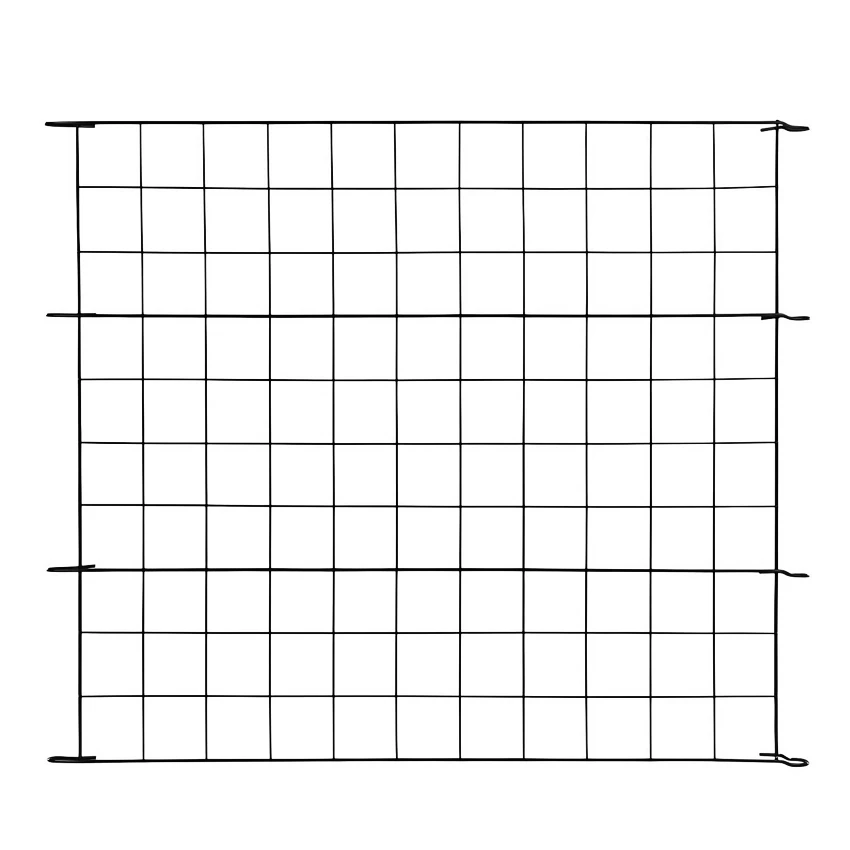
Looking to enhance your garden's structure, support climbing plants, or create stylish boundaries? Garden wire mesh panels offer a versatile and aesthetically pleasing solution. This guide delves into the benefits, applications, types, and installation considerations for these panels, helping you make an informed decision for your outdoor space. From creating a beautiful backdrop for flowering vines to providing robust support for vegetables, wire mesh panels are becoming increasingly popular among gardeners and landscape designers.
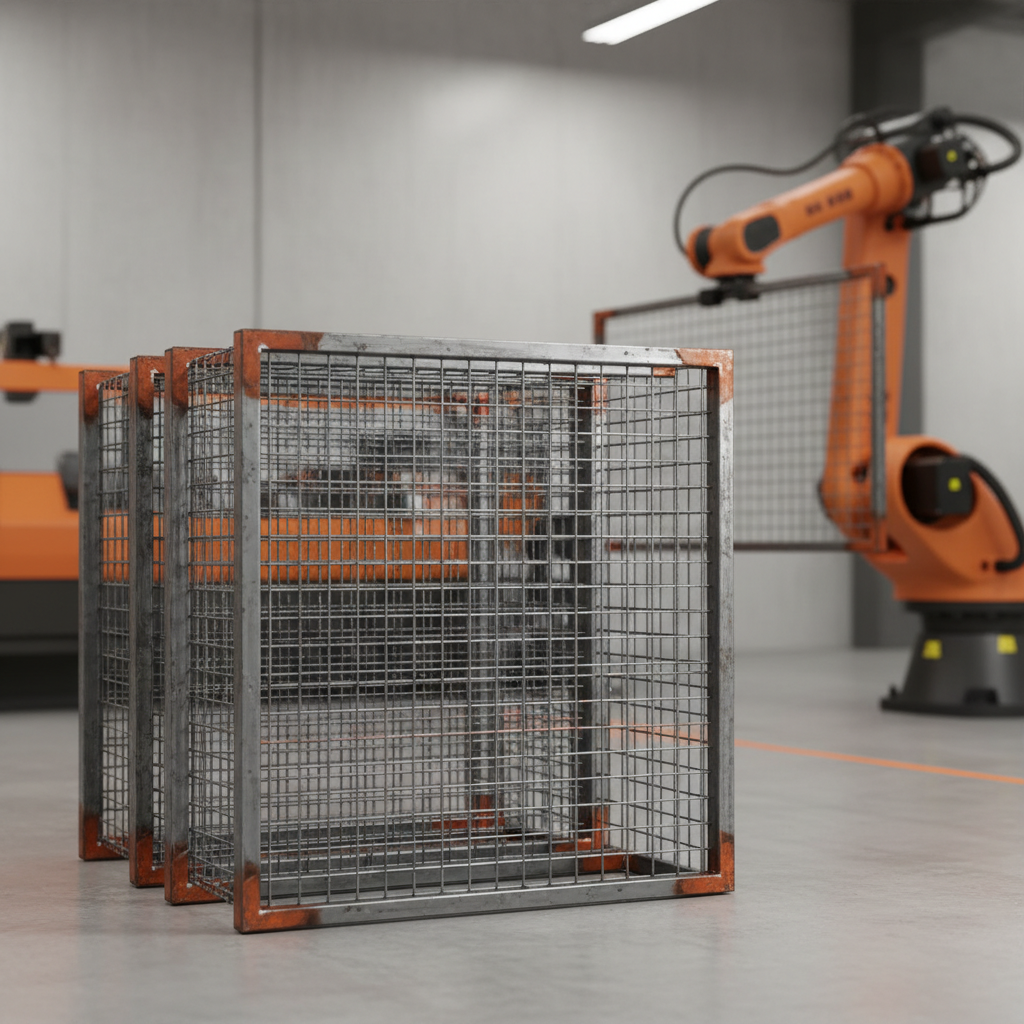
The Benefits of Using Garden Wire Mesh Panels
Garden wire mesh panels provide numerous advantages over traditional fencing or support structures. They are lightweight yet strong, making them easy to handle and install. The open grid design allows for excellent air circulation, crucial for plant health and preventing fungal diseases. They’re also incredibly versatile – adaptable to various garden styles and plant types. The panels are durable, resistant to weathering, and require minimal maintenance. Furthermore, they offer a clean, modern aesthetic that can complement any outdoor design. Choosing the right mesh panel can significantly enhance the overall look and functionality of your garden.
Key Highlights: Lightweight, strong, excellent air circulation, versatile, durable, minimal maintenance, and a modern aesthetic.
Types of Garden Wire Mesh Panels
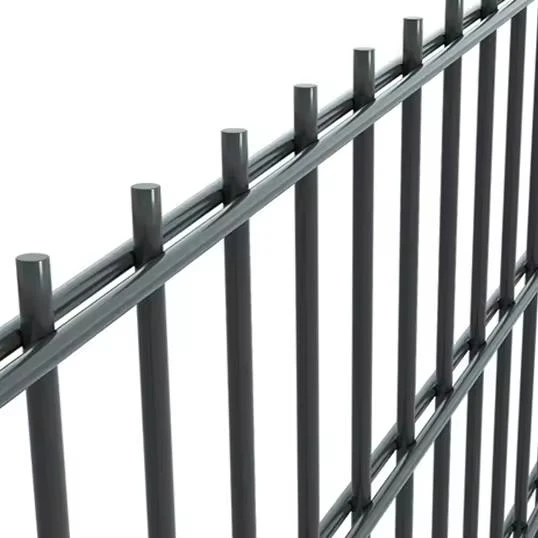
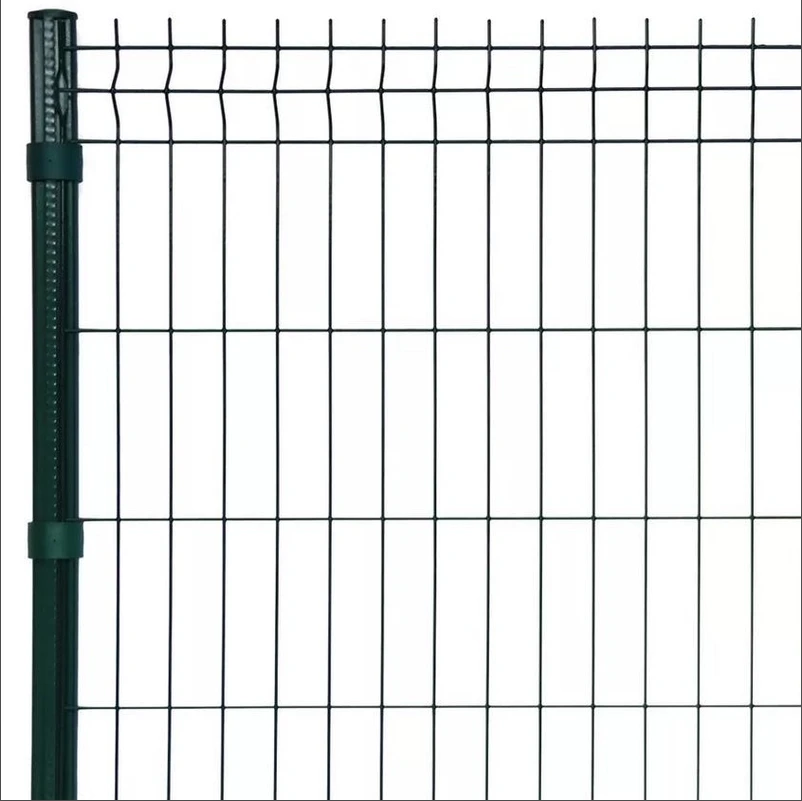
Different materials and mesh sizes cater to specific gardening needs. Common types include welded wire mesh, hexagonal wire netting (chicken wire), and decorative wire mesh. Welded wire mesh offers superior strength and rigidity, ideal for heavy-duty support. Hexagonal wire netting is more affordable and suitable for lighter plants or creating enclosures. Decorative wire mesh features unique patterns and finishes, adding an aesthetic element to your garden. The choice depends on the plants you intend to support, the desired look, and your budget. Peilingtech offers a wide range of options to suit every gardener's requirements.
Mesh Panel Types:
• Welded Wire Mesh: Strong, rigid, ideal for heavy plants.
• Hexagonal Wire Netting: Affordable, suitable for lighter plants.
• Decorative Wire Mesh: Aesthetic appeal, unique patterns.
Garden Wire Mesh Panels: Comparing Materials and Costs
The material and gauge (thickness) of the wire significantly impact the panel’s cost and durability. Galvanized steel is the most common choice due to its rust resistance and affordability. Stainless steel offers superior corrosion resistance but comes at a higher price. Powder-coated panels provide an even more durable finish and are available in various colors. Here's a comparison to help you choose:
Applications for Garden Wire Mesh Panels
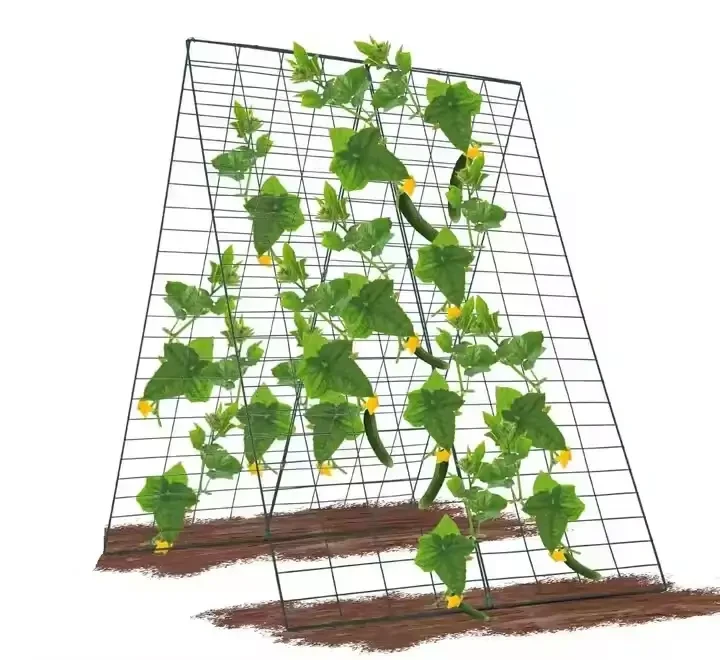
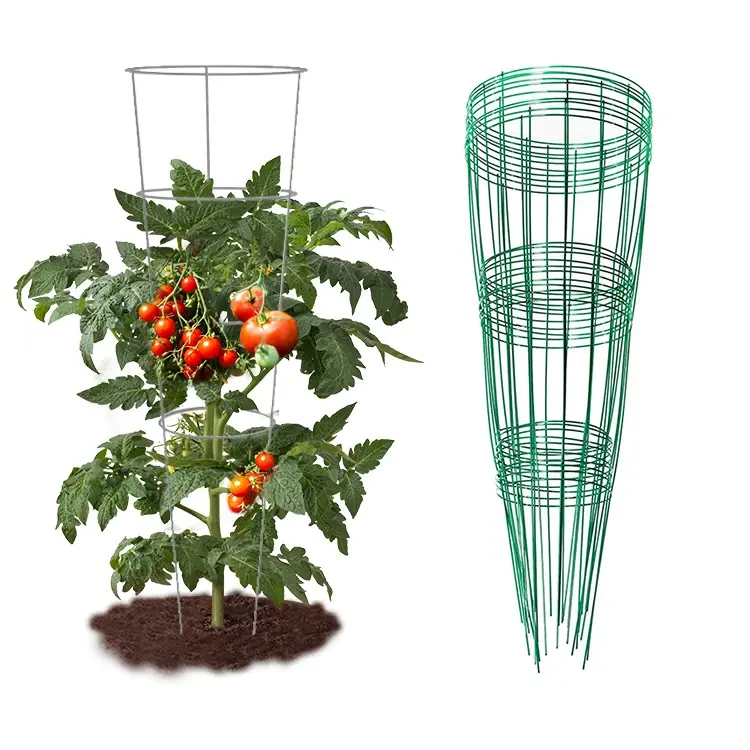
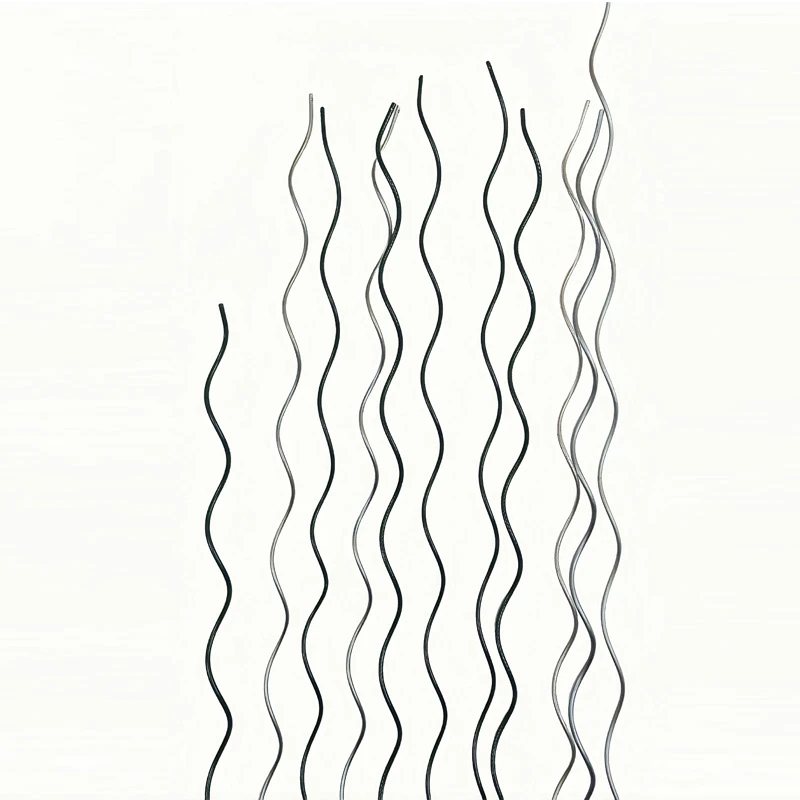
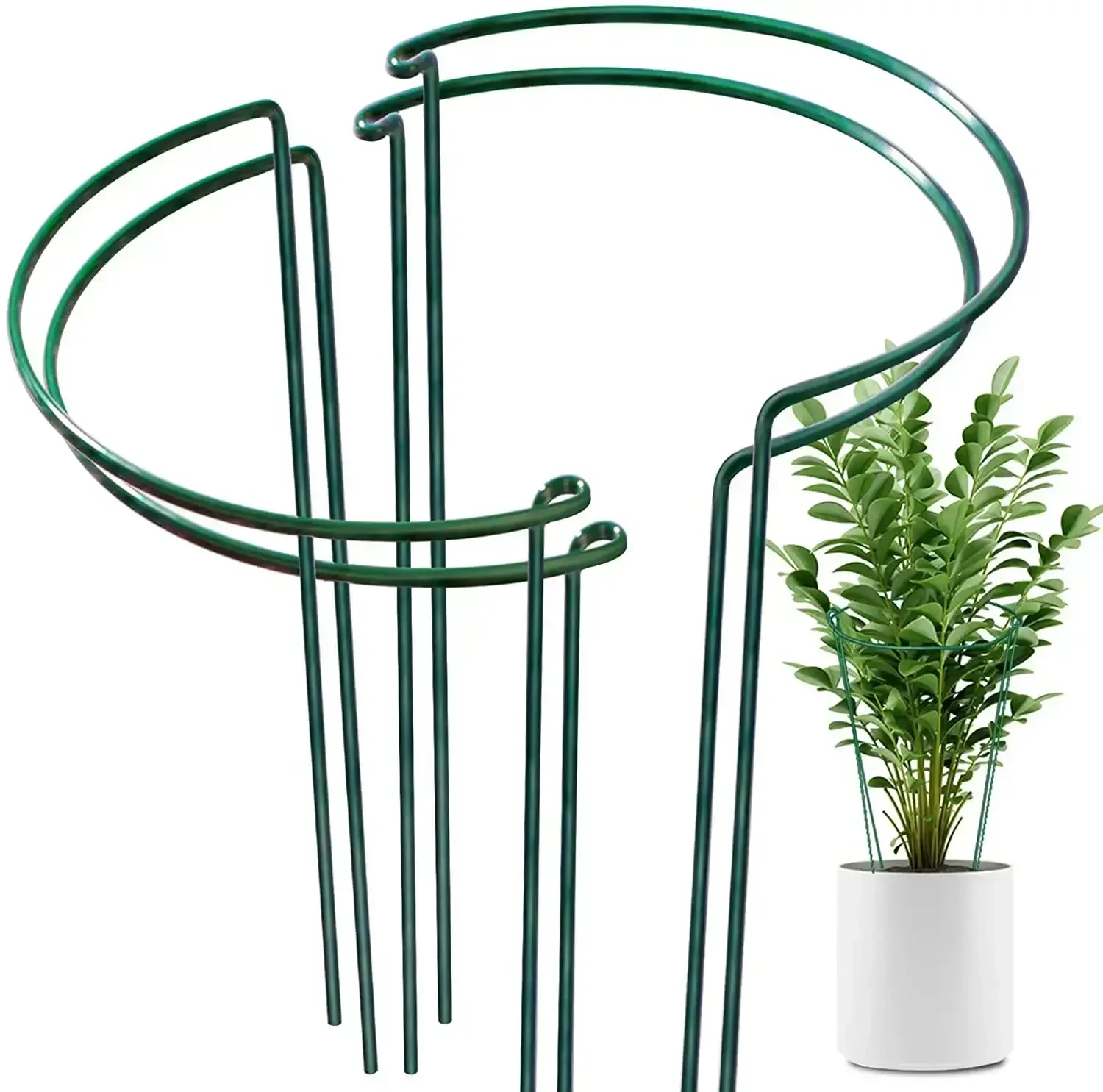
The possibilities are endless! These panels can be used to support climbing plants like roses, clematis, and vegetables like tomatoes and beans. They create stunning vertical gardens, define garden boundaries, and even serve as decorative features. Use them to build a simple trellis, a protective cage for delicate plants, or a stylish privacy screen. They’re also excellent for creating a framework for hanging planters or garden art. With a little creativity, garden wire mesh panels can transform your outdoor space.
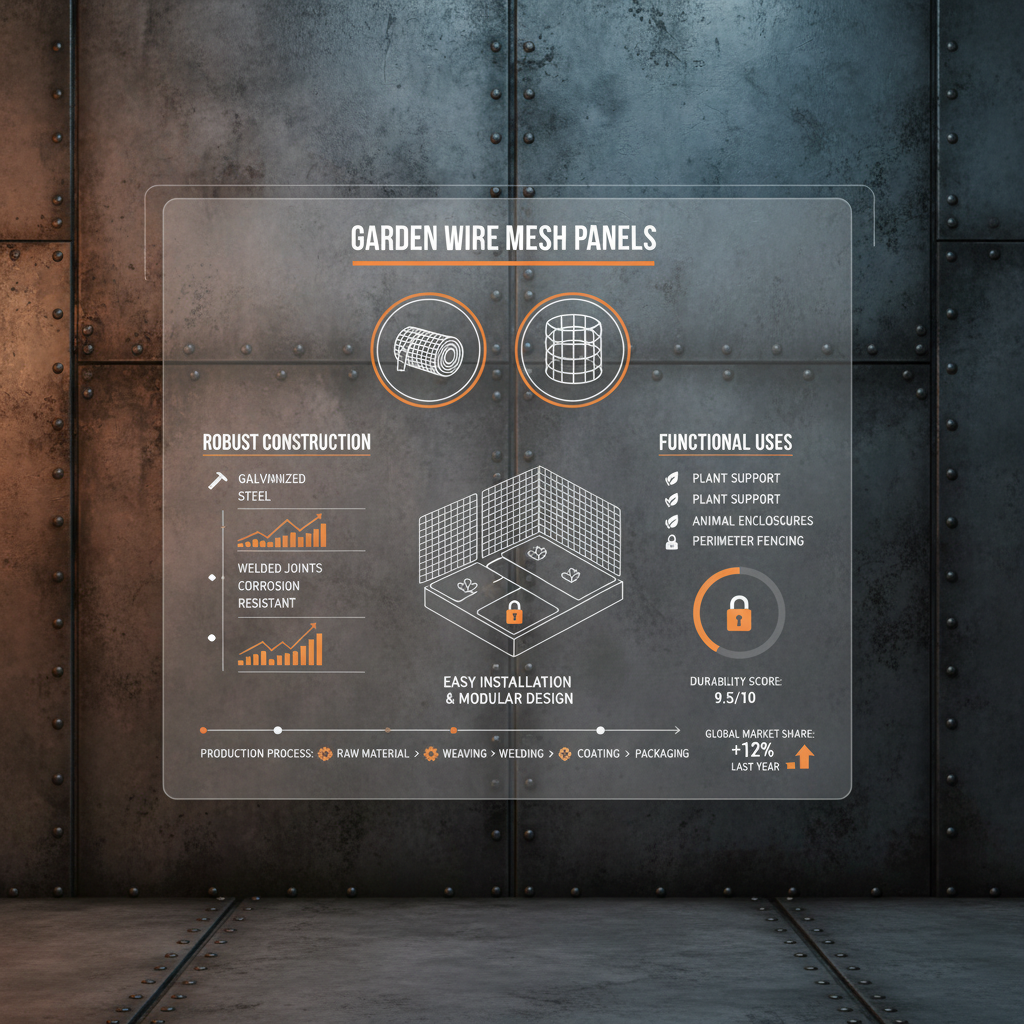
Installing Your Garden Wire Mesh Panels
Installation is generally straightforward. You’ll need posts or an existing structure to attach the panels to. Use galvanized wire, zip ties, or screws to secure the panels firmly. Ensure the panels are properly tensioned to prevent sagging. For taller structures, consider using multiple support points. Always wear appropriate safety gear, including gloves and eye protection, during installation. Proper installation will ensure the panel remains stable and provides the necessary support for your plants.
Conclusion: Elevate Your Garden with Wire Mesh Panels
Investing in garden wire mesh panels is a cost-effective way to enhance the beauty and functionality of your outdoor space. Their versatility, durability, and aesthetic appeal make them a perfect choice for gardeners of all levels. Explore the options available at Peilingtech and start creating the garden of your dreams!
Frequently Asked Questions (FAQs)
What is the best way to prevent rust on galvanized wire mesh panels?
While galvanized steel offers good corrosion resistance, regular maintenance can extend its lifespan. Consider applying a protective sealant specifically designed for galvanized metal. Avoid harsh chemicals and cleaning agents. If you live in a coastal area with high salt content, rinsing the panels periodically with fresh water can help prevent rust formation. Proper ventilation around the panels also helps to reduce moisture buildup.
How high should I install a wire mesh panel for climbing roses?
The height depends on the specific rose variety. Most climbing roses can grow to 8-10 feet tall, so a panel height of at least 6-8 feet is recommended. Ensure the panel is sturdy enough to support the weight of the mature rose bush. Consider providing additional support at the top of the panel for heavier varieties. Allow sufficient space at the base of the panel for air circulation and plant growth.
Can I paint garden wire mesh panels?
Yes, you can paint garden wire mesh panels, but proper preparation is crucial. Clean the panels thoroughly to remove any dirt, grease, or rust. Apply a metal primer specifically designed for galvanized or steel surfaces. Use an exterior-grade paint that is suitable for metal. Multiple coats may be necessary for full coverage and durability. Ensure the paint is fully dry before using the panel.
What mesh size is best for growing vegetables like peas and beans?
A mesh size of 6x6 inches or 4x4 inches is generally ideal for growing peas and beans. These sizes provide sufficient support for the vines to climb without being too restrictive. Larger mesh sizes may not offer enough support, while smaller sizes can hinder air circulation. Consider the specific variety of peas or beans you are growing when choosing the mesh size.
-
Complete Guide to Choosing a Durable 4 foot wire fence rollNewsApr.16,2026
-
Guide to Choosing the Best Square Wire Fencing Roll for SecurityNewsApr.16,2026
-
High Quality Steel Welded Wire Rolled Fencing for Secure BoundariesNewsApr.16,2026
-
High Quality Black Fence Roll for Secure and Discreet PerimeterNewsApr.16,2026
-
Ultimate Guide to Temporary Fence Roll for Site Security and SafetyNewsApr.16,2026
-
High Quality Garden Mesh Roll Guide for Protecting Green SpaceNewsApr.09,2026