-

-
 Whatsapp:+86 17732187393
 -


Exploring the Versatility of Metal Wire Mesh Panels and Their Applications
Understanding Metal Wire Mesh Panels
Metal wire mesh panels are versatile components used across numerous industries, from filtration and security to architectural design and industrial reinforcement. Their robust nature, varied weave patterns, and customizable dimensions make them ideal for a broad spectrum of applications. This article explores the characteristics, types, applications, and benefits of metal wire mesh panels, offering insights for engineers, designers, and procurement professionals. Selecting the right panel ensures optimal performance and longevity in your specific use case.
Types of Metal Wire Mesh Panels
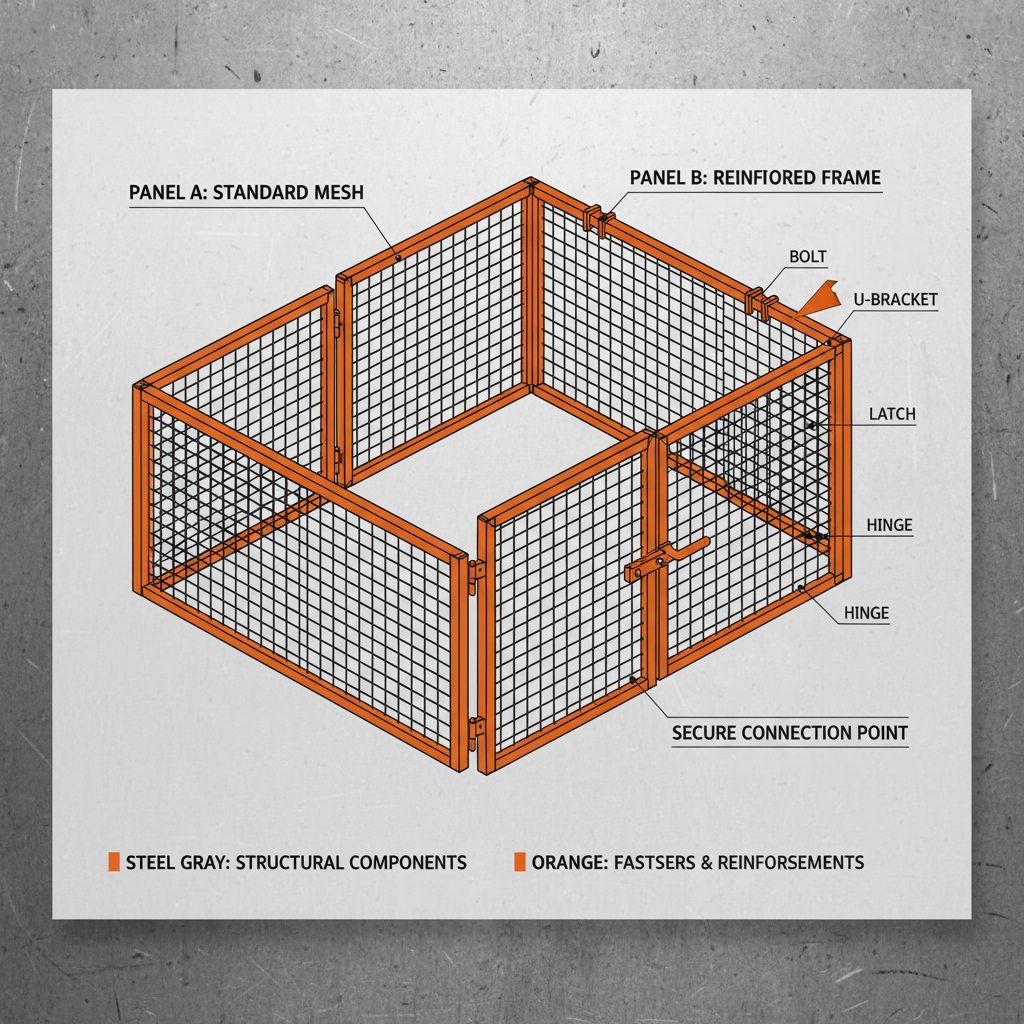
Metal wire mesh panels come in a diverse range of weaves, each offering unique properties and suited for specific applications. Common types include woven wire mesh, welded wire mesh, expanded metal mesh, and crimped wire mesh. Woven wire mesh offers precision and consistency, ideal for filtration. Welded wire mesh provides excellent strength and is commonly used in security fencing. Expanded metal mesh is known for its open surface area and is used in architectural applications. Crimped wire mesh provides increased rigidity and is often used for reinforcement. Understanding these differences is crucial for making informed decisions.
Key Takeaway: The choice of weave significantly impacts the panel's strength, permeability, and overall suitability for its intended application.
Materials Used in Metal Wire Mesh Panel Manufacturing
The material used in manufacturing greatly influences the performance and longevity of metal wire mesh panels. Stainless steel (304, 316, 316L) is renowned for its corrosion resistance and is ideal for harsh environments. Carbon steel offers high strength and is often used for structural applications, but requires protective coatings. Aluminum is lightweight and corrosion-resistant, suitable for architectural or decorative uses. Other materials, such as copper, brass, and titanium, are also used for specialized applications. Considering the environmental factors and load requirements is critical when selecting the appropriate material.
Material Comparison:
• Stainless Steel: Excellent corrosion resistance, high strength.
• Carbon Steel: High strength, cost-effective, requires coating.
• Aluminum: Lightweight, corrosion-resistant, good for architectural uses.
Applications of Metal Wire Mesh Panels
The versatility of metal wire mesh panels translates to a broad range of applications. In filtration, they’re utilized in air filters, liquid filters, and strainers. For security, they’re employed in fences, cages, and protective screens. Architectural applications include facades, screens, and sunshades. Industrial uses encompass conveyor belts, machine guarding, and reinforcement materials. The growing demand for innovative solutions continues to uncover new and exciting applications for these adaptable panels.
Factors to Consider When Selecting Metal Wire Mesh Panels
Choosing the correct metal wire mesh panels involves careful consideration of several factors. Mesh size, wire diameter, and aperture shape impact filtration efficiency and flow rate. Panel dimensions must align with the application's requirements. Environmental conditions, such as temperature and humidity, dictate the necessary corrosion resistance. Load-bearing capacity is crucial for structural applications. Finally, budget considerations play a role in material selection. A thorough assessment of these factors ensures optimal performance and cost-effectiveness.
Benefits of Using Metal Wire Mesh Panels
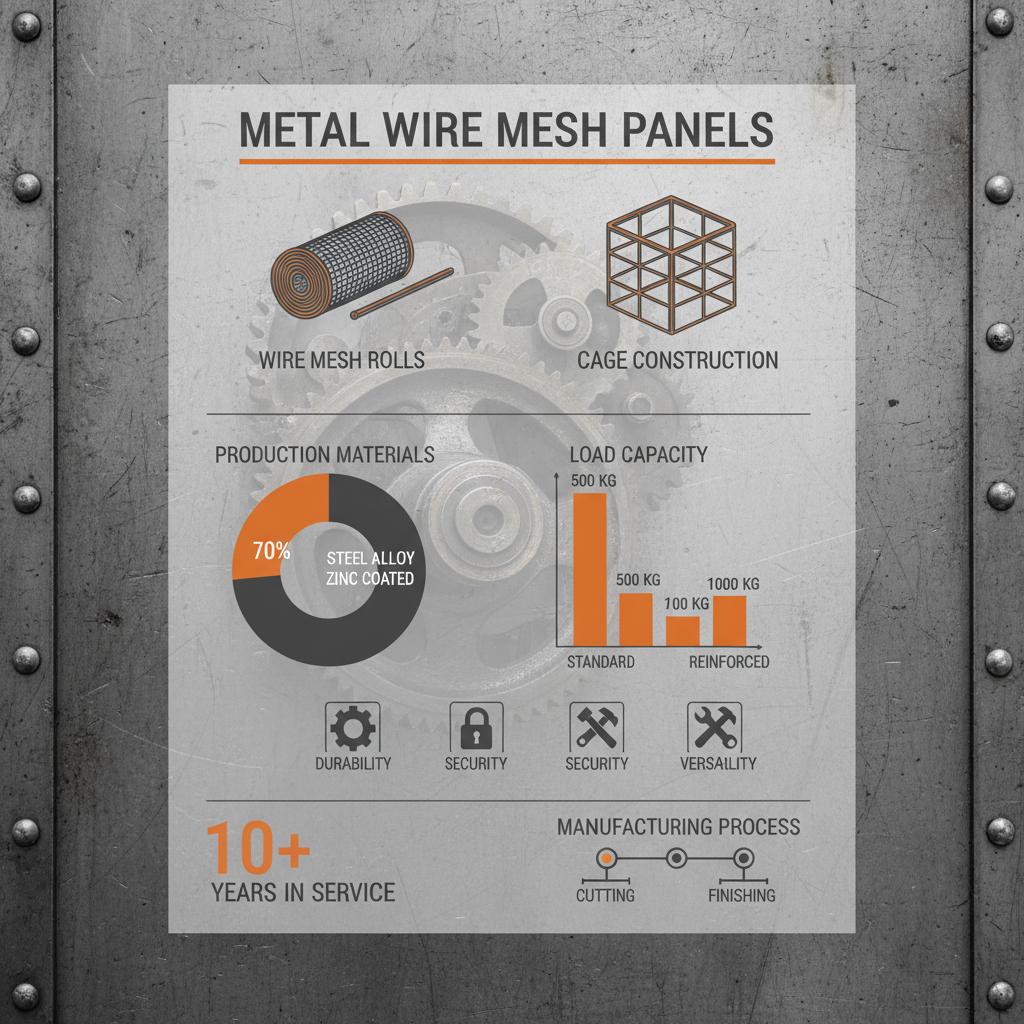
Metal wire mesh panels offer several advantages. They provide exceptional strength and durability, ensuring a long service life. Their open structure allows for excellent airflow and visibility. They are easily customizable to meet specific needs. They require minimal maintenance. And, importantly, they are a cost-effective solution for many applications. These benefits make them a preferred choice for a wide range of industries and projects.
Conclusion
Metal wire mesh panels are indispensable components across diverse industries. Understanding the different types, materials, and applications is vital for maximizing their performance and achieving project success. Peiling Tech offers a comprehensive range of high-quality metal wire mesh panels to meet your specific needs. Invest in the right solution and benefit from their strength, versatility, and cost-effectiveness.
Frequently Asked Questions (FAQs)
What is the difference between woven and welded wire mesh panels?
Woven wire mesh is created by interlacing wires, resulting in a smoother surface and precise openings. It’s ideal for filtration and applications requiring consistent aperture sizes. Welded wire mesh, on the other hand, is formed by welding wires at their intersections, providing greater rigidity and strength. It’s commonly used in security fencing and reinforcement. Woven mesh generally offers better dimensional stability, while welded mesh provides superior load-bearing capacity.
Can metal wire mesh panels be cut to size?
Yes, most metal wire mesh panels can be cut to size using appropriate tools. However, cutting can sometimes cause unraveling, especially with woven wire mesh. It’s often recommended to use specialized cutting tools or to have the panels cut by the manufacturer or a professional fabricator. Edges may need to be finished to prevent sharp edges and further unraveling.
What are the typical applications of expanded metal mesh panels?
Expanded metal mesh panels are commonly used in architectural facades, sunshades, walkways, stair treads, and decorative screens. Their open surface area allows for good airflow and light transmission. They are also used in industrial applications such as machine guards, speaker grills, and shelving. The unique aesthetic appeal of expanded metal makes it a popular choice for modern designs.
-
Complete Guide to Choosing a Durable 4 foot wire fence rollNewsApr.16,2026
-
Guide to Choosing the Best Square Wire Fencing Roll for SecurityNewsApr.16,2026
-
High Quality Steel Welded Wire Rolled Fencing for Secure BoundariesNewsApr.16,2026
-
High Quality Black Fence Roll for Secure and Discreet PerimeterNewsApr.16,2026
-
Ultimate Guide to Temporary Fence Roll for Site Security and SafetyNewsApr.16,2026
-
High Quality Garden Mesh Roll Guide for Protecting Green SpaceNewsApr.09,2026