-

-
 Whatsapp:+86 17732187393
 -


Premium Chicken Wire 100m Roll for Fencing and Garden Protection
The Ultimate Guide to Choosing a Chicken Wire 100m Roll
Whether you are a professional farmer, a gardening enthusiast, or a construction contractor, finding a reliable fencing solution is key to securing your perimeter. A chicken wire 100m roll offers the perfect balance of length, flexibility, and strength for a variety of containment needs. From protecting delicate vegetable patches from pests to creating secure poultry runs, the right hexagonal mesh wire ensures long-term durability and ease of installation. In this comprehensive guide, we will explore the technical specifications, practical applications, and key selection criteria to help you make an informed purchase for your project.

Why Choose a Chicken Wire 100m Roll for Large Projects?
When dealing with larger areas, purchasing wire in bulk rolls is significantly more cost-effective than buying smaller segments. A 100-meter roll minimizes the number of joins and seams in your fence, which not only increases the structural integrity of the barrier but also reduces the time spent on installation. The hexagonal weave of the chicken wire 100m roll is specifically designed to be lightweight yet resilient, allowing it to be stretched and contoured around irregular landscapes without losing its shape.
Efficiency Tip: Using a continuous 100m roll reduces the risk of "weak spots" at joints, where predators often find gaps to penetrate the enclosure.
Comparing Galvanized vs. PVC Coated Chicken Wire
Material composition is the most critical factor in determining the lifespan of your fence. Most high-quality chicken wire 100m roll options come in either hot-dipped galvanized steel or PVC-coated steel. Galvanized wire is excellent for standard rust prevention, while PVC coating adds an extra layer of protection against corrosive soil and moisture, making it ideal for coastal regions or high-humidity environments. Choosing the wrong coating can lead to premature rusting and fence failure.
Versatile Applications of a Chicken Wire 100m Roll
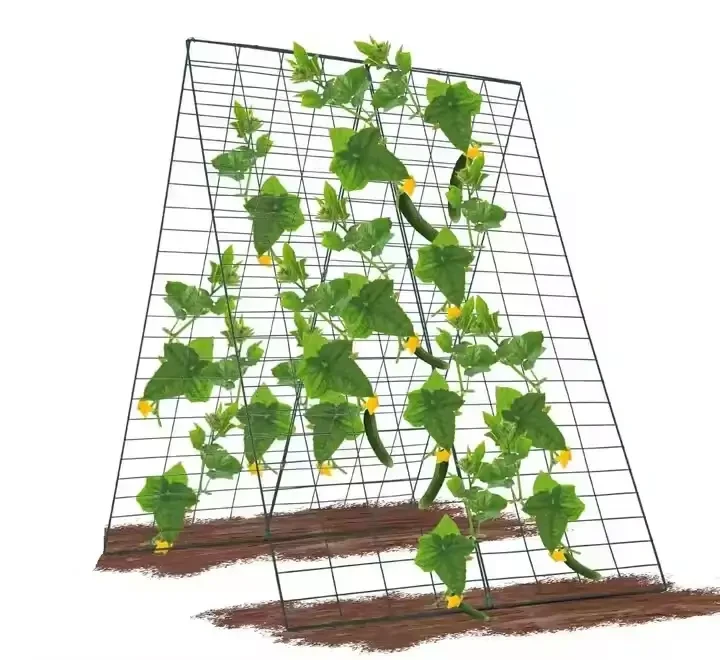
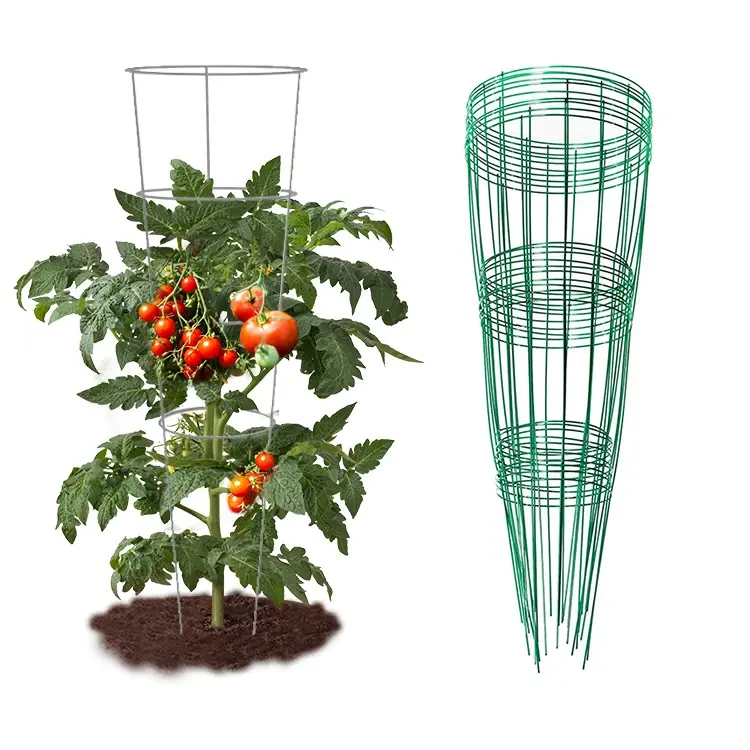
The utility of a chicken wire 100m roll extends far beyond just poultry farming. In modern landscaping, it is frequently used as a trellis for climbing plants, providing a sturdy yet unobtrusive support system. In construction, it serves as a reinforcement mesh for plastering or a temporary safety barrier. Gardeners often use it to create "cloches" or protective cages for young saplings to prevent deer and rabbits from grazing on new growth. Its adaptability makes it a staple tool for any property maintenance toolkit.
Installation Tips for Your Chicken Wire 100m Roll
To get the most out of your chicken wire 100m roll, proper installation is non-negotiable. First, ensure the ground is cleared of large debris to prevent the mesh from sagging. Use sturdy fence posts spaced every 2 to 3 meters to maintain tension. When unrolling the wire, pull it taut using a fence stretcher or a simple manual pull to avoid wrinkles. For maximum security, bury the bottom 10-15cm of the wire underground to prevent burrowing animals from digging underneath your enclosure.
Installation Checklist:
• Use galvanized staples to secure wire to wooden posts
• Maintain consistent tension throughout the 100m length
• Overlap joints by at least 10cm and tie securely
• Check for sharp edges and trim them for safety
Technical Specifications and Product Standards
Understanding the gauge and mesh size is essential when selecting a chicken wire 100m roll. A lower gauge number indicates a thicker, stronger wire, while the mesh size determines which animals can be kept in or out. For small poultry, a 1-inch mesh is standard, whereas larger gaps may be suitable for garden trellises. Our products are manufactured to meet international quality standards, ensuring consistent wire thickness and precise hexagonal geometry across the entire roll.
Maintenance and Longevity of Wire Fencing
Even the highest quality chicken wire 100m roll requires occasional maintenance to ensure it remains effective. We recommend conducting a seasonal inspection to check for loose wires or areas where the galvanized coating may have been scratched. If you notice small holes, they can be easily patched with small scraps of wire and binding ties. For galvanized wire, avoiding contact with highly acidic fertilizers can prevent premature corrosion, extending the life of your investment for years to come.
Conclusion: Secure Your Space with Quality Wire
Investing in a premium chicken wire 100m roll is the most efficient way to ensure the safety of your livestock and the protection of your gardens. By selecting the right material—whether galvanized or PVC coated—and following proper installation techniques, you can create a durable barrier that withstands the elements. Don't compromise on the security of your property; choose a solution that combines strength, value, and longevity.
Frequently Asked Questions (FAQs)
Is a 100m roll of chicken wire easy to transport and handle?
Yes, despite its length, a chicken wire 100m roll is designed to be compact when wound. Most rolls are lightweight enough for one or two people to move comfortably. However, because the wire is flexible, we recommend using a cart or a vehicle for transport to prevent the roll from unraveling. Once on-site, the roll can be easily dispensed as you move along your fence line, making the installation process streamlined and efficient.
Can chicken wire be used to keep out larger predators like foxes?
Standard chicken wire is primarily designed to keep chickens in and keep out small pests. While it provides a basic deterrent, determined predators like foxes can sometimes chew through or push under light-gauge wire. To enhance security, we recommend using a heavier gauge chicken wire 100m roll and combining it with an electric fence strand or burying the mesh deep into the ground to prevent digging.
How do I prevent my chicken wire from rusting over time?
The best way to prevent rust is to choose a hot-dipped galvanized or PVC-coated roll from the start. If you are using standard galvanized wire, you can prolong its life by avoiding contact with harsh chemicals or salt. If you notice any scratches in the protective coating during installation, you can apply a small amount of cold-galvanizing spray to the affected area to seal the steel from oxygen and moisture, preventing rust from spreading.
What is the difference between hexagonal mesh and welded wire?
The chicken wire 100m roll typically features a hexagonal twisted mesh, which is more flexible and easier to contour around shapes. Welded wire, on the other hand, consists of wires welded at every intersection, making it much stiffer and stronger. While welded wire is better for heavy-duty animal containment, hexagonal mesh is superior for general gardening, lightweight poultry runs, and applications where flexibility and cost-efficiency are prioritized.
-
Complete Guide to Choosing a Durable 4 foot wire fence rollNewsApr.16,2026
-
Guide to Choosing the Best Square Wire Fencing Roll for SecurityNewsApr.16,2026
-
High Quality Steel Welded Wire Rolled Fencing for Secure BoundariesNewsApr.16,2026
-
High Quality Black Fence Roll for Secure and Discreet PerimeterNewsApr.16,2026
-
Ultimate Guide to Temporary Fence Roll for Site Security and SafetyNewsApr.16,2026
-
High Quality Garden Mesh Roll Guide for Protecting Green SpaceNewsApr.09,2026