-

-
 Whatsapp:+86 17732187393
 -


Innovative Single Gate Design for House | Security & Style Solutions
Understanding Single Gate Design for House: Why It Matters Globally
When we talk about single gate design for house, it might conjure images of a simple doorway or facade detail. But in reality, this concept digs deeper — influencing security, aesthetics, accessibility, and even energy efficiency in homes around the world. Globally, the way we design these single gates impacts not just the curb appeal but also the safety and sustainability of housing. Think about the millions of homes built every year and the crucial role a well-designed gate plays in protecting families and assets, while welcoming guests with style.
As urban populations soar (the UN estimates that by 2050 nearly 68% of the world’s population will live in cities1), and as security concerns rise, the demand for thoughtful single gate design solutions is growing. Add to that a worldwide push for sustainable building practices and inclusive design, and you can see why it’s more than just “a door.”
Global Context: Security Meets Design in a Fast-Changing World
The demand for secure, practical, and attractive entrances to residential properties is worldwide. In many developing countries, local governments emphasize community safety, and reliable gate designs reduce crime rates by controlling access points. Meanwhile, in wealthier nations, the focus often shifts to smart technologies integrated into gates, blending design with convenience.
But here’s a tricky challenge: amid rapid urban growth and increasing real estate prices, how do you design a single gate that fits compact spaces without compromising on durability or aesthetics? The solution calls for innovations combining traditional materials with cutting-edge tech — a balancing act that’s happening on every continent.
What Exactly is Single Gate Design for House?
In simplest terms, a single gate design for house refers to the planning, styling, functionality, and construction of a single entrance gate intended for residential use. Unlike double or multi-gate designs (common in larger properties or estates), single gates typically manage access for a pedestrian or vehicle entrance on a smaller scale.
This gate type often fuses safety mechanisms (locks, materials, automation), aesthetic preferences (wood, metal, modern curves), and practical concerns (space constraints, local codes). In modern housing developments, it’s more than a barrier; it’s a statement of identity, security, and convenience.
Key Factors in Single Gate Design for House
1. Durability
The longevity of a gate is non-negotiable. Many engineers swear by galvanized steel or aluminum frames combined with weather-resistant coatings. These materials handle rain, sun, wind, and occasional impact without warping or corroding.
2. Scalability & Space Efficiency
Not all homes have spacious front yards. A single gate’s design must fit narrow driveways or entrance paths. Sliding or foldable gates are popular solutions when space is tight, as they fold neatly without swallowing your pathway.
3. Security Features
Locking mechanisms vary—from traditional keyed locks to more high-tech options like biometric scanners or remote controls. Security cameras, intercoms, and even motion-sensor lighting are often integrated with the gate itself for a holistic security approach.
4. Aesthetic Appeal
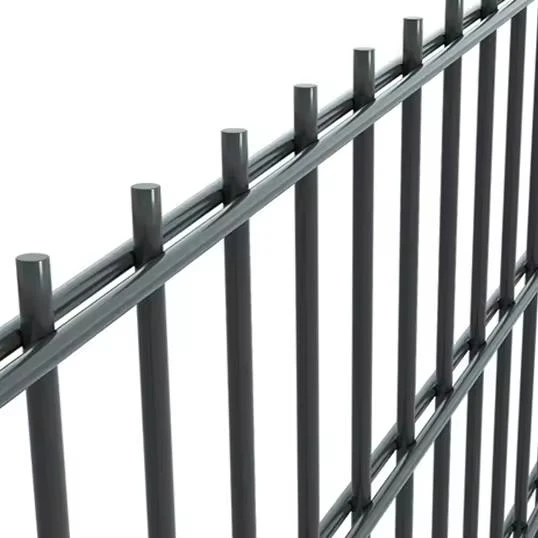
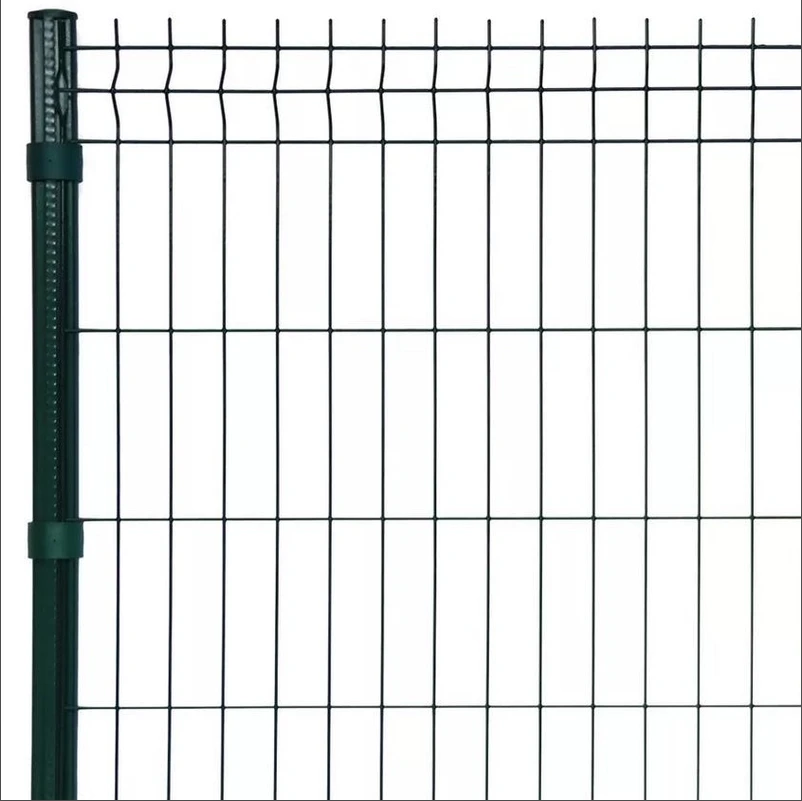
Materials like wood and wrought iron give a classic look, while powder-coated metals offer sleek modernity. Patterns and paint colors allow homeowners to express personality — whether rustic charm or minimalist chic.
5. Cost Efficiency
Budget is always a factor, of course. But a higher up-front spend on quality materials often pays off by reducing maintenance needs and increasing lifespan.
Practical Specs for a Typical Single Gate Design
| Specification | Details |
|---|---|
| Material | Galvanized Steel Frame with Powder Coated Finish |
| Dimensions | 120 cm width x 200 cm height (standard) |
| Lock Type | Electronic Remote Lock with Backup Mechanical Key |
| Operation | Manual Swing / Optional Motorized Automation |
| Weather Resistance | IP67 Rated Rust and UV Protection |
| Additional Features | Integrated Motion Sensor Lights and CCTV Mount |
Where in the World Are Single Gates Making a Difference?
In sprawling Asian mega-cities like Mumbai and Jakarta, where space is at an extreme premium, single gates provide compact yet robust access, often equipped with remote entry systems to ease residents’ day-to-day rush.
Meanwhile, in Europe, aesthetic traditions mean that ironwork gates with intricate designs not only offer security but preserve a historical look that homeowners cherish.
Interestingly, in earthquake-prone zones such as California or Japan, gate designs often incorporate flexible hinges and shock-absorbing materials to survive tremors better.
And organizations like Habitat for Humanity incorporate single gate plans when building affordable houses in rural Africa, balancing affordability, security, and local materials for quick assembly.
Comparing Popular Vendors of Single Gate Designs
| Vendor | Customization Options | Average Cost | Lead Time |
|---|---|---|---|
| GateCraft Pro | Wide range of materials, automated systems | $750 - $1200 | 2-3 weeks |
| Urban Entry Solutions | Standard metal/wood combos; manual locks | $450 - $700 | 1-2 weeks |
| EcoGate Innovate | Sustainable materials, solar-powered options | $900 - $1400 | 3-4 weeks |
Why Invest in Single Gate Design? The Long-Term Value
Of course, a gate is a gate — or is it? Emotionally, it’s the threshold between “after a long day, I’m home” and “stranger danger.” It symbolizes privacy, dignity, and sometimes status.
Logically, a well-designed single gate can:
- Reduce insurance premiums by enhancing property security
- Lower maintenance bills through stronger, weather-proof materials
- Enable smart home integration, adding convenience
- Improve property value through aesthetic appeal
Think of it as an investment that pays off both in peace of mind and in your home’s bottom line.
Looking Ahead: Future Trends in Single Gate Design
Technology is fast reshaping how gates function. The integration of Internet of Things (IoT) devices means your single gate might soon recognize your face or open from miles away via smartphone — no keys required.
Environmentally, solar-powered automatic gates are gaining traction, especially in sunny regions keen on reducing their carbon footprint. Plus, innovative materials made from recycled plastics or composites promise better durability with a smaller environmental impact.
Policy-wise, many cities are pushing for gates that comply with local energy codes or universal design principles, making entrances accessible for all, including people with disabilities.
Common Challenges in Single Gate Design and How to Tackle Them
Durability under harsh weather remains a chief concern; rust and warping can mar even the sturdiest gate if the finish isn't right. Routine maintenance helps, but eco-friendly powder-coated finishes or stainless steel frames ease the burden.
Compatibility with existing architecture sometimes limits design options. Here, custom manufacturing or modular kits adapted on site work well. Many contractors also recommend visits to single gate design for house specialists who can advise on blend styles and materials effectively.
FAQ: Your Questions About Single Gate Design for House Answered
Q1: What makes a single gate design better than double gates for small homes?
A1: Single gates save space and often cost less to install and maintain. They simplify security management and usually fit narrow urban driveways better, making them ideal for compact housing.
Q2: How long do single gates typically last when exposed to harsh climates?
A2: With the right materials - like galvanized steel or treated wood - gates can last 20 years or more. Proper finish and routine maintenance, including repainting and lubrication, extend longevity even in tough weather.
Q3: Are automated single gates energy-efficient?
A3: Yes. Many modern automated gates use low-voltage motors and solar panels, minimizing energy consumption. Plus, smart sensors ensure the gate operates only when needed, reducing wasted power.
Q4: Can I customize a single gate design to match my home's style?
A4: Absolutely. Many vendors offer custom finishes, designs, and materials tailored to your preferences. From rustic timber to sleek aluminum, there’s always a look to complement your home.
Q5: How does a homeowner start planning a single gate design?
A5: Begin by measuring your available space, assessing security needs, and reviewing local building codes. Consulting professionals, especially those linked with single gate design for house, ensures compliance and optimized results.
Conclusion: Making Your House Safer and More Beautiful One Gate at a Time
The single gate design for house is often underestimated, yet it plays an outsized role — blending security, convenience, and shading the personality of your home. As cities grow and demands for safety and style evolve, a well-crafted single gate remains an essential, long-lasting investment.
If you're thinking about upgrading or installing a gate, why not explore solutions tailored to your property’s uniqueness? Visit our website: https://www.peilingtech.com for ideas, expert advice, and offers on state-of-the-art single gate designs.
1. United Nations Department of Economic and Social Affairs (UNDESA), Urbanization Prospects, 2018. un.org
2. International Organization for Standardization (ISO), Building Sustainability Standards, 2022.
3. Habitat for Humanity International, Building Secure Homes Program, 2023.
-
Complete Guide to Choosing a Durable 4 foot wire fence rollNewsApr.16,2026
-
Guide to Choosing the Best Square Wire Fencing Roll for SecurityNewsApr.16,2026
-
High Quality Steel Welded Wire Rolled Fencing for Secure BoundariesNewsApr.16,2026
-
High Quality Black Fence Roll for Secure and Discreet PerimeterNewsApr.16,2026
-
Ultimate Guide to Temporary Fence Roll for Site Security and SafetyNewsApr.16,2026
-
High Quality Garden Mesh Roll Guide for Protecting Green SpaceNewsApr.09,2026