-

-
 Whatsapp:+86 17732187393
 -


Understanding the Roll of Chicken Wire Cost for Your Next Project
Understanding the Roll of Chicken Wire Cost: A Comprehensive Guide
When planning a fencing project, safeguarding livestock, or undertaking various construction endeavors, chicken wire plays a crucial role. However, navigating the pricing for a roll of chicken wire cost can be tricky. This article provides a detailed breakdown of the factors influencing price, typical costs, and how to find the best deals. We'll cover everything from material variations to quantity discounts, empowering you to make an informed purchase. Knowing what affects the cost of chicken wire will ensure you stay within your budget while getting the quality you need.
Factors Influencing the Roll of Chicken Wire Cost
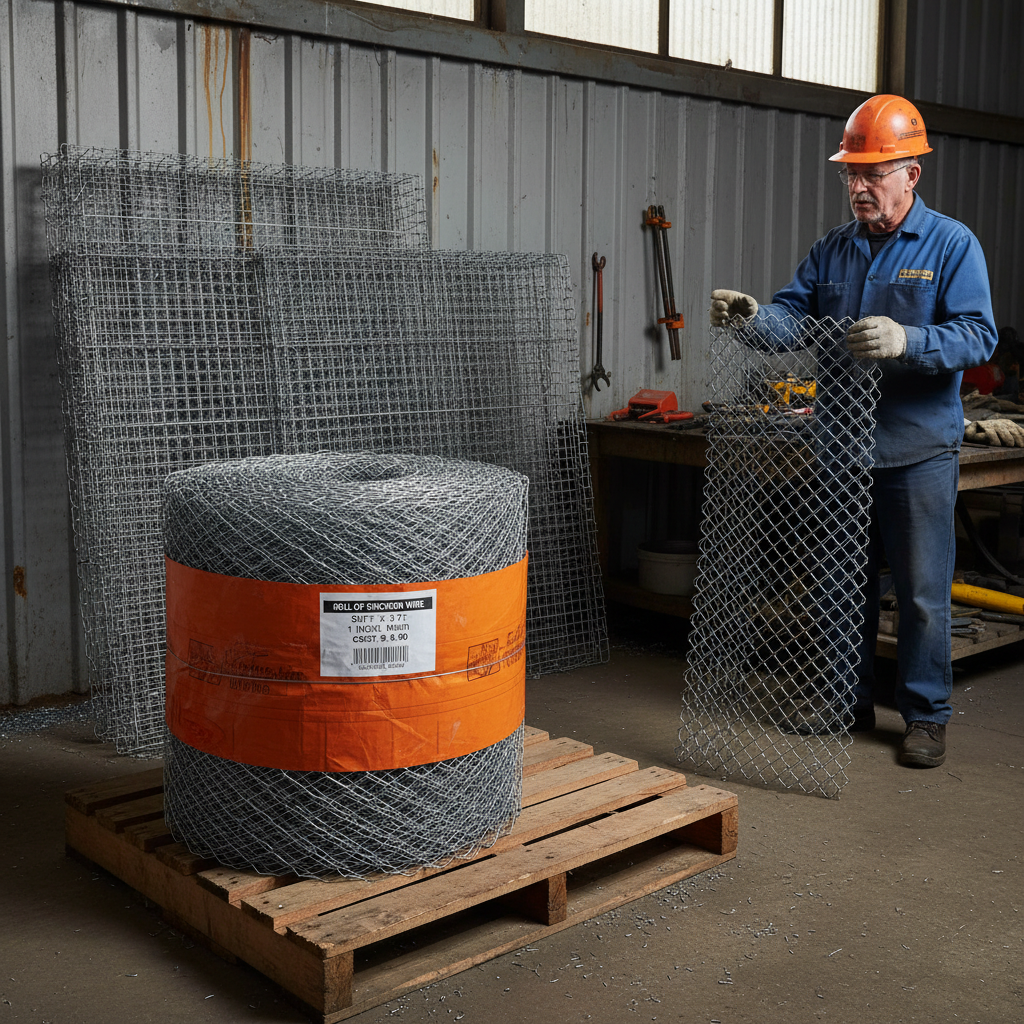
Several key factors determine the price of a roll of chicken wire. The gauge (thickness) of the wire is paramount; heavier gauges are more durable but cost more. The height and length of the roll also significantly impact price – larger rolls generally offer better value per foot. Material plays a role too. Galvanized chicken wire, offering rust resistance, is pricier than standard wire. Finally, the supplier and quantity purchased will influence the final cost. Understanding these factors allows you to compare quotes effectively and choose the best option for your project.
Key Considerations: Wire gauge, roll size, material (galvanized vs. standard), supplier, and quantity purchased all contribute to the final cost.
Typical Costs of Chicken Wire: A Breakdown
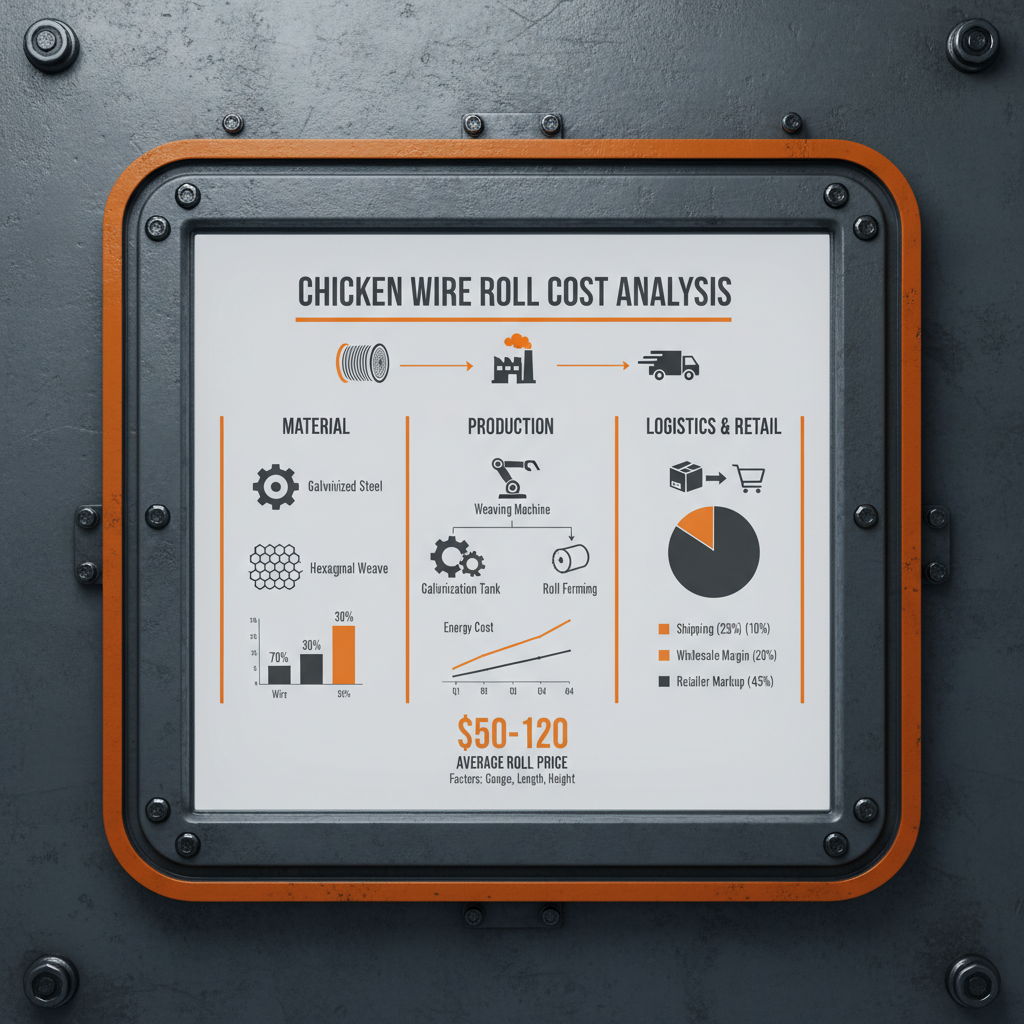
The cost of a roll of chicken wire varies widely. Here’s a general price range based on common specifications (prices are approximate and can fluctuate):
Comparing Chicken Wire Gauges: Which is Right for You?
The gauge of chicken wire refers to its thickness. Lower gauge numbers indicate thicker wire. 16-gauge wire is heavier and more robust, ideal for containing larger animals or providing stronger security. 19-gauge wire is lighter and more economical, suitable for garden fencing or smaller animal enclosures. 20-gauge wire is even lighter, best for temporary or low-security applications. Consider the intended use carefully when choosing a gauge, balancing cost with durability.
Gauge Comparison:
• 16 Gauge: Strongest, best for large animals & security.
• 19 Gauge: Good balance of strength & cost.
• 20 Gauge: Lightest, suitable for temporary fencing.
Finding the Best Deals on Chicken Wire
To get the best roll of chicken wire cost, shop around. Compare prices from multiple suppliers, including local hardware stores, farm supply stores, and online retailers. Look for bulk discounts if you need a large quantity. Consider seasonal sales and promotions. Don't forget to factor in shipping costs when comparing online prices. Peilingtech is a reliable supplier, offering competitive prices and high-quality chicken wire.
Factors to Consider When Choosing a Supplier
When selecting a supplier for your chicken wire, prioritize reliability and quality. Look for suppliers with positive customer reviews. Check their return policy in case you receive a damaged or incorrect product. Consider their shipping options and estimated delivery times. Finally, ensure the supplier offers the specific gauge, height, and length of chicken wire you require. Peilingtech provides excellent customer service and a wide selection of chicken wire options.
Conclusion: Smart Shopping for Chicken Wire
Understanding the factors that influence the roll of chicken wire cost and comparing prices from reputable suppliers like Peilingtech will empower you to make a cost-effective decision. By considering your project needs and prioritizing quality, you can ensure you get the right chicken wire at the best possible price. Don’t hesitate to request quotes and ask questions to find the perfect fit for your fencing or enclosure needs.
Frequently Asked Questions (FAQs)
What is the typical lifespan of chicken wire?
The lifespan of chicken wire depends heavily on the material and environment. Standard wire may only last a few years, especially in damp climates. Galvanized chicken wire, however, can last 10-20 years or even longer with proper maintenance. Factors like exposure to salt spray (coastal areas), abrasion, and UV radiation can shorten its lifespan. Regular inspection and repair of damaged areas are key to maximizing its longevity.
How much chicken wire do I need for a 50ft fence?
To calculate the amount of chicken wire needed, first determine the total length of the fence (50ft in this case). Then, multiply that length by the desired height of the fence. For example, a 50ft fence that is 4ft high would require approximately 200 linear feet of chicken wire. It's always a good idea to add an extra 10-15% for overlap, posts, and any necessary adjustments during installation. This ensures you have enough material to complete the project without running short.
Is galvanized chicken wire worth the extra cost?
In most cases, galvanized chicken wire is well worth the extra cost. The galvanization process coats the wire with zinc, protecting it from rust and corrosion. This significantly extends its lifespan, especially in outdoor applications. While standard wire may be cheaper upfront, you'll likely end up replacing it sooner, making galvanized wire a more cost-effective option in the long run. It's particularly important to choose galvanized wire in coastal areas or damp environments.
What tools are needed to install chicken wire?
You'll need several tools to properly install chicken wire. These include wire cutters, pliers, staples or U-nails, a staple gun (optional but recommended), tension wire and clamps, posts, and gloves for hand protection. A measuring tape and level will also be helpful to ensure a straight and even fence line. Depending on the terrain, a post hole digger might be necessary. Safety glasses are always recommended when working with wire.
-
Complete Guide to Choosing a Durable 4 foot wire fence rollNewsApr.16,2026
-
Guide to Choosing the Best Square Wire Fencing Roll for SecurityNewsApr.16,2026
-
High Quality Steel Welded Wire Rolled Fencing for Secure BoundariesNewsApr.16,2026
-
High Quality Black Fence Roll for Secure and Discreet PerimeterNewsApr.16,2026
-
Ultimate Guide to Temporary Fence Roll for Site Security and SafetyNewsApr.16,2026
-
High Quality Garden Mesh Roll Guide for Protecting Green SpaceNewsApr.09,2026