-

-
 Whatsapp:+86 17732187393
 -


Jan . 24, 2026 17:55
Back to list
Wire Mesh Security Panels: Options & Benefits
Wire Mesh Security Panels: A Practical Look
You know, after a few years in this business – industrial equipment, specifically – you start to see patterns. One of the biggest I’ve noticed lately is the increased demand for robust, yet visible security solutions. Forget the solid steel plates; increasingly, people want to be able to see what’s going on, maintain airflow, or even just avoid that completely enclosed, claustrophobic feeling. That’s where wire mesh security panels really come into their own. It’s not a new concept, of course, but the materials and engineering behind it are evolving rapidly. Frankly, it’s been interesting to watch.Understanding the Design and Materials
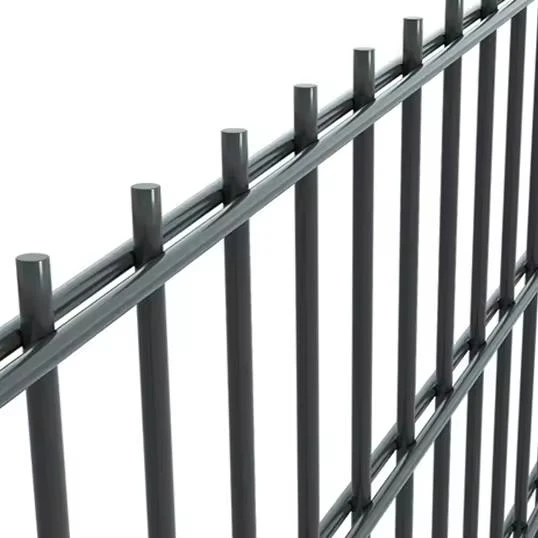
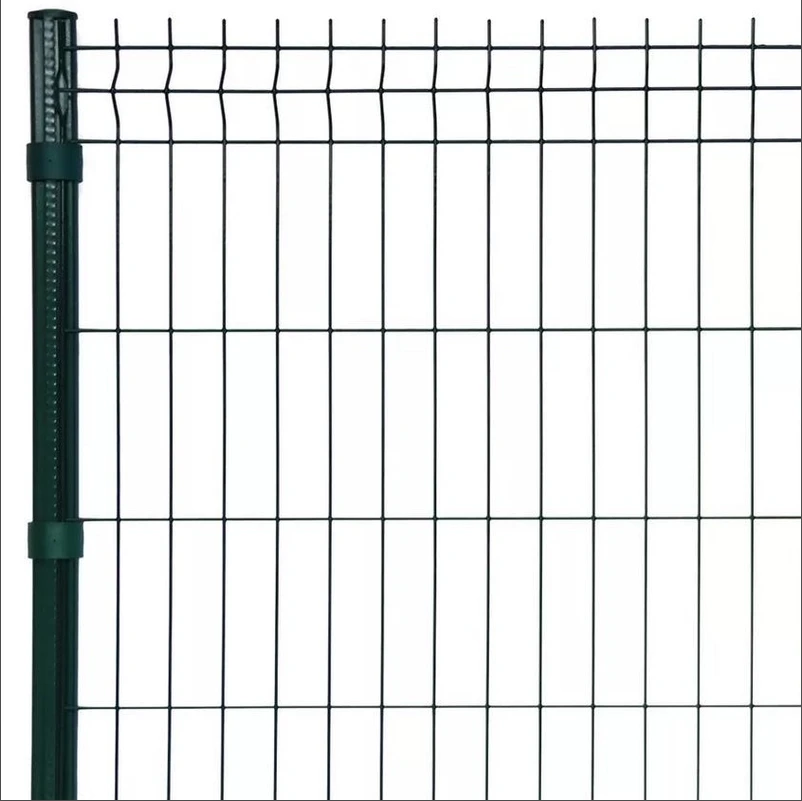
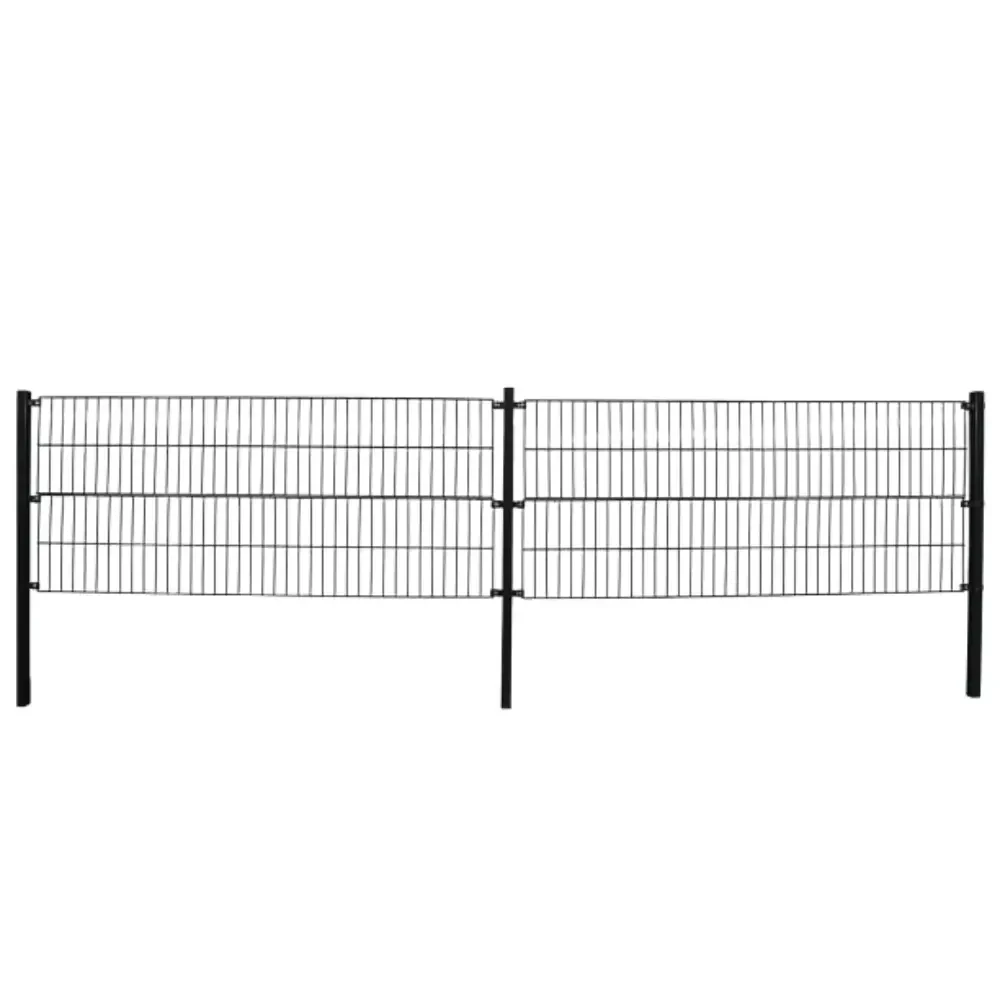
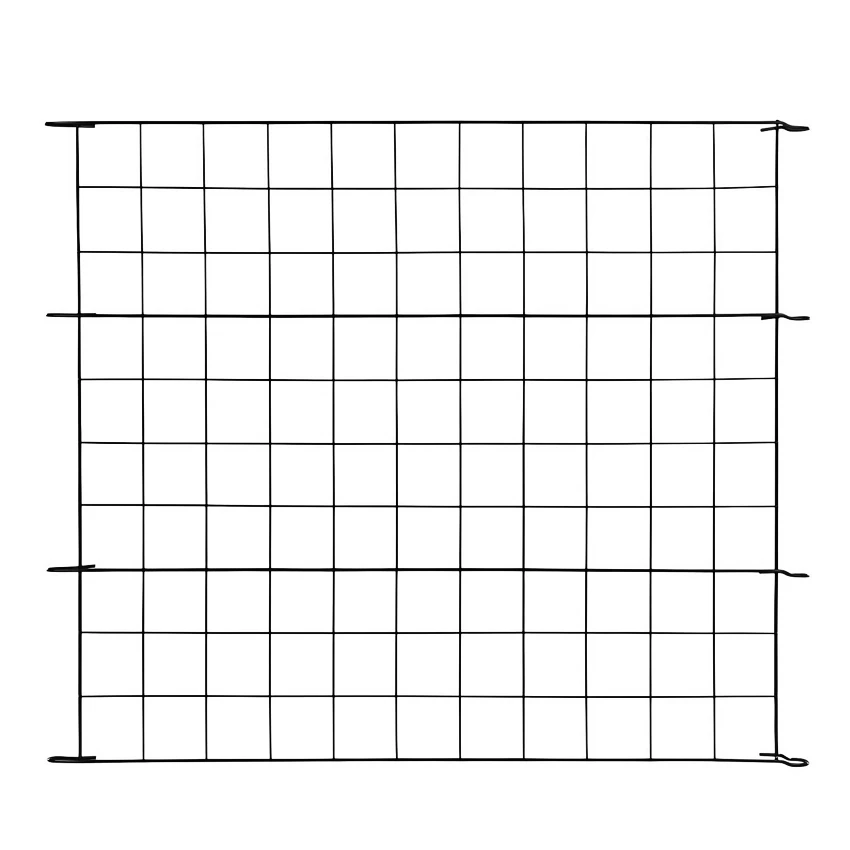
The core idea is simple: a welded wire mesh, usually steel or stainless steel, encased in a frame. But the details matter. A lot. The gauge of the wire, the aperture size (that’s the spacing between the wires), the weld quality… these all drastically impact the panel’s strength and security level. Stainless steel is, naturally, the go-to for corrosive environments, but it’s more expensive. Carbon steel, with a good powder coat, can be surprisingly durable – and cost-effective. I suppose it depends heavily on the application. We’ve been seeing a lot of interest in heavier gauge steel for data centers and warehousing, where physical security is paramount. And oddly enough, aluminum frames are becoming more popular; they're lighter weight, reducing installation headaches, although they aren’t as strong as steel. Here’s a quick look at typical specifications:| Parameter | Specification | Notes |
|---|---|---|
| Material (Mesh) | Low Carbon Steel, 304/316 Stainless Steel | Powder coat finish available |
| Mesh Aperture | 2" x 2", 1" x 1", Custom | Smaller aperture = higher security |
| Frame Material | Steel, Aluminum | Welded construction |
| Panel Thickness | Variable, typically 1"-4" | Depends on design requirements |
Vendor Landscape and Key Considerations
Choosing a vendor can be tricky. You have the large, established players, and then a lot of smaller, specialized fabricators. The bigger companies often have longer lead times and can be less flexible on customization. Smaller shops might offer quicker turnaround and more tailored solutions, but you need to be diligent about quality control. I’ve seen some… let’s just say, less-than-ideal welds coming from certain sources. It feels like a bit of a gamble sometimes. Here’s a comparison of a few key vendors – this is based on my experience and publicly available information, of course:| Vendor | Customization | Lead Time | Price Point |
|---|---|---|---|
| HKAiseal | High | 4-6 weeks | Medium-High |
| Fortress Security | Medium | 2-4 weeks | Medium |
| Local Fabricators | Very High | 1-3 weeks | Variable |
Conclusion
Ultimately, wire mesh security panels offer a compelling balance of security, visibility, and cost-effectiveness. It’s not a one-size-fits-all solution, of course, but when applied thoughtfully, it can be a really effective deterrent…and a lot less imposing than a solid wall.
References:
- Industry durability reports, HKaiseal 2023
- Maintenance strategies for conveyor equipment, Journal of Manufacturing 2022
- Personal project insights & engineer interviews 2018–2023
Previous:
Latest news
-
Complete Guide to Choosing a Durable 4 foot wire fence rollNewsApr.16,2026
-
Guide to Choosing the Best Square Wire Fencing Roll for SecurityNewsApr.16,2026
-
High Quality Steel Welded Wire Rolled Fencing for Secure BoundariesNewsApr.16,2026
-
High Quality Black Fence Roll for Secure and Discreet PerimeterNewsApr.16,2026
-
Ultimate Guide to Temporary Fence Roll for Site Security and SafetyNewsApr.16,2026
-
High Quality Garden Mesh Roll Guide for Protecting Green SpaceNewsApr.09,2026
Related Products