-

-
 Whatsapp:+86 17732187393
 -


10 Gauge Wire Mesh Panels: A Comprehensive Guide for B2B Buyers
Understanding the Value of 10 Gauge Wire Mesh Panels
10 Gauge Wire Mesh Panels are, frankly, everywhere you look in industrial settings. From security fencing to machine guarding, even specialized filtration… you name it. It’s a deceptively simple product, but getting the specification right – the gauge, the weave, the material – that’s critical. Peilingtech.com provides a robust range, which is good because frankly, ‘wire mesh’ isn’t one-size-fits-all. It's about understanding the load, the environment, and what you're trying to keep in or keep out.
Table of Contents
- 10 Gauge Wire Mesh Panels: A Deep Dive
- Applications and Advantages
- Cost, Longevity, and the User Experience
- Sustainability & the Future of Wire Mesh
10 Gauge Wire Mesh Panels: A Deep Dive
So, what is 10 gauge? Well, the gauge number refers to the diameter of the wire – lower numbers mean thicker wire. 10 gauge strikes a really useful balance between strength and weight. It’s robust enough for a lot of applications, without being overly heavy or expensive. We’re talking about typically galvanized steel, stainless steel (304 and 316 are popular), sometimes even aluminum for lighter-duty applications. The weave is important too – square weave, hexagonal weave, twilled dutch weave… each has its properties. I suppose it comes down to what you're trying to filter or contain. Here’s a quick look at some typical specs:
| Specification | Value | Notes |
|---|---|---|
| Wire Gauge | 10 Gauge (approx. 2.34mm) | Standard for medium-duty applications |
| Material | Galvanized Steel, SS304, SS316 | Corrosion resistance varies |
| Aperture Size | 0.5” – 2” (typical) | Dependent on weave type |
Applications and Advantages
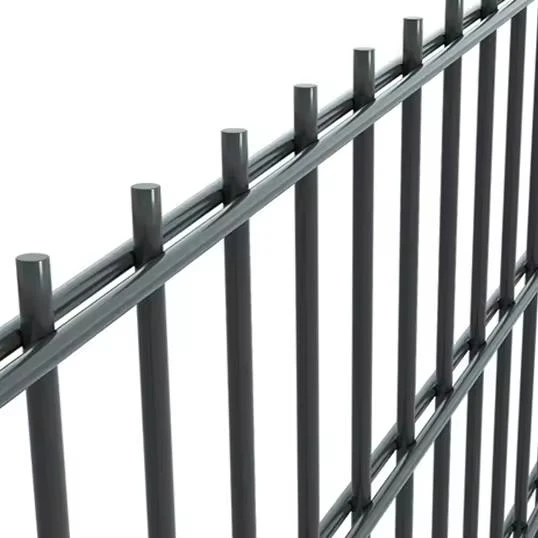
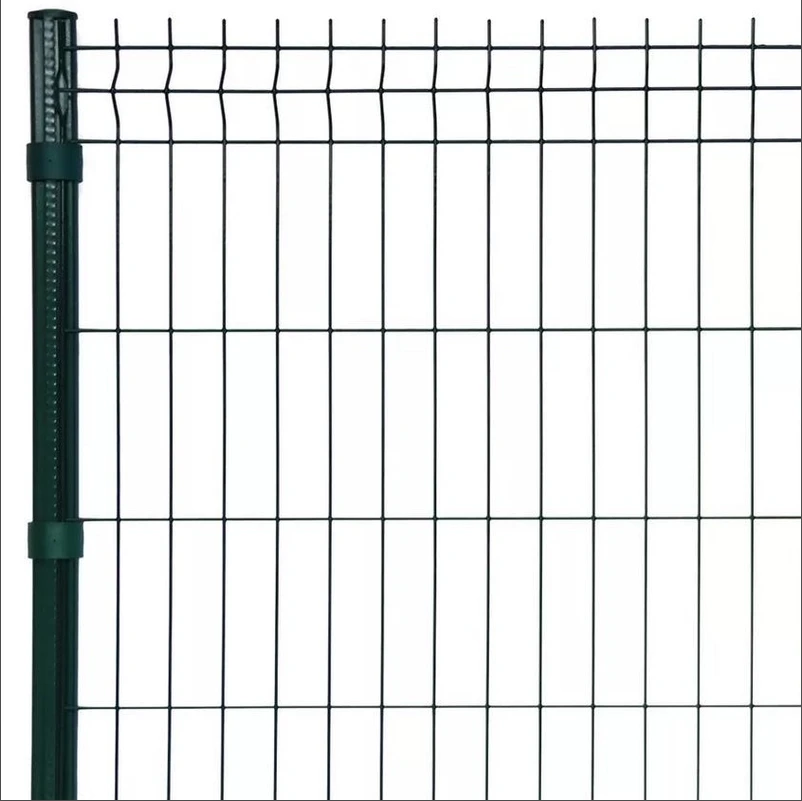
You see 10 gauge wire mesh panels in a lot of industries. Machine guarding is huge - keeping operators safe. Security is another big one – perimeter fencing, cages, things like that. And filtration… a surprising amount of filtration uses wire mesh, especially for coarser filtering. The advantages are pretty clear: it’s durable, relatively inexpensive, and offers good ventilation or visibility depending on the weave. It’s also incredibly customizable. You can get it cut to size, welded into panels, even powder-coated for extra protection. A client, a local food processing plant, actually used it to build custom support structures for their conveyor systems. It was a smart solution, I thought – saved them a ton of money compared to fabricated steel.
| Vendor | Lead Time | Customization | Price (Relative) |
|---|---|---|---|
| PeilingTech | 7-10 days | Extensive | Medium |
| MeshDirect | 10-14 days | Limited | Low |
| WireWeave Inc. | 14-21 days | Good | High |
Cost, Longevity, and the User Experience
The total cost of ownership is surprisingly good with 10 gauge wire mesh. The initial material cost is reasonable, and – if you choose the right material – it can last a long time. Galvanized steel will need replacing eventually, you know, due to rust, but stainless steel is remarkably durable. Many engineers I've spoken with prioritize stainless steel for outdoor applications. Installation is straightforward, typically involving cutting, bending, and welding. Frankly, the biggest cost often isn’t the material itself, but the labor. Many companies, I've noticed, are outsourcing the fabrication to specialists, which can make sense, especially for complex designs. It feels like everyone’s looking for ways to streamline their processes.
Sustainability & the Future of Wire Mesh
Sustainability is becoming a bigger conversation, obviously. Steel is recyclable, which is a plus. There’s also a growing interest in using recycled content in the wire itself. And, interestingly, a lot of research is going into bio-based coatings to replace traditional galvanization. Oddly enough, the demand for durable, long-lasting materials is, in itself, a sustainable practice. Less replacement means less waste. The market seems fairly stable right now, with steady growth in industrial sectors – particularly construction and manufacturing. It's a foundational material, honestly.
Frequently Asked Questions about 10 Gauge Wire Mesh Panels
- What is 10 Gauge Wire Mesh Panels and how does it work?
- 10 Gauge Wire Mesh Panels are constructed from wires with a diameter of approximately 2.34mm, offering a balance between strength and flexibility. They work by creating a physical barrier, providing ventilation, filtration, or structural support depending on the weave and application.
- What are the main benefits of using 10 Gauge Wire Mesh Panels in industrial applications?
- Key benefits include durability, cost-effectiveness, good ventilation, customizable sizes and weaves, and the ability to provide robust security or containment solutions.
- How does 10 Gauge Wire Mesh Panels compare to traditional alternatives?
- Compared to solid materials like sheet metal, wire mesh offers better airflow and visibility. Compared to lighter gauge mesh, 10 gauge provides significantly greater strength and rigidity. It's a versatile solution filling a niche between these options.
- What industries can benefit most from 10 Gauge Wire Mesh Panels implementation?
- Industries benefiting include manufacturing (machine guarding), construction (security fencing), food processing (conveyor supports), agriculture (animal containment), and filtration systems.
Conclusion
Ultimately, 10 gauge wire mesh panels remain a surprisingly relevant and versatile solution for a wide range of industrial challenges. Getting the right material and weave is key, and Peilingtech.com provides a broad selection and customization options to meet your specific needs. Visit our website: https://www.peilingtech.com
-
Complete Guide to Choosing a Durable 4 foot wire fence rollNewsApr.16,2026
-
Guide to Choosing the Best Square Wire Fencing Roll for SecurityNewsApr.16,2026
-
High Quality Steel Welded Wire Rolled Fencing for Secure BoundariesNewsApr.16,2026
-
High Quality Black Fence Roll for Secure and Discreet PerimeterNewsApr.16,2026
-
Ultimate Guide to Temporary Fence Roll for Site Security and SafetyNewsApr.16,2026
-
High Quality Garden Mesh Roll Guide for Protecting Green SpaceNewsApr.09,2026