-

-
 Whatsapp:+86 17732187393
 -


Comprehensive Guide to Chicken Mesh Roll Price and Optimal Applications
Understanding Chicken Mesh Roll Price and Applications
When sourcing materials for poultry farming, animal containment, or industrial applications, chicken mesh roll price is a key consideration. The cost can fluctuate based on gauge, mesh size, material, and quantity. This guide provides an in-depth look at factors influencing pricing, common applications, and where to find competitive rates. Selecting the right mesh is vital for efficiency, animal welfare, and long-term durability.
Factors Influencing Chicken Mesh Roll Price
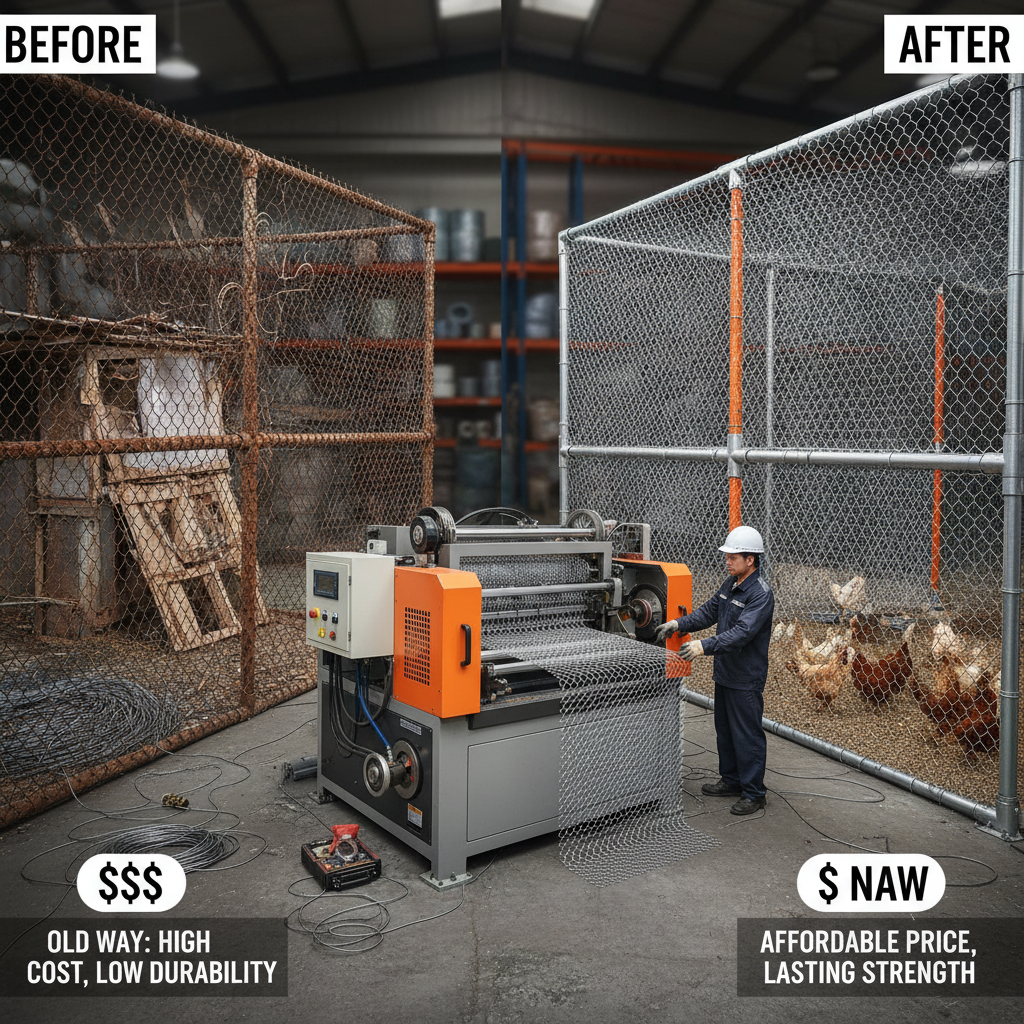
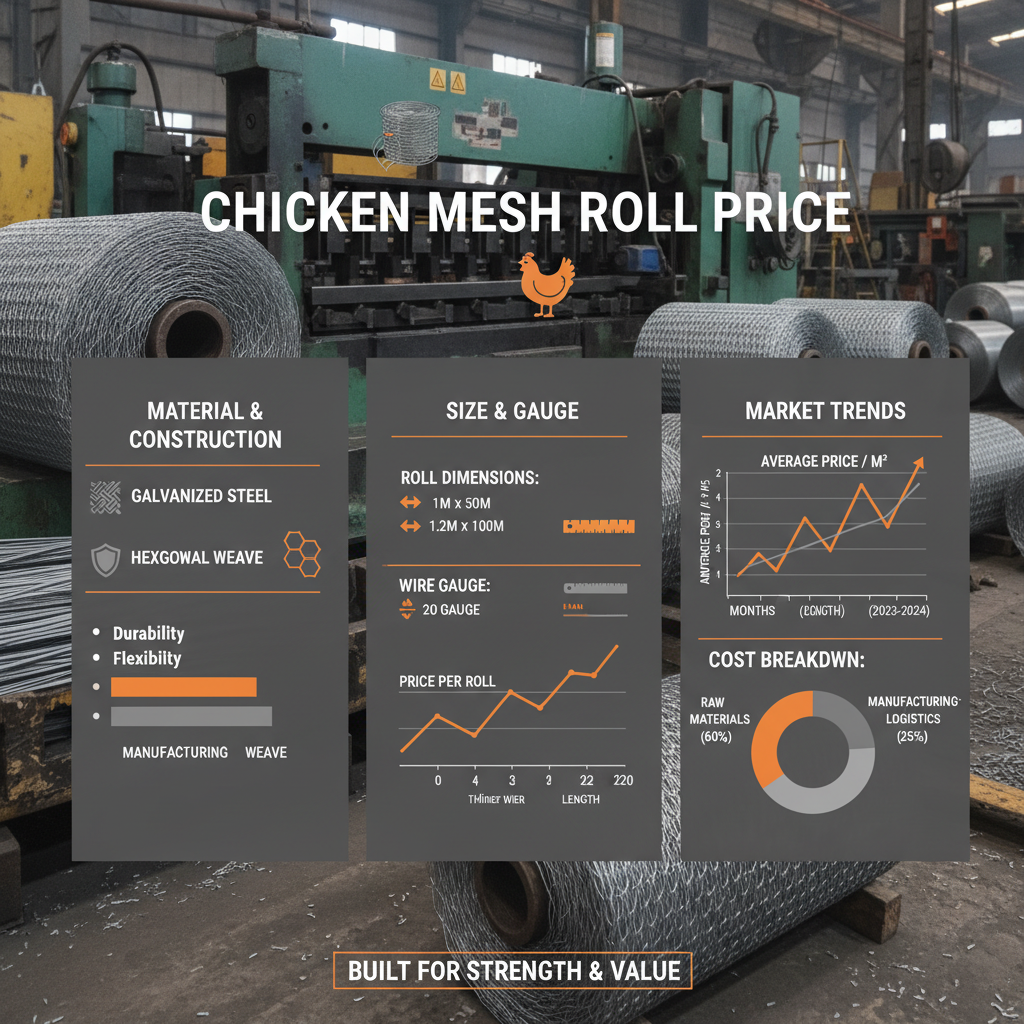
Several elements contribute to the overall chicken mesh roll price. The gauge (wire thickness) is a primary factor – heavier gauge mesh is more durable and expensive. Mesh size, or the spacing between wires, also impacts price; smaller mesh sizes typically cost more due to increased material usage. The material itself, commonly galvanized steel, PVC-coated steel, or stainless steel, significantly affects the cost, with stainless steel being the most expensive but also the most corrosion-resistant. Finally, quantity purchased plays a large role; bulk orders almost always receive discounted pricing.
Key Highlights: Gauge, mesh size, material, and order quantity all affect the cost. Higher quality materials and smaller mesh sizes generally lead to a higher price point.
Common Applications of Chicken Mesh
Chicken mesh rolls are incredibly versatile and used in a wide range of applications. Poultry farming is the most well-known, utilizing the mesh for constructing chicken coops and runs to provide secure containment. It’s also commonly used for rabbit hutches, protecting gardens from pests, creating animal cages, and even in industrial settings for safety guarding and filtration. The ease of cutting and shaping makes it adaptable to numerous project requirements.
Application Examples:
• Poultry Enclosures
• Rabbit Hutches
• Garden Pest Protection
• Animal Cages
• Industrial Safety Guarding
Chicken Mesh Roll Price: A Comparison of Materials
The choice of material directly impacts the chicken mesh roll price. Galvanized steel offers a balance of cost and corrosion resistance, while PVC-coated steel provides enhanced protection against rust and chemicals. Stainless steel is the most durable and corrosion-resistant but carries a significantly higher price tag. Understanding these trade-offs is crucial for selecting the optimal material for your specific needs and budget.
Note: Prices are estimates and vary by supplier and order volume.Where to Find Competitive Chicken Mesh Roll Prices
Sourcing from reputable suppliers is essential for obtaining quality mesh at a reasonable price. Online marketplaces, direct manufacturers like PeilingTech, and local agricultural supply stores are all potential sources. Comparing quotes from multiple vendors is highly recommended to ensure you’re getting the best deal. Consider shipping costs and lead times when evaluating different options.
Factors to Consider Beyond Price
While chicken mesh roll price is a significant factor, prioritize quality and durability. Cheap mesh may degrade quickly, requiring more frequent replacements and ultimately costing more in the long run. Ensure the mesh meets the specific requirements of your application, considering the animals involved and the environmental conditions. Choosing a reliable supplier who offers excellent customer service and support is also crucial.
Conclusion: Finding the Best Value in Chicken Mesh
Ultimately, the best value in chicken mesh comes from balancing price with quality, durability, and the specific needs of your project. Researching different materials, comparing quotes, and selecting a reputable supplier will ensure you get the best possible outcome for your investment.
Frequently Asked Questions (FAQs)
What is the typical roll length of chicken mesh?
Chicken mesh rolls commonly come in lengths of 50 feet and 100 feet, although other lengths may be available depending on the supplier. The width of the roll is also variable, with common widths being 2 feet, 3 feet, and 4 feet. It’s essential to accurately measure the area you need to cover to determine the appropriate roll length and width to minimize waste.
How do I cut and install chicken mesh safely?
Always wear gloves and safety glasses when cutting chicken mesh to protect your hands and eyes from sharp edges. Use wire cutters or heavy-duty scissors for clean cuts. To install, unroll the mesh and secure it using staples, screws, or zip ties, ensuring it's taut and properly supported. Avoid stretching the mesh excessively, as this can distort the weave.
What mesh size is best for containing small chicks?
For containing small chicks, a mesh size of ½ inch or smaller is recommended. This prevents the chicks from escaping through the gaps. Larger mesh sizes may be suitable for older chickens, but smaller chicks can easily slip through, potentially leading to injury or loss. It is always best to prioritize safety and choose the smallest feasible mesh size.
-
Complete Guide to Choosing a Durable 4 foot wire fence rollNewsApr.16,2026
-
Guide to Choosing the Best Square Wire Fencing Roll for SecurityNewsApr.16,2026
-
High Quality Steel Welded Wire Rolled Fencing for Secure BoundariesNewsApr.16,2026
-
High Quality Black Fence Roll for Secure and Discreet PerimeterNewsApr.16,2026
-
Ultimate Guide to Temporary Fence Roll for Site Security and SafetyNewsApr.16,2026
-
High Quality Garden Mesh Roll Guide for Protecting Green SpaceNewsApr.09,2026