-

-
 Whatsapp:+86 17732187393
 -


Comprehensive Guide to Chicken Wire Mesh Roll Price and Purchasing Options
Chicken Wire Mesh Roll Price: A Comprehensive Guide
Understanding the chicken wire mesh roll price can be crucial for successful projects in agriculture, construction, and DIY endeavors. This article breaks down the factors that influence pricing, explores different types of chicken wire, and offers insights into getting the best value for your investment. Whether you need it for poultry fencing, garden protection, or crafting, we'll cover everything you need to know. We will explore the current market trends, typical price ranges, and strategies to ensure you secure a competitive rate.
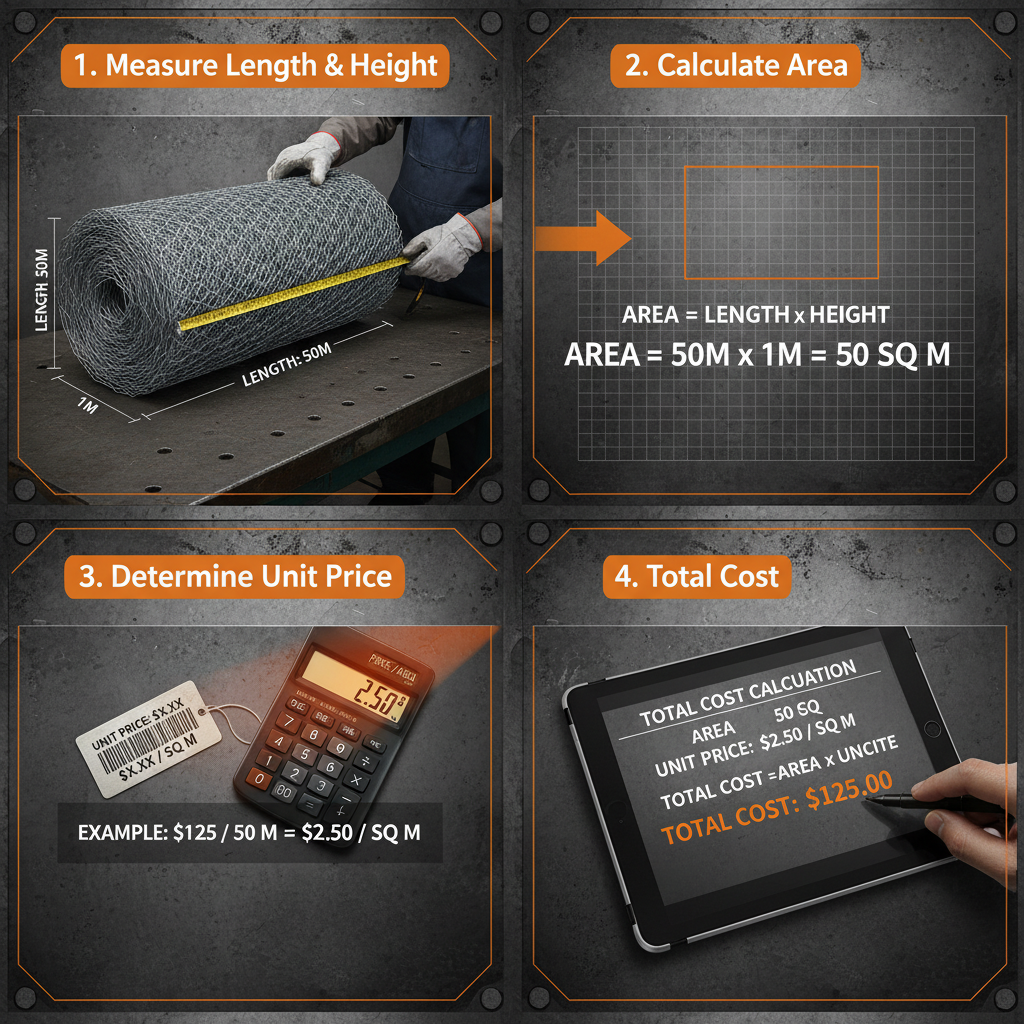
Factors Influencing Chicken Wire Mesh Roll Price
Several key factors determine the chicken wire mesh roll price. Firstly, the gauge (wire thickness) significantly impacts the cost – heavier gauges are more durable but more expensive. Secondly, the mesh size, determined by the spacing between the wires, affects pricing; smaller mesh sizes require more material and therefore cost more. The length of the roll is another obvious factor, with larger rolls generally offering a lower price per foot. Finally, material quality, galvanization type (standard or heavy-duty), and supplier location all play a role. Demand and supply dynamics also contribute to price fluctuations. Understanding these factors will empower you to make an informed purchasing decision.
Key Highlights: Price is affected by gauge, mesh size, roll length, material quality, galvanization, supplier, and current market demand.
Understanding Chicken Wire Gauges and Mesh Sizes
The gauge of chicken wire refers to the thickness of the wire used in its construction. Lower gauge numbers indicate thicker, more robust wire. Common gauges range from 16 to 22. For example, 19-gauge chicken wire is a popular all-purpose choice. Mesh size, measured in inches, refers to the distance between the wires. Common mesh sizes include 1/2 inch, 1 inch, and 2 inch. Smaller mesh sizes are ideal for containing smaller animals or preventing pest intrusion, while larger mesh sizes are suitable for larger animals and general-purpose fencing. The appropriate gauge and mesh size depend on your specific needs and the animals or pests you are trying to contain or exclude. Choosing the right combination optimizes both cost and effectiveness.
Gauge and Mesh Size Guide:
• 16-gauge: Heavy-duty, for predator control.
• 19-gauge: All-purpose, good for poultry and general fencing.
• 20-gauge: Lightweight, suitable for garden protection.
• 22-gauge: Economical, for non-critical applications.
• 1/2 inch mesh: Keeps out small pests.
• 1 inch mesh: Common for poultry.
• 2 inch mesh: General-purpose fencing.
Current Chicken Wire Mesh Roll Price Ranges (2024)
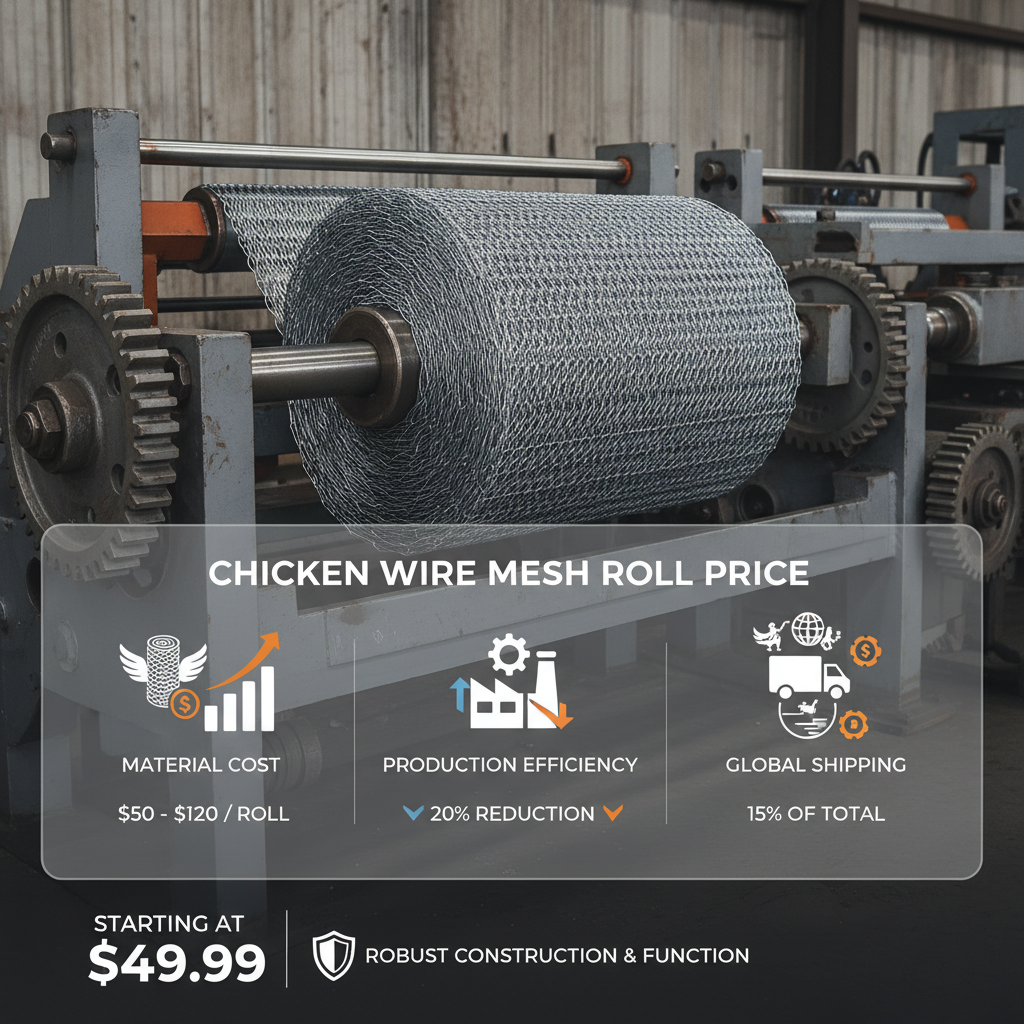
As of late 2024, the chicken wire mesh roll price varies based on the factors mentioned earlier. Here’s a general overview of price ranges (these are estimates and can change):
Tips for Getting the Best Price on Chicken Wire
To secure the most competitive chicken wire mesh roll price, consider the following: Compare quotes from multiple suppliers, including online retailers and local hardware stores. Buy in bulk if possible, as larger quantities often qualify for discounts. Look for seasonal sales or promotions. Don't hesitate to negotiate, especially for large orders. Consider the shipping costs, as these can significantly impact the overall price. Finally, evaluate the quality of the galvanization – heavier galvanization provides better rust protection and a longer lifespan, justifying a slightly higher upfront cost.
Choosing the Right Supplier: Peiling Tech
When sourcing chicken wire, choosing a reputable supplier is essential. Peiling Tech offers a wide range of high-quality chicken wire mesh rolls at competitive prices. We pride ourselves on fast shipping, excellent customer service, and a commitment to providing durable, reliable products. We also provide expert advice to help you select the perfect chicken wire for your specific application.
Conclusion: Making an Informed Chicken Wire Purchase
By understanding the factors that influence the chicken wire mesh roll price and following the tips outlined in this article, you can confidently make an informed purchase that meets your needs and budget. Remember to prioritize quality and choose a reputable supplier like Peiling Tech for a reliable and long-lasting solution.
Frequently Asked Questions (FAQs)
What is the difference between galvanized and PVC-coated chicken wire?
Galvanized chicken wire is coated with zinc to protect against rust. It's a cost-effective option for many applications. PVC-coated chicken wire has an additional layer of polyvinyl chloride (PVC) over the galvanization, offering superior corrosion resistance and a longer lifespan. While more expensive, PVC coating is ideal for environments with high humidity or exposure to corrosive substances, such as saltwater. The choice depends on your budget and the severity of the environmental conditions.
How do I install chicken wire correctly?
Proper installation ensures the chicken wire effectively serves its purpose. Start by stretching the wire tautly between posts. Use staples or wire ties to secure the wire to the posts, spacing them approximately 6-12 inches apart. Overlap the edges of the wire by a few inches for added strength. For ground-level fencing, bury the bottom edge of the wire a few inches to prevent animals from digging underneath. Wear gloves and eye protection during installation to prevent injuries.
What are the common uses for chicken wire?
Chicken wire has a wide array of applications. It’s commonly used for poultry fencing, protecting gardens from pests, creating crafts, supporting climbing plants, building cages, and even as a base for plastering. Its versatility and affordability make it a popular choice for both agricultural and DIY projects.
How can I prevent chicken wire from rusting?
While galvanized chicken wire offers rust protection, it can still rust over time, especially in harsh environments. Applying a rust-inhibiting paint or coating can extend its lifespan. For even greater protection, opt for PVC-coated chicken wire. Regularly inspect the wire for signs of rust and address any issues promptly. Proper storage in a dry environment will also help prevent corrosion.
-
Complete Guide to Choosing a Durable 4 foot wire fence rollNewsApr.16,2026
-
Guide to Choosing the Best Square Wire Fencing Roll for SecurityNewsApr.16,2026
-
High Quality Steel Welded Wire Rolled Fencing for Secure BoundariesNewsApr.16,2026
-
High Quality Black Fence Roll for Secure and Discreet PerimeterNewsApr.16,2026
-
Ultimate Guide to Temporary Fence Roll for Site Security and SafetyNewsApr.16,2026
-
High Quality Garden Mesh Roll Guide for Protecting Green SpaceNewsApr.09,2026