-

-
 Whatsapp:+86 17732187393
 -


Comprehensive Guide to Chicken Wire Price Per Roll and Purchasing Options
Understanding the Chicken Wire Price Per Roll: A Comprehensive Guide
When considering fencing solutions for agricultural, industrial, or home projects, chicken wire is often a cost-effective and versatile choice. Understanding the chicken wire price per roll is crucial for budgeting and making informed purchasing decisions. This article will delve into the factors influencing the price, typical price ranges, quality considerations, and where to find competitive pricing. We will also explore different roll sizes and their corresponding costs, helping you navigate the market effectively.
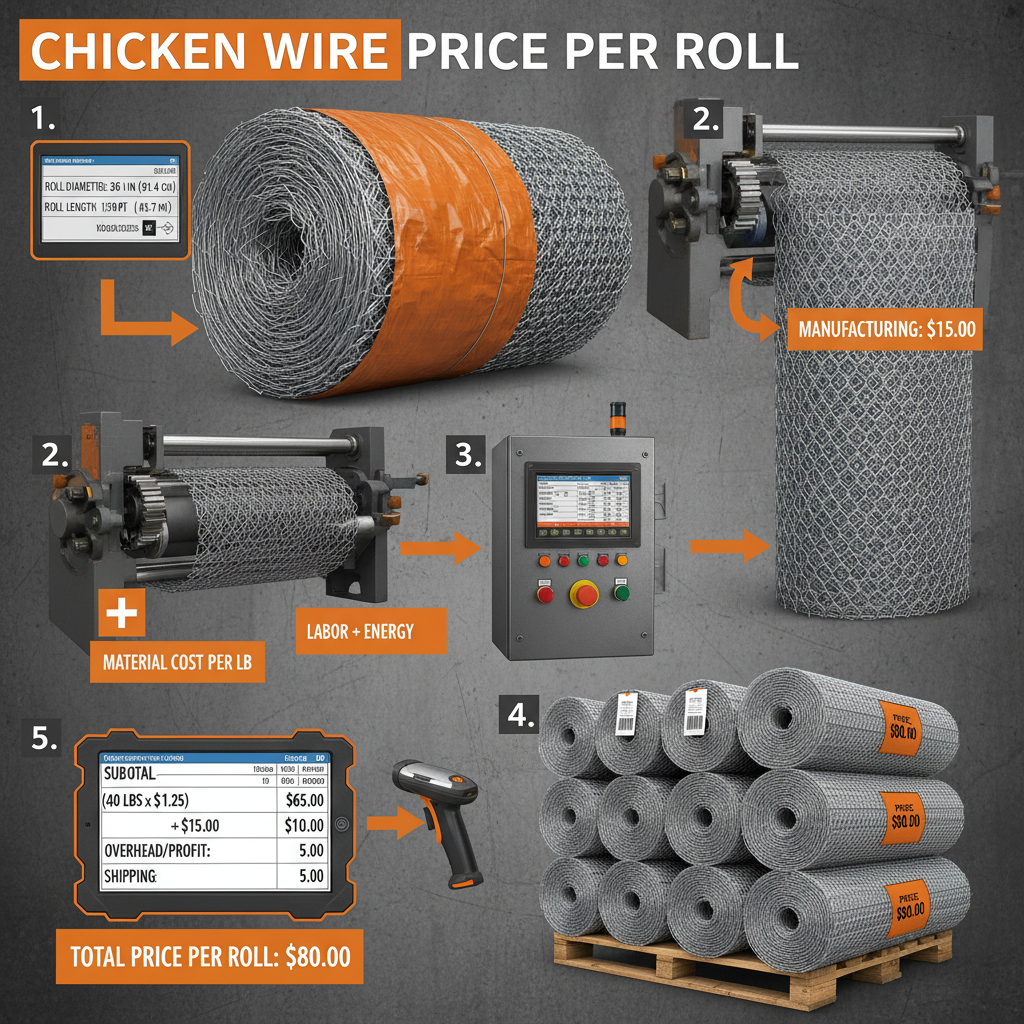
Factors Influencing Chicken Wire Price Per Roll
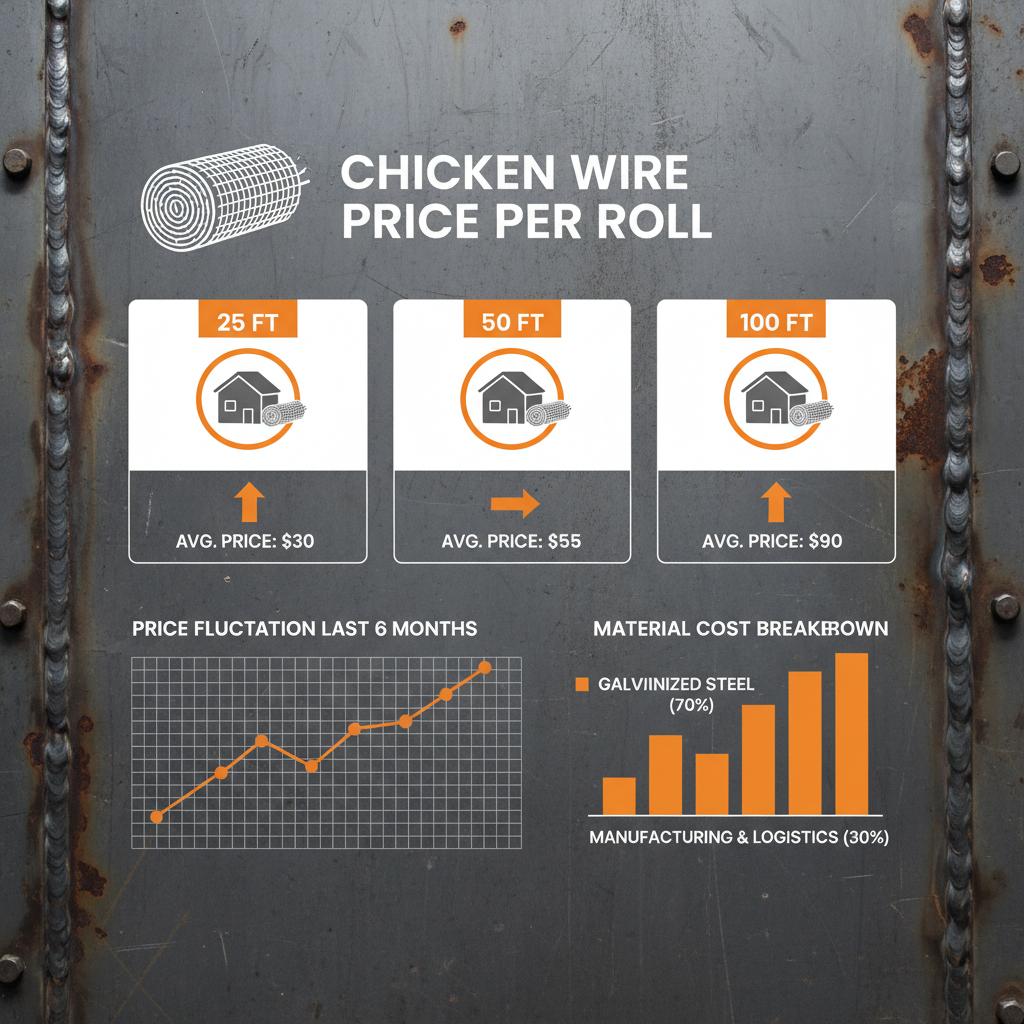
Several key factors dictate the chicken wire price per roll. The gauge (wire thickness) is a primary determinant – thicker wire generally commands a higher price due to increased material costs and durability. The mesh size (distance between the wires) also plays a role, with smaller mesh sizes requiring more wire and thus costing more. Furthermore, the roll length significantly impacts the price; longer rolls often offer a slightly lower price per foot. Coating type (galvanized, vinyl-coated) affects price as well, with vinyl-coated wire being more expensive due to its enhanced corrosion resistance. Finally, manufacturer, supplier, and overall market demand also contribute to price fluctuations.
Typical Chicken Wire Price Ranges by Roll Size
The chicken wire price varies substantially depending on roll size. Here's a general overview (prices are approximate and subject to change based on market conditions and supplier):
Galvanized vs. Vinyl-Coated: A Cost-Benefit Comparison
When selecting chicken wire, you'll encounter two primary coating options: galvanized and vinyl-coated. Galvanized wire is more affordable initially, offering a zinc coating for rust protection. However, the zinc coating can eventually corrode, especially in harsh environments. Vinyl-coated wire is more expensive upfront but provides superior corrosion resistance and a longer lifespan. This makes it a cost-effective choice in the long run, particularly for applications exposed to moisture or chemicals. Consider your project's longevity and environmental conditions when choosing the appropriate coating.
Key Considerations: Galvanized wire is budget-friendly, while vinyl-coated wire provides superior durability and long-term cost savings.
Where to Buy Chicken Wire at Competitive Prices
Finding competitive chicken wire prices requires comparison shopping. Online retailers like Amazon, and specialty fencing suppliers offer a wide selection. Local farm supply stores and hardware stores are also viable options, particularly for smaller quantities. Peiling Tech is a reputable supplier known for its quality products and competitive pricing. Don’t forget to factor in shipping costs when comparing prices from different vendors.
Tips for Saving Money on Chicken Wire Purchases
Several strategies can help you save money on your chicken wire purchase. Buying in bulk often results in lower prices per roll. Look for seasonal sales and discounts offered by suppliers. Consider using a slightly thinner gauge wire if your application doesn't require heavy-duty protection. Compare prices from multiple vendors before making a decision. Finally, factor in the cost of any necessary accessories, such as staples or fasteners, when calculating the total project cost.
Conclusion: Making Informed Decisions About Chicken Wire Pricing
Understanding the factors that influence the chicken wire price per roll is vital for successful project planning. By considering gauge, mesh size, coating type, and supplier options, you can make an informed decision that balances cost and quality. Peiling Tech offers a wide range of chicken wire products at competitive prices. Choose wisely and ensure your project benefits from a reliable and cost-effective fencing solution.
Frequently Asked Questions (FAQs)
What is the most common gauge of chicken wire used for poultry fencing?
For poultry fencing, 20-gauge chicken wire is generally considered the most common and effective choice. It offers a good balance between cost, durability, and the ability to contain most poultry breeds. While heavier gauges like 19-gauge provide increased strength and are suitable for larger birds or areas prone to predator attacks, they come at a higher price point. 21-gauge wire is a more economical option, but may not be as durable or effective against determined predators. It’s crucial to assess the specific needs of your flock and the potential risks in your area when selecting the appropriate gauge.
How much chicken wire do I need for a 100ft run of fencing?
The amount of chicken wire you need for a 100ft run depends on the desired height of the fence. For example, a 3ft high fence would require 300 linear feet of chicken wire (100ft x 3ft). However, it's always wise to add extra for overlaps at posts, gate openings, and potential waste. A good rule of thumb is to add at least 10-15% extra to your calculation. So, for a 3ft fence, you should purchase approximately 330-345 linear feet of chicken wire. You may need multiple rolls to reach this total.
What is the difference between hex and square mesh chicken wire?
The primary difference lies in the shape of the openings. Hex mesh (hexagonal) is the more traditional and commonly used type of chicken wire. It offers greater flexibility and is easier to work with. Square mesh has openings in a square pattern and is often slightly more rigid. While both types serve similar purposes, hex mesh is generally preferred for animal containment due to its forgiving nature and ability to conform to uneven surfaces. Square mesh may be better suited for applications requiring a more structured and uniform appearance.
Can chicken wire be used for garden trellises?
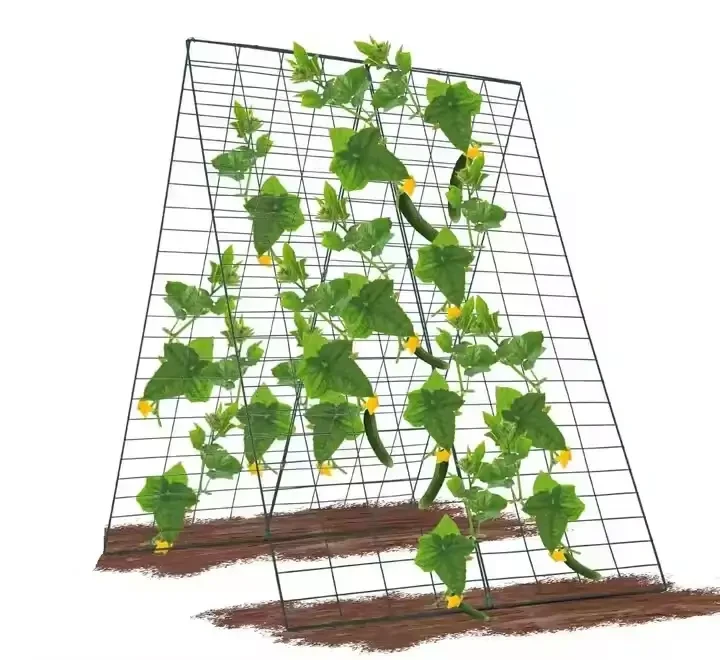
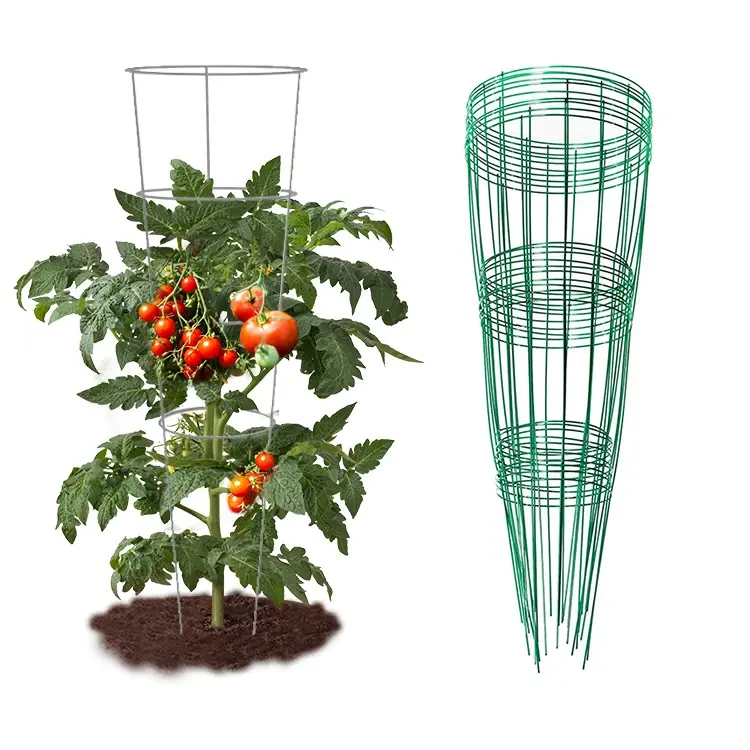
Yes, chicken wire is an excellent and affordable material for creating garden trellises. Its open mesh structure provides support for climbing plants like beans, peas, cucumbers, and tomatoes. However, ensure you use galvanized chicken wire to prevent rust and corrosion, especially if it will be exposed to moisture. The wire can be attached to wooden or metal posts to create a sturdy trellis structure. Be mindful of the mesh size – smaller mesh is better for supporting smaller, delicate vines, while larger mesh is suitable for heavier plants.
-
Complete Guide to Choosing a Durable 4 foot wire fence rollNewsApr.16,2026
-
Guide to Choosing the Best Square Wire Fencing Roll for SecurityNewsApr.16,2026
-
High Quality Steel Welded Wire Rolled Fencing for Secure BoundariesNewsApr.16,2026
-
High Quality Black Fence Roll for Secure and Discreet PerimeterNewsApr.16,2026
-
Ultimate Guide to Temporary Fence Roll for Site Security and SafetyNewsApr.16,2026
-
High Quality Garden Mesh Roll Guide for Protecting Green SpaceNewsApr.09,2026