-

-
 Whatsapp:+86 17732187393
 -


Comprehensive Guide to Chicken Wire Roll Price Factors and Market Trends
Understanding the Chicken Wire Roll Price: A Comprehensive Guide
When planning fencing, gardening, or construction projects, understanding the chicken wire roll price is crucial for budgeting and ensuring you get the best value. This article provides an in-depth look at the factors influencing chicken wire costs, current market trends, and tips for finding competitive pricing. We'll cover everything from material grade to roll length and gauge, helping you make an informed purchasing decision. Peilingtech is dedicated to providing high-quality chicken wire at competitive prices.
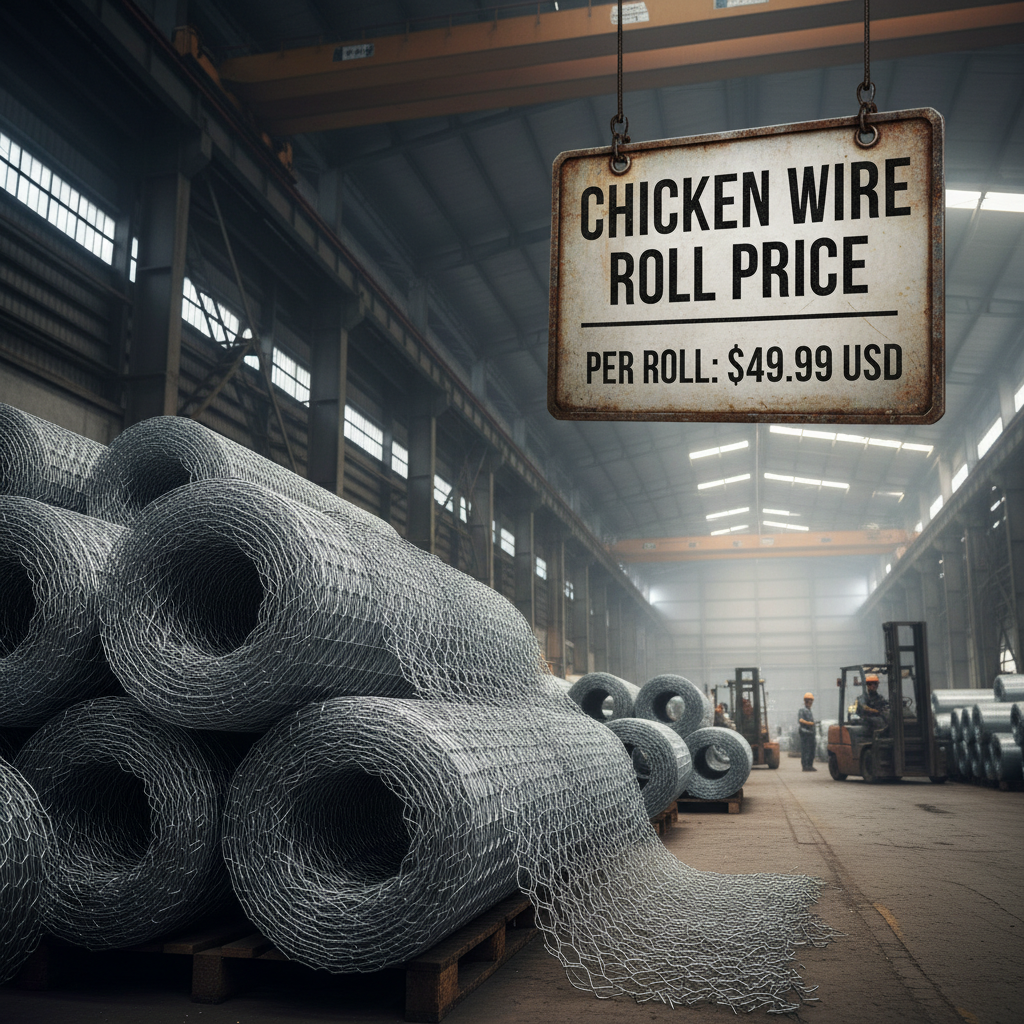
Factors Influencing Chicken Wire Roll Price
Several key factors contribute to the overall chicken wire roll price. These include the gauge (thickness) of the wire, the mesh size (the size of the openings), the coating type, and the roll length. Thicker gauge wire is more durable and therefore more expensive. Smaller mesh sizes require more wire and increase production costs. The type of coating, such as galvanized or PVC, impacts the wire's resistance to corrosion and also influences the price. Finally, longer rolls generally offer a lower price per foot compared to shorter rolls.
Key Highlights: Price is significantly affected by wire gauge, mesh size, coating, and roll length. Understanding these factors helps you choose the most cost-effective option for your project.
Chicken Wire Roll Price: A Breakdown by Gauge and Coating
The gauge of the chicken wire determines its strength and durability. Common gauges range from 19 to 23. Lower numbers indicate thicker wire. The coating also plays a role. Galvanized chicken wire is the most common and affordable option, providing decent corrosion resistance. PVC coated chicken wire offers superior protection against rust and is ideal for long-term outdoor applications but comes at a higher cost. Here’s a general price range, but remember these fluctuate with market conditions.
Comparing Suppliers: Finding the Best Chicken Wire Roll Price
The chicken wire roll price can vary significantly between suppliers. It's essential to compare quotes from multiple sources to find the best deal. Consider factors beyond just the price per roll, such as shipping costs, minimum order quantities, and the supplier's reputation for quality and customer service. Peilingtech offers competitive pricing and fast, reliable shipping.
Tips for Finding the Best Price:
• Get quotes from at least three different suppliers.
• Inquire about bulk discounts.
• Factor in shipping costs to the final price.
• Read customer reviews to assess supplier reliability.
The Impact of Roll Length on Chicken Wire Roll Price
Generally, purchasing longer rolls of chicken wire results in a lower price per foot. This is because suppliers can streamline production and reduce handling costs with larger rolls. Common roll lengths include 50ft, 100ft, and 200ft. Consider your project's total length requirement when deciding which roll length to purchase. While a larger roll might have a higher upfront cost, the per-foot price is often significantly lower.
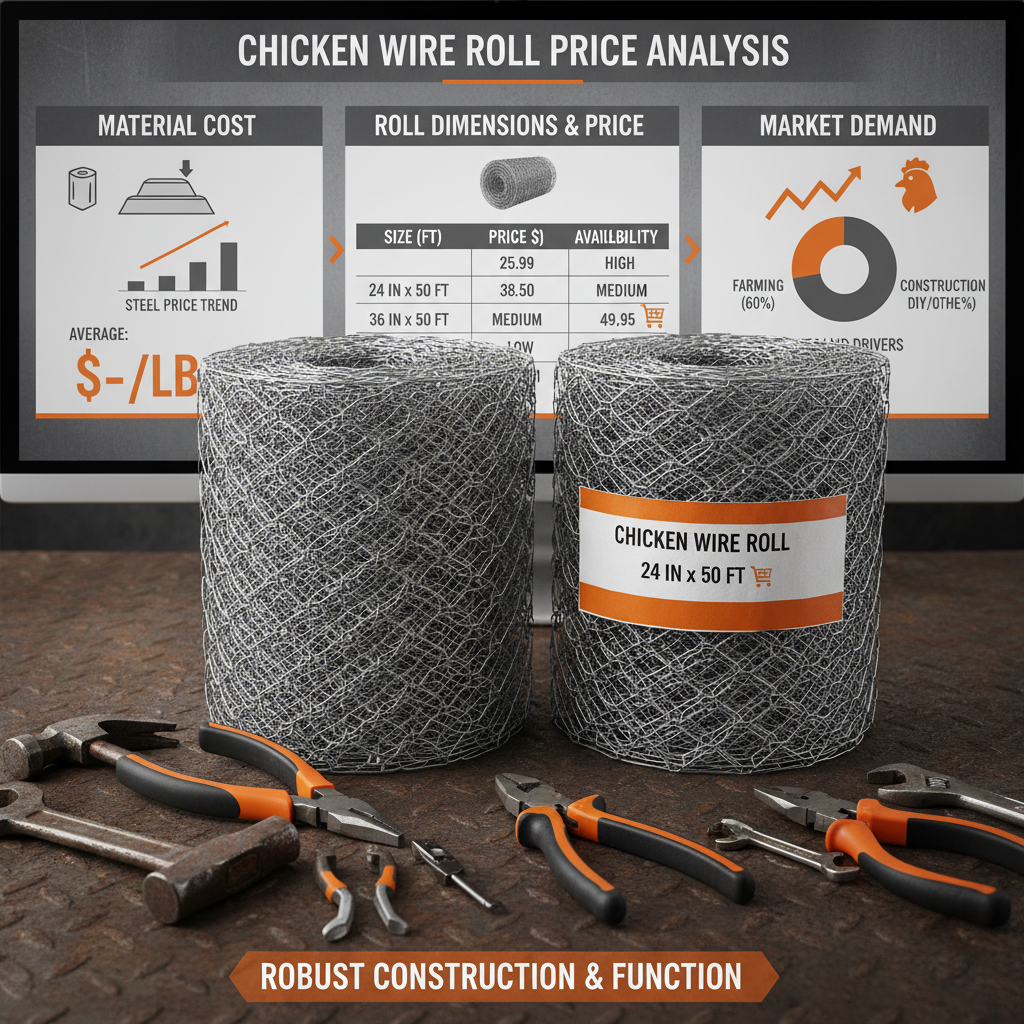
Current Market Trends Affecting Chicken Wire Costs
The chicken wire roll price is subject to market fluctuations driven by factors such as raw material costs (steel, zinc, PVC), transportation expenses, and global demand. Recent events, including supply chain disruptions and increased steel prices, have led to temporary price increases. However, Peilingtech consistently strives to maintain competitive pricing despite these challenges.
Conclusion: Making an Informed Decision on Chicken Wire Purchase
Understanding the factors that influence the chicken wire roll price is key to getting the best value for your money. By considering the gauge, coating, roll length, and comparing quotes from reliable suppliers like Peilingtech, you can make an informed decision and ensure a successful project.
Frequently Asked Questions (FAQs)
What is the typical lifespan of chicken wire?
The lifespan of chicken wire depends largely on the coating and environmental conditions. Galvanized chicken wire typically lasts 5-10 years, while PVC-coated wire can last 10-20 years or longer. Exposure to salt air, acidic soil, or harsh weather can significantly reduce lifespan. Regular inspection for rust and damage is crucial. Replacing damaged sections promptly will prevent further deterioration and ensure the integrity of your fencing or enclosure. For optimal lifespan, choose a PVC-coated wire for demanding environments.
How do I calculate how much chicken wire I need?
First, measure the perimeter of the area you want to enclose. Then, determine the desired height of the fencing. Multiply the perimeter by the height to get the total square footage. Divide the square footage by the square footage covered by a roll of chicken wire (check the product specifications). Finally, add an extra 10-15% to account for overlaps, posts, and potential errors. It's always better to overestimate slightly than to run short.
What mesh size is best for keeping out small animals?
For keeping out small animals like rabbits or rodents, a mesh size of 1 inch or smaller is recommended. A ½-inch mesh provides even better protection but is also more expensive. Larger mesh sizes are suitable for containing larger animals or for general garden protection. Consider the specific animals you need to keep out when selecting the mesh size. Peilingtech offers various mesh sizes to meet your specific needs.
Is chicken wire safe for organic gardening?
Galvanized chicken wire is generally considered safe for use in organic gardening, as the zinc coating is a naturally occurring mineral. However, some organic gardeners prefer to use PVC-coated chicken wire or other non-metallic fencing materials to avoid any potential zinc leaching into the soil. Choosing a reputable supplier ensures the zinc coating meets safety standards.
-
Complete Guide to Choosing a Durable 4 foot wire fence rollNewsApr.16,2026
-
Guide to Choosing the Best Square Wire Fencing Roll for SecurityNewsApr.16,2026
-
High Quality Steel Welded Wire Rolled Fencing for Secure BoundariesNewsApr.16,2026
-
High Quality Black Fence Roll for Secure and Discreet PerimeterNewsApr.16,2026
-
Ultimate Guide to Temporary Fence Roll for Site Security and SafetyNewsApr.16,2026
-
High Quality Garden Mesh Roll Guide for Protecting Green SpaceNewsApr.09,2026