-

-
 Whatsapp:+86 17732187393
 -


Comprehensive Guide to Durable and Secure Roll Top Fence Panels
Understanding Roll Top Fence Panels: A Comprehensive Guide
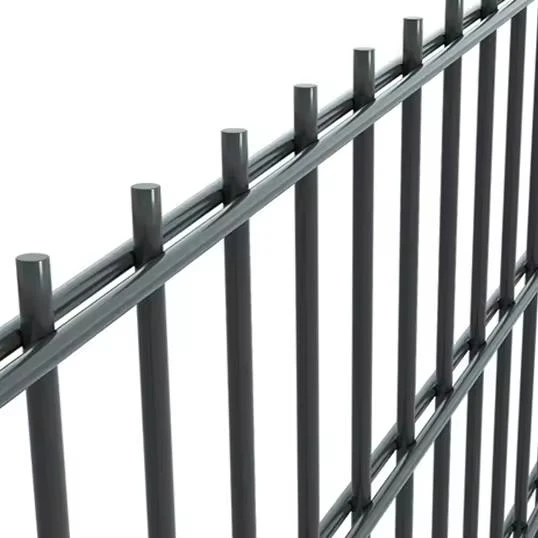
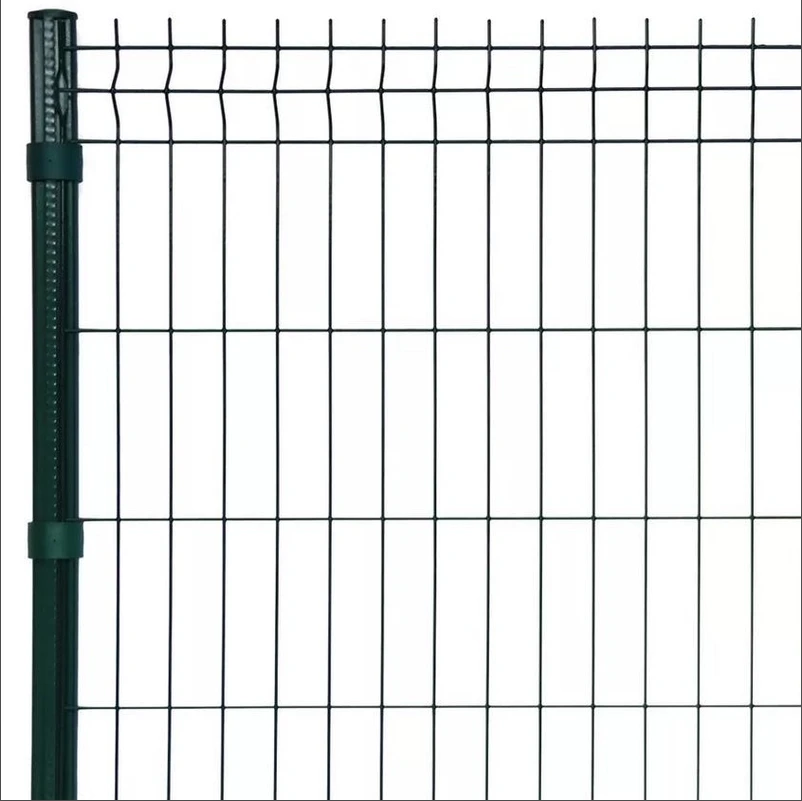
Roll top fence panels are a popular choice for both residential and commercial fencing, offering a blend of security, aesthetics, and durability. They’re known for their distinctive curved top, which not only adds visual appeal but also provides an extra layer of protection. This article will delve into the benefits, types, installation, maintenance, and costs associated with roll top fence panels, providing a thorough overview for anyone considering this fencing option. Choosing the right fencing solution is crucial for long-term security and property value.
Benefits of Choosing Roll Top Fence Panels
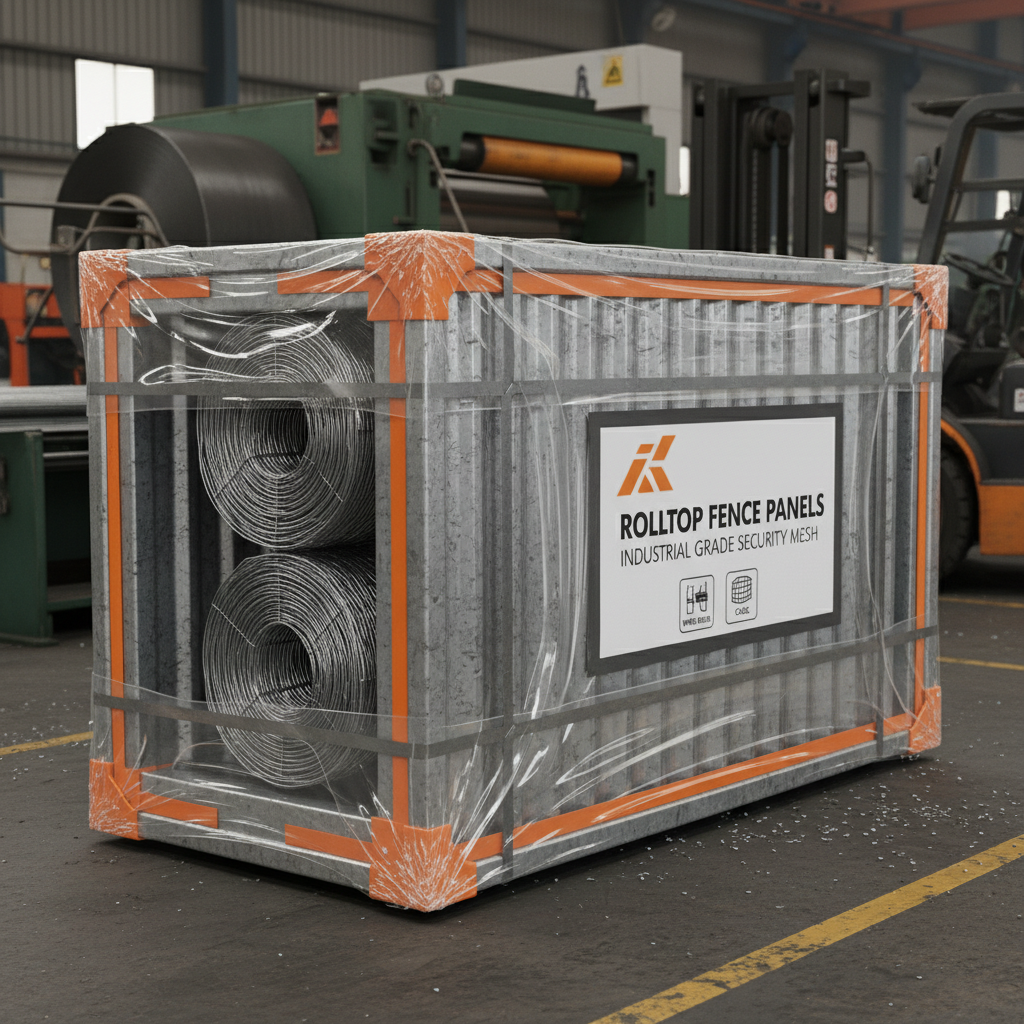
Roll top fence panels offer several advantages over traditional fencing options. The curved design discourages climbing, making them an excellent choice for security. They’re relatively easy to install, reducing labor costs, and require minimal maintenance. The aesthetic appeal is another significant benefit, adding a modern and sophisticated look to any property. Furthermore, they’re available in a range of materials and colors to suit various tastes and architectural styles. Investing in quality roll top panels can significantly enhance your property’s curb appeal and security.
Key Highlights: Discourages climbing, easy to install, minimal maintenance, aesthetic appeal, and available in various materials.
Types of Roll Top Fence Panels
Roll top fence panels are available in a variety of materials, each offering different benefits. Common options include:
- Steel: Known for its strength and durability, steel panels are often galvanized or powder-coated to prevent rust.
- Aluminum: Lightweight and corrosion-resistant, aluminum panels are ideal for coastal areas.
- PVC/Vinyl: Low-maintenance and weather-resistant, PVC panels offer a clean and modern look.
- Composite: Made from a blend of wood fibers and plastic, composite panels offer a natural look with enhanced durability.
The best choice depends on your budget, climate, and aesthetic preferences. PeilingTech offers a wide range of materials to suit your specific needs.
Material Considerations:
• Steel: Strongest, requires rust prevention.
• Aluminum: Lightweight, corrosion-resistant.
• PVC/Vinyl: Low maintenance, weather-resistant.
• Composite: Natural look, enhanced durability.
Roll Top Fence Panel Installation: A Step-by-Step Guide
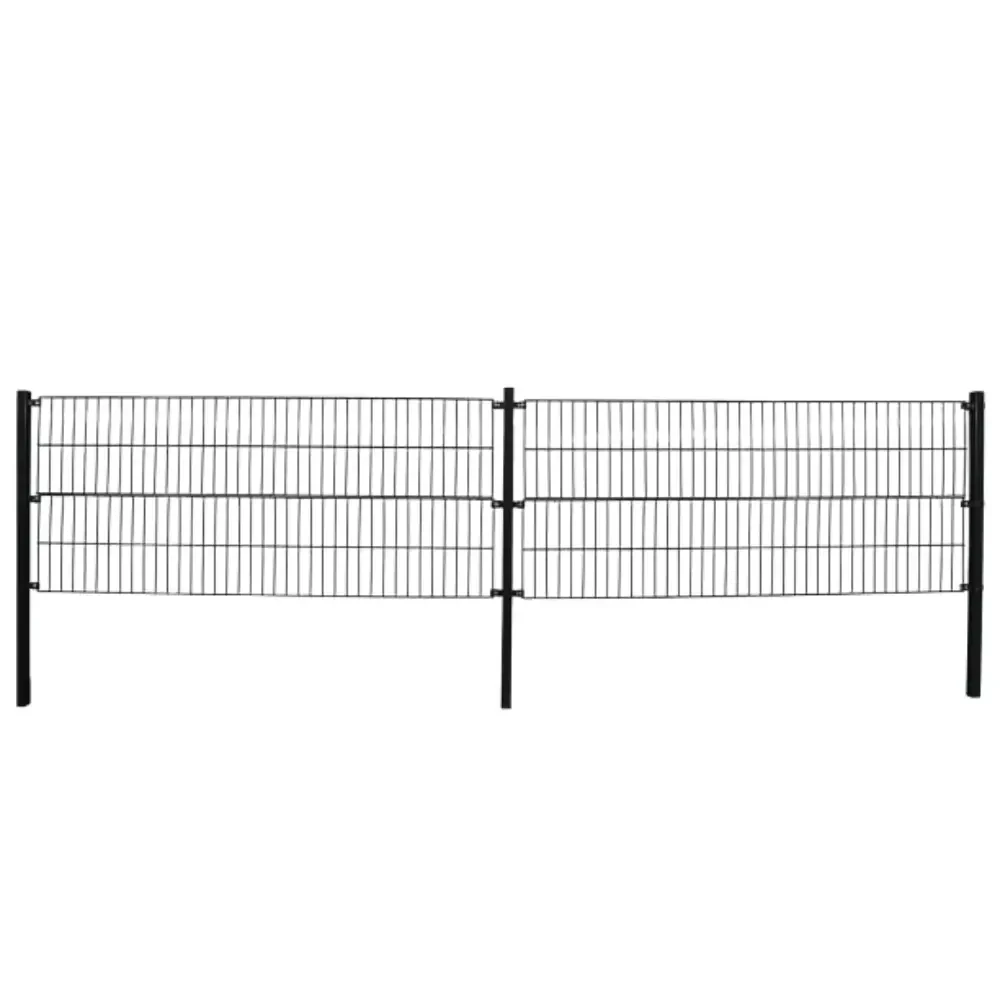
Installing roll top fence panels typically involves these steps: 1) Planning and marking the fence line. 2) Setting the posts at regular intervals (typically 8-10 feet apart). 3) Securing the posts with concrete. 4) Attaching the roll top panels to the posts using appropriate brackets or fasteners. 5) Finishing with a post cap to protect the post tops. Proper installation is crucial for the fence’s stability and longevity. For complex installations, it’s recommended to hire a professional fencing contractor. PeilingTech provides detailed installation guides and support.
Roll Top Fence Panel Costs: Comparing Materials & Installation
The cost of roll top fence panels varies depending on the material, height, and length of the fence. Here's a general comparison:
Maintenance and Longevity
Roll top fence panels generally require minimal maintenance. Regular cleaning with soap and water will remove dirt and grime. For steel panels, periodic inspection for rust and touch-up painting may be necessary. Aluminum and PVC panels are virtually maintenance-free. With proper care, a roll top fence can last for many years, providing lasting security and aesthetic value. PeilingTech’s panels are designed for long-term durability.
Conclusion: A Secure and Stylish Fencing Solution
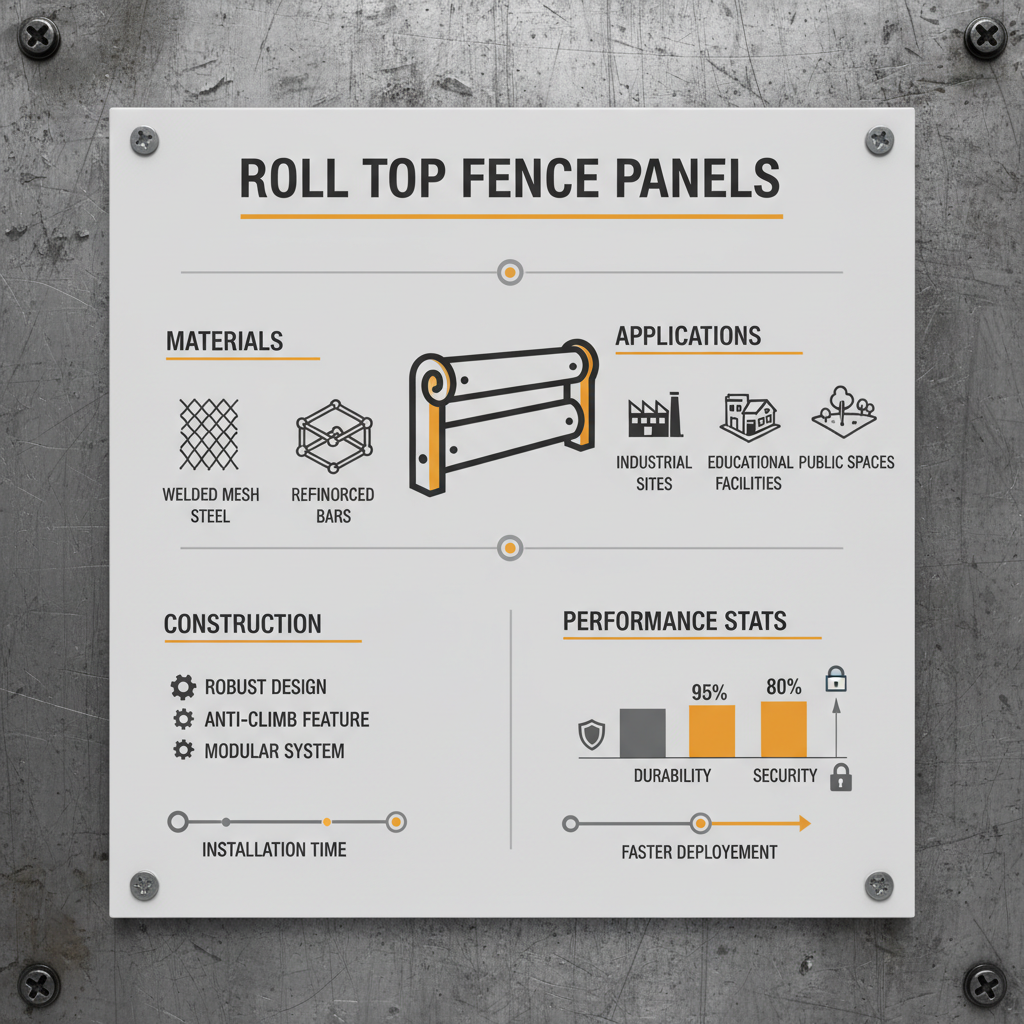
Roll top fence panels offer a compelling combination of security, aesthetics, and durability. With a variety of materials and styles available, you can find the perfect fence to complement your property. Choosing a reputable supplier like PeilingTech ensures quality and long-lasting performance. Invest in a roll top fence for peace of mind and enhanced property value.
Frequently Asked Questions (FAQs)
What is the recommended post spacing for roll top fence panels?
The recommended post spacing for roll top fence panels is typically between 8 and 10 feet. This spacing provides optimal support and stability for the panels. However, the exact spacing may vary depending on the height of the fence, the wind load in your area, and the specific panel design. It’s always best to consult the manufacturer's guidelines or a fencing professional to determine the appropriate spacing for your project. Proper post spacing is essential for preventing sagging or damage to the fence.
Are roll top fence panels suitable for sloping ground?
Yes, roll top fence panels can be adapted to sloping ground. This can be achieved by stepping the panels or using racking brackets. Stepping involves cutting the panels to follow the slope, creating a stair-step effect. Racking brackets allow the panels to follow the contour of the ground without cutting. The best method depends on the degree of the slope and the aesthetic preference. PeilingTech can provide guidance and solutions for installing fences on sloping ground.
How do I protect steel roll top fence panels from rust?
Steel roll top fence panels are susceptible to rust if not properly protected. Galvanization is a common method of rust prevention, creating a zinc coating that protects the steel. Powder coating provides an additional layer of protection and comes in various colors. Regular inspection for scratches or damage to the coating is important. Any damaged areas should be touched up with rust-resistant paint. Avoiding direct contact with salt water or harsh chemicals will also help prevent rust. Proper maintenance will extend the lifespan of your steel fence.
What is the typical height range for roll top fence panels?
Roll top fence panels are typically available in heights ranging from 4 feet to 8 feet. The most common heights are 6 feet and 8 feet, providing a good balance between security and aesthetics. The appropriate height depends on your specific needs and local regulations. Higher fences offer greater security, while lower fences may be more aesthetically pleasing in certain settings. It's essential to check local zoning ordinances regarding fence height restrictions before installation.
-
Complete Guide to Choosing a Durable 4 foot wire fence rollNewsApr.16,2026
-
Guide to Choosing the Best Square Wire Fencing Roll for SecurityNewsApr.16,2026
-
High Quality Steel Welded Wire Rolled Fencing for Secure BoundariesNewsApr.16,2026
-
High Quality Black Fence Roll for Secure and Discreet PerimeterNewsApr.16,2026
-
Ultimate Guide to Temporary Fence Roll for Site Security and SafetyNewsApr.16,2026
-
High Quality Garden Mesh Roll Guide for Protecting Green SpaceNewsApr.09,2026