-

-
 Whatsapp:+86 17732187393
 -


Comprehensive Guide to Durable Large Square Wire Fencing Solutions
Understanding Large Square Wire Fencing: A Comprehensive Guide
Large square wire fencing is a robust and versatile solution for a wide array of containment and protection needs. Ideal for agricultural applications, animal enclosures, and security perimeters, this fencing type offers a balance of strength, cost-effectiveness, and ease of installation. This article delves into the features, benefits, types, installation guidelines, and common applications of large square wire fencing, providing valuable insights for anyone considering its use. Selecting the right fencing is crucial for ensuring the safety and security of your property and assets.
What is Large Square Wire Fencing?
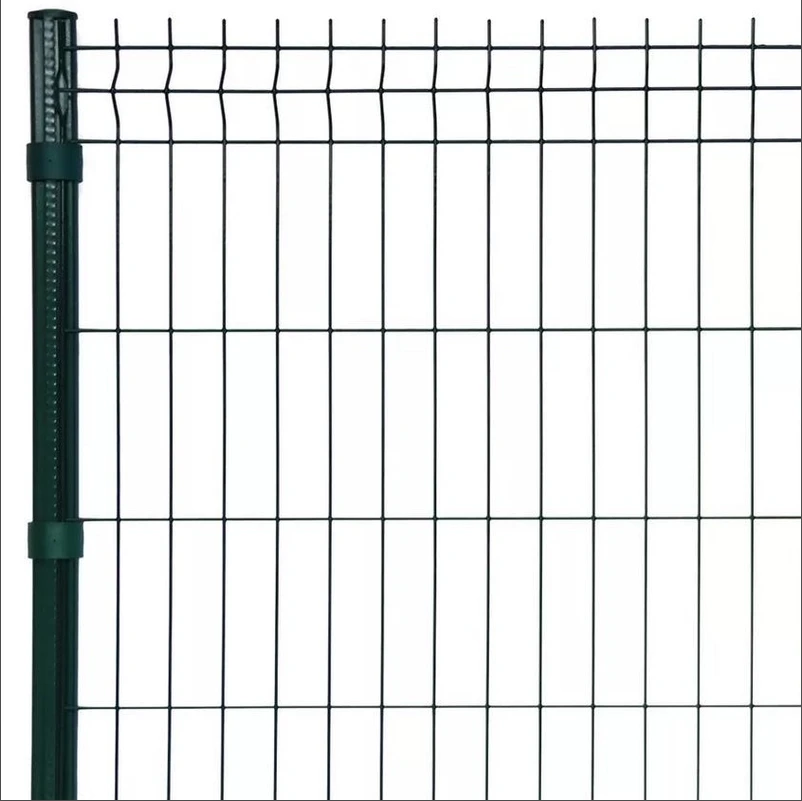
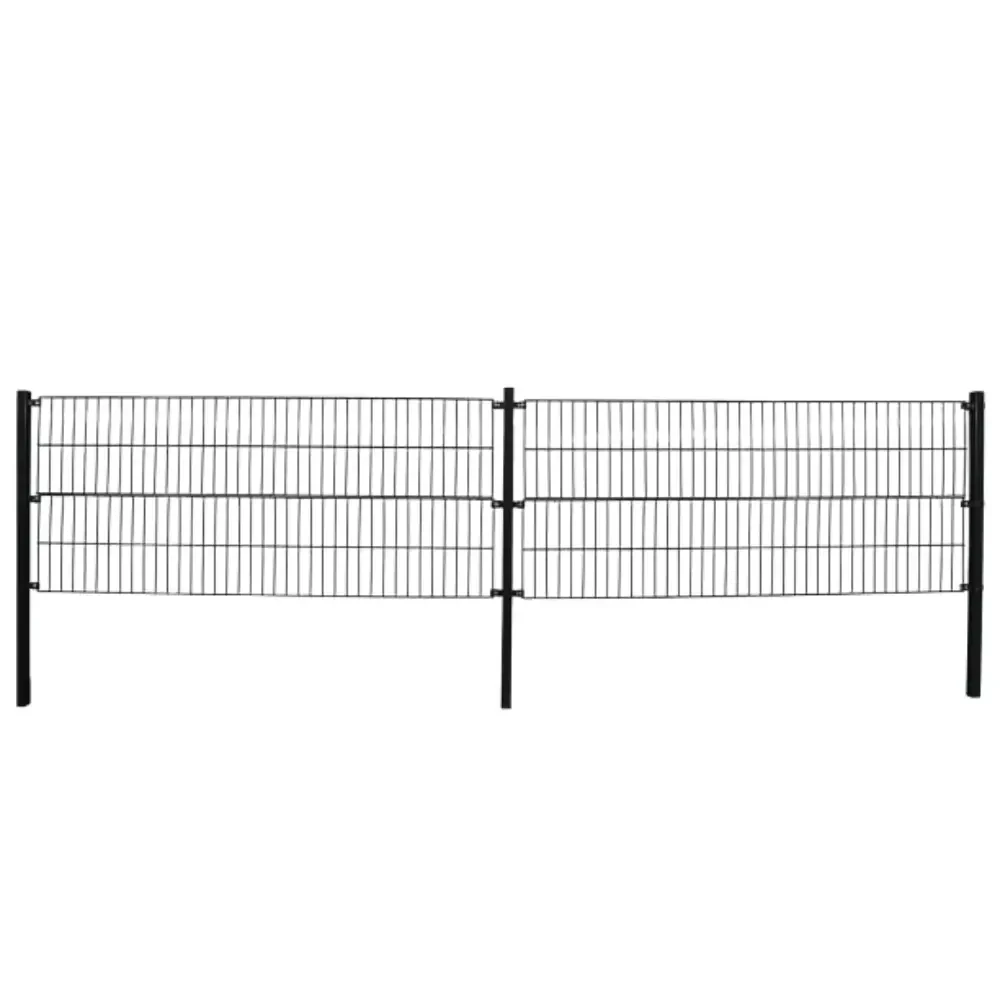
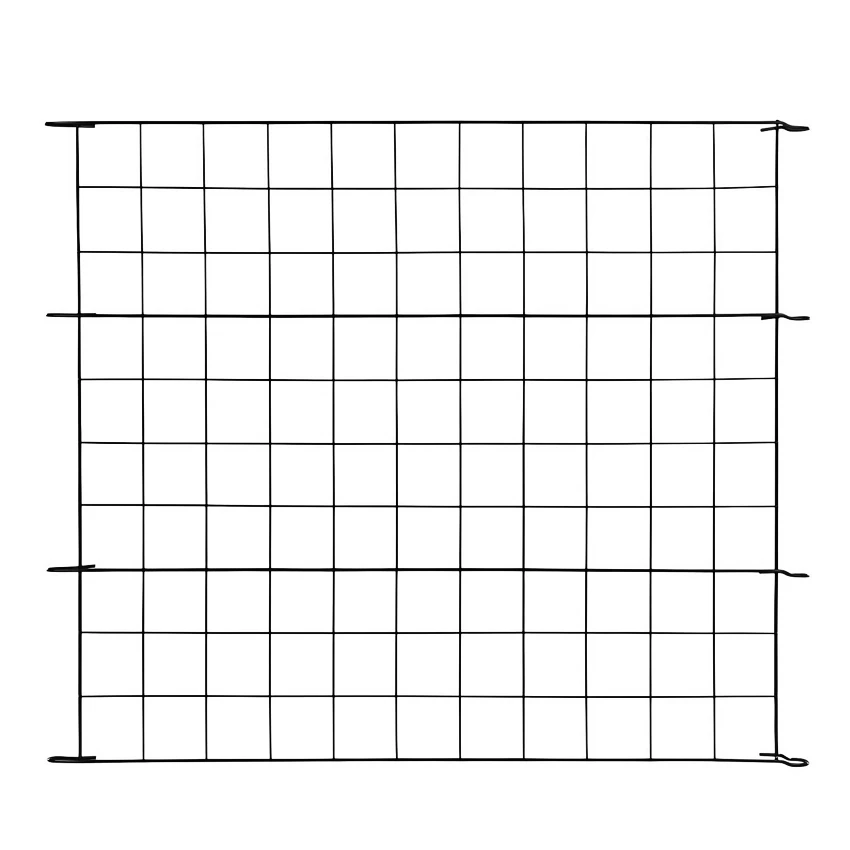
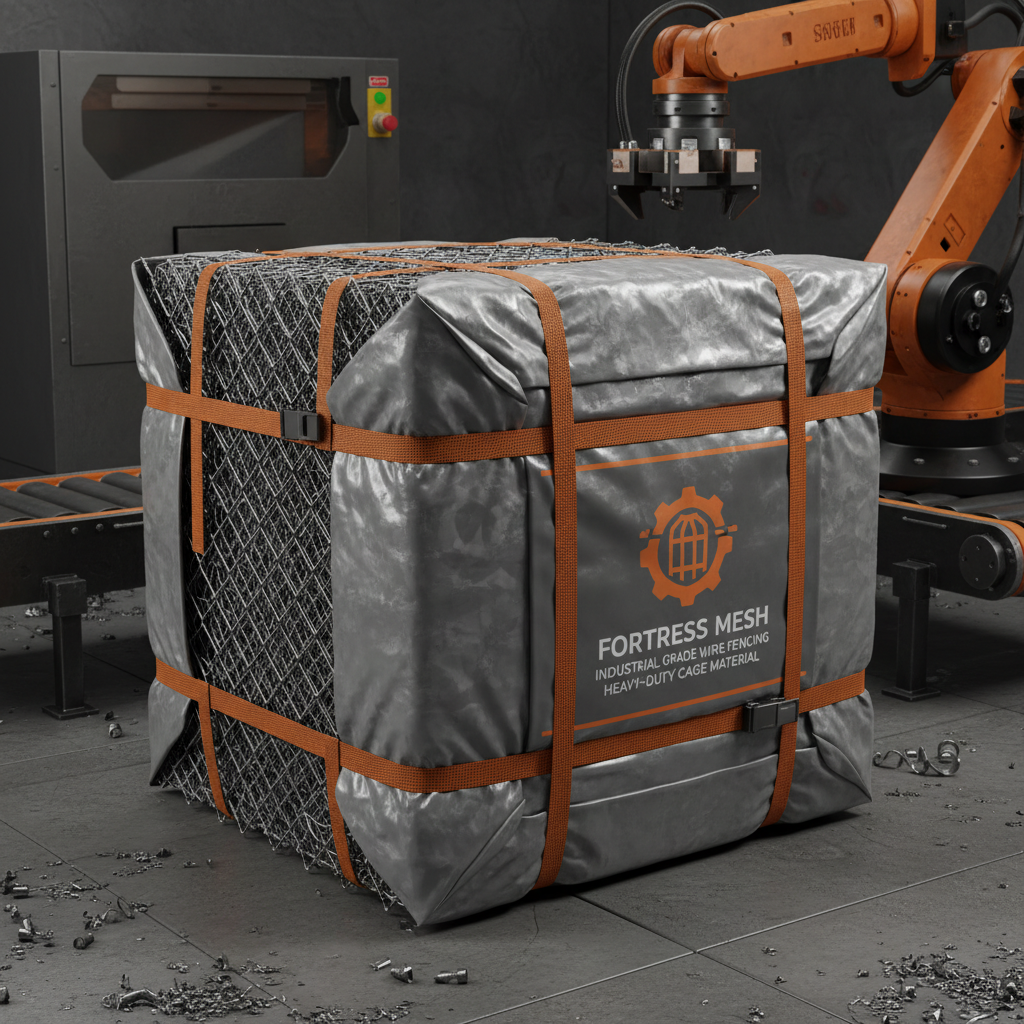
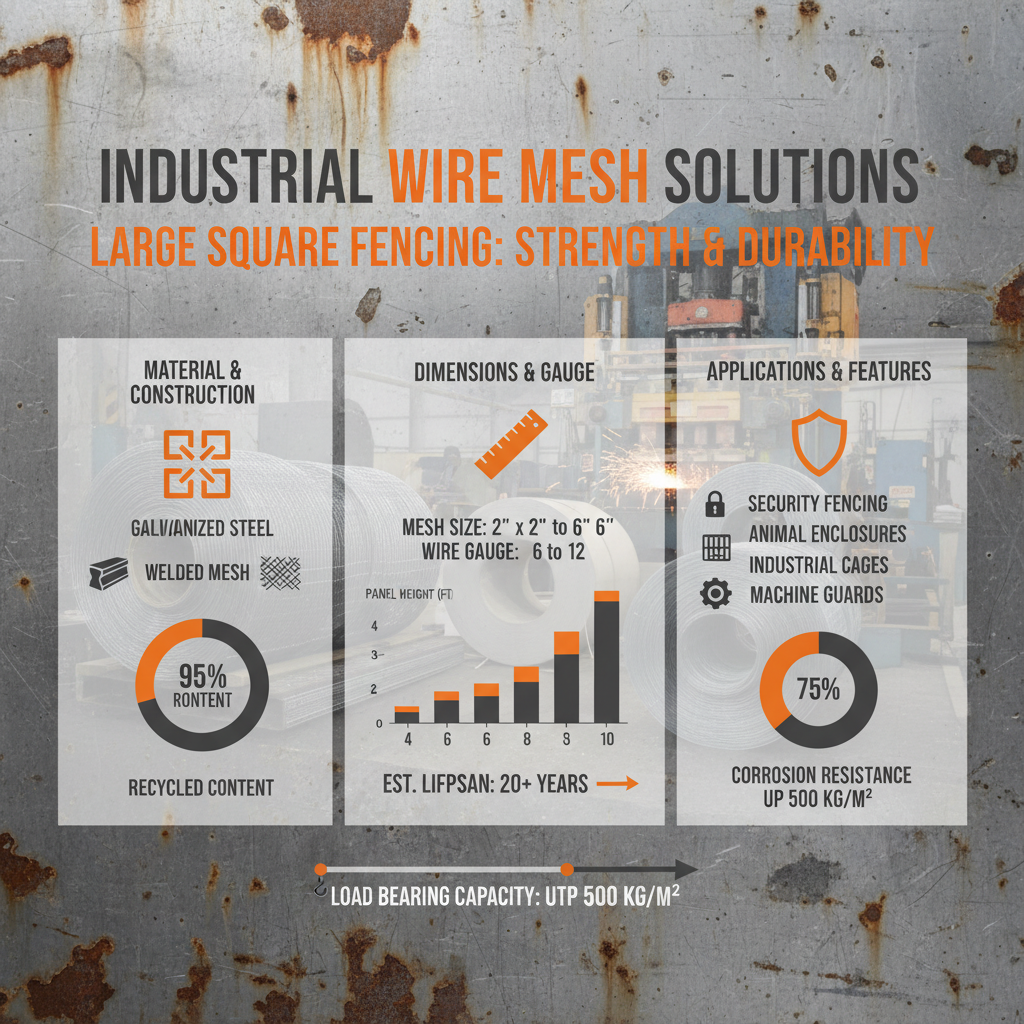
Large square wire fencing, as the name suggests, utilizes a welded wire mesh with relatively large square openings. This differentiates it from smaller mesh sizes often used for poultry or rabbit enclosures. The wire gauge (thickness) and opening size can vary depending on the intended application. It's typically constructed from galvanized steel wire, offering corrosion resistance, and may also be coated with PVC for added protection and aesthetic appeal. The robust construction makes it ideal for containing larger animals, creating secure perimeters, or providing structural support for plants. Peilingtech offers a wide range of options to suit diverse needs.
Key Highlights: Constructed from durable galvanized steel wire; Available with optional PVC coating for enhanced protection; Offers a cost-effective solution for large-scale fencing projects.
Types of Large Square Wire Fencing
While generally categorized by its square mesh, large square wire fencing comes in several variations. These variations primarily relate to the wire gauge, coating, and overall height of the fencing. Common types include:
- Galvanized Steel: The standard option, providing good corrosion resistance.
- PVC Coated: Offers superior corrosion resistance and aesthetic appeal. Commonly available in green or black.
- Heavy-Duty: Constructed with thicker wire gauges for increased strength, suitable for containing large or aggressive animals.
- Variable Height: Available in a range of heights to accommodate different containment needs.
Choosing the Right Type:
• Consider the type of animals you need to contain.
• Assess the environmental conditions (exposure to moisture, salinity, etc.).
• Determine the desired aesthetic appearance.
• Factor in budget constraints.
Large Square Wire Fencing vs. Other Fencing Options
Comparing large square wire fencing to other fencing options reveals its unique advantages and disadvantages. Here's a comparison with popular alternatives:
Applications of Large Square Wire Fencing
The versatility of large square wire fencing makes it suitable for numerous applications, including:
- Livestock Containment: Cattle, horses, sheep, and goats.
- Poultry Enclosures: Providing a secure perimeter for larger poultry flocks.
- Garden Protection: Protecting gardens from deer, rabbits, and other pests.
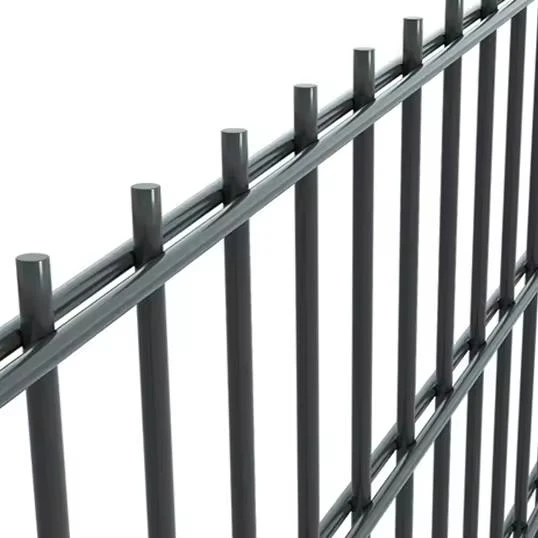
- Security Fencing: Creating a perimeter fence for properties and industrial sites.
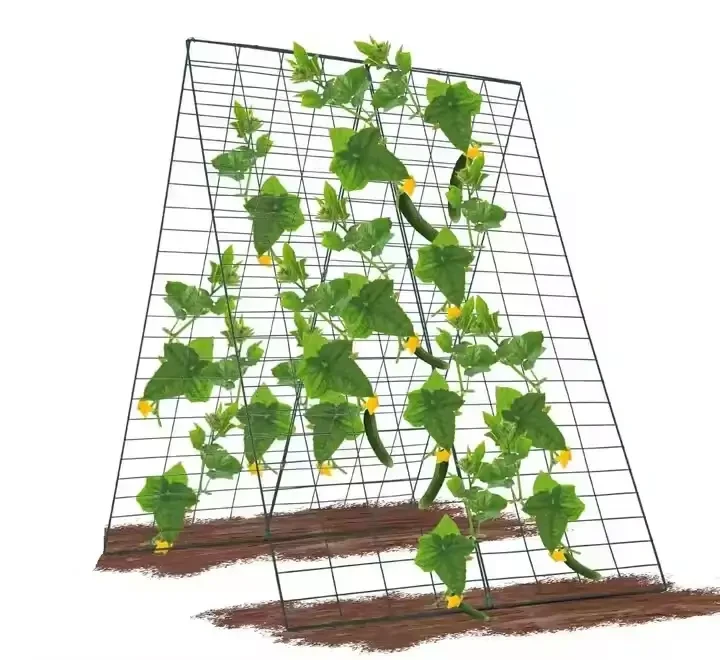
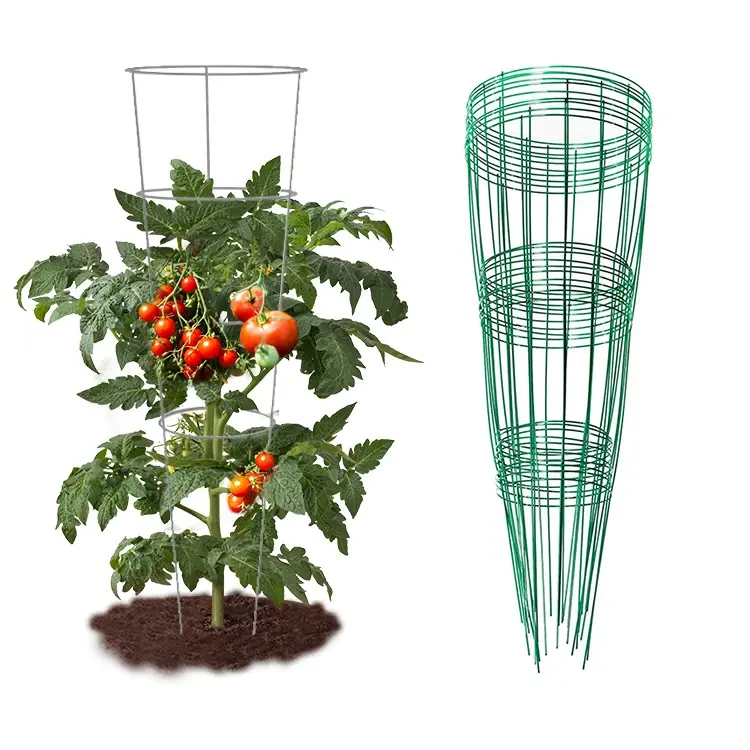
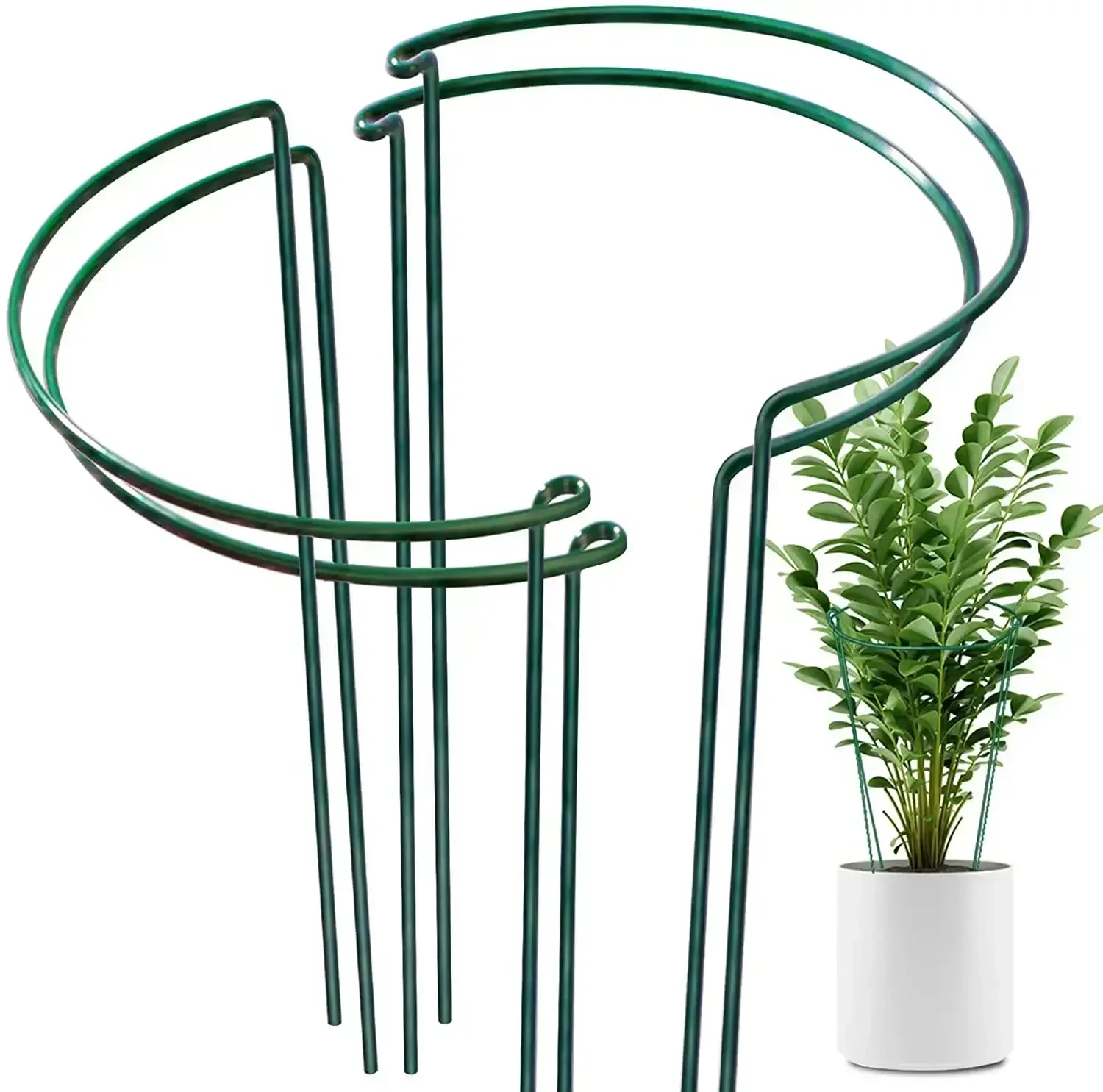
- Plant Support: Supporting climbing plants and vines.
Installation Tips for Large Square Wire Fencing
Installing large square wire fencing is a relatively straightforward process, but proper preparation and technique are essential. Here are some key tips:
- Post Spacing: Typically spaced 8-12 feet apart, depending on the terrain and animal type.
- Post Depth: Posts should be deeply embedded in the ground (at least 2-3 feet) for stability.
- Tensioning: Use a fence stretcher to ensure the wire is taut and properly tensioned.
- Fasteners: Use appropriate fasteners (clips, ties, or wire) to securely attach the fencing to the posts.
- Grounding: Consider grounding the fencing for added safety, especially in areas prone to lightning.
Conclusion: Choosing the Right Fencing Solution
Large square wire fencing provides a durable, cost-effective, and versatile solution for a wide range of fencing needs. From livestock containment to security perimeters, its robust construction and ease of installation make it a popular choice for both agricultural and residential applications. Peilingtech is your trusted partner for high-quality large square wire fencing solutions.
Frequently Asked Questions (FAQs)
What is the typical lifespan of large square wire fencing?
The lifespan of large square wire fencing can vary depending on the quality of materials, environmental conditions, and maintenance practices. However, with proper galvanization and, ideally, a PVC coating, a well-installed fence can last 20-30 years or even longer. Regularly inspect the fencing for signs of corrosion or damage and address any issues promptly to maximize its lifespan. Proper installation, including adequate post depth and tensioning, is also crucial for longevity.
How do I choose the right wire gauge for my needs?
The appropriate wire gauge depends on the type and size of animals you need to contain. For smaller animals like goats or sheep, a lighter gauge wire may suffice. However, for larger, stronger animals like cattle or horses, a heavier gauge wire is essential to prevent breakage and escape. Generally, a lower gauge number indicates a thicker wire. Consult with a fencing supplier or agricultural expert to determine the optimal wire gauge for your specific application.
Is PVC coating really necessary?
While galvanized steel provides good corrosion resistance, a PVC coating offers a significant upgrade in protection, especially in harsh environments. PVC coating prevents rust, extends the lifespan of the fence, and improves its aesthetic appearance. While it adds to the initial cost, the long-term benefits often outweigh the expense, reducing the need for repairs or replacements.
What are the best practices for maintaining large square wire fencing?
Regular maintenance is key to prolonging the life of your fence. Inspect the fencing at least twice a year for signs of damage, such as broken wires, loose fasteners, or corrosion. Repair any damage promptly to prevent it from worsening. Clear vegetation growing around the fence line to prevent it from weakening the structure. Consider applying a rust inhibitor to galvanized portions of the fence in highly corrosive environments.
-
Complete Guide to Choosing a Durable 4 foot wire fence rollNewsApr.16,2026
-
Guide to Choosing the Best Square Wire Fencing Roll for SecurityNewsApr.16,2026
-
High Quality Steel Welded Wire Rolled Fencing for Secure BoundariesNewsApr.16,2026
-
High Quality Black Fence Roll for Secure and Discreet PerimeterNewsApr.16,2026
-
Ultimate Guide to Temporary Fence Roll for Site Security and SafetyNewsApr.16,2026
-
High Quality Garden Mesh Roll Guide for Protecting Green SpaceNewsApr.09,2026