-

-
 Whatsapp:+86 17732187393
 -


Comprehensive Guide to Durable Welded Wire Corral Panels for Livestock Management
Welded Wire Corral Panels: A Comprehensive Guide
When establishing or maintaining livestock enclosures, selecting the right fencing material is crucial. Welded wire corral panels offer a robust, efficient, and cost-effective solution for containing horses, cattle, sheep, and other animals. This article will delve into the benefits, applications, and key considerations when choosing welded wire corral panels, helping you make the best decision for your needs. A strong and well-maintained corral is vital for animal safety and efficient livestock management.
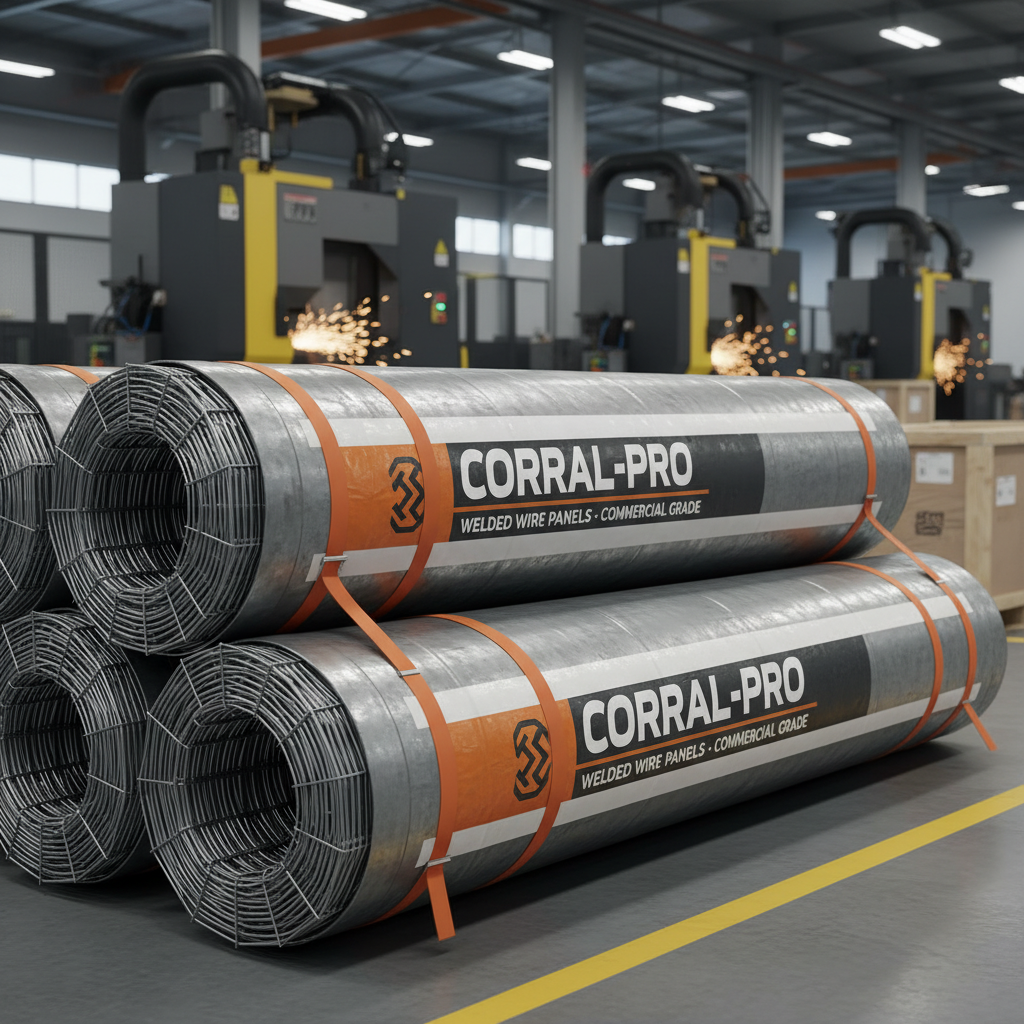
Understanding the Benefits of Welded Wire Corral Panels
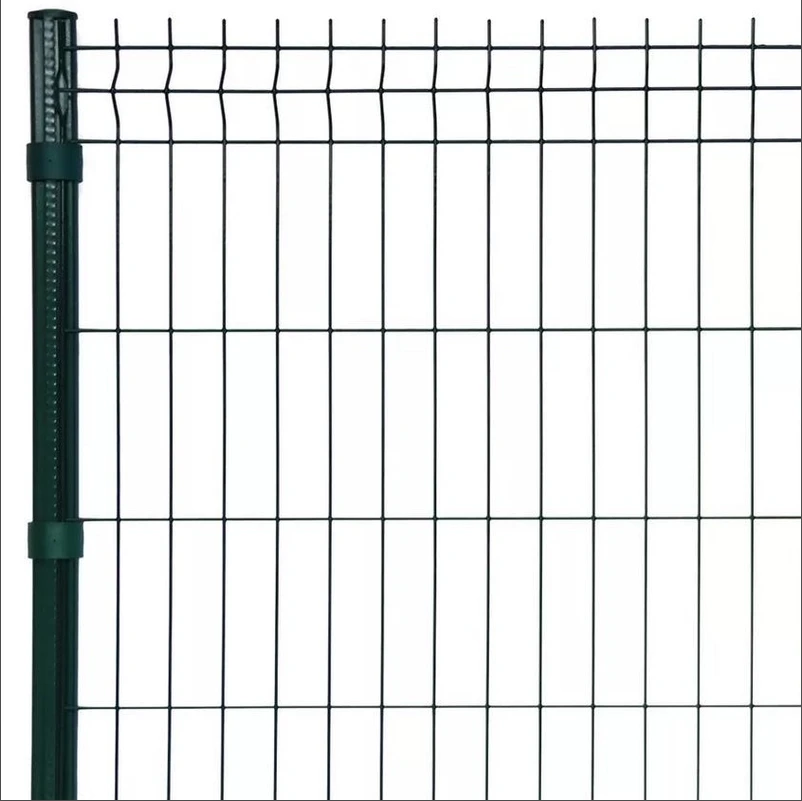
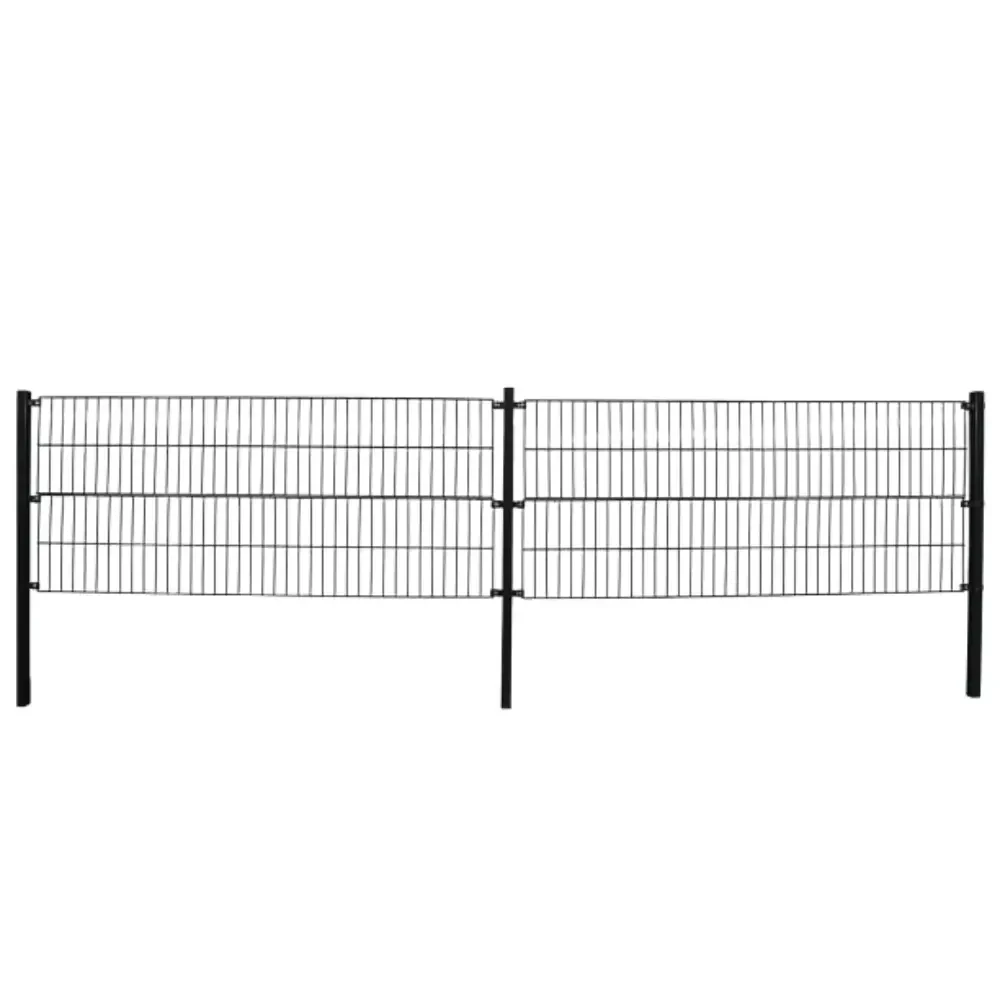
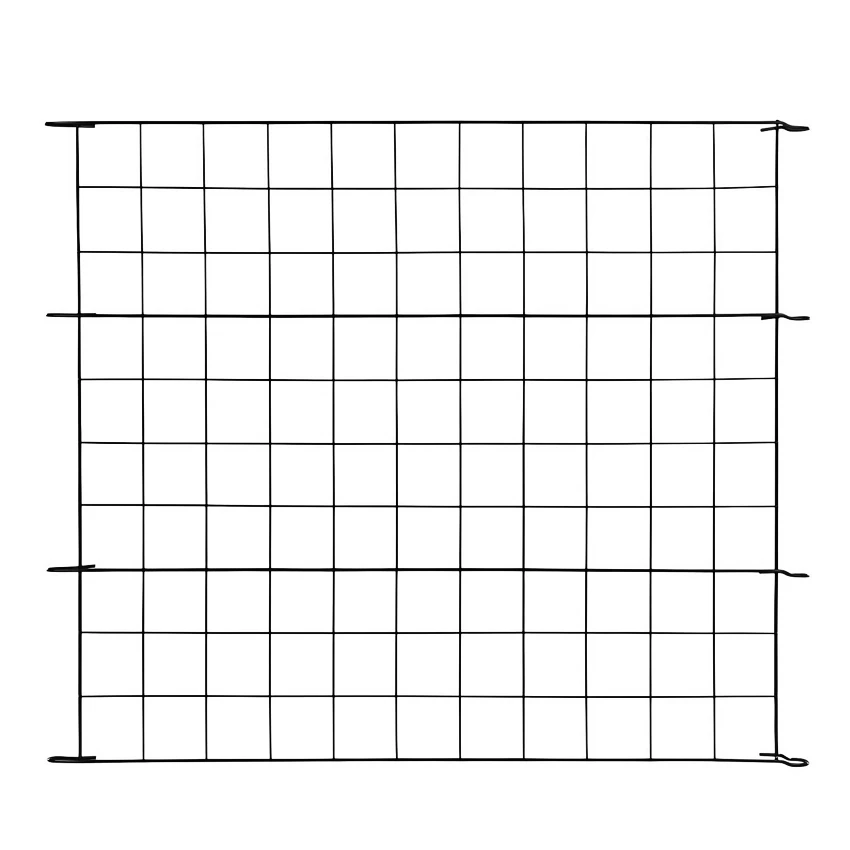
Compared to traditional fencing options like wood or barbed wire, welded wire corral panels offer several significant advantages. They are considerably more durable, requiring less maintenance and replacement over time. The consistent wire spacing prevents animals from getting their heads stuck, minimizing the risk of injury. Furthermore, welded wire provides excellent visibility, allowing for easy monitoring of livestock. PeilingTech's welded wire corral panels are specifically designed for strength and longevity, offering a safe and secure solution for your livestock.
Key Highlights: Durable, less maintenance, prevents injuries, excellent visibility, and easy to install.
Applications of Welded Wire Corral Panels
Welded wire corral panels are incredibly versatile and suitable for a wide range of applications. They are commonly used for creating permanent or temporary corrals, horse stalls, livestock pens, and arenas. Their modular design allows for easy customization to fit specific space requirements and animal needs. Beyond livestock containment, these panels can also be utilized for creating garden barriers, protecting young trees, or even constructing temporary enclosures for events. The adaptability of PeilingTech's panels makes them an excellent investment for any property.
Versatile Applications:
• Permanent or temporary corrals
• Horse stalls
• Livestock pens
• Arenas
• Garden barriers
Welded Wire Corral Panels: Key Features and Specifications
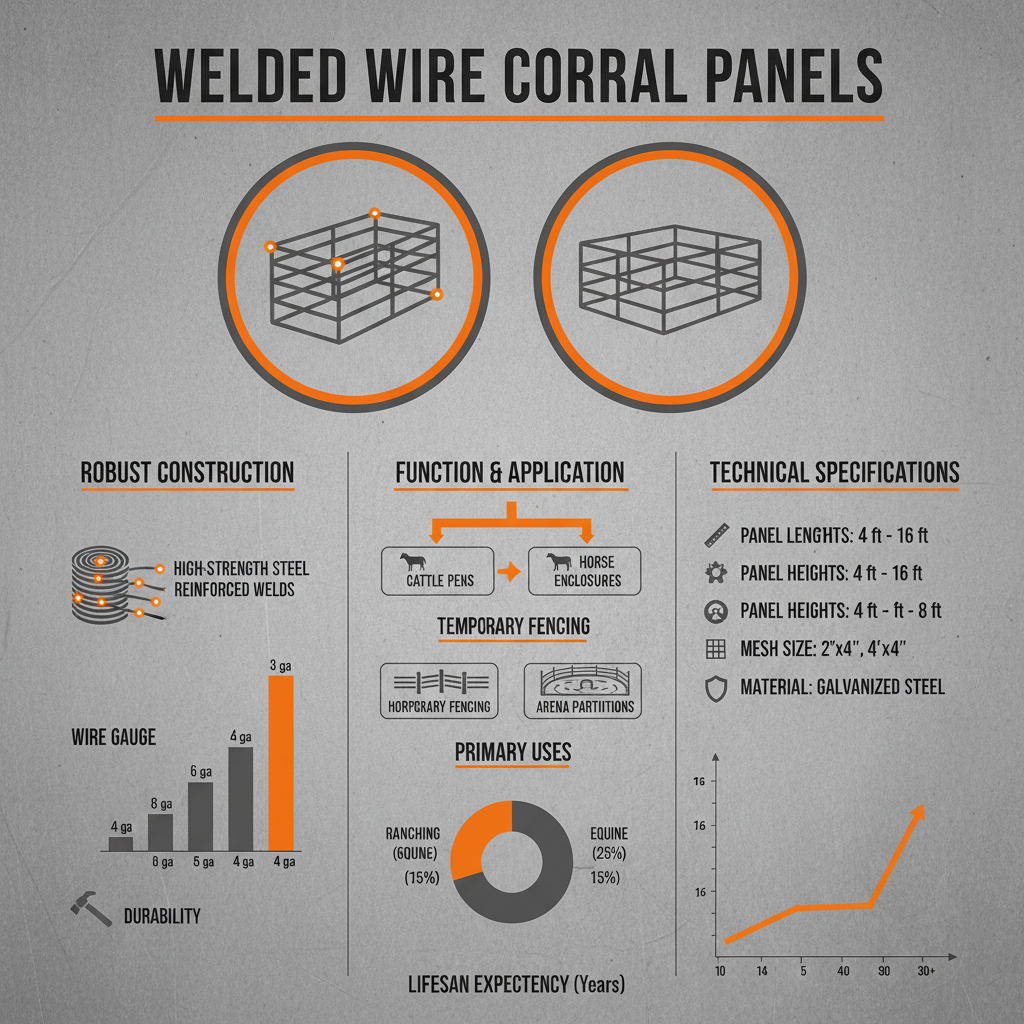
Choosing the right welded wire corral panel involves considering several key features. Wire gauge (thickness) is a crucial factor, with heavier gauges offering greater strength and durability. The mesh size (spacing between wires) should be appropriate for the animals being contained – smaller mesh prevents smaller animals from escaping. Galvanization is essential for preventing rust and corrosion, especially in outdoor environments. Here's a look at typical specifications:
Choosing the Right Welded Wire Corral Panels for Your Livestock
Selecting the appropriate panels depends on the type and size of livestock you’re containing. For horses, taller panels with smaller mesh are recommended to prevent injuries and escapes. For cattle, a robust wire gauge is essential to withstand their weight and pressure. Considering the climate is also important; in areas with harsh winters, heavier galvanized panels are a must. PeilingTech offers a range of panel options to suit diverse livestock needs and environmental conditions.
Installation and Maintenance Tips
Installing welded wire corral panels is relatively straightforward. Properly spaced posts are essential for stability. Securely attach the panels to the posts using appropriate hardware. Regular maintenance, such as inspecting for damage and tightening connections, will extend the lifespan of your fencing. Removing debris and vegetation around the panels will also prevent corrosion. A well-maintained corral ensures the safety and well-being of your livestock.
Conclusion: Invest in Quality and Reliability
Investing in high-quality welded wire corral panels from a reputable supplier like PeilingTech is a smart decision for any livestock owner. They offer a durable, safe, and cost-effective solution for containing animals, ensuring their well-being, and simplifying livestock management. Choose wisely, install correctly, and maintain regularly to reap the benefits for years to come.
Frequently Asked Questions (FAQs)
What is the lifespan of welded wire corral panels?
The lifespan of welded wire corral panels depends heavily on the quality of the galvanization, the climate, and how well they are maintained. With proper care, you can expect them to last 15-20 years or even longer. Regular inspections for rust or damage, and prompt repairs, will significantly extend their lifespan. Using thicker wire gauges and panels with superior galvanization will also contribute to increased longevity.
Are welded wire panels safe for horses?
Yes, when properly installed and maintained, welded wire panels are generally considered safe for horses. However, it's crucial to choose panels with smaller mesh openings (e.g., 2” x 4”) to prevent horses from getting their heads or legs caught. Smooth wire edges are also essential. Regularly inspect the panels for any sharp protrusions or damage and make repairs promptly.
What is the best way to connect welded wire panels?
There are several methods for connecting welded wire panels. Common options include using hog rings, wire ties, or specialized panel connectors. Hog rings are a fast and economical option, while wire ties provide a more secure connection. Panel connectors offer a clean and professional look, often using a bolt-on system. The best method depends on your preference and the level of security required.
How can I prevent rust on galvanized panels?
While galvanization provides excellent rust protection, it's not foolproof. To further prevent rust, avoid exposing the panels to harsh chemicals or saltwater. Regularly clean the panels to remove dirt and debris. If scratches or damage occur, apply a zinc-rich paint or coating to protect the exposed metal. Proper storage during off-season can also help minimize rust formation.
-
Complete Guide to Choosing a Durable 4 foot wire fence rollNewsApr.16,2026
-
Guide to Choosing the Best Square Wire Fencing Roll for SecurityNewsApr.16,2026
-
High Quality Steel Welded Wire Rolled Fencing for Secure BoundariesNewsApr.16,2026
-
High Quality Black Fence Roll for Secure and Discreet PerimeterNewsApr.16,2026
-
Ultimate Guide to Temporary Fence Roll for Site Security and SafetyNewsApr.16,2026
-
High Quality Garden Mesh Roll Guide for Protecting Green SpaceNewsApr.09,2026