-

-
 Whatsapp:+86 17732187393
 -


Comprehensive Guide to Heavy Duty Welded Wire Mesh Panels and Their Applications
Heavy Duty Welded Wire Mesh Panels: A Comprehensive Guide
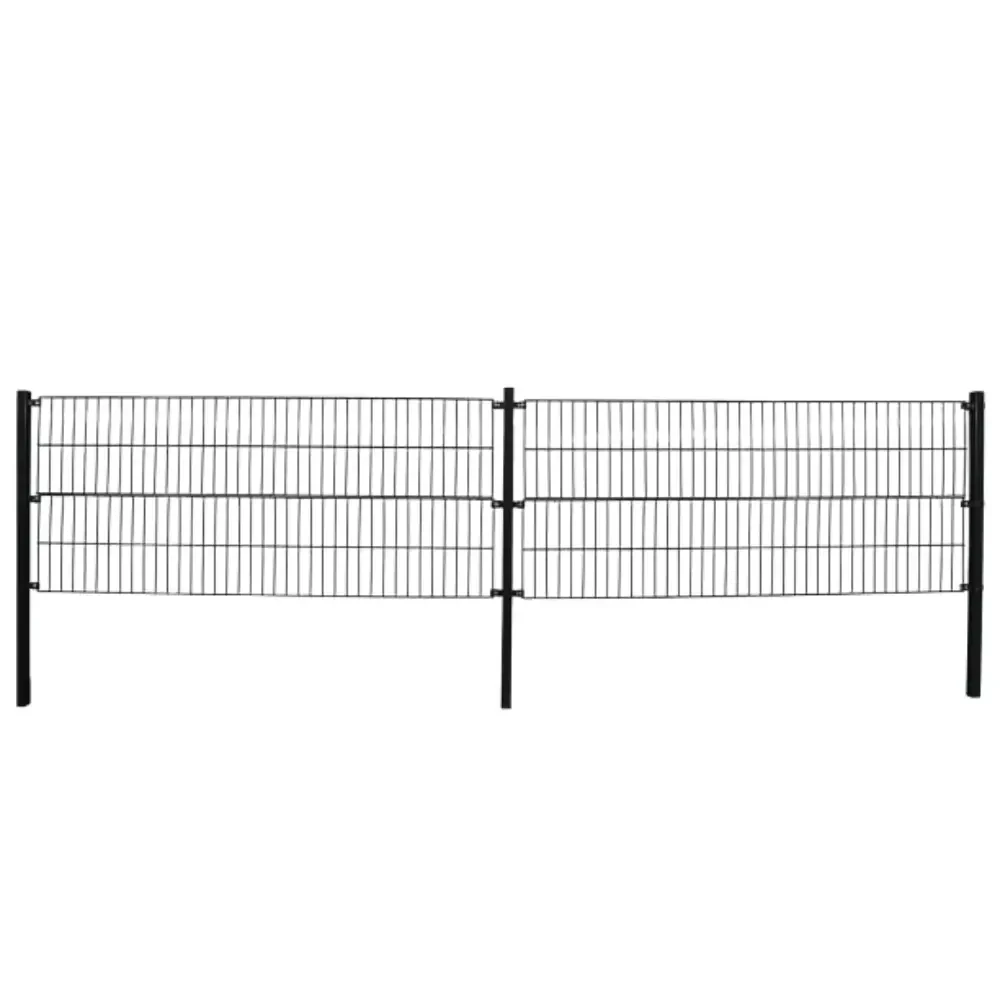
Heavy duty welded wire mesh panels are a versatile and robust solution for a wide range of applications, from agricultural fencing and animal containment to industrial safety barriers and construction reinforcement. Their strength, durability, and cost-effectiveness make them a popular choice across numerous industries. This article will explore the benefits, applications, specifications, and considerations when choosing the right welded wire mesh panels for your specific needs. Understanding the nuances of these panels will ensure you select a product that delivers lasting performance and value.
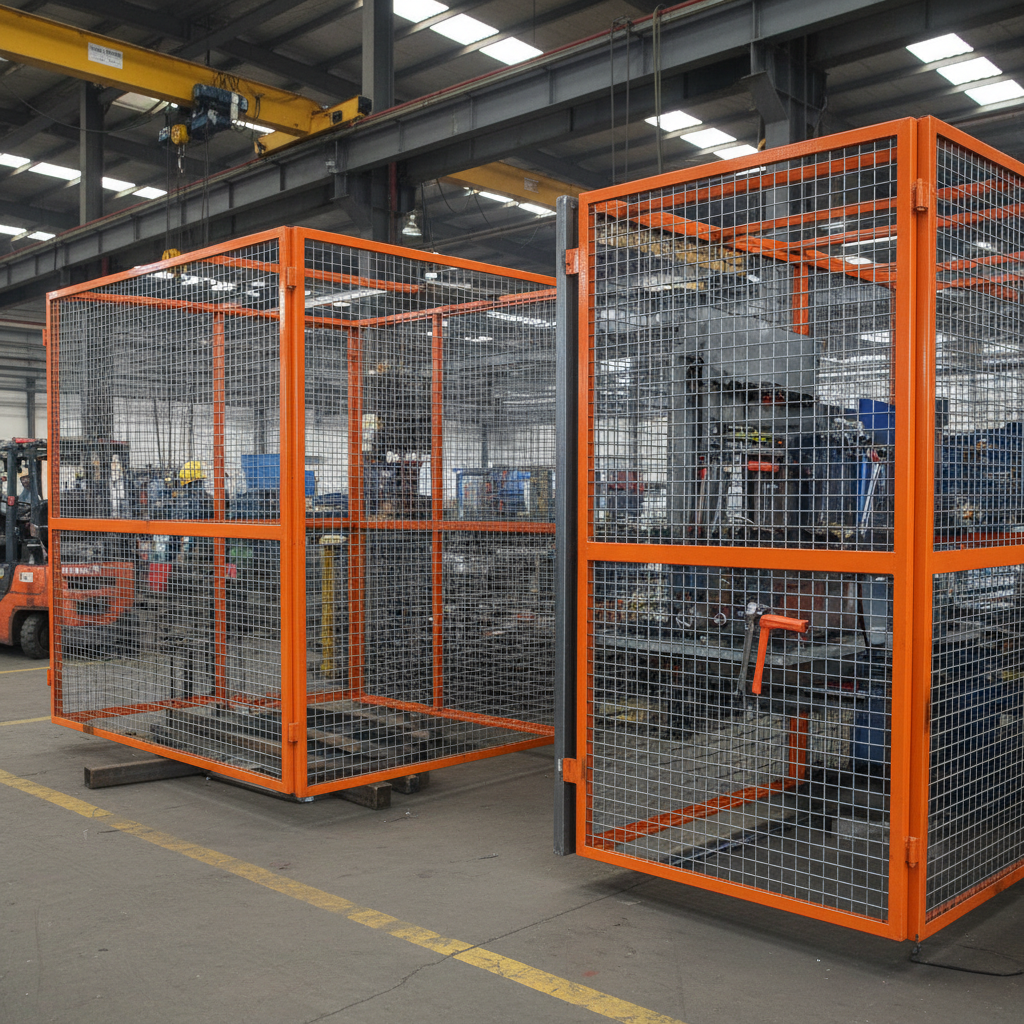
Understanding the Benefits of Heavy Duty Welded Wire Mesh
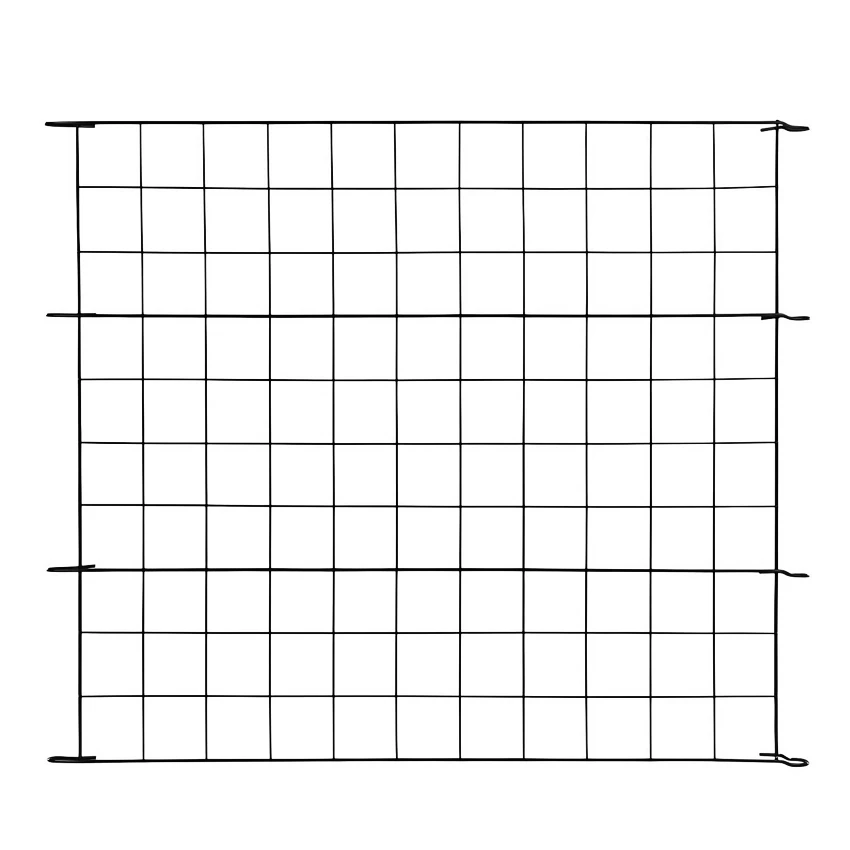
Welded wire mesh panels offer several advantages over traditional fencing materials like chain-link or woven wire. The rigid structure provides enhanced stability and resistance to stretching or sagging, even under significant tension. The welded joints create a strong and durable connection, reducing the risk of panel deformation. This makes them ideal for applications requiring secure containment or long-lasting protection. Furthermore, the open grid design allows for excellent visibility, which is essential in many security and animal enclosure scenarios. Peiling Tech offers a wide range of options to meet diverse requirements.
Key Highlights: Rigid structure, enhanced stability, durable welded joints, excellent visibility, and a cost-effective solution for various fencing and containment needs.
Key Applications for Heavy Duty Welded Wire Mesh Panels
The versatility of heavy duty welded wire mesh panels makes them suitable for a diverse array of applications. In agriculture, they're commonly used for livestock fencing, poultry enclosures, and crop protection. The panels provide a secure barrier against predators and prevent animals from escaping. Industrially, they're utilized as safety guards around machinery, warehouse partitions, and security fencing. Construction projects often employ them for reinforcement, formwork, and erosion control. Additionally, they find use in residential settings for garden fencing, pet enclosures, and decorative screens.
Application Areas:
• Agricultural Fencing
• Industrial Safety Barriers
• Construction Reinforcement
• Animal Containment
Choosing the Right Heavy Duty Welded Wire Mesh Panel: Key Considerations
Selecting the appropriate heavy duty welded wire mesh panel depends on several factors, including the application, the size and strength of the animals or objects being contained, the level of security required, and the environmental conditions. Key considerations include wire gauge (thickness), mesh opening size, panel height and length, and the type of coating. Thicker wire gauges provide greater strength, while smaller mesh openings offer increased security. Consider galvanized or powder-coated options for enhanced corrosion resistance.
Heavy Duty Welded Wire Mesh Panel Specifications and Sizes
Peiling Tech offers a wide variety of specifications to suit different needs. Common options include:
Conclusion: Invest in Quality and Durability
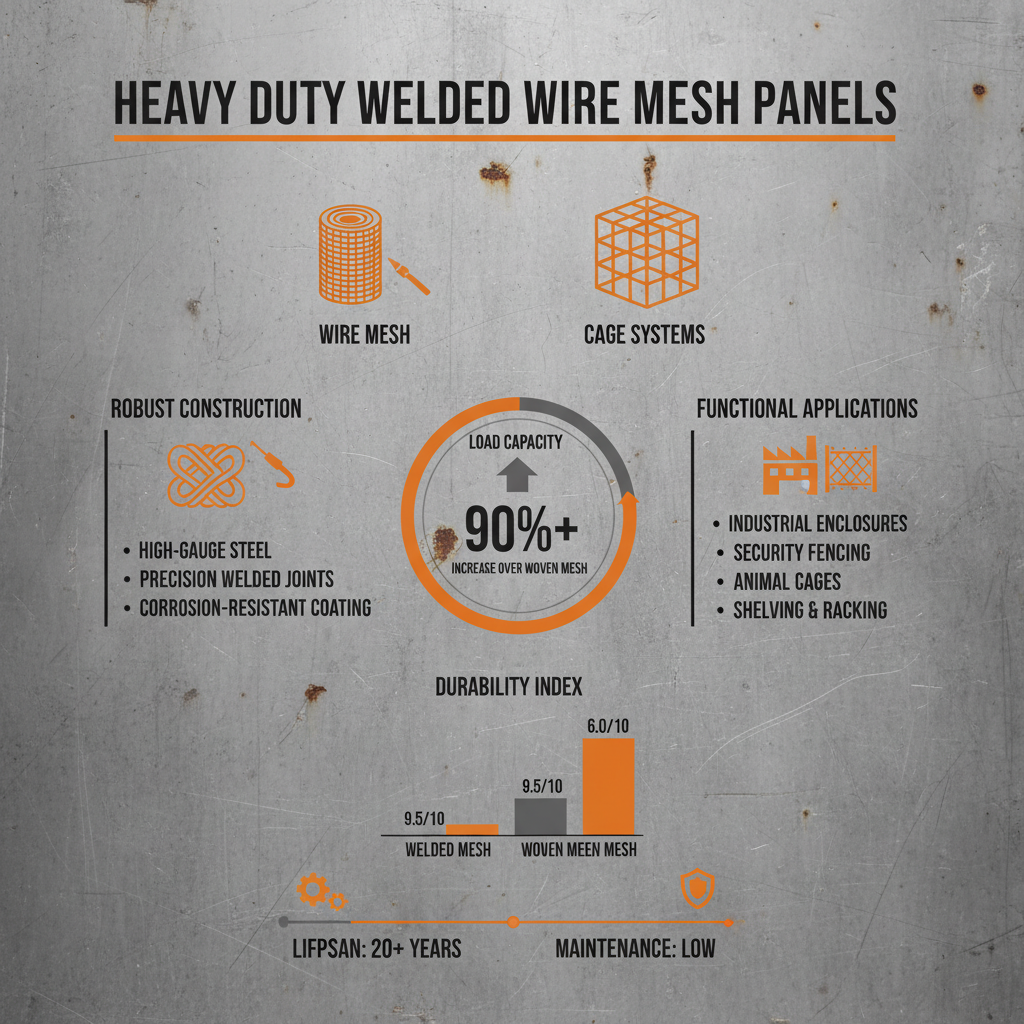
Heavy duty welded wire mesh panels provide a robust, versatile, and cost-effective solution for a wide range of fencing and containment applications. By carefully considering your specific needs and selecting the appropriate specifications, you can ensure lasting performance and value. Peiling Tech is committed to providing high-quality panels and expert guidance to help you find the perfect solution for your project.
Frequently Asked Questions (FAQs)
What is the typical lifespan of heavy duty welded wire mesh panels?
The lifespan of welded wire mesh panels depends heavily on the coating and environmental conditions. Galvanized panels typically last 10-20 years, while powder-coated panels can offer even longer-lasting protection, often exceeding 25 years. Regular inspections and maintenance, such as cleaning and re-coating if necessary, can significantly extend their lifespan. Harsh environments with high salt content or corrosive chemicals will reduce longevity. Choosing a thicker wire gauge and a durable coating will maximize the lifespan of your investment.
How do I properly install welded wire mesh panels?
Proper installation is crucial for the longevity and performance of the panels. Begin by setting sturdy posts at appropriate intervals, typically 8-10 feet apart. Ensure the posts are securely anchored in the ground. Attach the panels to the posts using wire ties, clips, or tension bands, ensuring they are taut and evenly spaced. Use a stretcher wire along the top and bottom of the panels to maintain tension. Consider adding bracing for extra stability, especially in areas prone to high winds. Consult installation guides and consider professional assistance for larger projects.
Are heavy duty welded wire mesh panels suitable for saltwater environments?
While galvanized coatings offer some corrosion resistance, they are not ideal for long-term exposure to saltwater. In saltwater environments, powder-coated panels with a marine-grade coating are recommended. These coatings provide a much higher level of protection against corrosion. Alternatively, stainless steel wire mesh panels offer the highest level of durability in saltwater applications, although they come at a higher cost. Regular cleaning and maintenance are also essential to prevent corrosion buildup.
-
Complete Guide to Choosing a Durable 4 foot wire fence rollNewsApr.16,2026
-
Guide to Choosing the Best Square Wire Fencing Roll for SecurityNewsApr.16,2026
-
High Quality Steel Welded Wire Rolled Fencing for Secure BoundariesNewsApr.16,2026
-
High Quality Black Fence Roll for Secure and Discreet PerimeterNewsApr.16,2026
-
Ultimate Guide to Temporary Fence Roll for Site Security and SafetyNewsApr.16,2026
-
High Quality Garden Mesh Roll Guide for Protecting Green SpaceNewsApr.09,2026