-

-
 Whatsapp:+86 17732187393
 -


Comprehensive Guide to Heavy Gauge Welded Wire Fence Panels and Applications
Understanding Heavy Gauge Welded Wire Fence Panels
When securing properties, containing livestock, or defining boundaries, a robust and reliable fencing solution is crucial. Heavy gauge welded wire fence panels offer exceptional strength, durability, and versatility, making them a popular choice for a wide range of applications. This article provides a comprehensive guide to these panels, covering their benefits, applications, specifications, and considerations for choosing the right option. Investing in quality fencing provides long-term security and peace of mind.
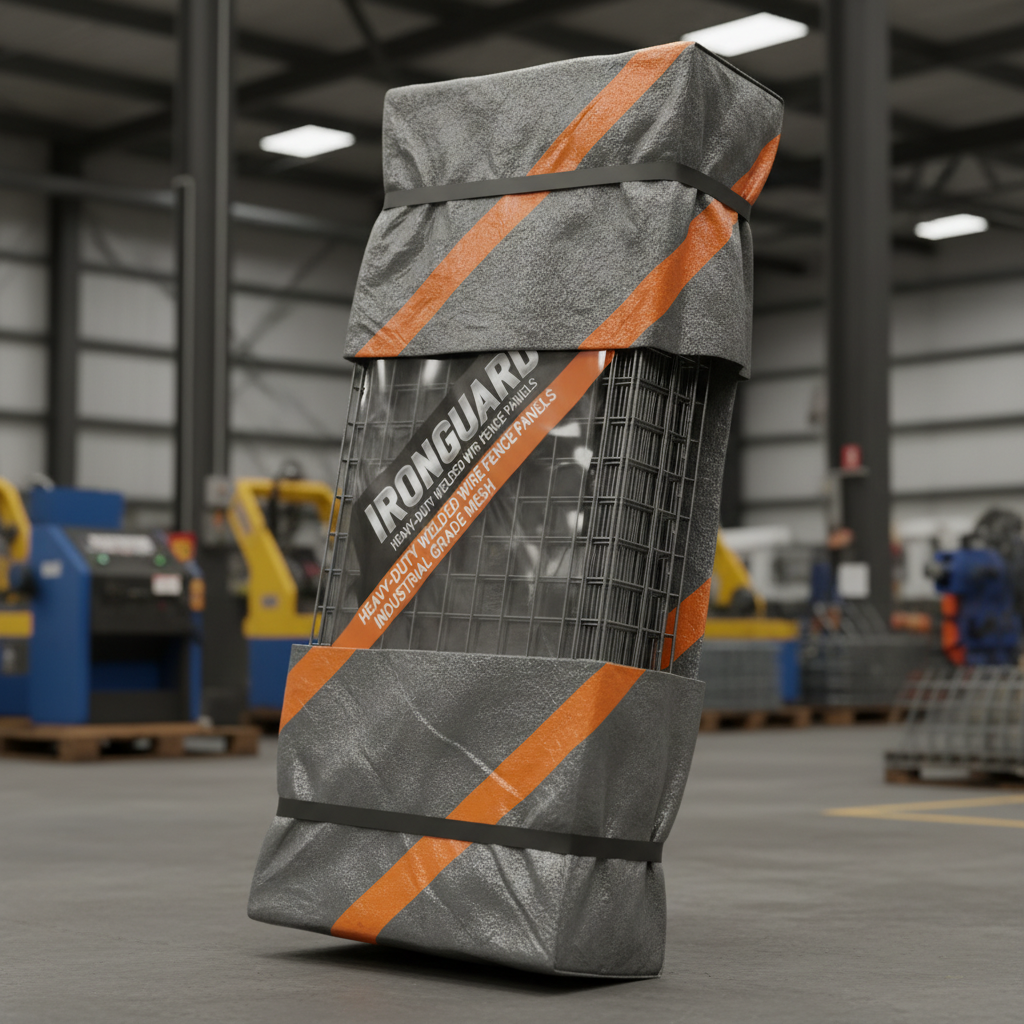
What are Heavy Gauge Welded Wire Fence Panels?
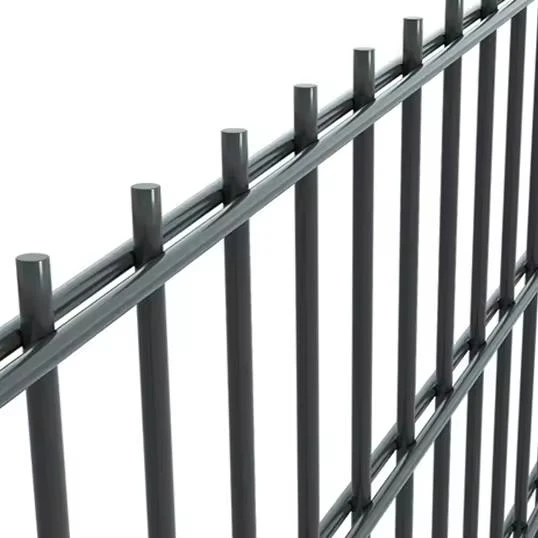
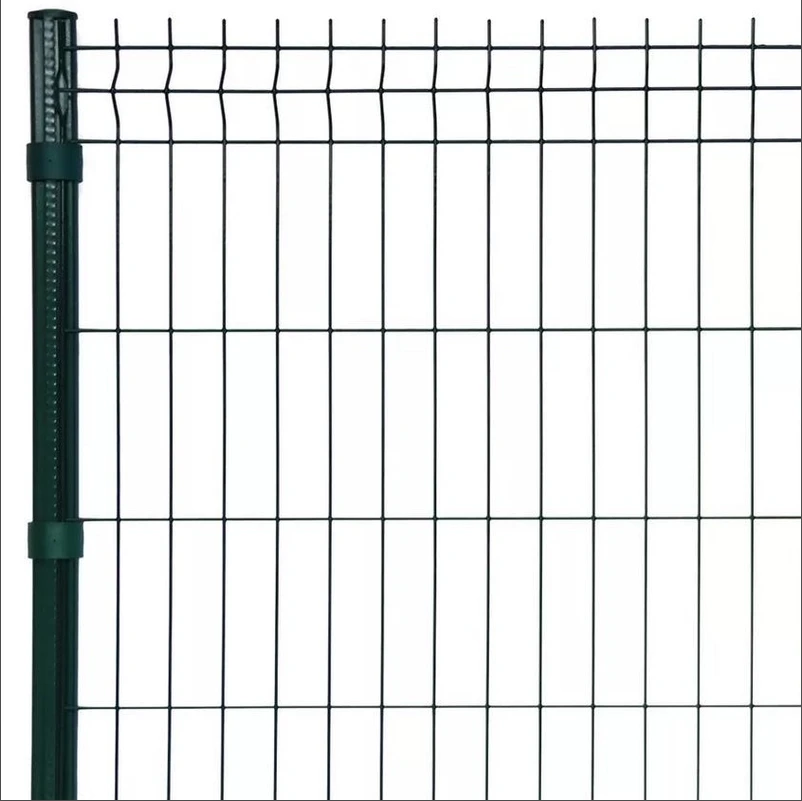
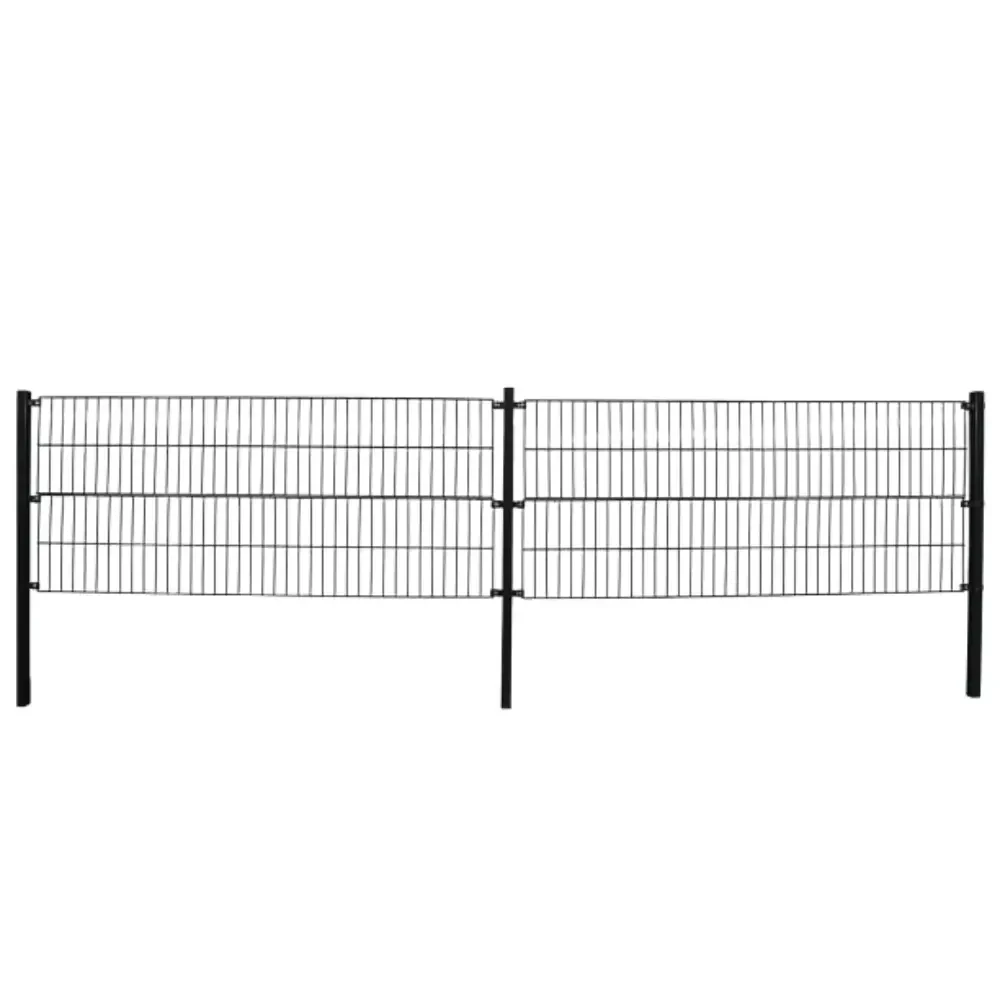
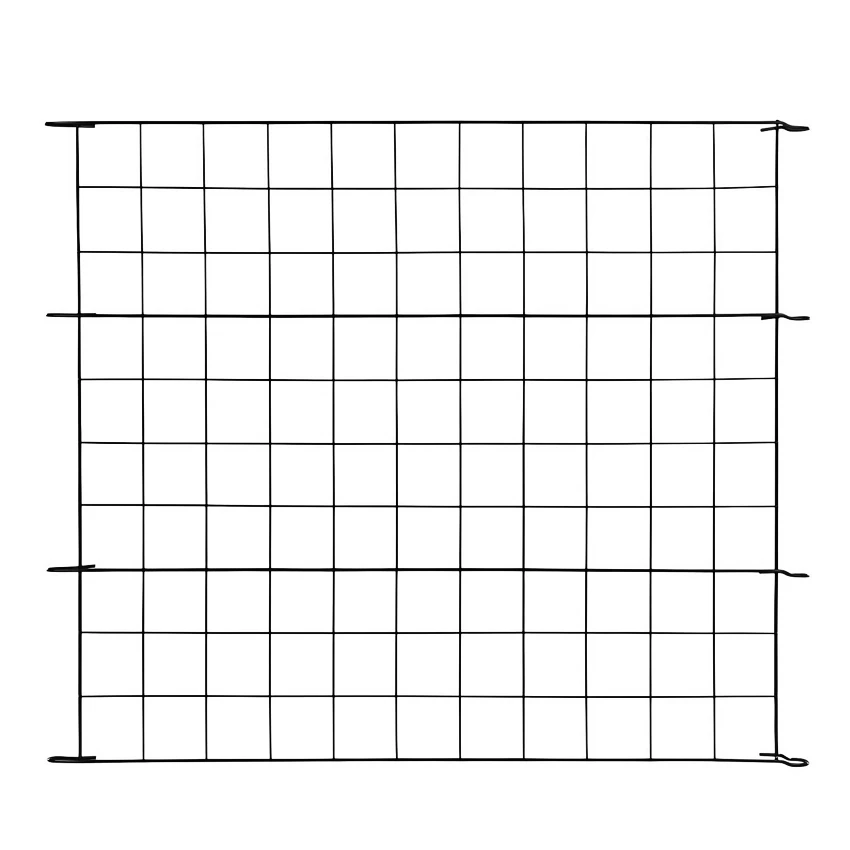
These panels are constructed from high-strength steel wires that are welded together at each intersection, creating a rigid and durable mesh. The term "heavy gauge" refers to the thicker diameter of the wires used, typically ranging from 4 gauge to 11 gauge, with lower numbers indicating thicker wires. This increased wire thickness significantly enhances the panel's strength and resistance to bending, breaking, and corrosion. The welded construction eliminates the need for knots or ties, resulting in a smooth, consistent, and secure fence. Peiling Tech specializes in providing high-quality welded wire panels tailored to meet diverse needs.
Key Benefits: Exceptional strength, long-lasting durability, consistent mesh size, easy installation, minimal maintenance.
Applications of Heavy Gauge Welded Wire Fence Panels
The versatility of these panels makes them suitable for a wide variety of applications. In agricultural settings, they are commonly used for containing livestock such as cattle, sheep, goats, and horses. They also provide effective perimeter fencing for farms and ranches, protecting crops and property. In residential areas, these panels are used for security fencing around yards, gardens, and swimming pools. They’re also frequently used for pet enclosures and to create safe play areas. Industrial and commercial applications include security fencing for construction sites, warehouses, and storage facilities. Their robustness makes them ideal for areas needing high levels of security. Explore our range for the ideal fence for your needs.
Common Applications:
• Livestock containment
• Security fencing
• Pet enclosures
• Garden protection
Heavy Gauge Welded Wire Fence Panels: A Comparison of Wire Gauges
Choosing the correct wire gauge is crucial for ensuring the fence provides adequate strength and security for its intended purpose. Thicker gauges offer greater resistance to damage but are also more expensive. Here’s a comparison of common wire gauges and their typical applications:
Choosing the Right Heavy Gauge Welded Wire Fence Panel
Several factors should be considered when selecting the appropriate panels. First, determine the type of animals or security needs the fence will address. This will dictate the required wire gauge and mesh size. Consider the height of the fence needed, accounting for the size of the animals or the level of security desired. Also, assess the terrain and any potential obstacles. Finally, evaluate the coating options available, such as galvanized or powder-coated, to ensure long-term corrosion resistance. Contact us for expert advice on selecting the right panel for your project.
Product Specifications and Dimensions
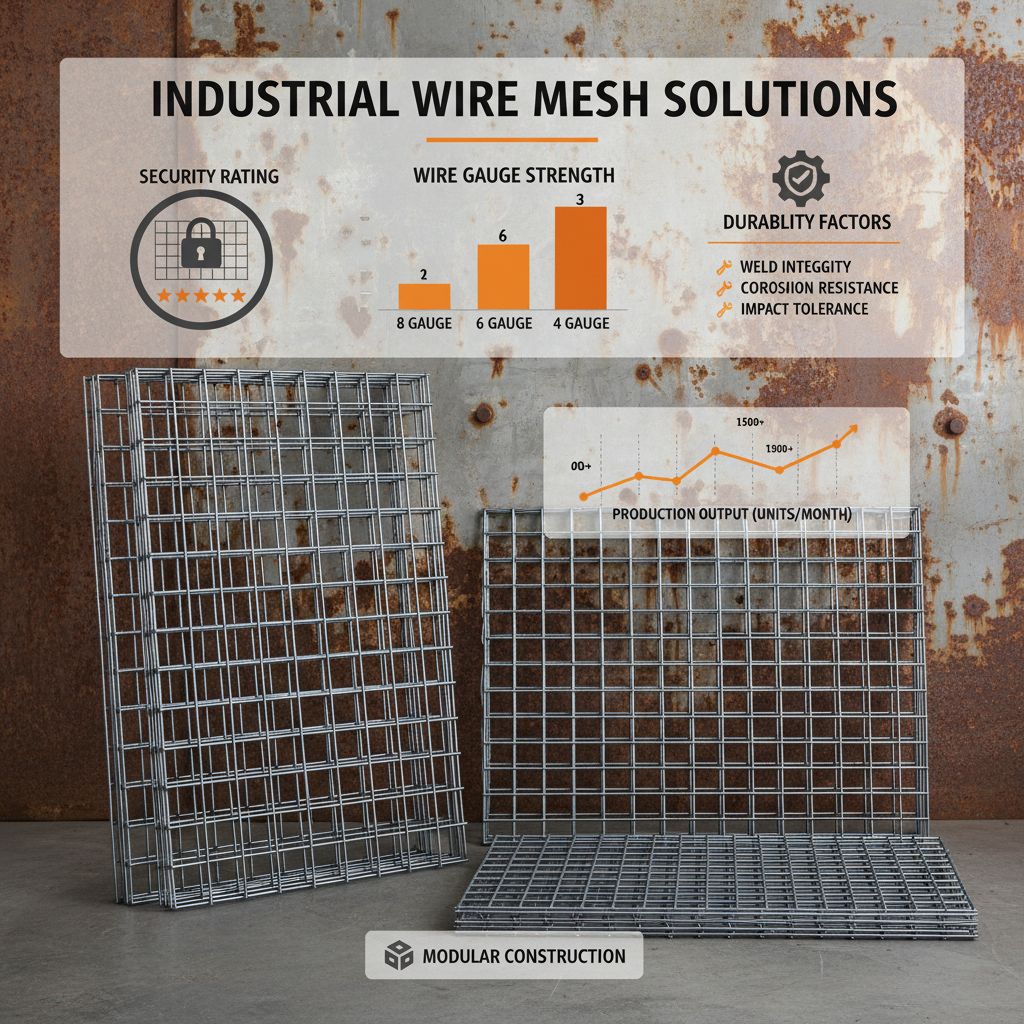
Understanding the specifications of the panels is crucial for ensuring they meet your requirements. Here are some typical specifications for our heavy gauge welded wire fence panels:
Conclusion: Secure Your Property with Heavy Gauge Welded Wire
Investing in heavy gauge welded wire fence panels is a smart choice for long-term security, durability, and peace of mind. Whether you need to contain livestock, protect your property, or enhance security, these panels offer a reliable and cost-effective solution. Choose quality materials and expert installation for the best results.
Frequently Asked Questions (FAQs)
What is the difference between galvanized and powder-coated fencing?
Galvanized fencing is coated with a layer of zinc to prevent rust and corrosion. This is a cost-effective option that provides good protection in most environments. Powder-coated fencing has a decorative and durable coating applied electrostatically and then cured under heat. Powder coating offers superior corrosion resistance, a wider range of color options, and a more aesthetically pleasing finish, but it is typically more expensive than galvanization. Both coatings significantly extend the life of the fence.
How do I install heavy gauge welded wire fence panels?
Installation typically involves setting posts at regular intervals, attaching the panels to the posts using wire or clips, and stretching the fence taut. Proper post spacing is crucial for maintaining fence integrity. It's often recommended to use a fence stretcher to ensure the wire is sufficiently tensioned. We provide detailed installation guides and support to assist with your project. For larger installations, professional installation is recommended.
What is the expected lifespan of welded wire fence panels?
The lifespan of welded wire fence panels depends on several factors, including the wire gauge, coating type, and environmental conditions. With proper installation and maintenance, galvanized panels can last 15-20 years, while powder-coated panels can last even longer, up to 25 years or more. Regular inspections and prompt repair of any damage will maximize the lifespan of your fence.
Are these panels suitable for coastal environments?
Yes, heavy gauge welded wire fence panels with a powder-coated finish are particularly well-suited for coastal environments due to their superior corrosion resistance. The powder coating provides a robust barrier against salt spray and humidity, preventing rust and extending the life of the fence. Galvanized panels can also be used, but they may require more frequent maintenance to prevent corrosion in highly saline environments.
-
Complete Guide to Choosing a Durable 4 foot wire fence rollNewsApr.16,2026
-
Guide to Choosing the Best Square Wire Fencing Roll for SecurityNewsApr.16,2026
-
High Quality Steel Welded Wire Rolled Fencing for Secure BoundariesNewsApr.16,2026
-
High Quality Black Fence Roll for Secure and Discreet PerimeterNewsApr.16,2026
-
Ultimate Guide to Temporary Fence Roll for Site Security and SafetyNewsApr.16,2026
-
High Quality Garden Mesh Roll Guide for Protecting Green SpaceNewsApr.09,2026